
01

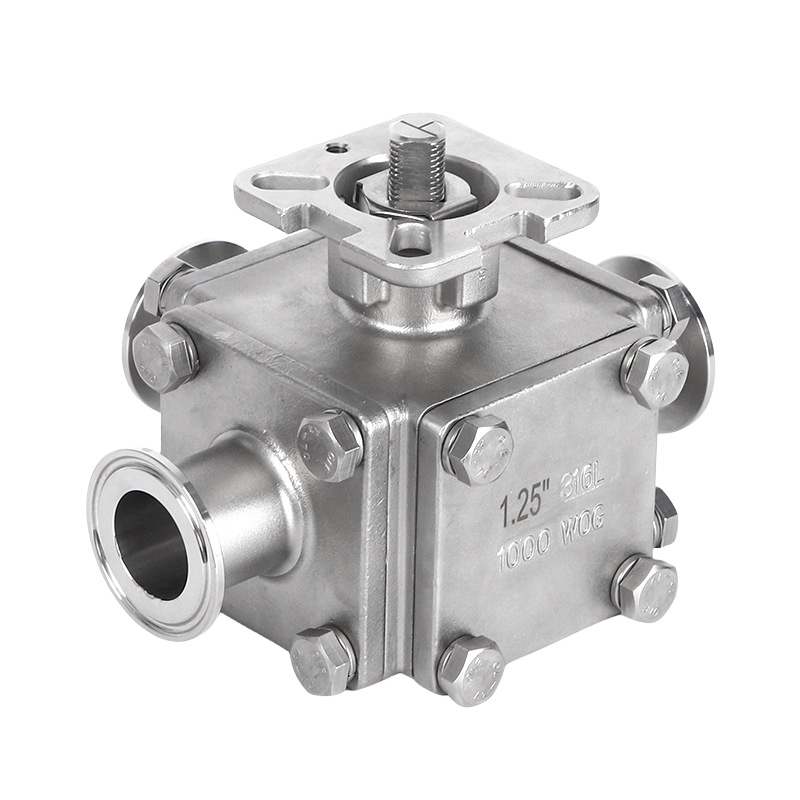
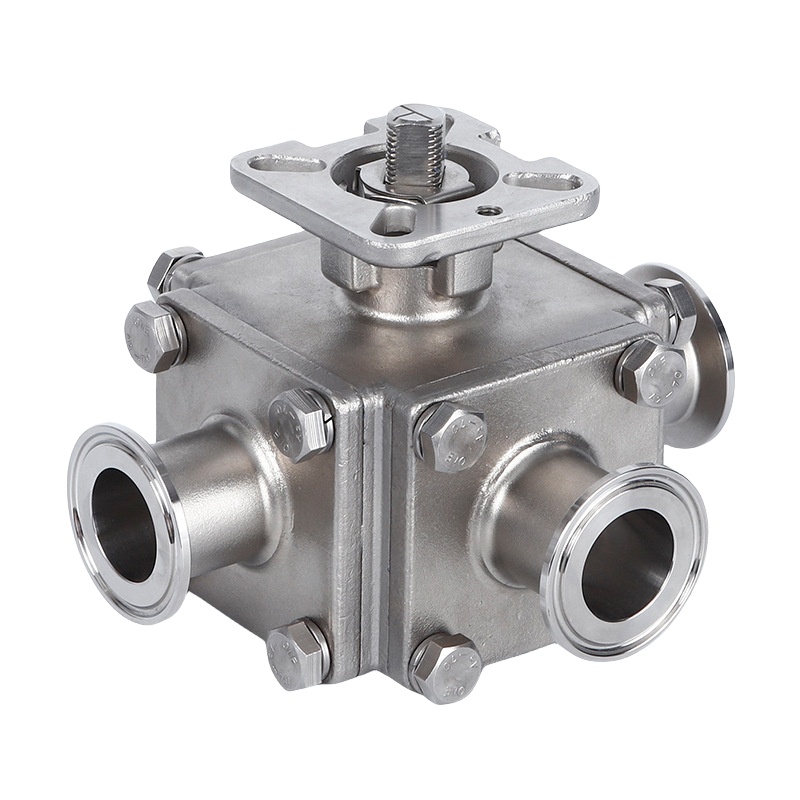
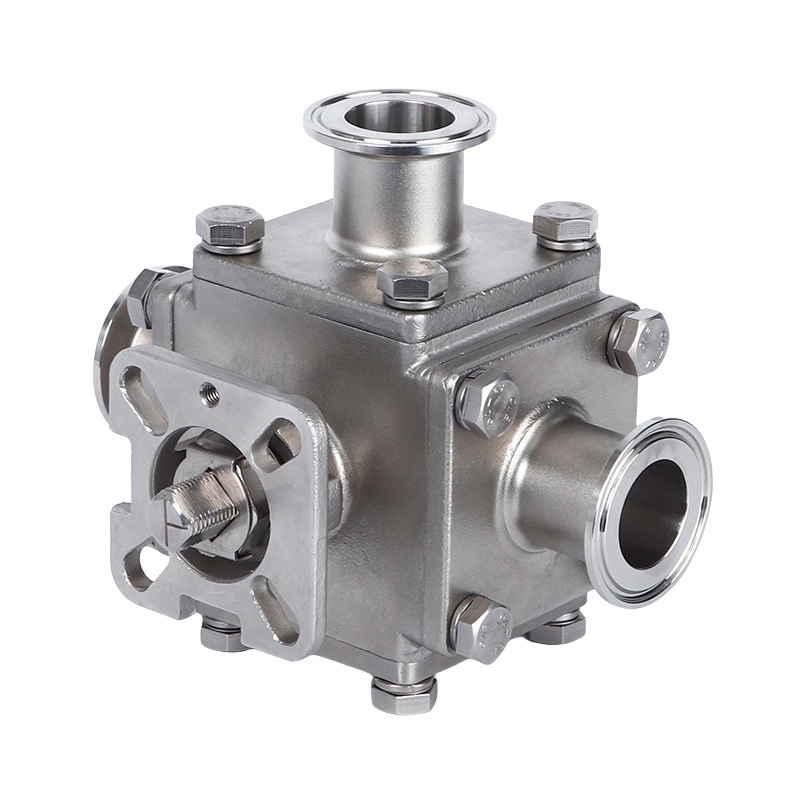
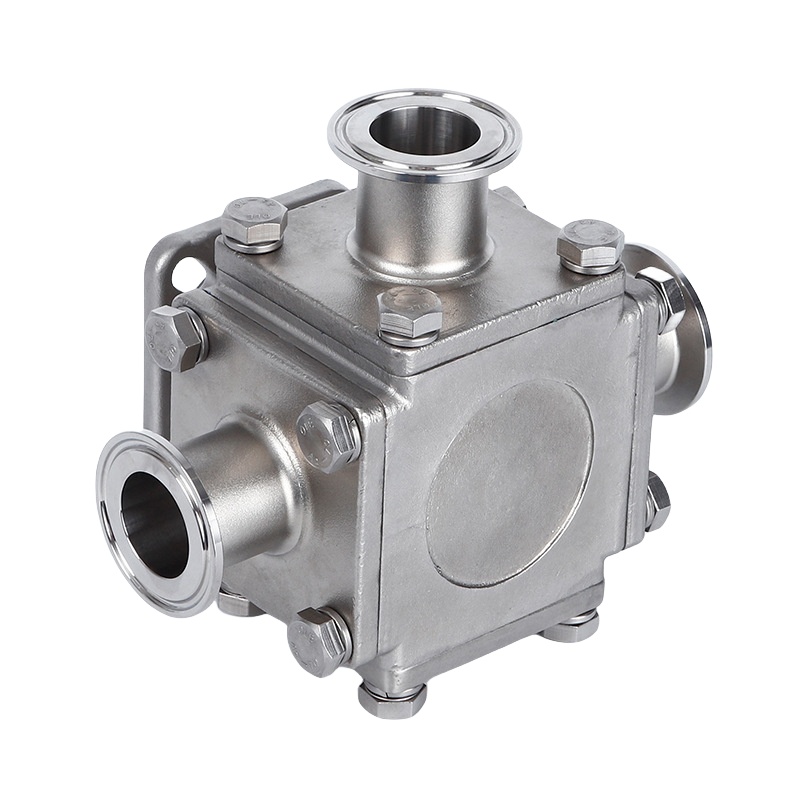
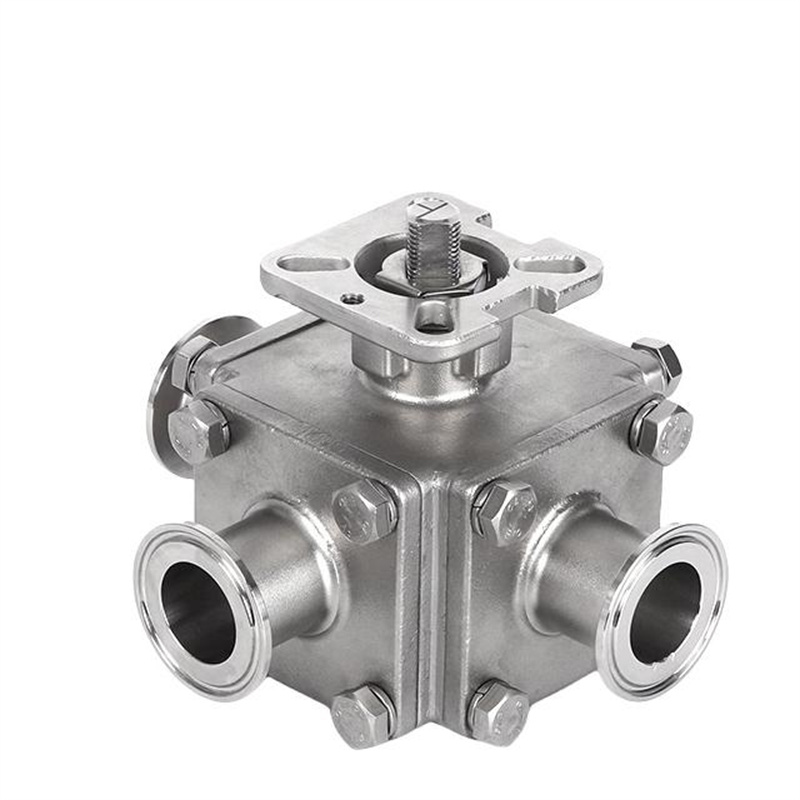
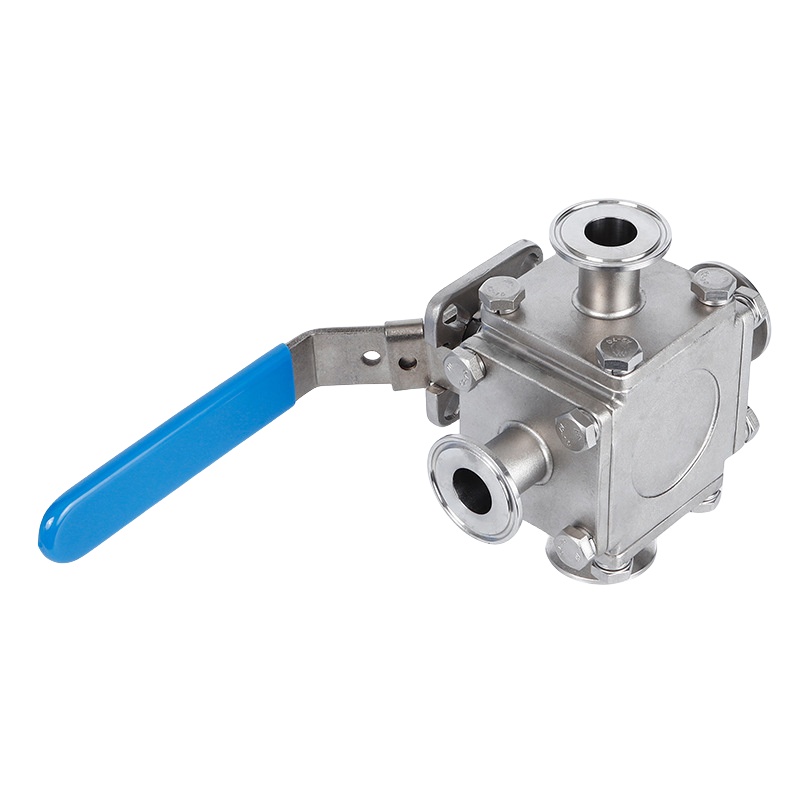
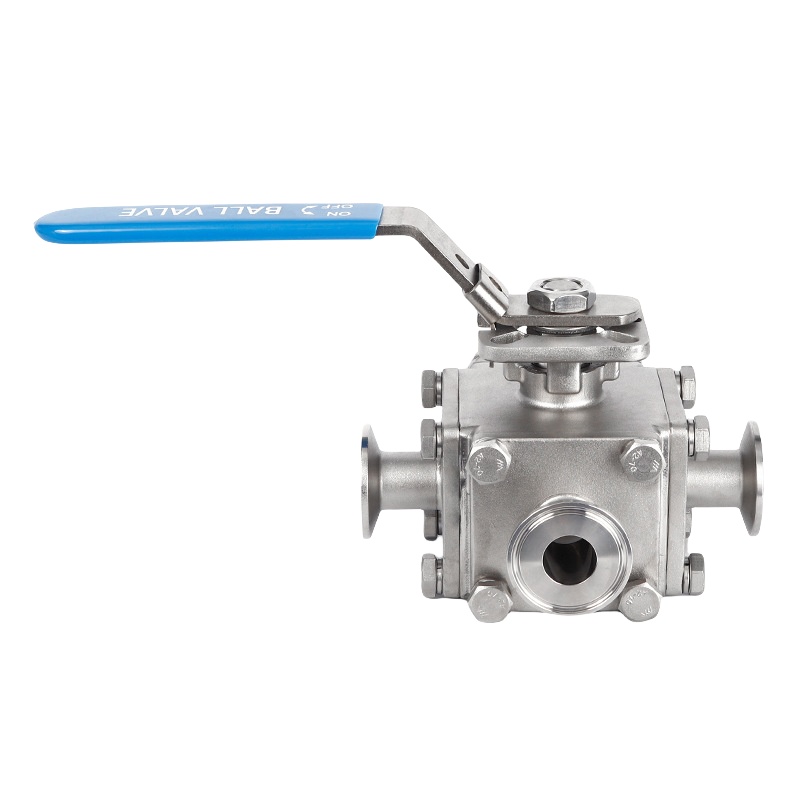
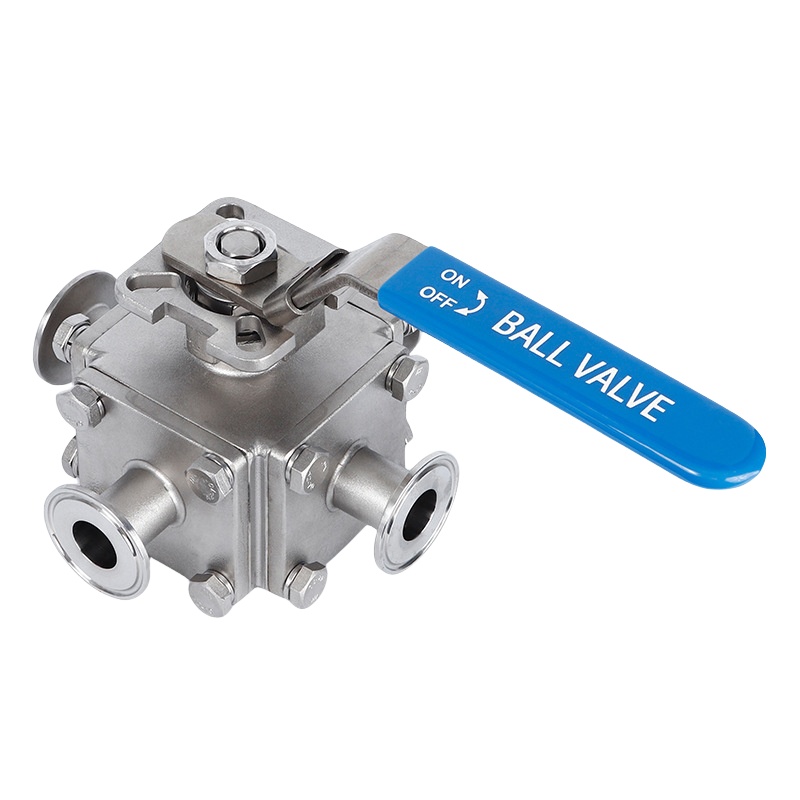
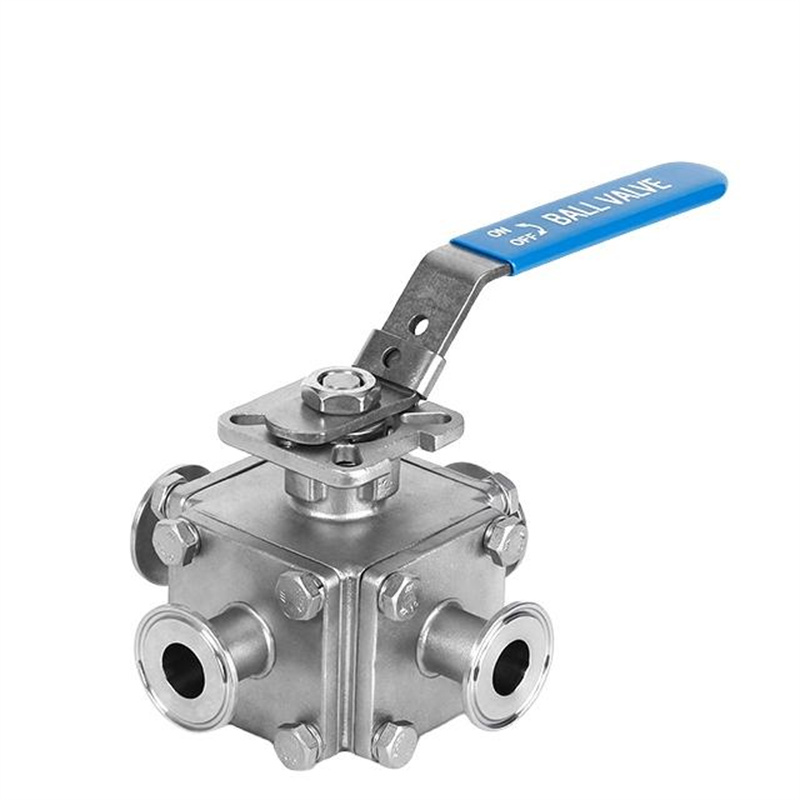
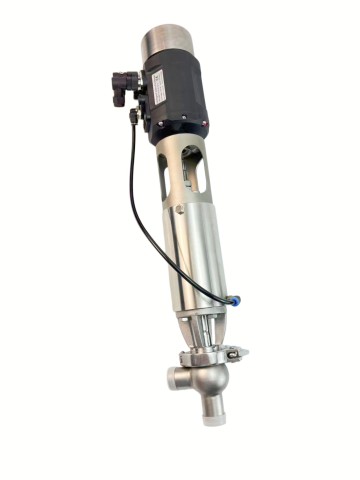
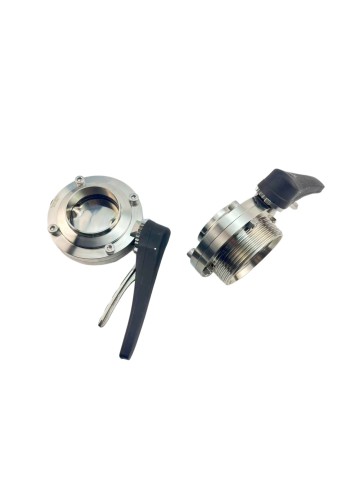
Sanitary Stainless Steel Clamped Three-Way Zero Leakage Ball Valves
Application
3-way stainless steel ball valves are highly versatile and find applications in various industries due to their ability to manage flow paths efficiently, handle high pressure and temperature, and provide a tight shutoff. Here’s a breakdown of their main applications across different industries:
1. Food and Beverage Industry (e.g., Chocolate Production)
Application: In chocolate production, 3-way stainless steel ball valves are used to control the flow of liquid chocolate at various stages, such as during mixing, tempering, and filling. The valve ensures that the chocolate stays at the required temperature and flows smoothly between machines.
Why Used: The tight shutoff prevents leakage, the stainless steel construction maintains hygiene standards, and the ease of cleaning (CIP/SIP) ensures product safety. The valve's ability to maintain high temperatures prevents the chocolate from solidifying inside the valve.
2. Pharmaceutical and Biotech
Application: In pharmaceutical manufacturing, 3-way ball valves are used to divert or mix sterile liquids, active pharmaceutical ingredients (APIs), or cleaning fluids during production. These valves are commonly used in applications like filtration, batching, or sterile filling lines.
Why Used: The valves' precision control, corrosion resistance, and high-pressure handling are essential for maintaining the purity and integrity of the product. They are often used in Clean-in-Place (CIP) and Sterilize-in-Place (SIP) processes, ensuring the entire system remains contamination-free.
3. Chemical Processing
Application: 3-way ball valves are ideal for diverting or mixing chemicals in processes involving corrosive or hazardous substances. They can handle highly reactive materials, acids, solvents, and other aggressive chemicals.
Why Used: Stainless steel's corrosion resistance makes these valves perfect for handling harsh chemicals, while their rugged design withstands high pressures and temperatures often present in chemical reactions or transport systems. They provide a reliable shutoff to prevent spills or accidents in these hazardous environments.
4. Oil and Gas Industry
Application: These valves are used in upstream, midstream, and downstream operations, such as managing the flow of crude oil, natural gas, or refining byproducts.
Why Used: The valves handle extreme pressures and high temperatures common in oil and gas operations. Their robust design and ability to handle high flow volumes make them reliable in harsh environments like offshore rigs or refineries. They are also critical for safety, preventing leaks in high-risk areas.
5. Water and Wastewater Treatment
Application: In water treatment plants, 3-way valves are used to mix or divert treated water, chemicals, or cleaning agents across different treatment stages.
Why Used: The valves offer reliable shutoff and are resistant to corrosion from various chemicals used in treatment processes, such as chlorine or flocculants. Their durability in high-flow conditions and the ability to manage both clean and waste streams make them ideal for this sector.
6. HVAC and Refrigeration
Application: In heating, ventilation, and air conditioning (HVAC) systems, 3-way ball valves are used to control the flow of heating or cooling fluids, such as glycol or refrigerants.
Why Used: The valve's ability to handle high flow rates, pressure, and temperature variations makes it ideal for efficiently controlling thermal systems. Their insulation properties can also prevent energy loss in temperature-sensitive applications like chilled water distribution or steam heating systems.
7. Power Generation
Application: In power plants, particularly those using steam or gas turbines, 3-way ball valves control the flow of steam, condensate, or cooling water.
Why Used: These valves must handle high-temperature steam and pressures in power generation applications. Their long service life, coupled with superior flow control, helps in efficiently managing the fluid pathways in power generation cycles, such as diverting steam to turbines or handling cooling water for condensers.
8. Marine and Shipbuilding
Application: Used in fuel handling systems, ballast water treatment, or cooling systems on ships.
Why Used: Their corrosion resistance, especially to saltwater environments, and ability to handle high pressure and volume, make them ideal for marine applications. They also ensure reliability in critical operations like fuel transfer or bilge pumping.
9. Manufacturing and Automation
Application: In automated production lines, 3-way ball valves control the movement of lubricants, coolants, or air/gas in pneumatic systems.
Why Used: The ability to quickly switch between different fluid pathways, handle high flow rates, and maintain a tight seal is critical for ensuring smooth operation and reducing downtime. Stainless steel construction offers durability in industrial environments, often exposed to chemicals or high pressures.
Common Configurations in 3-Way Valves:
L-Port: Allows flow between two of the three ports at a time, typically used for diverting flow from one path to another.
T-Port: Allows flow to all three ports simultaneously or to two selected ports, often used for mixing or distributing fluids.
These valves are highly adaptable to various industrial processes and offer a cost-effective and reliable solution for fluid management.
Technical Data
Material: SS304 or SS316L
Seat Gasket: PTFE
Operating pressure: Max.1000kPa(10 Bar)/145 psi
Temperature range: -20°C to 150°C
Actuator
Air pressure: 4-7 Bar
Temperature range: -25°C to 120°C
Features
Fully encapsulated or cavity filled with PTFE
Lockable Handle
ISO 5211 Mount Pad
High pressure applications
Full port design (½ - 3") offers lower pressure drop and a less turbulent flow
Precision stainless steel balls reduce torque and friction losses while extending seat life
L port or T port Ball Core
Max. operating Pressure: 3000kPa(30Bar)/435psi
Option
Connection: Weld, Tri Clamp, Male
Standard: 3A, SMS, DIN
Operating : Manual, Pneumatic Actuator, Electric Actuator
Control: Valve positioning, 0/4… 20mA
Position sensor,PNP or NPN
Top control unit

