


Advantages of Sintered Filter Screens
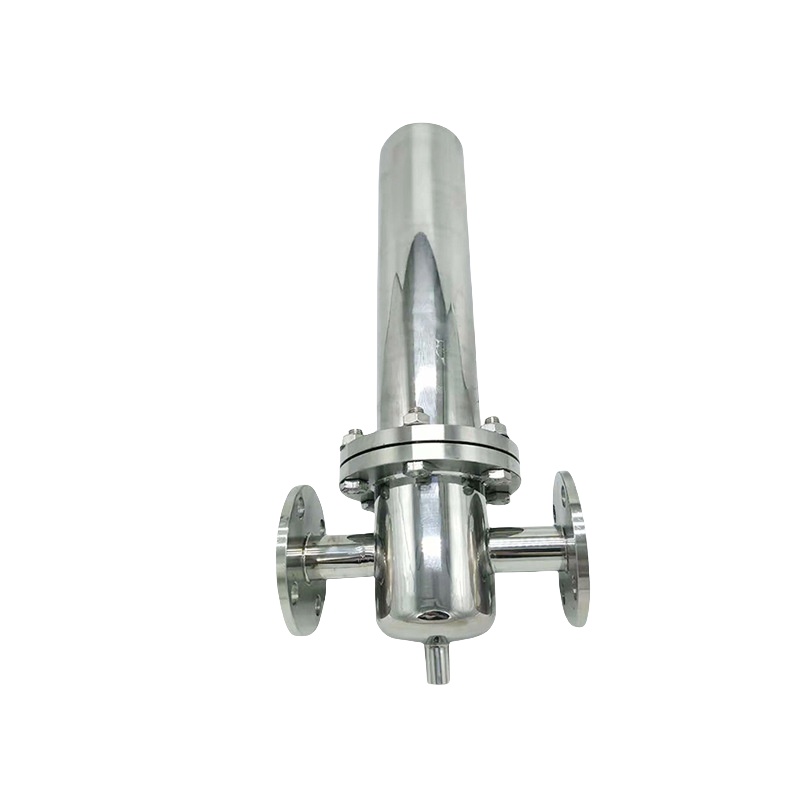
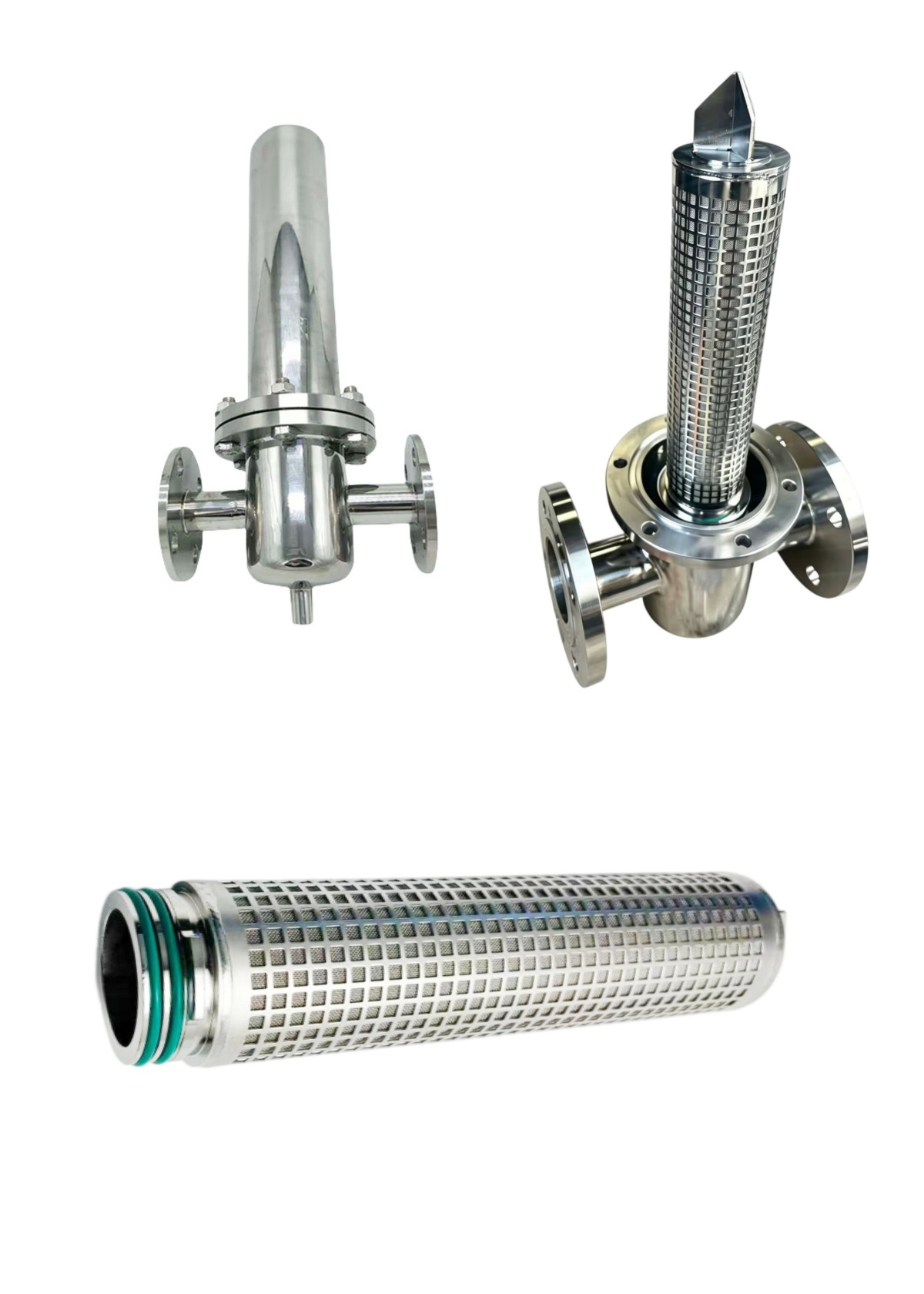
The food, beverage and pharmaceutical industries have increasingly high requirements for steam quality, and steam filters are developing towards higher pressure, higher filtration accuracy and more reliable connection. A steam filtration combination with 8 bar working pressure, DN50 flange connection and 10μm sintered filter screen has drawn extensive attention from engineers.
Qualification Threshold for Steam
Processing steam directly contacts food or product-contacting equipment surfaces, so its quality directly affects food safety. U.S. 3-A Health Standards Organization issued *Implementation Guideline 609-03*, which stipulates that cooking-grade steam filter elements must remove 95% of particles of 2μm or above, as the industry's minimum qualification standard. Main suppliers including Donaldson and Pall generally recommend 5μm or higher-precision filter cartridges to meet the requirement.
The 10μm sintered filter screen has more than twice the filtration accuracy required by 3-A, and is applied in production links with particularly high requirements for steam cleanliness, such as direct steam injection sterilization, aseptic filling lines and high-sensitivity dairy processing. Sintered stainless steel filter screens do not shed debris, use no adhesive and are high-temperature resistant, making them the preferred material meeting food contact requirements.
8 Bar & DN50: Balance Between Pressure and Flow
8 bar working pressure is above the average level in steam systems. Technical data of Spirax CSF16 series shows that the maximum allowable pressure of its DN50 standard flange filter is 16 bar g, and the corresponding maximum allowable pressure at 178°C is 8.5 bar g. Thus 8 bar working pressure is within the safe range, but it is still required to confirm whether the pressure-temperature rating of the selected product covers actual working conditions when selecting types.
DN50 flange connection, complying with EN 1092 PN16 standard, is the standard configuration for medium-sized steam pipelines. Compared with threaded connection, flange connection has more reliable sealing and easier maintenance and disassembly, which is especially suitable for cooking steam systems that require regular inspection of filter pressure difference. 3-A specification requires filters to be equipped with pressure difference monitoring devices, and flange structure facilitates this operation.
Core Technical Advantages
Sintered stainless steel filter screens are made of multi-layer metal wire mesh via vacuum sintering, forming rigid filter medium with gradient pore structure. Its core advantages are:
- Porosity exceeds 50%, maintaining low pressure difference while ensuring filtration accuracy;
- Can be reused after ultrasonic cleaning or backwashing for up to 6 times, reducing operating costs;
- Materials comply with FDA CFR Title 21 and EU EC 1935/2004 food contact regulations, fully compliant.
Key Points for Selection and Maintenance
Engineering personnel should note the following details when deploying:
- **Mist separation pretreatment**: 3-A requires installing a mist separator upstream of the cooking steam filter to remove condensed water and large particle impurities, extending the service life of precision filter elements.
- **Pressure difference monitoring**: Install pressure gauges upstream and downstream of the filter to monitor filter element clogging in real time, and replace or regenerate the filter element in time when the pressure difference reaches the recommended upper limit.
- **Matching sealing materials**: For working conditions of 8 bar and temperature above 178°C, select high-temperature resistant seals such as fluororubber or PTFE coated gaskets, and carefully evaluate the usability of standard EPDM seals under this temperature condition.
Summary
The cooking steam filtration configuration with 8 bar working pressure, DN50 flange connection and 10μm sintered filter screen leaves sufficient margin in pressure-bearing safety and filtration accuracy, and is suitable for food, beverage and pharmaceutical processes with strict requirements for steam quality. When selecting types, confirmation shall be based on the pressure-temperature rating curve of the specific product, and pressure difference monitoring and upstream separation measures shall be guaranteed.