


News

Pneumatic Angle Seat Valve Explained: Key Functions and Industry Application
What Does a Pneumatic Angle Seat Valve Do?
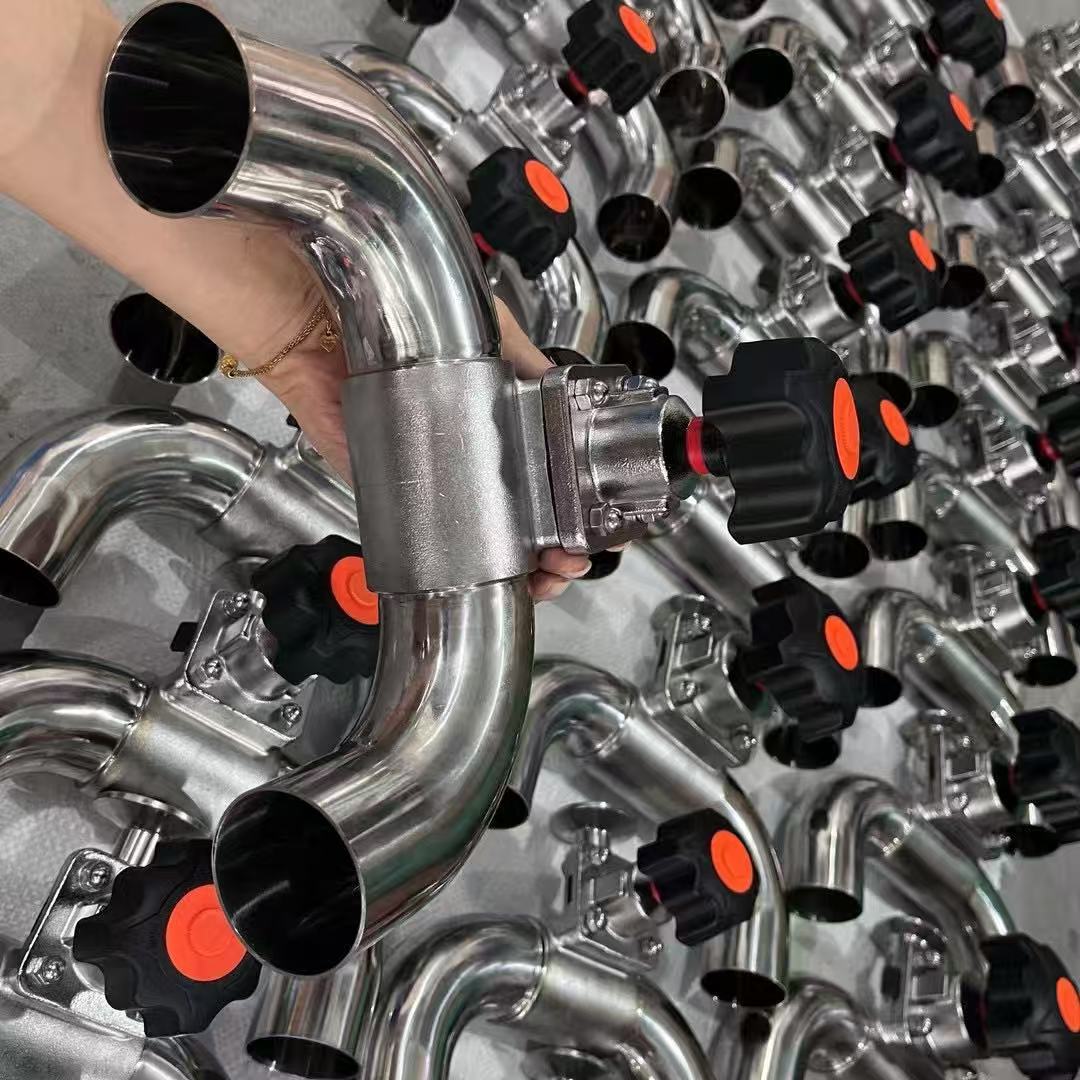
At its core, a pneumatic angle seat valve is a automated valve used to start, stop, or redirect the flow of media like steam, water, air, gas, or aggressive chemicals. What sets it apart is its angled body design—typically 90°—which reduces flow resistance and minimizes pressure drop. This means you get efficient flow control witout putting extra strain on your system.
The valve is actuated by compressed air, which moves the piston to open or close the valve. Because the actuation is pneumatic (rather than manual or electric), it’s ideal for applications that require fast response times, frequent cycling, or remote operation.

Clamp end Constant Pressure Valve: Core Advantages
Clamp end Constant Pressure Valve: Core Advantages
The core advantages of the clamp end constant pressure valve are mainly reflected in the following key dimensions:
- Extremely High Installation and Maintenance Efficiency
This is its most significant physical advantage. By using quick-install clamp connections instead of traditional flanges, installation eliminates the need for sequential alignment and tightening of bolts, reducing disassembly and assembly time by 70%-90%. For sanitary production lines that require frequent disassembly for cleaning (such as daily CIP/SIP cleaning), this significantly reduces downtime and improves production efficiency.

Vacuum VCR Bellows Connectors: The Critical Link for Vibration Control in Leak-Tight Systems
Key Applications: Where Vacuum VCR Bellows Are Essential
Understanding the typical use cases can help you identify if this is the right solution for your challenge. These connectors are vital in:
- Semiconductor & Vacuum Processing: Isolating vibrations from cryogenic pumps or turbomolecular pumps from the main chamber and sensitive load locks.
- Analytical & Mass Spectrometry Systems: Preventing external vibrations from reaching the mass analyzer, which is critical for achieving high-resolution accuracy.
- Pharmaceutical & Biotech Process Lines: Connecting sensors and valves in sterile processes where hygiene and reliability are paramount, and movement from skid-mounted equipment is inevitable.
- High-Purity Gas Delivery Systems: Providing a safe, flexible link in gas panels and distribution lines for specialty gases, accommodating slight misalignment and thermal expansion without compromising the seal.

How to choose the material of butterfly valve sealing ring? Silicone,FKM, or EPDM?
Choosing the right sealing ring material for your butterfly valve is crucial for performance, durability, and cost-efficiency. With options like silicone, FKM, and EPDM, how do you decide? This guide breaks down the key factors to help you make an informed choice, covering applications, material properties, and top brands—so you can select the perfect gasket for your needs.

Oval vs. Rectangular Manholes on Tanks: Which One Is Right for Your Vessel?
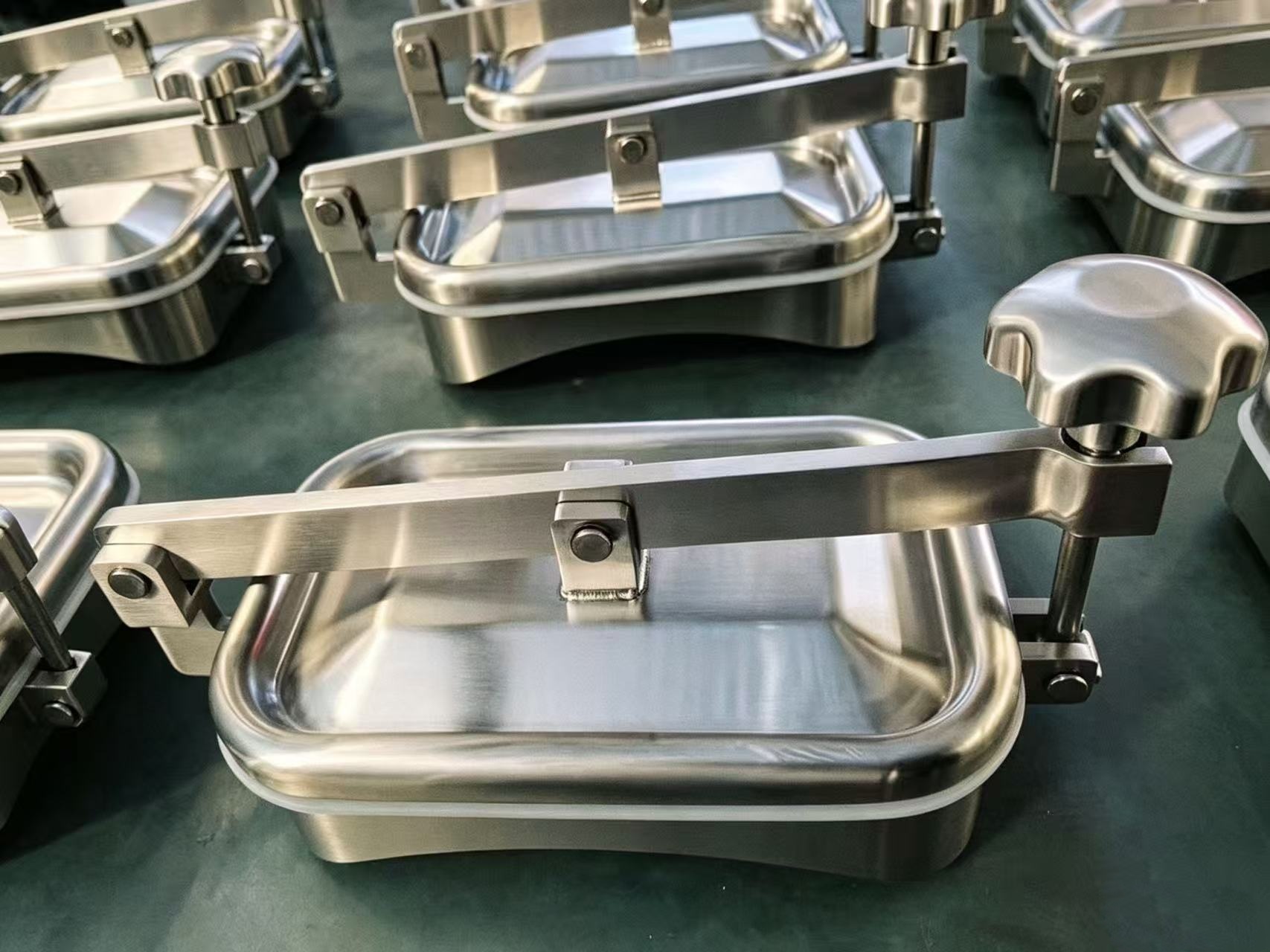
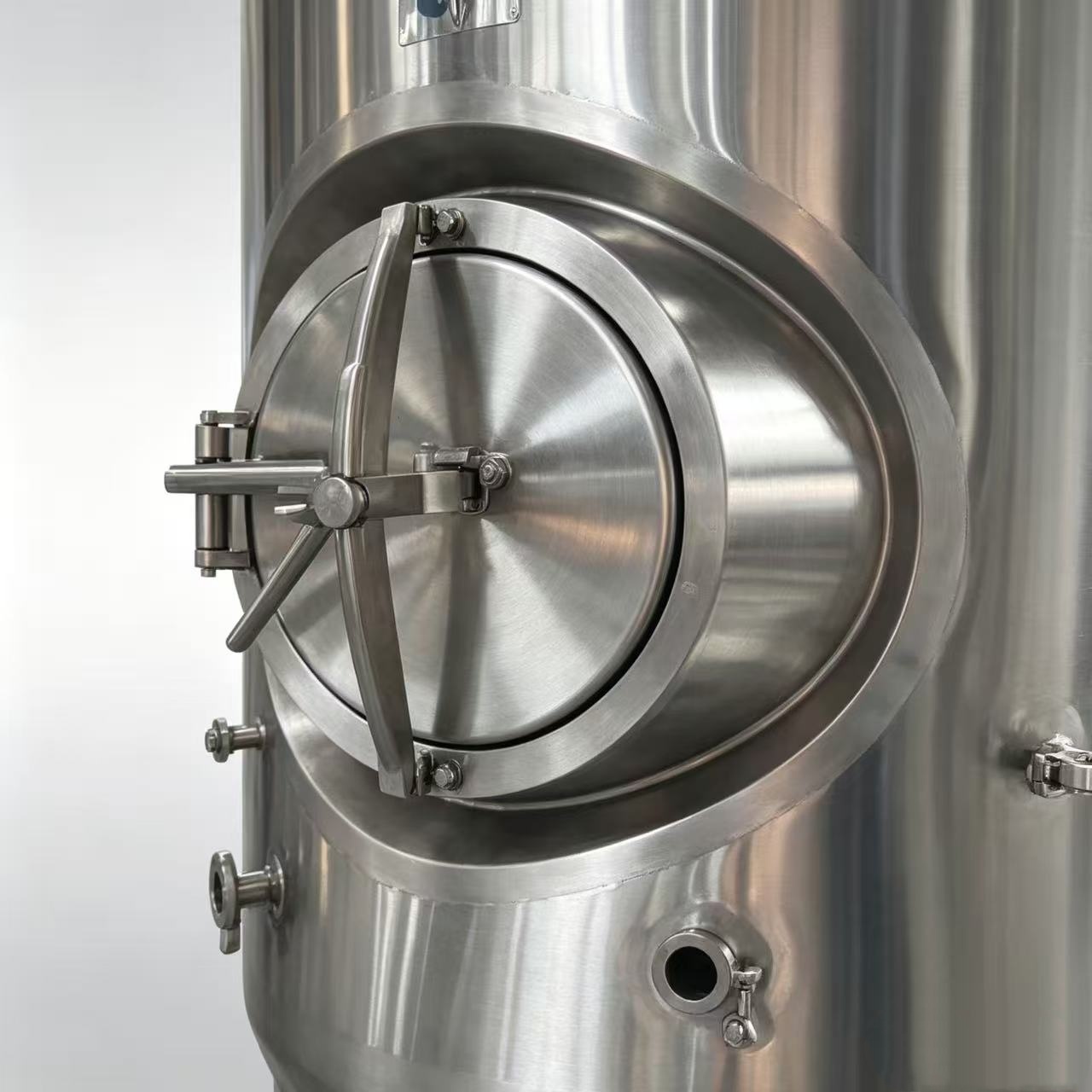
If you’re specifying, maintaining, or purchasing a tank—whether for storage, processing, or transport—the choice of manhole might seem like a small detail. But get it wrong, and you could face issues with access, safety, sealing, or even structural integrity. Unlike the heavy cast iron covers seen on roads, tank manholes are critical access points integrated into the vessel itself. So, what’s the real difference between an oval and a rectangular manhole on a tank, and why does it matter for your project? Let’s break it down in practical terms.

What is a stainless steel pressure reducing valve?
What is a stainless steel pressure reducing valve?
If you have ever encountered situations where water pressure is unstable, pipelines leak, or equipment is damaged due to high pressure, you may want to know how to control water flow. At this point, the stainless steel pressure reducing valve comes in handy - it is a critical device designed to stabilize and reduce pressure in various systems. But what exactly is it, and why should you care? This article will use concise and clear language to explain and explore its usage

Liquid/gas feedthroughs designed to deliver liquids or gases to a vacuum-mounted device
Liquid/gas feedthroughs designed to deliver liquids or gases to a vacuum-mounted device often to maintain the devices temperature or to actuate some gas/liquid driven motor.

How to choose the sealing ring for ferrules and what are the standards?
When selecting ferrule seal rings, you can refer to the following standards and procedures:
1. Material Standards
- Rubber materials:Common types include NBR , EPDM , SILICONE and FKM. When selecting materials, factors such as temperature resistance, oil resistance, and chemical resistance should be considered.

Introducing Our New Pneumatic Vacuum Bellows Angle Valve
A pneumatic vacuum bellows angle valve is a valve that combines pneumatic actuation and a bellows structure, primarily used to control fluid flow in vacuum systems.

Stainless steel vacuum bellows CF35 /CF40 Fix flange
CF35 flange: CF (ConFlat) flange is a commonly used flange connection method for vacuum systems, with a flange size of 35mm. CF flanges typically have good sealing performance and are suitable for high vacuum environments.