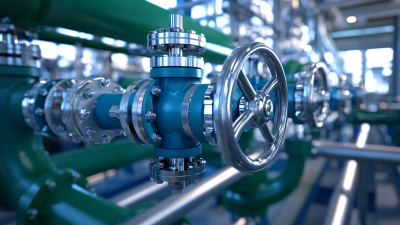
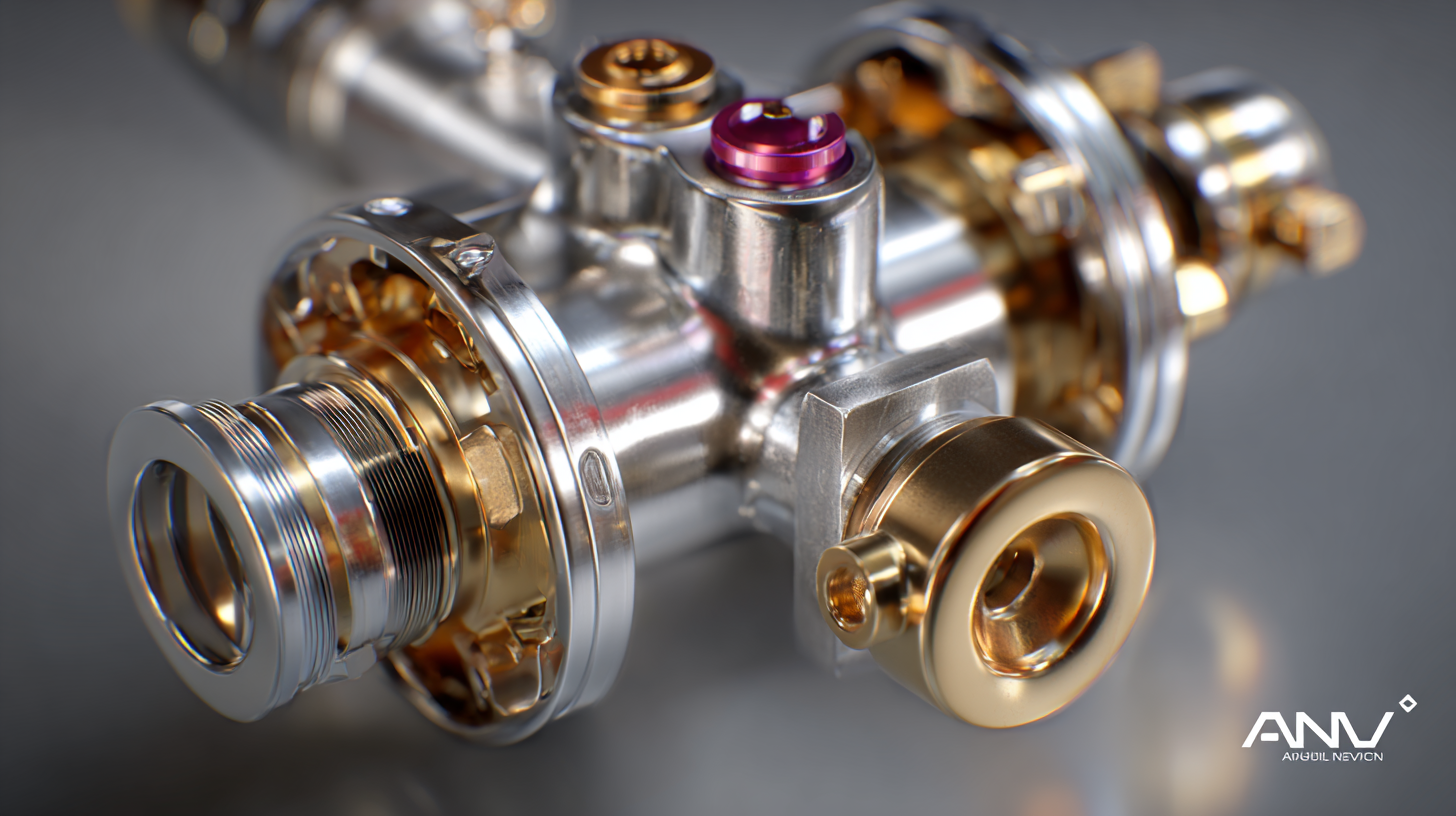
You know, in the fast-changing world of fluid control systems, Angel Seat Valves really play a big role that can’t be overlooked. These valves are super important across different industries, like pharmaceuticals, food processing, and petrochemicals—where controlling flow and keeping everything clean is just key. I recently came across a market research report that predicted the global valve market could hit $100 billion by 2025! A good chunk of that growth is expected to come from specialized valves like Angel Seat Valves, and that’s thanks to their standout features that really boost both efficiency and safety. Over here at Wenzhou Lifei Stainless Steel Co., Ltd., we’re pretty proud of our 15 years in the fluid equipment game, plus the solid insights we've gained from 13 years of trading internationally. We really focus on putting our customers’ needs front and center. This commitment drives us to embrace the latest innovations and to stick to industry standards so that our Angel Seat Valves can meet a wide range of operational demands. Ultimately, we’re all about boosting our clients’ success and ensuring they’re happy with what they get.
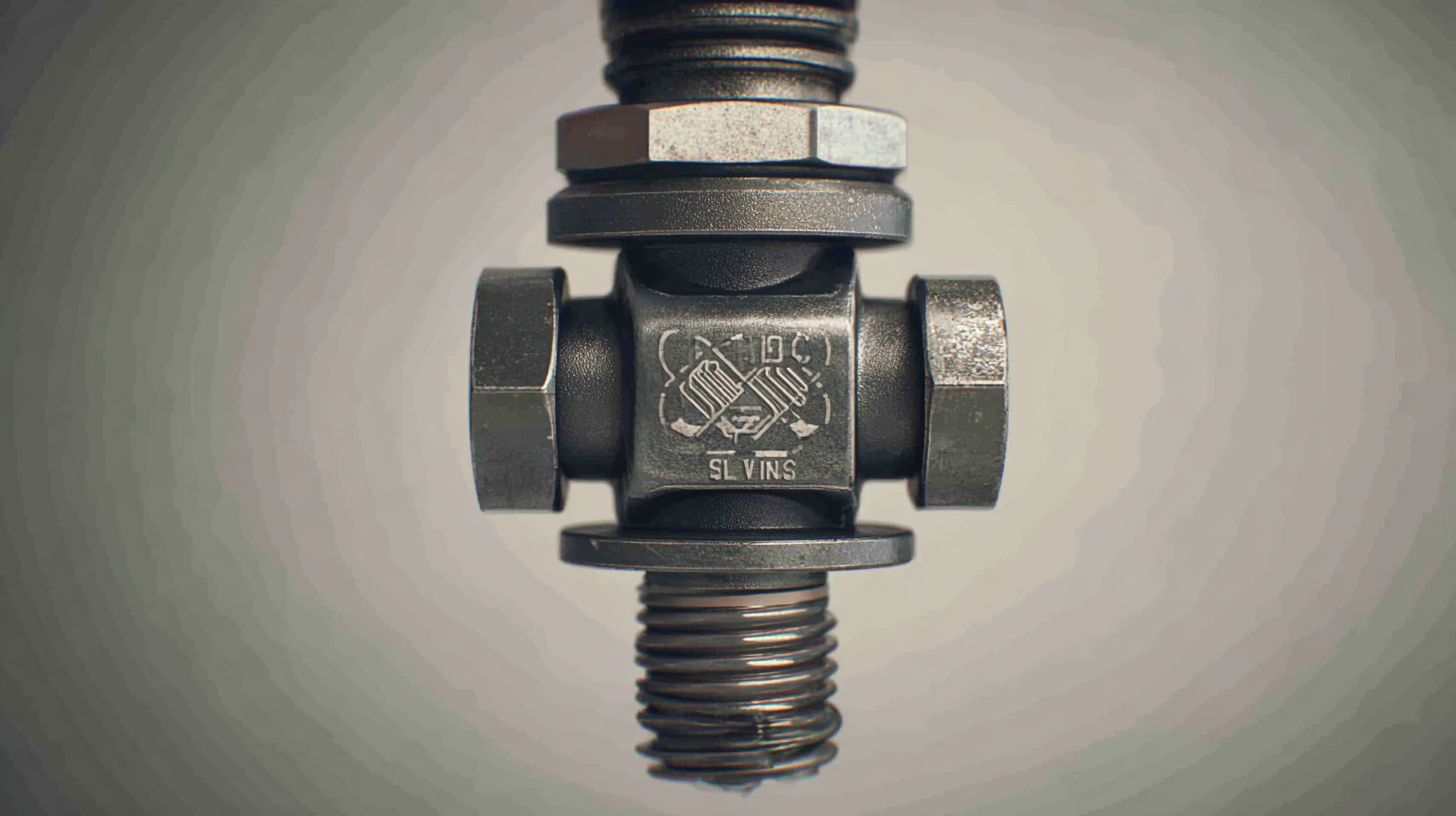
You know, angel seat valves really stand out when it comes to both design and how they work, which is why they’ve become pretty popular in a bunch of industrial applications. One of their cool features is that angled seat design—it really helps with smoother flow and cuts down on turbulence. This not only boosts performance but also helps the valve last longer, which is super important in high-demand environments. Plus, these valves do a fantastic job at sealing, which is crucial for keeping leaks at bay, especially in setups that deal with high pressure or potentially risky materials.
When it comes to picking the right angel seat valve, you definitely want to think about things like what materials you're working with and the pressure ratings needed. For example, if you go for a stainless steel valve, you’re looking at durability and less risk of corrosion. And if you’re in a high-pressure environment, you’ll need a valve that can handle that kind of stress.
**Tip:** Seriously, don’t skip out on chatting with manufacturers or tech experts; they can help you nail down the best specs for your setup.
Another thing to keep in mind is the size and flow capacity of the valve. These details really can make or break your system's efficiency. If you’ve got a low-flow application, smaller valves might do the trick, but if you’re running a big operation, you’ll definitely need valves that can tackle larger volumes.
**Tip:** And remember, regular maintenance and check-ups are key to keeping those angel seat valves running smoothly, so setting up a proactive maintenance schedule can save you from unexpected downtime.
| Feature | Description | Application | Material | Size Range |
|---|---|---|---|---|
| High Flow Capacity | Designed to handle large volumes of fluids. | Industrial applications, such as water treatment. | Stainless Steel | 1/2" to 6" |
| Reduced Leakage | Ensures tight sealing to minimize fluid loss. | Chemical processing. | Nickel Alloy | 3/4" to 4" |
| Easy Maintenance | Simple design allows quick access for repairs. | Food and beverage industries. | Brass | 1" to 5" |
| Versatile Design | Can be configured for various applications. | Pulp and paper industry. | PVC | 2" to 8" |
| Temperature Resistance | Suitable for high and low temperature liquids. | Oil and gas applications. | Carbon Steel | 1" to 10" |
Angel seat valves are pretty essential across a bunch of industries, thanks to their clever design and functionality. You’ll often find them in places like food and beverage, pharmaceuticals, and chemical processing—really important sectors, you know? What makes these valves stand out is their capability to create a super tight seal and their ease of cleaning. That’s why they’re a go-to for applications that really need to prioritize hygiene and efficiency. Think about it: in the food industry, these valves are crucial for stopping contamination in its tracks while still letting liquids flow smoothly during production.
When it comes to picking the right angel seat valve, you’ve got to really dig into the specifics of your application. There are a few things you need to keep in mind, like pressure ratings, temperature limits, and whether the materials are compatible with your process. Plus, for industries that have to meet strict safety and quality regulations, it’s vital to pay attention to how the valve is designed and what certifications it holds. You know, with all the recent updates about seat belt laws and enforcement in different areas, it's clear that prioritizing the right angel seat valve is as important as making sure passengers are safe in vehicles. Just like parents are encouraged to choose the best car seats for their little ones, industries need to thoughtfully evaluate their valve options to ensure they’re getting the best performance and reliability out there.
So, when we're talking about industrial applications, picking the right valves really matters if you want to keep things running smoothly and safely. Angel seat valves are pretty impressive because of their special design — they really do a great job of providing a tight seal and cutting down on leaks. Plus, they're built to operate smoothly and can take on high pressures, which makes them a go-to for all sorts of processes. Now, don’t get me wrong, other types like ball or globe valves have their own strengths, especially when it comes to flow control or saving space, but they might not be as reliable as angel seat valves in specific situations.
Quick tip: Before you dive into choosing a valve, take a moment to think about the specific needs of your application. This includes the type of fluid you're dealing with, the pressure conditions, and how much space you have to work with. Looking into these factors can really help you find the right valve for your needs.
Also, let’s not forget about maintenance when we compare angel seat valves to other options. Generally speaking, angel seat valves need a lot less maintenance thanks to their solid sealing mechanisms. On the flip side, some other valve types might need you to check them more often or even replace parts now and then. This not only affects costs but can also impact how long your whole system lasts in the end.
Another quick tip: Always take a look at the manufacturer's guidelines for maintenance schedules and compatibility with the fluids you’re handling. Doing this can really boost performance and help extend your valve's lifespan.
So, when you're picking out angel seat valves, there are a bunch of important things to keep in mind that can really make a difference in how well they perform and how long they'll last. First off, let's talk about the material—this is super important! You usually see materials like stainless steel or brass being used, and each of them has its perks, especially when it comes to being durable and resisting corrosion. I read a report recently that said if you go for high-quality materials, you could boost the lifespan of the valves by as much as 50%! That's pretty much a no-brainer decision if you ask me.
Then there’s sizing and compatibility, which is also a big deal. Getting the right size means better flow rates and helps avoid those annoying pressure drops that can throw everything off. For example, if you choose a valve that fits perfectly with your pipes according to industry standards, you could see up to a 30% increase in efficiency when controlling fluids. How cool is that?
A little tip: when you're on the hunt for these valves, make sure to really dig into the system requirements and the characteristics of the fluid. And hey, always go with valves from trusted manufacturers that give you all the specs and certifications needed. This way, you can be sure they meet all the safety and performance standards in the industry. Doing your homework like this not only makes your setup more reliable but can actually save you money down the road on replacements and repairs.
Let’s talk about keeping your angel seat valves in tip-top shape, shall we? A little routine maintenance goes a long way here! According to the Valve Manufacturers Association, if you keep up with regular maintenance, you could actually stretch the life of industrial valves by as much as 50%! So, it’s super important to give your valves a good check-up at least every six months. During these inspections, you want to be on the lookout for any signs of wear and tear, corrosion, or even little leaks. These issues can really mess with how well your valves perform.
Now, here are a couple of handy tips to keep your valves running smoothly:
Tip 1: Keep 'em clean! Seriously, just a bit of cleaning can make a massive difference. Dust and grime can build up and lead to all sorts of problems. A quick wipe down with some suitable solvent and a soft cloth can do wonders.
Tip 2: Don’t forget about lubrication; it’s super important! The right lubricant helps reduce friction and keeps those moving parts from wearing down too quickly. I came across a study in the Journal of Mechanical Engineering that said proper lubrication could bump up the efficiency of your valves by a whopping 30%!
So, by sticking to these maintenance tips and being a bit proactive, you’ll not only keep your angel seat valves performing at their best but also extend their lifespan, making sure they’re around to support your operations for many years ahead.
You know, angle seat valves have really come a long way thanks to some pretty cool new technologies. We're talking about a fresh wave of efficiency and effectiveness that’s shaking things up for both industrial and commercial uses. Take those modern pneumatically actuated angle seat valves, for example—they let you separate the actuator from the valve seat. That's a game changer when it comes to installation and maintenance. Seriously, it makes those tasks way easier! This kind of innovation is crucial for companies that want to keep things running smoothly and minimize downtime.
When you’re in the market for an angle seat valve, it’s super important to think about what your specific application needs. Things like the type of fluid, the pressure, and the temperature should definitely steer your decision so you can get the best performance. And hey, don’t forget to look for models that have the latest automation features—they can really boost your reliability and efficiency.
A couple of tips:
: Angel seat valves feature an angled seat design that allows for smoother flow and reduced turbulence, enhancing performance and extending the valve's lifespan. They also possess excellent sealing qualities, crucial for preventing leaks in high-pressure or hazardous environments.
It's essential to consider factors such as material compatibility (e.g., stainless steel for corrosion resistance), pressure ratings, size, and flow capacity to ensure the valve meets the specific demands of the industrial setting.
Angel seat valves provide a tight seal and minimize leakage while handling high pressures, making them reliable for various industrial processes compared to other types, like ball or globe valves, which may have different advantages.
Regular maintenance checks every six months are recommended. This includes inspections for wear, corrosion, or leaks, as well as keeping the valves clean and properly lubricating moving parts to enhance performance and longevity.
Regular maintenance can extend the life of industrial valves by up to 50%, as it helps identify and address issues before they lead to significant performance deterioration.
When selecting a valve, consider the specific application requirements, including the type of fluid, pressure conditions, and space restrictions to find the most suitable valve type for your needs.