You know, in today's fast-paced world of industry, picking the right Hydraulic Safety Relief Valve is super important. The global market is really taking off, and we're seeing a projected growth rate of about 5.4% in the hydraulic valves sector. It’s wild! With that growth, the need for reliable, high-quality parts has never been higher. Here at Wenzhou Lifei Stainless Steel Co., Ltd., we draw on over 15 years of experience in making fluid equipment and a solid ten years in export trade. We’re all about delivering top-notch products that meet international standards. And honestly, our customers' satisfaction is what keeps us going—we aim to provide solutions that not only ensure safety but also make operations run smoother. That phrase 'Made in China, winning respect worldwide'? It’s not just a catchy slogan for us; it really highlights our commitment to creating hydraulic components that meet the tough standards of today’s industries while earning global recognition for quality and performance.
Key Factors to Consider When Choosing Hydraulic Safety Relief Valves for Global Markets
When selecting hydraulic safety relief valves for global procurement, understanding the key factors that influence performance and compliance is crucial. One of the primary considerations is the valve's pressure rating. According to a report by MarketsandMarkets, the global hydraulic valves market is projected to grow by over 6% annually, driven by industries that demand highly reliable pressure control mechanisms. Therefore, ensuring the valve can handle the required pressure range without failure is essential for preventing catastrophic equipment damage.
Another vital aspect is the material compatibility, especially in sectors such as oil and gas, where exposure to harsh environmental conditions is common. A study by Grand View Research highlights that stainless steel and brass are preferred materials due to their resistance to corrosion—providing increased durability and longevity in the field. Additionally, the valve must meet international standards like ASME and API to ensure its reliability and safety in diverse markets. Proper certification not only guarantees quality but also increases the likelihood of successful global procurement.
Understanding the Importance of Certification Standards in Hydraulic Safety Relief Valves
When it comes to buying hydraulic safety relief valves, knowing the certification standards is super important. I mean, these certifications not only confirm that the valves meet safety norms but also show a real commitment to making things safe and sound. Lately, we've seen some cool advancements, like digital proportional valves that have on-board electronics. Seriously, this is a game changer in the world of electrohydraulics! And guess what? These new valves come with some serious certifications from recognized bodies, which really boosts their reliability and safety, especially in tough industrial settings.
One certification that really grabs attention in the industry is the Safety Integrity Level (SIL) for valve actuators. This is crucial because it means that the actuators in hydraulic systems are designed to be super safe and reliable, which really helps cut down on the risks of equipment failure. As global procurement becomes more and more of a thing, sticking to these certification standards is key for manufacturers and suppliers. They want to make sure they're delivering top-notch products that not only tick all the operational boxes but also keep people and equipment safe in all kinds of environments.
Analyzing Material Selection: How Quality Affects Performance and Longevity
Choosing the right hydraulic safety relief valve for global procurement? Well, let me tell you, material selection is super important. The kind of materials you pick really impacts how the valve performs and how long it lasts. Basically, if you want the valve to hold up against all the pressures and environmental challenges it faces, you’ve got to go for quality stuff. Using high-grade alloys and materials that resist corrosion can really save the day because they help keep the valve functioning as it should, even over time. That way, you lower the chances of it failing when you really, really need it to work during critical operations.
And here’s another thing: it’s crucial to understand what the hydraulic system is actually going to be doing. Take valves used in marine settings, for example—they definitely need materials that can handle saltwater corrosion. On the flip side, if you’re dealing with chemical processing, you’ve got to make sure the materials can stand up to harsh chemicals. By really focusing on using high-quality materials tailored for specific conditions, procurement pros can boost the reliability of their hydraulic systems. This means less downtime for maintenance or replacing valves, which is always a win! Plus, taking a proactive stance not only enhances safety but also amps up the efficiency and cost-effectiveness of operations overall.
Ultimate Guide to Selecting the Best Hydraulic Safety Relief Valve for Global Procurement
| Material |
Corrosion Resistance |
Temperature Tolerance (°C) |
Pressure Rating (bar) |
Expected Lifespan (years) |
| Stainless Steel 316 |
Excellent |
-196 to 800 |
250 |
20 |
| Brass |
Good |
-50 to 200 |
200 |
15 |
| Carbon Steel |
Fair |
-40 to 200 |
150 |
10 |
| Aluminum |
Good |
-50 to 150 |
100 |
8 |
Cost-Benefit Analysis: Investment vs. Savings in Hydraulic Safety Valve Procurement
So, when you’re thinking about investing in hydraulic safety relief valves, you really can’t overlook the cost-benefit analysis — it’s pretty much the guiding star for making smart purchasing choices. Sure, the initial price tag might make you gulp a little, but trust me, the savings you can bank on in the long run — thanks to better safety and lower maintenance costs — can seriously outshine those upfront costs. A top-notch hydraulic safety relief valve does wonders in keeping your system from failing, which is key since those failures can lead to spendy downtimes and repairs. Keeping everything running smoothly and safely not only guards your assets and people but also helps your bottom line in a big way.
And let’s not forget, picking the right valve isn’t just about safety. It can really amp up your efficiency and productivity, too! A solid hydraulic safety valve reacts right when there are pressure changes, stopping any annoying pressure build-up that could potentially wreck your equipment and grind operations to a halt. This helps to steer clear of any major failures and cuts down on the need for constant replacements or repairs, which is fantastic for your overall savings. So, procurement teams should definitely look at the total cost of ownership, keeping in mind how long the valves last and how dependable they are. It’s all about making a strategic investment that will pay off with higher operational resilience and better financial health over time.
Best Practices for Supplier Evaluation in the Global Manufacturing Landscape
When it comes to the global manufacturing scene, picking the right suppliers for hydraulic safety relief valves is super important for ensuring we get good quality and stay compliant. A report from MarketsandMarkets says that the global market for hydraulic valves might hit $18.7 billion by 2026, and that’s mostly because of the growing focus on industrial automation and safety rules. With demand on the rise, it's essential to have a solid game plan for evaluating suppliers. Manufacturers really need to partner with those who can meet all the technical requirements and regulations.
Now, let’s talk about some best practices for evaluating suppliers. First off, it’s a must to take a good, hard look at their certifications, like ISO 9001 and any industry-specific standards that apply. A study by Deloitte found that 59% of manufacturers see compliance and certification as a major factor when they’re choosing suppliers. Plus, you can’t overlook the importance of checking a supplier’s financial health and production capacity. These factors can seriously affect their ability to consistently deliver top-notch products. Using a detailed grading system based on these criteria can really help procurement teams make smart choices that fit their operational needs and safety standards.
Global Procurement: Hydraulic Safety Relief Valve Supplier Evaluation Metrics
Market Trends: Innovations and Developments in Hydraulic Safety Relief Valve Technology
The hydraulic safety relief valve market is currently experiencing significant innovations driven by advancements in technology. At recent industry events, such as bauma 2025, key launches showcased the integration of hydraulics with electrification, automation, and digitalization. These innovations not only focus on improving operational efficiency but also enhance safety measures within hydraulic systems. Companies are increasingly turning to modern technologies like 3D printing and advanced sensors, which enable the design of more reliable and efficient hydraulic systems that meet the evolving demands of manufacturers and construction sectors worldwide.
Another trend gaining momentum is the development of high-capacity, electro-proportional flow control valves, providing precise motion control even at high flow rates. These advancements are crucial for applications requiring high responsiveness and accuracy, positioning manufacturers to meet burgeoning demands in sectors such as construction and automotive. Additionally, the increasing adoption of Industry 4.0 is transforming traditional valve control systems, pushing the boundaries for performance monitoring and control solutions, which could redefine how hydraulic safety relief valves are selected and integrated into global procurement processes.
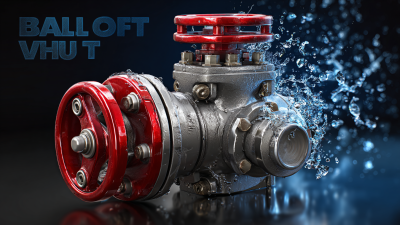
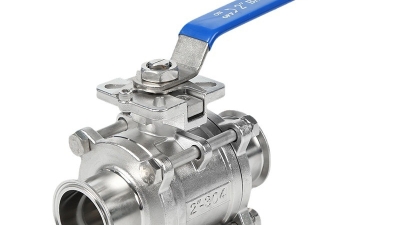
Enhancing Fluid Control: The Benefits of SS304 & 316 3-Piece Full Port Manual Stainless Steel Ball Valves in Industry Applications
In today's industrial landscape, the need for reliable fluid control solutions is more critical than ever. The use of SS304 and 316 3-piece full port manual stainless steel ball valves has proven to be a game-changer, particularly in sectors such as food and beverage processing, brewing, oil refining, cosmetics, pharmaceuticals, and chemicals. According to a recent market analysis, the stainless steel valve market is projected to grow at a compound annual growth rate (CAGR) of 5.2% over the next five years, driven by the increasing demand for robust and durable components in these industries.
The full port design of these valves ensures zero restriction to flow, making them an ideal choice for handling viscous and particulate liquids. This is backed by data from industry studies suggesting that equipment with unrestricted flow paths can reduce energy consumption by up to 15%, significantly lowering operational costs. Furthermore, the QF series valves are specifically engineered to maintain hygiene standards in food and beverage applications, complying with rigorous regulations to prevent contamination. This aspect is vital, considering that the global food safety testing market is expected to reach $25 billion by 2027, underlining the importance of utilizing high-quality, compliant equipment in production lines.
Moreover, the versatility of SS304 and 316 stainless steel enhances their application across various aggressive environments, contributing to longevity and reducing maintenance costs. These materials are known for their resistance to corrosion, making them ideal for the diverse chemical compositions encountered in industrial processes. As businesses focus on efficiency and reliability, the implementation of full port manual ball valves is set to become a fundamental component in optimizing fluid control systems.
FAQS
: Certification standards are vital because they ensure that the valves comply with established safety norms and reflect a commitment to functional safety.
The SIL certification for valve actuators ensures that the actuators in hydraulic systems maintain a high degree of safety and reliability, reducing the risks of equipment failure.
Digital proportional valves equipped with on-board electronics represent significant advancements in electrohydraulics, enhancing reliability and safety through rigorous certifications.
Supplier evaluation is crucial as it ensures that manufacturers select partners who meet technical specifications and regulatory requirements for hydraulic safety relief valves.
Suppliers should be evaluated based on their certifications, including ISO 9001 and other relevant industry-specific standards.
Manufacturers can utilize a detailed grading system based on supplier certifications, financial stability, and production capacity to guide their selection process.
Increasing industrial automation and safety regulations are driving the projected growth of the hydraulic valve market, expected to reach $18.7 billion by 2026.
According to a study by Deloitte, 59% of manufacturers view compliance and certification as a top factor in their supplier selection process.
A supplier's financial stability affects their ability to consistently deliver high-quality products, making it an essential criterion in the evaluation process.
Best practices should include a thorough assessment of certifications, financial stability, production capacity, and utilizing a grading system based on these criteria.