When it comes to hydraulic systems, keeping things safe and running smoothly is super important. The International Fluid Power Society has pointed out that if you pick the wrong parts, it can actually lead to up to a 30% jump in system failures and downtime — pretty scary, right?
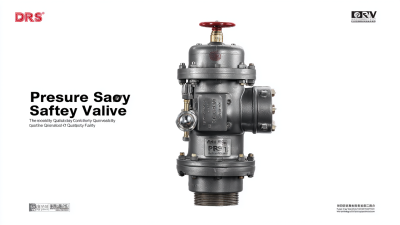
One key component you really don’t want to overlook is the Hydraulic Safety Relief Valve. It’s like the system’s safety net, preventing overpressure that could damage your equipment or even put operators in danger.
 At Wenzhou Lifei Stainless Steel Co., Ltd., we’ve been in the game for over 15 years, making fluid equipment and focusing on serving our customers’ needs. We understand that choosing the right Hydraulic Safety Relief Valve isn’t just a minor detail — it’s crucial for keeping your entire system working efficiently and safely.
In this blog, I’ll walk you through how to pick the right one, so your hydraulic setup stays safe, reliable, and helps you succeed in your work. Let’s get started!
Understanding the Importance of Hydraulic Safety Relief Valves in System Safety
Hydraulic safety relief valves are pretty much the unsung heroes when it comes to keeping hydraulic systems safe and running smoothly. They’re designed to kick in and stop pressure from getting out of control, which could otherwise cause serious failures or even accidents. Fun fact: recent studies suggest that up to 60% of hydraulic system failures are actually due to not having the right safety mechanisms in place. That really emphasizes why choosing the right relief valve is such a big deal. Upgrading to more advanced pressure-control features can make a huge difference—giving better control over those pressure swings that happen during normal operation.
On top of that, how these safety relief valves behave—especially in more complex, combined systems—really impacts how well they perform. Research shows that when relief valves work together properly, they’re way more effective at managing pressure, which boosts the overall reliability of the system. Also, when it comes to modeling and simulating blowdown behaviors, it’s super important to get precise calculations for the key parameters involved. That way, engineers can make sure pressure stays within safe limits during emergencies, lowering the risk of accidents. As industries keep adopting more sophisticated hydraulic setups, choosing the right safety relief valve isn’t just a good idea — it’s absolutely critical for safe operations. Basically, investing wisely in hydraulic safety pays off big time in keeping systems reliable and secure.
Key Factors to Consider When Choosing a Hydraulic Safety Relief Valve
When you're picking out the right hydraulic safety relief valve for your setup, it’s pretty important to get a good grasp of the key factors involved. One big thing to consider is the valve’s pressure rating. I came across a study by the American Society of Mechanical Engineers (ASME) that says nearly 40% of hydraulic system failures happen because of incorrect pressure settings. So, it really pays off to choose a valve that can handle a bit more than your system’s maximum—usually about 10-20% higher. Doing this can seriously cut down the chances of a nasty failure.
Another thing to keep in mind is whether the valve’s materials are compatible with the hydraulic fluid you’re using. The 2022 Fluid Power Journal pointed out that around 25% of hydraulic system issues happen because of using the wrong materials, which can lead to corrosion or leaks. It’s a good idea to check what kind of chemicals are in your fluid and pick a valve made from materials that can stand up to those conditions. And don’t forget about the valve’s response time! During pressure surges, you want something that reacts quickly. The International Fluid Power Society suggests going for valves that respond in less than half a second, especially if your system moves fast. Thinking about these factors will really help make your hydraulic setup much more reliable and safe.
Types of Hydraulic Safety Relief Valves and Their Applications
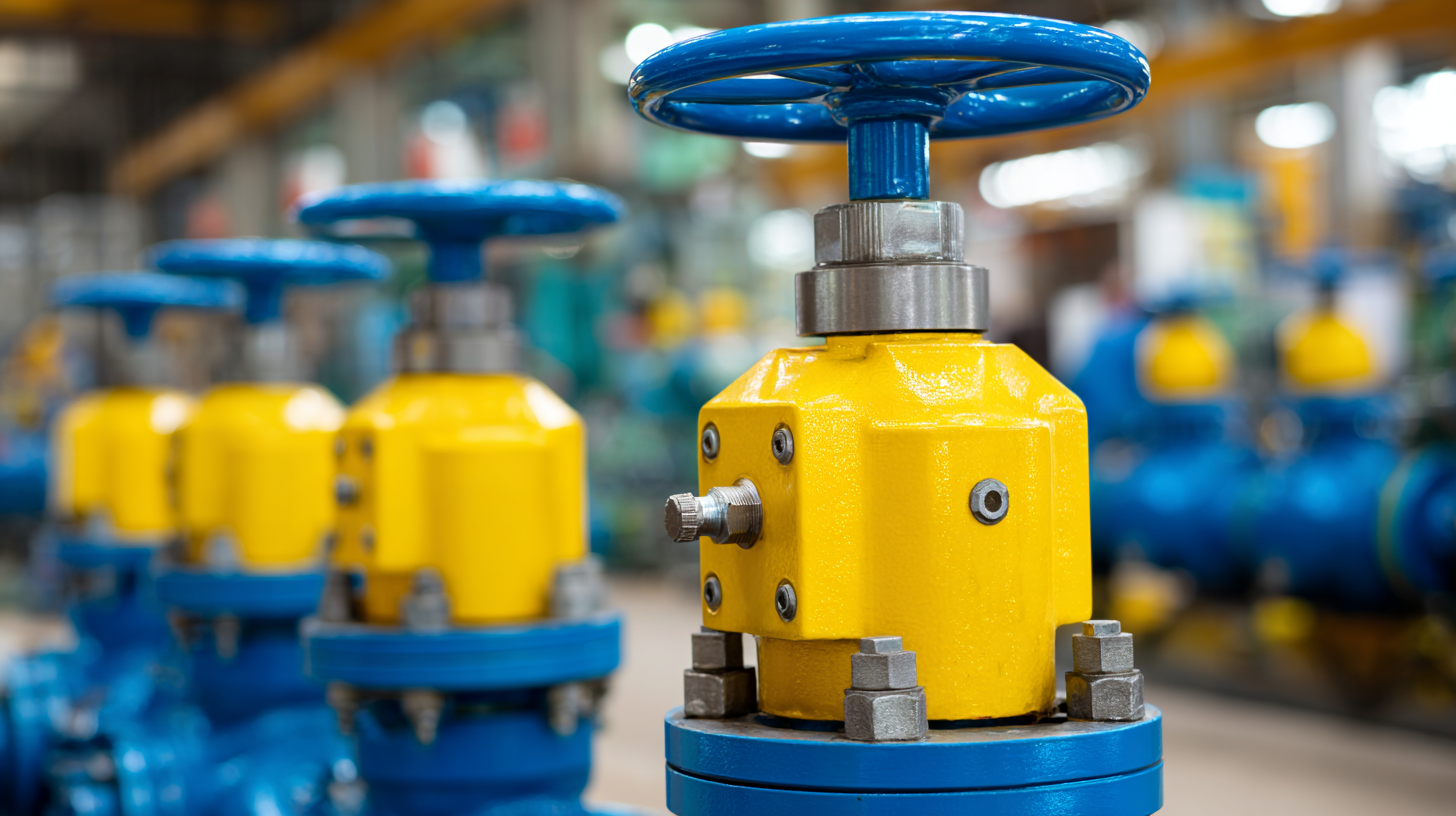
When you're choosing a hydraulic safety relief valve, it really helps to understand the different kinds out there and what they’re best suited for. Usually, you’ll come across a few main types, like direct-acting relief valves, pilot-operated relief valves, and combo valves.
The direct-acting ones are pretty straightforward—they're simple in design and perfect for systems with lower pressure. Plus, they respond quickly, which is a big plus. You’ll often see these in setups like hydraulic presses or smaller machines where
precise pressure control is a must.
Now, if you’re dealing with higher pressure systems,
pilot-operated relief valves are usually the way to go. They can handle bigger flow rates without losing performance and tend to be used in more complex hydraulic circuits—think big machinery or industrial equipment. These valves need a
pilot signal to work, which adds a bit of complexity but also makes them more versatile.
And then there are
combo valves—they basically combine a relief valve with other features, making them super adaptable. You’ll find these helpful in systems that need both
pressure relief and
flow control at the same time. So yeah, understanding these different types and what they’re good for is key to keeping your hydraulic system safe and running smoothly.
How to Calculate the Required Pressure Settings for Your System
When you're choosing the right hydraulic safety relief valve for your setup, it's pretty important to know how to figure out the right pressure settings. That first step is to find out what's the maximum pressure your hydraulic system will normally run at. This number sets the stage for everything else, but don’t forget to leave some wiggle room for pressure spikes that might happen during operation. A common tip is to set your relief valve about 10% above that maximum operating pressure—that way, you’ve got a safety buffer for those unexpected surges.
Then, you should also think about the type of hydraulic fluid you're using and how temperature swings might affect things. Different fluids behave differently—they might compress or expand more with temperature changes—which can throw off your pressure readings if you're not careful. So it's smart to include these factors when you’re doing your calculations. Lastly, don’t overlook the loads your system will face, both static and dynamic, during everyday use. Taking all these things into account isn’t just about protecting your system; it also helps it last longer. A properly set relief valve can stop pressure from getting too high, reducing the risk of major failures down the line.
Proper Installation and Maintenance Tips for Hydraulic Safety Relief Valves
Getting the installation and maintenance right for hydraulic safety relief valves really matters if you want your hydraulic system to run smoothly and safely. First off, make sure to place the relief valve somewhere easy to reach—trust me, you don’t want to be crawling into tight spots every time you need to tweak or check it out. Also, follow the manufacturer’s instructions about orientation—it's pretty important that the inlet and outlet are correctly aligned. Using the right kind of piping and fittings isn’t just about looks; it actually helps cut down on turbulence and wear, which can save you a headache in the long run. Don’t forget to check for leaks regularly, and keep the area around the valve free of debris—that way, it’ll last longer and perform better.
When it comes to maintenance, a little routine stuff can go a long way. It’s a good idea to inspect the valve periodically and make sure it opens and closes as it should under pressure. Testing the set pressure against what’s recommended by the manufacturer is also key—You want to be sure it’s working as intended. Using the right lubricants and cleaning agents can help prevent rust and buildup, which definitely prolongs the valve’s lifespan. And hey, keeping a record of all your maintenance work isn’t just boring paperwork; it can actually help you catch patterns or recurring problems early, which means fewer surprises and less downtime for your system.
How to Select the Right Hydraulic Safety Relief Valve for Your System
| Dimension |
Value |
| Set Pressure |
3000 PSI |
| Flow Rate |
10 GPM |
| Body Material |
Steel |
| Temperature Range |
-20°F to 350°F |
| Connection Size |
1/2 inch |
| Weight |
5 lbs |
| Compliance Standards |
ASME, API |
| Maintenance Frequency |
Every 6 months |
Common Mistakes to Avoid When Selecting Hydraulic Safety Relief Valves
When you're picking out hydraulic safety relief valves, it’s really important to steer clear of some common mistakes. Trust me, these slip-ups can make a big difference in keeping things safe and running smoothly. One thing I’ve seen happen a lot is folks underestimating how crucial it is to choose the right size for the valve. If it’s too small, it might not release enough pressure during an emergency, and that could lead to equipment damage or even an injury to someone operating the system. On the flip side, going with a valve that's too big can cause it to open too often or too early, which just leads to unnecessary downtime and messes with your efficiency.
Another mistake I often come across is ignoring the pressure and temperature ratings that your specific application needs. Every hydraulic system is a bit different, and if you don’t pick a valve that suits those particular conditions, it might fail or not work effectively. It's really important to look at the manufacturer’s specs, do some calculations based on max pressure, temperature, and the type of fluid you’re using. Basically, by avoiding these common pitfalls and making sure you select the right valve, you’ll keep your system safe and functioning like it’s supposed to—to put it simply, it’s all about the right fit.
Optimizing Sanitary Systems: The Advantages of Stainless Steel TC Clamp Pneumatic Control Diaphragm Valves
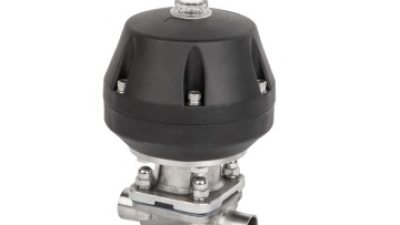
Optimizing sanitary systems is crucial in maintaining the highest standards of hygiene and efficiency, especially in industries like food and beverage production, dairy processing, brewing, and pharmaceuticals. One significant innovation in this field is the introduction of stainless steel TC clamp pneumatic control diaphragm valves, which offer several advantages over traditional valve systems. These specialized valves help ensure that processes remain free from contamination, thanks to their robust construction and seamless design.
The WJ series diaphragm valve, crafted with a durable cast body, stands out for its versatility and reliability in flow control applications. According to a recent market analysis, the demand for sanitary valve systems in the food and beverage sector is projected to grow at a compound annual growth rate (CAGR) of over 5.7% through 2025. This growth emphasizes the need for efficient valve solutions that can perform both open and close operations without compromising safety or hygiene. The stainless steel construction not only enhances durability but also simplifies maintenance, which is essential for industries that must adhere to strict regulatory standards.
Furthermore, the integration of pneumatic control in these diaphragm valves allows for precise flow management, resulting in improved operational efficiency. Industry reports indicate that implementing automated valve systems can reduce manual intervention by up to 40%, leading to lower labor costs and decreased risk of human error in critical processes. With features designed to optimize performance and ensure compliance with sanitary regulations, the stainless steel TC clamp pneumatic control diaphragm valves are an essential component for modern sanitary systems.
FAQS
: The most common types include direct-acting relief valves, pilot-operated relief valves, and combination valves.
Direct-acting relief valves are ideal for low-pressure systems where precise pressure regulation is required, such as in hydraulic presses or small machinery.
Pilot-operated relief valves are suited for higher pressure systems and can handle larger flow rates, often used in complex hydraulic circuits like heavy machinery and industrial equipment.
Combination valves integrate a relief valve with other functionalities, providing versatility and are widely used in dynamic systems requiring both relief and flow control.
To calculate the required pressure settings, determine the maximum operating pressure of your system and set the relief valve at 10% above that pressure to provide a safety margin.
Consider the hydraulic fluid properties, temperature variations, as well as any static and dynamic loads that the system may experience.
Proper installation is crucial for ensuring that the valve is easily accessible for adjustments and maintenance, and to maintain correct alignment of the inlet and outlet.
Periodic inspections, testing the valve’s set pressure, and using appropriate lubricants and cleaning agents are recommended to ensure functionality and to prevent corrosion.
Regularly check for leaks, ensure the valve is free from debris, keep a detailed maintenance record, and perform timely interventions to minimize unexpected failures.
A common rule of thumb is to set the relief valve at 10% above the maximum operating pressure of the hydraulic system.
Conclusion
Picking the right Hydraulic Safety Relief Valve isn’t just a technical detail – it’s actually pretty crucial if you want your hydraulic systems to run smoothly and safely. These valves are essentially the first line of defense, protecting your equipment from dangerous pressure spikes that could cause failures or even accidents. When you’re selecting a valve, it’s important to think about things like the pressure settings, the type of valve you need, and how it fits into your specific system. And don’t forget, installing it properly and doing regular check-ups really make a difference—kind of like giving your system a health boost, which can help it last longer and perform better.
At Wenzhou Lifei Stainless Steel Co., Ltd., we totally get how vital Hydraulic Safety Relief Valves are when it comes to keeping fluid systems safe. With over 15 years of hands-on experience in manufacturing fluid equipment and a real focus on customer satisfaction, we’re here to offer solutions that prioritize safety and peace of mind. Avoiding the common pitfalls when choosing these valves can seriously help you get the most out of your system—making it safer and more efficient overall.