In the competitive world of food and beverage, making your processes more efficient can really make all the difference. That's where Mixproof Valves come into play — they’ve basically become a game-changer, helping manufacturers keep things running smoothly without compromising on product quality. I recently came across a report from MarketsandMarkets, and it predicts that the global market for Mixproof Valves is set to grow a lot. This trend makes sense — with everyone pushing for safer, more hygienic ways to process food and drinks, plus a stronger focus on preventing contamination, these valves are getting more popular. Here at Wenzhou Lifei Stainless Steel Co., Ltd., we’ve been in the fluid equipment business for over 15 years. We’re really passionate about coming up with innovative solutions that fit what the industry needs now. Our goal is always to keep our customers happy and successful. As the trend toward adopting new tech like Mixproof Valves continues, we’re here to help our clients fine-tune their production lines, all while sticking to the highest safety and quality standards.
Understanding Mixproof Valves: Fundamentals and Benefits
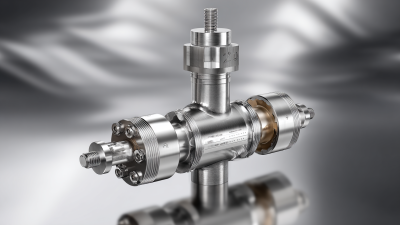
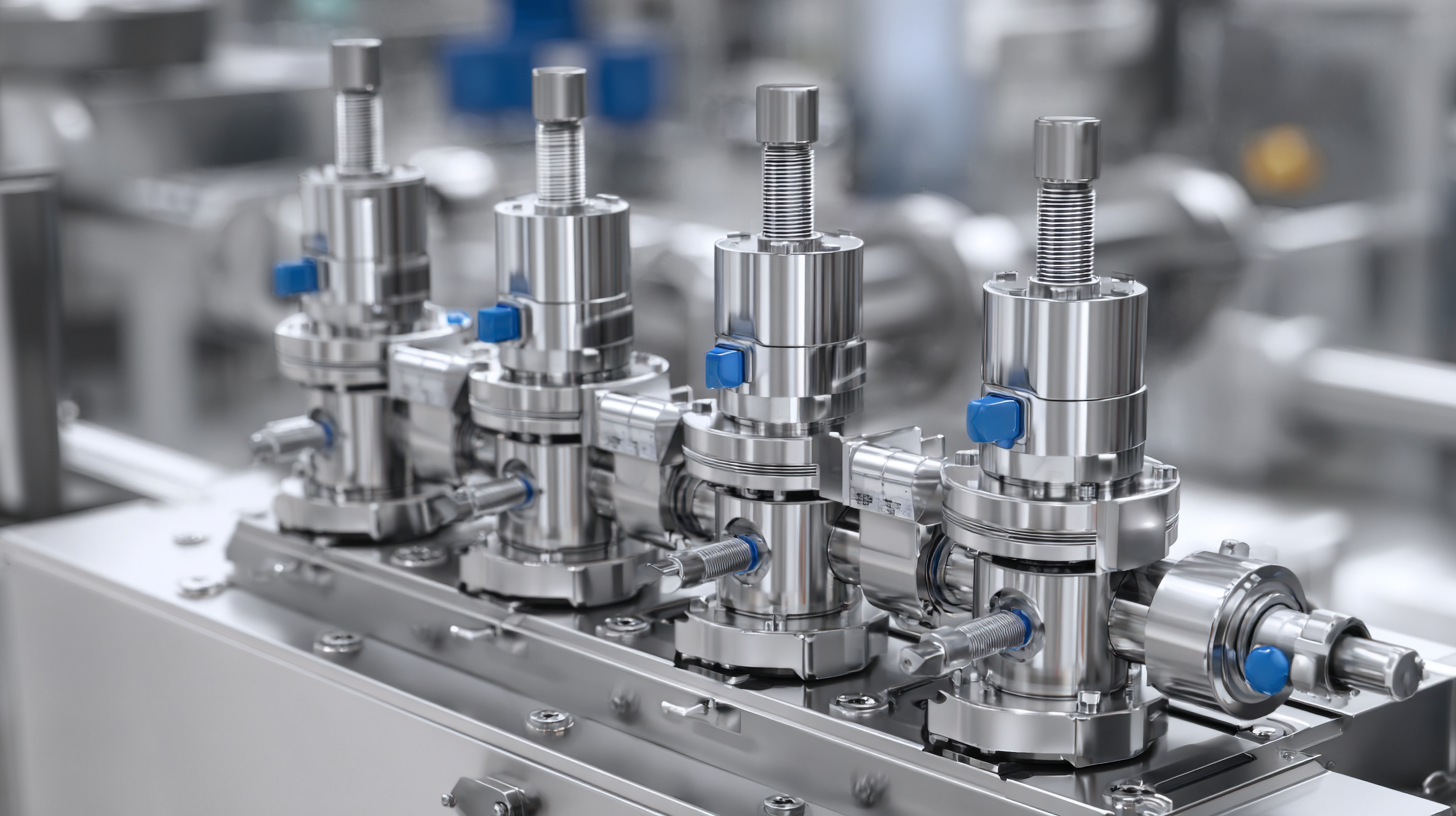
Mixproof valves are a pretty vital part of the food and beverage industry—they help keep things clean and safe by preventing any unwanted contamination during production. Basically, they let multiple fluids flow through separate pathways at the same time, without mixing together, so the product stays pure and safe to consume. The magic behind these valves is in their clever design—think double-seated setups and solid seals—that not only improve how well they work but also make sure they’re up to strict hygiene standards. This is especially important in industries where even a tiny cross-contamination can ruin flavors, cause big losses, or upset customers.
Here at Wenzhou Lifei Stainless Steel Co., Ltd., we really focus on what our clients need. That’s why we provide top-notch fluid equipment, including mixproof valves. With over 15 years of experience in manufacturing and 13 years in exporting, we totally get how crucial product integrity is in food and beverage processing. Our mixproof valves are built not just to meet industry standards but also to be durable and dependable, so our clients can count on them to keep things running smoothly. Customer satisfaction is at the heart of what we do, and we’re committed to helping businesses boost their efficiency while maintaining the highest quality standards for their products.
Different Types of Mixproof Valves for Food and Beverage Applications
Mixproof valves are pretty vital in the food and beverage world — they help keep products pure while making things run smoothly. Basically, they let different liquids flow through the same equipment at the same time without worrying about cross-contamination. That's a big deal, especially where strict hygiene rules are a must. Lately, industry reports are pointing out that the global demand for these valves is set to shoot up, mainly because everyone’s focus is more than ever on food safety and quality.
You'll find there are various kinds of mixproof valves, each suited for different jobs. For example, some, like the Unique Mixproof valves, are designed to work seamlessly with clean-in-place (CIP) systems. This means better sanitation and less downtime — which is a win. Plus, the latest designs are pretty impressive — they make operations more efficient and cut down on costs in the long run. Take the new tank outlet valves, for instance — they not only save money but also reduce the time it takes to switch things over, helping manufacturers keep up with the growing demand for hygienic processing. All in all, investing in mixproof valves is a no-brainer for companies wanting to boost efficiency while sticking to ever-tougher food safety rules.
Comparative Analysis: Mixproof Valves vs. Traditional Valve Solutions
When you're dealing with food and beverage production, making sure everything runs smoothly—without sacrificing quality—is a huge deal. That’s where mixproof valves really come into play. They’re a game-changer compared to the old-school valves, letting you handle different media at the same time without risking any cross-contamination. It’s pretty impressive how much they can boost your production speed and flexibility. Plus, their smart design helps cut down on downtime and maintenance headaches, so your operation stays efficient and less buggy.
Now, if you're trying to decide between mixproof valves and traditional ones, it’s a good idea to think about what your facility actually needs. Mixproof valves tend to provide better hygiene standards, which is super important for sticking to food safety rules. On the flip side, traditional valves might seem cheaper upfront, but they often don’t match the performance or safety level—meaning there’s a higher risk of contamination, which could mess with your product quality.
**Some tips if you’re thinking about going with mixproof valves:**
- Take a good look at your current piping setup to see if it can handle the new valves.
- Do a quick cost-benefit check—long-term savings on less downtime and fewer repairs can make a big difference.
- Make sure your team gets proper training on how to operate and maintain the valves so you get the most out of them.
All in all, it’s about finding what works best for your specific situation and setting your operation up for success.
Unleashing the Power of Mixproof Valves vs. Traditional Valve Solutions
This chart represents a comparative analysis of the efficiency and benefits of Mixproof Valves versus Traditional Valve Solutions in the food and beverage industries. The metrics measured include efficiency in preventing contamination, ease of maintenance, and cost-effectiveness over a one-year period.
Efficiency Gains: How Mixproof Valves Reduce Downtime in Processing
You know, in the food and beverage world, everyone’s always on the lookout for new ways to boost efficiency and cut down on downtime. One game-changer lately has been mixproof valves—these nifty little gadgets are all about keeping processes hygienic and running smoothly. Recent reports show that using these valves can slash sanitation downtime by up to half! That means factories get to produce more, faster, and without sacrificing safety or cleanliness.
The new line of streamlined mixproof valves is pretty impressive—they’re built to meet the rising need for
fast, reliable processing solutions. These double-seat valves let you handle different media at the same time, which helps
prevent cross-contamination—super important, especially in stuff like dairy where hygiene is a must. Basically, they help bump up production and cut down on those pesky cleaning cycles, saving time and money. For companies trying to keep prices competitive and stay sustainable, that’s a huge plus.
Picking the right valves isn’t just a small detail—it can make a big difference.
Experts say that choosing the right, optimized system can boost productivity and cut operational costs by up to 20%. By bringing these advanced mixproof valves into the mix, manufacturers can make their processes smoother, quicker, and more responsive to the ever-changing demands of the industry.
Regulatory Compliance and Mixproof Valve Selection Criteria
When it comes to the food and beverage industry, choosing the right mixproof valves isn't just about ticking boxes—it's pretty much a big deal. These valves are key players in keeping things hygienic and ensuring the product stays just right, but they also have to meet strict industry standards. Manufacturers really need to pick valves that not only keep everyone safe but also work smoothly without causing costly downtime. Looking into factors like what materials are used, how easy it is to clean, and whether they can effectively prevent cross-contamination should be at the top of the list.
On top of that, recent tech advances have really shaken things up in how companies manage costs. Swapping in newer aseptic valves can make a big difference—they're built to perform well while needing less maintenance, which in turn keeps operational costs down over time. Moving toward high-efficiency mixproof valves isn't just about saving money; it also boosts process efficiency and helps companies stay compliant with the constantly changing regulations. All in all, it's a win for both sustainability and profitability in the food and beverage world.
Unleashing the Power of Mixproof Valves for Enhanced Process Efficiency in Food and Beverage Industries - Regulatory Compliance and Mixproof Valve Selection Criteria
| Selection Criteria |
Description |
Regulatory Compliance |
Key Benefits |
| Material Compatibility |
Ensure valve materials are compatible with food and beverage products. |
FDA and USDA compliance required. |
Prevents contamination and ensures safety. |
| Seal Integrity |
Evaluate the effectiveness of seals for preventing leaks. |
Must meet sanitation standards. |
Minimizes product loss and maintains quality. |
| Temperature Resistance |
Assess the operational temperature range of valves. |
Conformity to thermal standards is essential. |
Ensures process reliability under varying conditions. |
| Pressure Rating |
Determine the maximum operating pressure for the valves. |
Compliance with pressure vessel regulations is required. |
Enhances system safety and performance. |
| Ease of Cleaning |
Valves should be easy to disassemble and clean. |
Must meet hygiene protocols. |
Reduces downtime and improves efficiency. |
Future Trends: Innovations in Mixproof Technology for the Industry
The food and beverage world is really going through a big shift right now, thanks to these new
mixproof valve technologies. They're pretty cool because they help prevent cross-contamination between different products,
but at the same time, they make the whole process much more efficient. Looking ahead, I honestly think
smart technology will totally change how these valves work—imagine
real-time data right at your fingertips about product flow
and quality. It’s all about making things safer and running smoother.
And you know what’s really exciting? Sustainability is becoming
a huge part of the conversation. Upcoming mixproof valves will probably be made from greener materials and designed
to use less energy, which is awesome considering how much the industry’s focusing on cutting waste and
being more eco-friendly. Plus, automation is going to be a
game-changer — automated systems mean smoother operations, less need for manual labor, and, honestly, a
boost in overall productivity. As all these innovations roll out, it looks like the food and beverage
industry will be able to crank up efficiency while also doing a better job at taking care of the environment.
FAQS
: Mixproof valves are designed to allow the simultaneous processing of different fluids without the risk of cross-contamination. They are important for ensuring product purity and maximizing operational efficiency, particularly in environments that require strict hygiene standards.
Mixproof valves can reduce sanitation downtime by up to 50%, maximizing production time without compromising safety or hygiene. Their design enables simultaneous handling of different media flows, which prevents cross-contamination and decreases the need for intermediate cleaning cycles.
Various types of mixproof valves are available, including Unique Mixproof valves for clean-in-place (CIP) processes and innovative double-seat valves that enhance operational efficiency while ensuring compliance with food safety regulations.
By integrating advanced mixproof valves, manufacturers can optimize their systems to save up to 20% in operational costs through improved productivity and reduced downtime, leading to enhanced profitability.
Manufacturers should prioritize factors such as material compatibility, ease of cleaning, ability to prevent cross-contamination, and compliance with safety regulations to ensure efficient and safe operations.
Recent advancements have led to the development of aseptic valves that reduce total cost of ownership while minimizing maintenance needs, thus supporting compliance with evolving regulations and improving overall operational efficiency.
By preventing cross-contamination during the simultaneous processing of different fluids, mixproof valves help ensure that the integrity of the product is maintained throughout the production process.
Regulatory compliance is crucial because meeting stringent industry standards is essential for maintaining hygiene, preventing costly downtimes, and ensuring the safety of food and beverage products.
Mixproof valves enhance process efficiency and contribute to significant cost savings, ultimately supporting more sustainable and profitable operations in the food and beverage industry by reducing waste and improving resource management.
By enhancing operational efficiency and compliance with health regulations, mixproof valves enable manufacturers to better respond to market demands, thereby strengthening their competitiveness in the industry.
Conclusion
Mixproof valves are really changing the game in the food and beverage world. They’re helping to make processes more efficient and keeping things safe when it comes to handling fluids. If you dig into how these valves work, you'll see they have a pretty clever design that allows different liquids or gases to flow through the same valve at the same time — without the risk of mixing or cross-contamination. That’s a huge deal for keeping products pure and meeting all those strict regulations. In this blog, we’ll take a look at different types of mixproof valves, each suited for specific applications, and compare them to the old-school valve options. Trust me, the improvements in efficiency are pretty noticeable.
Plus, these valves really cut down on downtime during production, making everything run smoother overall. As tech keeps advancing, the future of mixproof valves looks bright — there are some exciting innovations on the horizon that will push their performance even further. At Wenzhou Lifei Stainless Steel Co., Ltd., we’ve got over 15 years of experience building fluid handling equipment. We’re committed to providing solutions that not only help our customers work more efficiently but also give them that competitive edge in the market. It’s all about working smarter, not harder, right?