In today’s super competitive industrial world, boosting efficiency is more important than ever. One key piece of the puzzle? Divert valves. If you’ve been keeping an eye on industry trends, you’ve probably seen reports—like the latest one from MarketsandMarkets—that say the global market for industrial valves will hit around $85.3 billion by 2025.
 And guess what? Divert valves are pretty much central to making processes run smoother and managing resources better. At Wenzhou Lifei Stainless Steel Co., Ltd., we’ve been in the fluid equipment game for over 15 years, and we’ve spent the last 13 focusing on exports. We’re all about pushing tech forward to meet what our customers really need. By leveraging the innovative uses of Divert Valves, businesses can simplify their operations, cut down on waste, and get more done overall. As we look into how versatile and effective these valves are across different industrial setups, our goal is to show just how vital they are for helping our clients succeed and stay satisfied in such a fast-changing market.
Identifying Key Industrial Processes That Benefit from Divert Valves
Divert valves are pretty crucial when it comes to making industrial processes more efficient. Basically, their main job is to direct flow from one input to multiple outputs—which sounds straightforward, but it’s actually super valuable, especially when you need a bit of flexibility and precision. You'll find these valves in all kinds of industries—think chemical plants, water treatment facilities, and oil and gas production. For example, in chemical processing, divert valves help to split up reactants and send them to different reactors. This way, they help maximize output and boost overall yields, which is pretty awesome when you're trying to get the most out of your production line.
On another note, the industrial valve market is booming—it's expected to hit around $121.67 billion by 2024. That just goes to show how important advanced valve tech, like divert valves, has become in industrial settings. Plus, standards like the ISA-96 series make sure these valves are reliable and perform well, especially in complex automation setups. And with new features like vibration analysis for flow control, these valves are getting smarter and more efficient all the time. All in all, these innovations are paving the way for safer, more efficient industrial operations—pretty impressive, right?
Understanding the Mechanisms of Divert Valves for Enhanced Performance
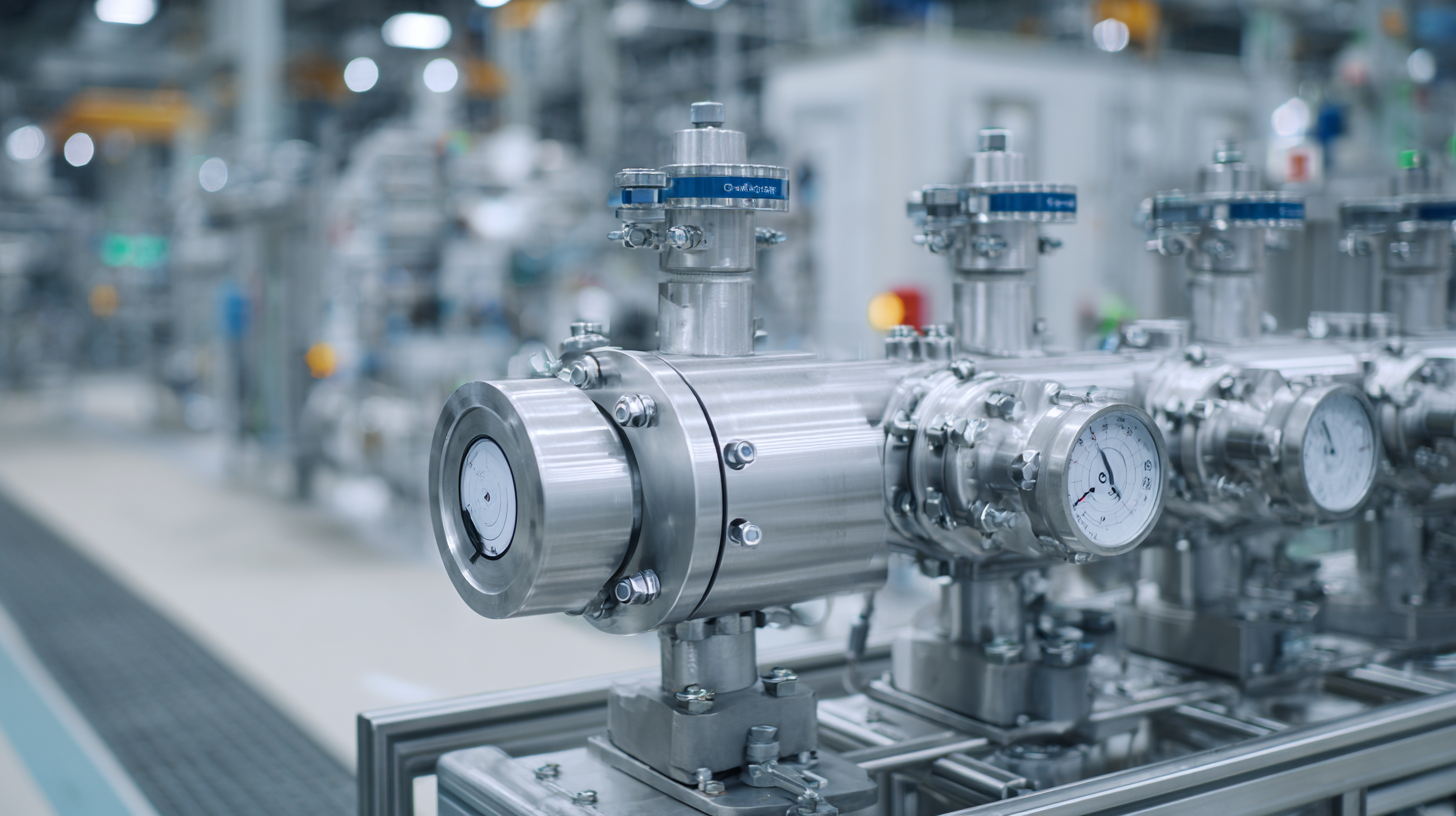
Divert valves are pretty key when it comes to making industrial processes run smoother. They control how fluids flow and can send them down different paths — kind of like directing traffic. Knowing how these valves work is super important if you want to get the most out of your system. Basically, a divert valve’s main job is to manage where the flow goes, giving you that much-needed flexibility in your operations. When you control things precisely, you end up wasting less, using energy more efficiently, and keeping the process steady as a rock.
A tip? When you're picking out a divert valve, think about things like what kind of fluid you'll be dealing with, the pressure you need to handle, and what the valve's made of—so it lasts longer. Also, don’t forget regular check-ups and maintenance. Staying on top of things can keep your valves working perfectly, which means less hassle and fewer stoppages.
Oh, and technology's advancing fast. Today, there are smart divert valves that can monitor themselves in real-time and even give you feedback. This means your systems are less likely to break down unexpectedly, and you can even set up maintenance before things go wrong—so you’re always one step ahead. Investing in this kind of tech can really give your business a boost, making everything more productive and saving you some cash in the long run.
And here's a pro tip: Training your team on how to properly use and maintain these valves is a game-changer. It can speed up operations, cut down on mistakes, especially when switching flows around, and just generally make everything run more smoothly.
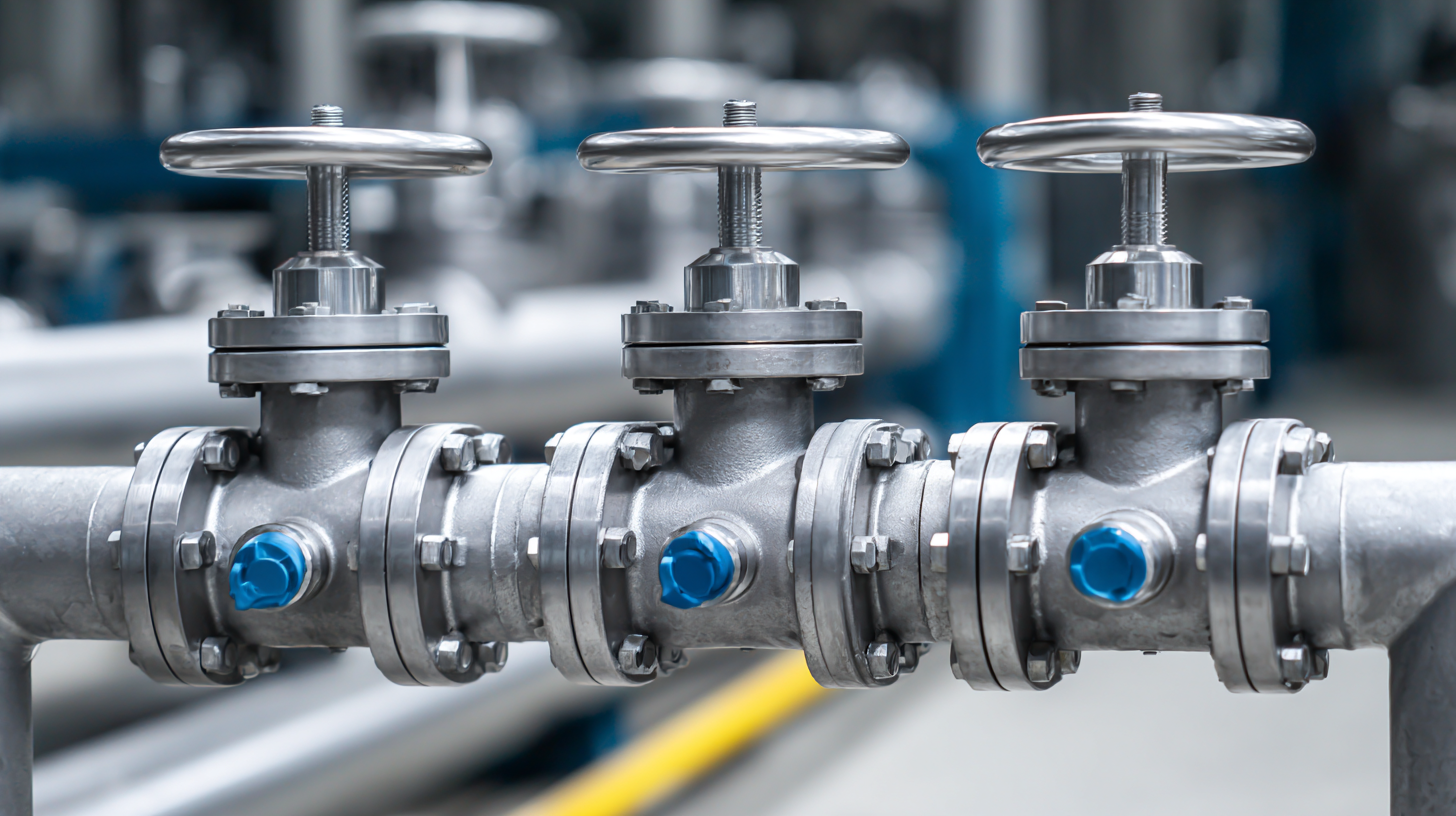
Implementing Smart Controls for Optimized Divert Valve Operations
You know, bringing smart controls into divert valve operations is really changing the game in industrial processes. It’s all about making things more
efficient and precise. When companies plug
in things like IoT and AI, operators can pretty much keep an
eye on and tweak valve settings from anywhere, in real time. It’s like having a control room right at your fingertips! This clever approach doesn’t just cut
down on downtime—it also makes the whole system way more reliable.
Oh, and a good tip—start by taking a close look at your current valve setup. Figuring out where smart controls could fit in best is key to getting the most
out of this tech.
Plus, smart controls are a real game-changer for maintenance, too. They can predict issues before anything seriously goes wrong, thanks to data analysis.
So, if there’s a potential problem, the system can warn you beforehand. That means you can fix things early and avoid costly repairs or safety hiccups.
It’s a smart way to stay ahead of the game.
And don’t forget—keeping your team trained on these new systems really helps. The more they understand the latest tech, the better they can handle challenges
and keep operations smooth sailing.
Case Studies: Successful Integration of Divert Valves in Manufacturing
Divert valves really play an important role in making industrial processes run more smoothly by controlling the flow of materials more effectively. I came across a pretty interesting case study where a big automotive company used these valves to speed up their assembly lines. Basically, by rerouting materials on the fly, depending on what was needed at the moment, they managed to cut down their downtime by about 15%. According to a report from the International Journal of Advanced Manufacturing Technology, deploying systems like these can boost efficiency by up to 25%, which is a pretty significant jump in overall productivity.
Then, there’s also a story from the food processing industry that really shows how useful divert valves can be when it comes to waste reduction. One top food plant started using these valves to handle different product flows—without having to rip apart their piping setup or anything. This little tweak led to about 20% less raw material waste, which is a big deal. A recent report from the Food Processing Industry also pointed out that smart flow management can cut operational costs and speed things up in response times. As industries keep looking for smarter ways to work, it’s pretty clear that integrating divert valves could be a key move towards becoming more efficient and eco-friendly in manufacturing.
Overall, these examples just go to show how versatile and valuable divert valves can be in different sectors, helping companies become more efficient while also saving money and reducing waste.
Maximizing Efficiency: Innovative Applications of Divert Valves in Industrial Processes
| Application Area |
Efficiency Improvement (%) |
Key Benefits |
Integration Complexity |
| Chemical Processing |
20% |
Reduced Waste, Improved Flow Control |
Moderate |
| Food & Beverage |
15% |
Enhanced Product Quality, Lower Downtime |
Low |
| Oil & Gas |
25% |
Increased Safety, Cost Reduction |
High |
| Pharmaceutical |
30% |
Compliance, Increased Throughput |
Moderate |
| Water Treatment |
18% |
Improved Efficiency, Environmental Benefits |
Low |
Best Practices for Maintenance and Troubleshooting of Divert Valves
Taking good care of and troubleshooting divert valves isn’t just routine—it's actually a pretty big deal when it comes to keeping industrial processes running smoothly. I came across a report from the International Journal of Engineering Research and Technology, which says that sticking to a regular maintenance schedule for these valves can boost system reliability by as much as 30%. That’s a pretty significant boost! You see, divert valves, those that reroute the flow in piping setups, often fly under the radar but are actually the unsung heroes behind the scenes—making sure everything keeps flowing without a hitch and cutting down on unexpected downtime. Setting up a solid maintenance plan, including regular checks, can really help catch problems early on and make these components last longer.
On the troubleshooting side of things, issues like leaks, sticking parts, or flow going the wrong way are pretty common. The American Society of Mechanical Engineers (ASME) points out that about 20% of unplanned outages in industrial plants happen because of valve failures. Using diagnostic tools and monitoring performance can really help spot issues before they turn into big problems. Also, keeping valves clean and making sure the seals and gaskets are compatible with the materials being used can drastically cut down on future issues. As industries push harder to be more efficient, really nailing the maintenance and troubleshooting of divert valves is going to be crucial for keeping things running smoothly and sustainably.
Future Trends and Innovations in Divert Valve Technologies for Industries
You know, the industrial scene is really changing thanks to those cool new divert valve technologies that are making everything run smoother and more efficiently. I came across a report from MarketsandMarkets, and it said that the global valve market could hit around $100 billion by 2025 — pretty wild, right? Divert valves are a big part of that growth, getting more and more integrated into automation systems. This means businesses can control their processes with much greater precision and have more flexibility on the fly. Honestly, I think this trend is only going to pick up as industries look for ways to work smarter, cut down on waste, and optimize their workflows.
Looking ahead, the future of divert valve tech is all about smarter features. Imagine valves with IoT sensors and analytical tools that give real-time data — they can adjust automatically and help avoid downtime, saving a ton on maintenance costs. There’s actually a study from Allied Market Research saying that the smart valve segment is expected to grow at a crazy 20% CAGR between 2021 and 2028. That really shows how much folks want systems that make industrial operations more seamless.
**Tip:** If you're thinking about getting into divert valves, it’s a good idea to invest in systems that support predictive maintenance through data analytics. Getting ahead of potential problems before they even happen can seriously keep things running smoothly.
**Tip:** When choosing divert valves, look for options that can be customized to fit your specific process needs. That way, you’ll get better compatibility with your existing systems and boost overall efficiency.
Maximizing Efficiency with Divert Valves
This chart illustrates the percentage of industrial processes utilizing innovative divert valve technologies across various sectors in 2023.
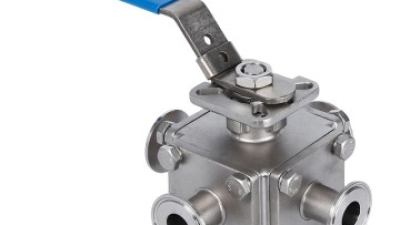
Maximizing Efficiency and Reliability with Sanitary Stainless Steel Clamped Three-Way Zero Leakage Ball Valves
In the realm of industrial applications, efficiency and reliability are paramount, especially when dealing with high-volume, high-pressure, and high-temperature flows. The use of sanitary stainless steel clamped three-way zero leakage ball valves has emerged as a leading solution for maintaining these critical parameters. These valves are designed to provide a tight shut-off, ensuring that the fluids remain contained without any risk of leakage, thus enhancing process integrity and safety.
The manual operation of these three-way stainless steel ball valves offers superior ease of use, making them an ideal choice for operators who require precise control over flow direction in their systems. With rugged construction tailored for durability, these valves not only promise a long service life but also come at a comparably low cost, making them a cost-effective investment for many industries. As businesses seek to optimize their operations, integrating durable and efficient components such as these sanitary ball valves is a strategic move towards enhancing overall productivity while minimizing potential downtimes related to valve failures.
FAQS
: Smart controls involve the integration of advanced technologies like IoT and AI to monitor and adjust valve settings in real-time, enhancing efficiency and precision in industrial processes.
They minimize downtime, enhance system reliability, and allow for predictive maintenance, reducing the risk of unexpected failures and improving overall operational safety.
It is important to conduct a comprehensive assessment of existing valve systems to identify areas where smart controls can be effectively integrated for maximum benefits.
A case study on an automotive manufacturer showed a 15% reduction in production downtime by incorporating divert valves for rerouting materials based on real-time needs.
A leading food processing plant achieved a 20% decrease in raw material waste by using divert valves, which improved flow handling without extensive piping changes.
Regular maintenance can improve system reliability by up to 30% and prevent unexpected failures, ensuring seamless operation and minimizing downtime.
Common issues include leakage, sticking, and improper flow direction, all of which can lead to significant unplanned downtime if not addressed.
Regular training for personnel on the latest control technologies can improve the effectiveness of smart systems and prepare the team to handle challenges.
Utilizing diagnostic tools and performance metrics can help identify problems early, thereby reducing the risk of valve malfunctions.
Implementing a structured maintenance plan, conducting regular inspections, and maintaining cleanliness are essential best practices for prolonging the life of divert valves.
Conclusion
You know, divert valves are pretty essential when it comes to making industrial processes run smoother and more efficiently. They basically help control the flow of fluids and materials, which can make a huge difference. In this article, I’ll walk you through some of the key applications where these valves really shine, especially how their mechanisms boost performance. We also take a look at how smart control systems are stepping in to fine-tune these valves — making sure they work just right for the best results.
To give you a better idea, we’ve included some real-world case studies showing how divert valves are successfully used in manufacturing setups. Plus, we share tips on keeping these valves in top shape and troubleshooting when things go wrong. Looking ahead, there’s some exciting stuff on the horizon — new trends and innovations in divert valve tech. Companies like Wenzhou Lifei Stainless Steel Co., Ltd. are really paying attention to what customers need and are quick to adapt, all to keep their clients happy and ensure smooth operations in the fluid equipment world.