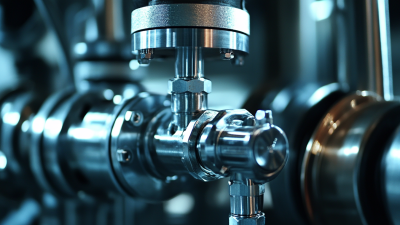
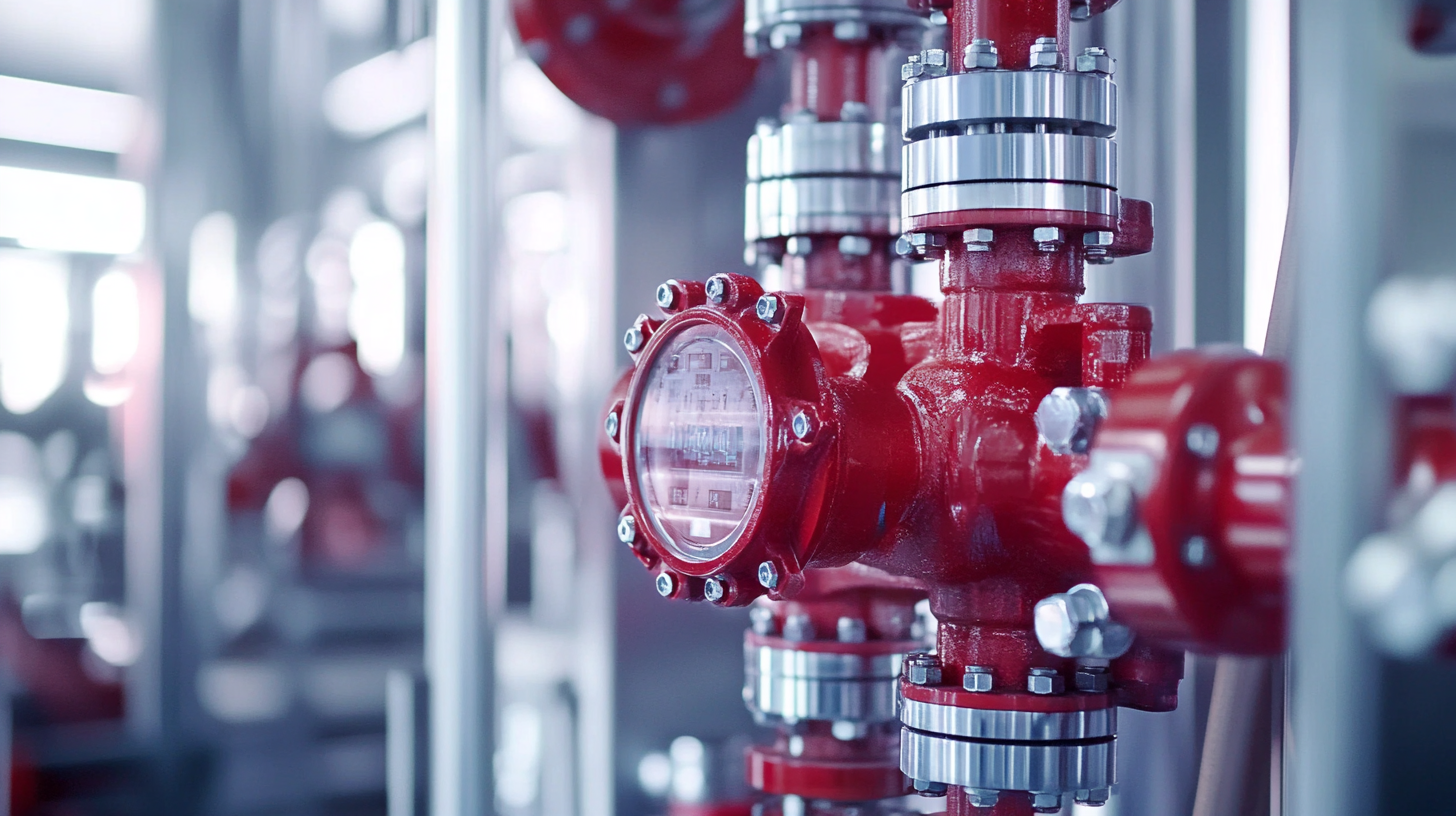
You know, in today’s tough industrial world, managing hydraulic systems really is a big deal—especially if you want your equipment to run smoothly and safely. One of the key players in all this is the Hydraulic Safety Relief Valve. This little guy is super important for keeping hydraulic systems safe from nasty overpressure situations. Now, I’ve read some industry reports that say if these valves aren’t properly maintained, it can lead to some serious headaches, like costly downtime and even major safety risks. And get this—some companies could face fines of up to a million dollars a year for not keeping up with safety regulations.
At Wenzhou Lifei Stainless Steel Co., Ltd., we’ve been in the fluid equipment game for over 15 years, and we really get how vital good after-sales service and repair knowledge are. We focus hard on what our customers need and work to make sure their Hydraulic Safety Relief Valves last longer. By doing this, we help our clients save money while boosting their performance, so they can really thrive in their operations.
Alright, let’s chat about hydraulic safety relief valves. You know, understanding the industry production standards is super important if you want to make sure everything’s running smoothly and safely. These valves are key players in hydraulic systems; they work hard to prevent overpressure by letting out any excess fluid. When you stick to the set standards, you not only get reliability but also help your equipment last longer, which we all want! We’re talking about standards from big names like the American Society of Mechanical Engineers (ASME) and the International Organization for Standardization (ISO). They lay down some pretty strict guidelines for manufacturers—things like quality of materials, design specs, and testing protocols.
One tip? Keep an eye on those hydraulic safety relief valves! Regularly inspecting and maintaining them is a must if you want to live by those standards. Establish a routine check to look for any wear and tear, and don’t hesitate to replace parts that just aren’t cut out for safety.
On top of that, staying in the loop about the latest updates in production standards can really help businesses stay competitive and save some cash. Manufacturers are always tweaking their processes and materials to create valves that are not just efficient but also easy on the wallet. Investing in top-notch maintenance and repair can really keep your hydraulic systems humming along smoothly.
And here’s another tip: think about getting a solid after-sales service program. It’s a smart move that’ll not only prolong the life of your hydraulic safety relief valves but also cut down on those surprise downtimes and repair bills down the road.
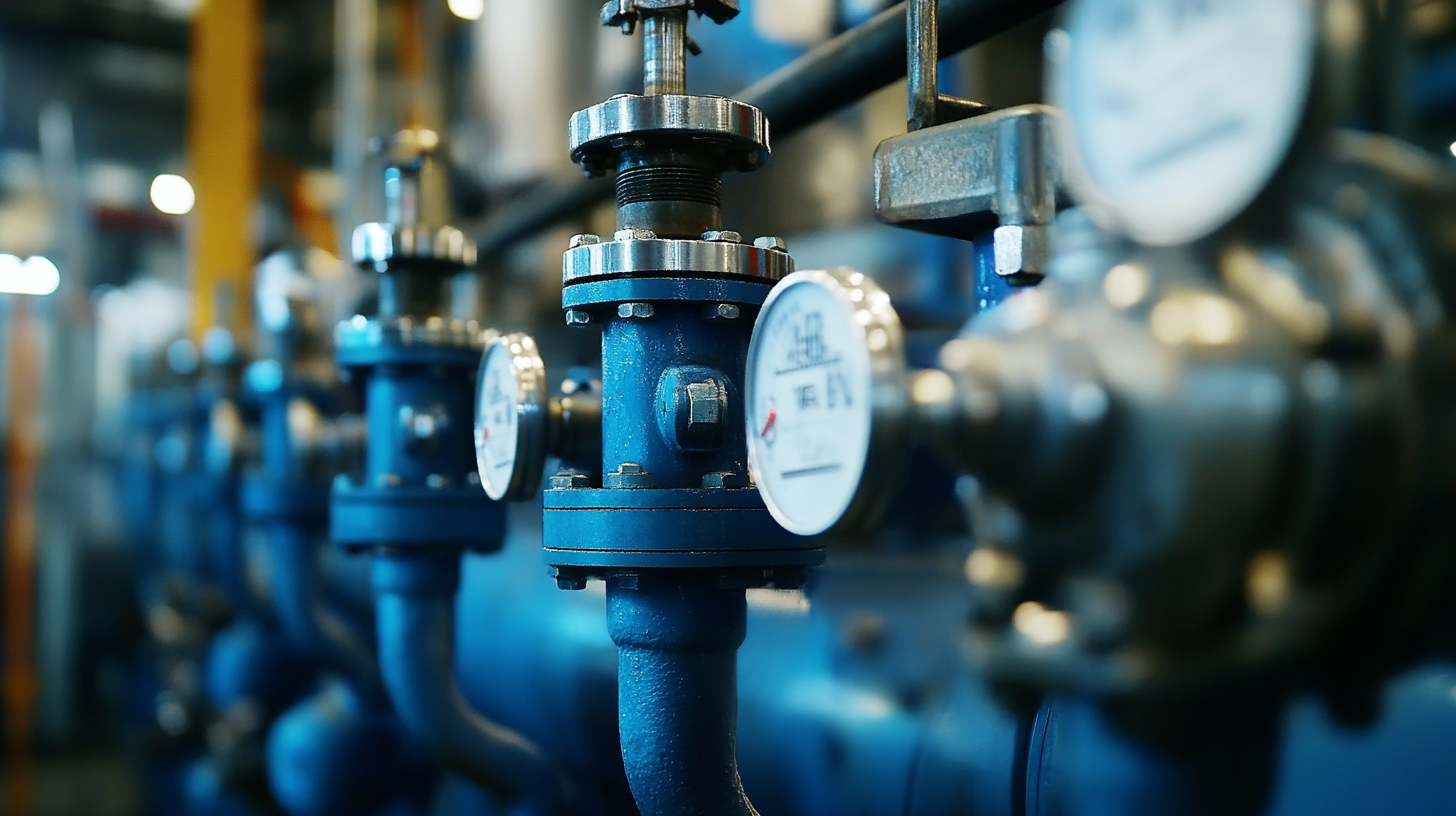
When it comes to hydraulic systems, safety relief valves really play a crucial role in making sure everything runs smoothly and efficiently. I mean, the way these valves are repaired can really impact how long your equipment lasts and how much money you’ll end up spending. There are a few key things that come into play here: the quality of the parts used during repairs, how skilled the technicians are, and just how fast the service can be done. If you focus on using high-quality components, not only do you get better reliability, but you also reduce the number of repairs needed, which can lead to some serious savings in the long run.
At Wenzhou Lifei Stainless Steel Co., Ltd., we totally get that meeting what our clients need is all about how well we deliver our repair services, sticking to the best practices out there. With more than 15 years in fluid equipment manufacturing and 13 years in the export game, we really prioritize keeping our customers happy. We don’t just sell products; we’re dedicated to boosting your equipment’s performance through solid after-sales support, ensuring that your hydraulic systems are running at their best while you keep an eye on costs. Tackling these key aspects of valve repair is super important for achieving great efficiency and budget-friendly operations.
Choosing the right after-sales service provider for your hydraulic safety relief valves really matters if you want to keep things running smoothly and save some cash too. A recent report from the Hydraulic Institute says that not taking care of maintenance the right way can bump up your operating costs by as much as 20% over time. Yikes! So, it’s super important to find a service provider that has proven expertise and reliability. You definitely want someone who knows their stuff and can show you examples of past successes they've had.
Tip: When you're looking at potential service partners, don’t forget to check how quickly they respond and what kind of support they offer. A provider that is available 24/7 can really help you cut down on downtime during emergencies, and let’s be honest, that’s vital for keeping everything running efficiently.
Another thing to keep in mind is the importance of using genuine parts and components. Research shows that opting for counterfeit or low-quality replacements can ding the performance of your hydraulic systems by as much as 30%. So, be sure to pick a provider that emphasizes using certified parts. It’s not just about ensuring quality; it also keeps you in line with industry regulations.
Tip: Don’t hesitate to ask about the training and certifications of the technicians who’ll be working on your equipment. Having well-trained folks is key to effective repairs and maintenance, helping protect you from some nasty future failures that could cost you a pretty penny.
You know, hydraulic safety relief valves are super important in hydraulic systems—they really make sure everything runs safely and efficiently. But like any piece of machinery, they can run into some common issues that mess with their performance. One of the biggest headaches is when valves start leaking. This usually happens because of worn-out seals or maybe just a poor installation. So, it’s really a good idea to keep up with regular maintenance and inspections. That way, you can catch these problems early on, fix them up, and keep downtime to a minimum.
Another issue you might run into is valve chatter. That annoying sound often arises from having the wrong pressure settings or fluid flow conditions. Not great, right? It can really cut down on efficiency and wear out the valve quicker than you’d want. One way to tackle this is by using advanced sensor tech for real-time monitoring. These sensors are awesome—they can pick up pressure snaps and flow changes, so operators can tweak things ahead of time and ensure the valves are working just how they should.
And hey, it’s really important to get a good grasp on how hydraulic valves interact with the whole system for effective maintenance. If operators focus on fixing things right away while also keeping an eye on long-term performance, they can really boost efficiency and save on costs. Plus, investing in after-sales service and repair tips gives you some solid insights that can improve the reliability and lifespan of those safety relief valves. In the end, this all contributes to safer and more productive hydraulic systems.
| Common Issues | Potential Causes | Recommended Solutions | Maintenance Frequency | Cost Impact |
|---|---|---|---|---|
| Inconsistent Pressure Release | Worn valve seat or debris | Clean or replace valve seat | Quarterly | High |
| Leakage | Damaged seals or O-rings | Replace seals or O-rings | Biannually | Medium |
| Corrosion | Environmental factors or fluid type | Use protective coatings or change fluid | Annually | High |
| System Back Pressure | Blockages or incorrect installation | Check for blockages and verify installation | Monthly | Medium |
| Noise During Operation | Loose components | Tighten all connections | Monthly | Low |
In today's competitive landscape, maximizing product longevity through effective repair and service practices is crucial for any fluid equipment manufacturer. As highlighted in recent industry trends, businesses must adopt a circular strategy that extends beyond initial costs, optimizing the entire lifecycle of their products. This approach not only enhances sustainability but also minimizes waste and maximizes resource utilization. For instance, a recent report indicated that manufacturers who reassess their capital expenditures can reduce project costs by up to 20%, ultimately increasing their overall returns.
Implementing best practices in hydraulic safety relief valve maintenance can significantly impact a company's bottom line. Digital twin technology is paving the way for innovative product lifecycle management, allowing manufacturers to simulate product performance through various operational scenarios without the costs associated with physical trials. By leveraging advanced analytics, companies can identify operational inefficiencies and drive productivity, turning potential risks into profitable opportunities. Companies like Wenzhou Lifei Stainless Steel Co., Ltd. embody this shift, focusing on customer needs and long-term product reliability, ensuring they remain at the forefront of fluid equipment manufacturing.
So, let's talk about preventive maintenance for safety relief valves. You know, the whole cost-benefit analysis really drives home just how crucial these practices are if we want to keep our operations running smoothly and our equipment lasting longer. Research has shown that if companies start using predictive maintenance strategies, they could slash their operational costs by a whopping 30% to 40%. That’s a huge savings! It really makes the case for moving away from that reactive maintenance mindset—it's all about being proactive to ensure our essential safety devices, like those hydraulic safety relief valves, are working perfectly.
Now, here's where it gets even more interesting. We’re seeing some cool tech being integrated, like adaptive neuro-fuzzy inference systems that can monitor failure rates in real-time for water distribution networks (WDNs). And these systems can really up the ante on safety and reliability. WDNs are such a key part of our infrastructure, and keeping them well-maintained is a must to avoid catastrophic failures. By using quantitative risk analysis (QRA), companies can get a better handle on what maintenance they actually need, plus they can spot any weak spots before they become big problems. It all leads to smoother operations and lower costs when equipment goes down. Basically, these data-driven insights help businesses make smarter maintenance decisions that not only extend the life of their assets but also keep everything safer overall.
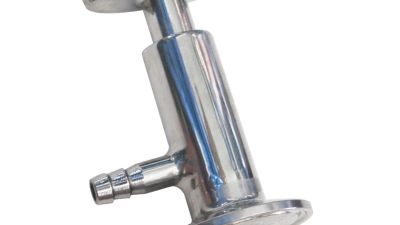
When it comes to ensuring the highest standards in quality control for beverages and dairy products, the ASV Sample Valve stands out as an essential tooling solution. This innovative valve is specifically designed for efficient extraction of samples from tanks or pipelines, enabling producers to monitor and maintain the quality of their products meticulously. By allowing easy access to the contents of tanks, the ASV Sample Valve ensures that samples can be taken with minimal disruption and optimized safety measures in place.
One notable feature of the ASV Sample Valve is its versatility in installation. It can be strategically placed at the base of tanks or pipelines, facilitating not only the sampling process but also the effective drainage of residual contents. This dual functionality is critical in reducing waste and ensuring that each batch of product is consistent and within the desired quality parameters. For breweries and dairy manufacturers alike, incorporating this advanced sampling technology can significantly enhance the reliability of quality assessments and streamline production processes.
: Choosing the right provider is crucial for maintaining performance and minimizing costs, as improper maintenance can lead to a significant increase in operational costs over time.
Companies should seek service providers with a strong track record of expertise and reliability, as well as a deep understanding of industry standards and successful case studies.
A provider that offers 24/7 service can significantly reduce downtime in emergencies, which is critical for maintaining operational efficiency.
Using counterfeit or subpar parts can reduce the functionality of hydraulic systems by up to 30%, hence choosing a provider that prioritizes certified parts ensures quality and compliance with industry regulations.
Companies should ask about the training and certification of technicians who will service their equipment, as well-trained personnel are essential for effective repairs and maintenance.
One common issue is valve leakage, often resulting from worn seals or improper installation, which can be mitigated through regular maintenance and inspections.
Valve chatter is usually due to incorrect pressure settings or fluid flow conditions. Implementing advanced sensor technologies for real-time monitoring can help detect and adjust these settings proactively.
Investing in after-sales service provides invaluable knowledge that enhances the reliability and longevity of hydraulic safety relief valves, contributing to safer and more productive hydraulic systems.