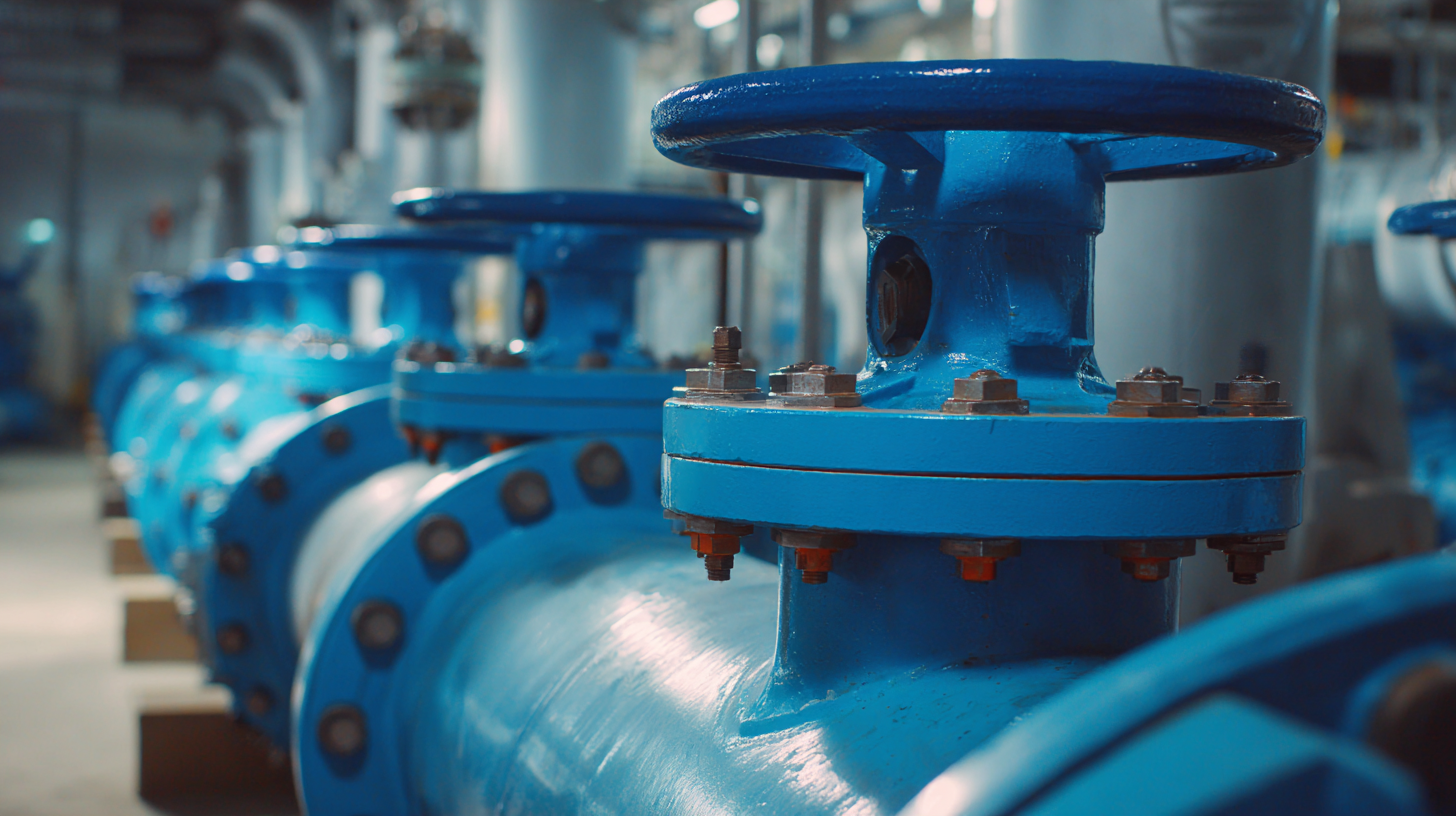
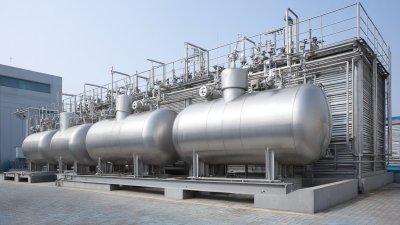
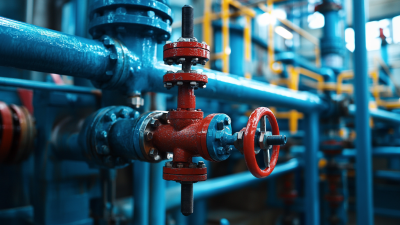
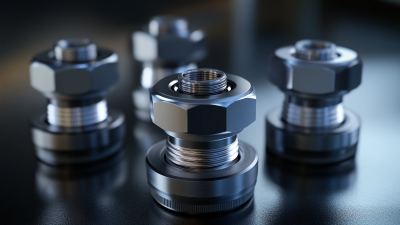
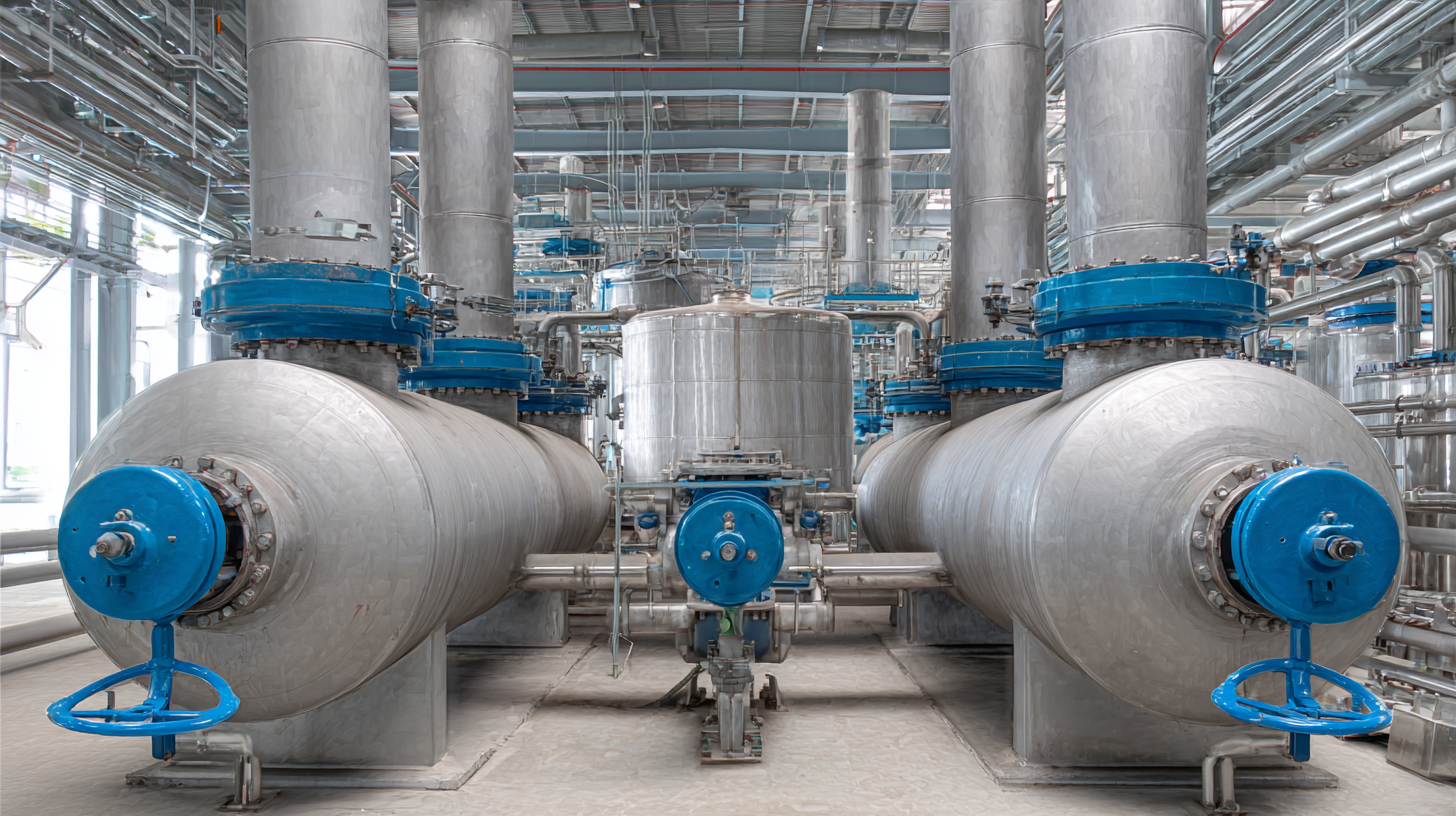
When it comes to handling fluids, you can’t underestimate just how important high-quality Tank Bottom Valves really are. These little guys are super key for keeping operations running smoothly and safely. Recent market reports show that the demand for Tank Bottom Valves is set to increase quite a bit, thanks to growth in sectors like petrochemicals, pharmaceuticals, and food and beverage. As standards and regulations keep getting stricter, companies are really challenged to find innovative solutions that focus on safety and dependability. Here at Wenzhou Lifei Stainless Steel Co., Ltd., we’ve got over 15 years of experience in making fluid handling equipment and more than a decade exporting our products worldwide. We totally get that the right Tank Bottom Valves can make or break your operations—and that’s why we’re fully committed to delivering top-quality stuff that helps our clients hit their goals and keep their customers happy.
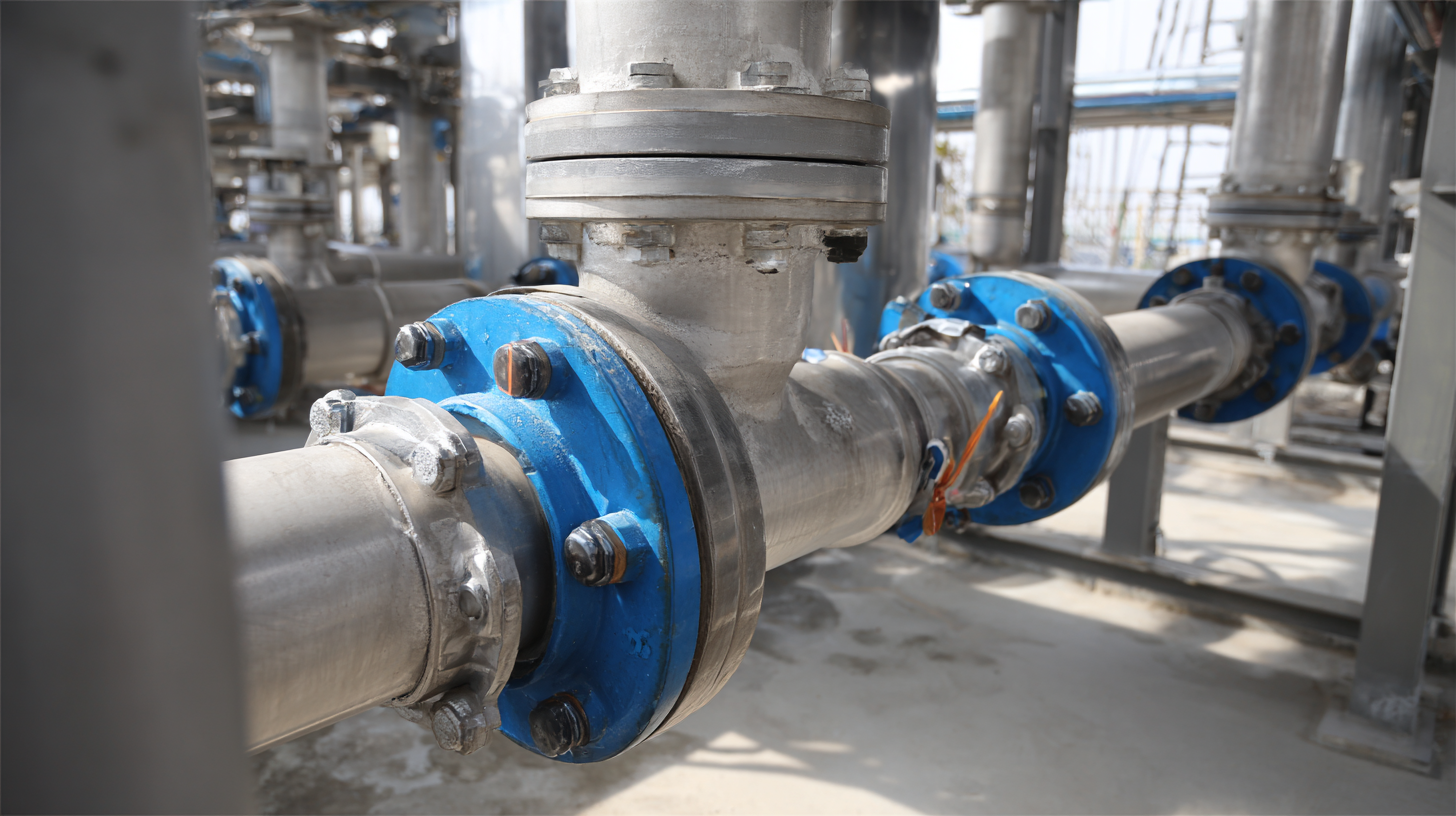
Understanding the Basics of Tank Bottom Valves and Their Importance
Getting a good grasp of what tank bottom valves are and why they matter is pretty important if you want your fluid management to run smoothly across different industries. These valves are actually pretty crucial—they control how liquids flow, help prevent leaks, and keep everything safe. Not only do they handle discharging water and chemicals, but they also play a big part in reducing environmental impact. That’s especially true for businesses like car washes, where water management isn’t just about efficiency but also saving money.
When you’re picking out tank bottom valves, it’s worth paying attention to stuff like durability, resistance to corrosion, and how easy they are to maintain. Industry folks say that taking good care of your valves can save you a lot of hassle and money down the road—like avoiding expensive repairs or downtime. Plus, making sure the valves meet international standards gives you peace of mind that your system is reliable and compliant.
Pro Tip: Make it a habit to check and service your tank bottom valves regularly. Staying on top of maintenance keeps everything running smoothly and can even stretch the life of your equipment. And honestly, investing in quality valves might cost a bit more upfront, but it pays off by making your operations run more efficiently in the long run.
Key Materials Used in Manufacturing Tank Bottom Valves for Durability
When it comes to tank bottom valves, picking the right materials is super important if you want your equipment to last and work reliably across different industrial setups. Usually, folks go for stainless steel, brass, or special polymers. I recently came across a report from the Valve Manufacturers Association—interesting stuff—that said over 65% of these valves are made with corrosion-resistant materials. That makes sense, right? Nobody wants leaks or to have to replace valves all the time. Stainless steel, in particular, is a favorite because it’s tough and can handle some pretty harsh environments, which is why it’s often seen in chemical and petrochemical industries.
Honestly, the material you choose can really make or break how long your valve will last and how well it performs. For example, high-quality polymers are great because they resist chemicals and wear — perfect if your setup involves a lot of flow or abrasive substances. When you're picking out a valve, it’s smart to think about what chemicals it’ll come into contact with, what temperatures it will need to handle, and how much mechanical stress it might face during operation.
And don’t forget to double-check if the materials meet industry standards like ASTM or ANSI—that’s a quick way to ensure safety and dependability. Making an informed choice here can save you from costly downtime or repairs down the line. Honestly, selecting the right materials isn't just a detail; it’s a key part of making sure your valves keep working smoothly and safely for a long time.
Essential Functionalities of Tank Bottom Valves for Efficient Operation
Tank bottom valves might not be something you think about every day, but trust me, they’re kinda the unsung heroes when it comes to keeping tank systems running smoothly and efficiently.
Basically, these valves control how fluids flow out from the bottom of the tank — think of them as gatekeepers for proper drainage and making sure nothing gets contaminated along the way.
One cool thing about them is that they’re designed to create a super tight seal, so leaks and product loss are kept to a minimum.
And some of the newer models even have self-cleaning features, which means less hassle and longer life for the valve overall.
When you’re picking out a tank bottom valve, it’s worth thinking about what material it’s made from.
This really matters ‘cause it affects how well it fights off corrosion and whether it’ll survive in tough environments.
For example, stainless steel valves are often the go-to because they’re tough, durable, and last longer, especially in rough conditions.
Here’s a little tip: don’t forget regular maintenance.
Doing routine checks for signs of wear or damage can seriously keep things running smoothly and prevent surprises down the line.
Safety is another big deal. Some valves come with extra features like double seals or auto shut-off functions.
These are fantastic because they add an extra layer of protection — even if something goes wrong, the risk of spills or leaks gets minimized.
And one more thing: when you’re installing these valves, make sure they meet all the industry standards and regulations.
It might seem like a small detail, but it actually makes a big difference in safety and efficiency.
Common Types of Tank Bottom Valves and Their Specific Applications
Tank bottom valves might not be something you think about all the time, but they’re actually pretty important when it comes to storing and handling liquids across different industries. If you get familiar with the main types and what they’re used for, it can really help you pick the right valve for your specific needs. For example, one of the most common types is the ball valve. It’s loved for its tight sealing and how easy it is to operate. These are perfect in situations where you need to shut things off quickly — like in oil or water tanks, for instance.
Then there’s the gate valve, which is designed to let full, straightforward flow when it’s open. They’re especially handy for big storage tanks where you want to reduce pressure loss as much as possible. You’ll often see gate valves in wastewater treatment plants and chemical processing facilities, where they control different liquids. And don’t forget check valves — these little guys are all about stopping backflow. They make sure liquids don’t flow back into the tank after they’ve been discharged. That’s super important to keep everything running smoothly and safely, especially in fuel tanks and similar setups. Knowing the ins and outs of these different valve types and what they’re used for can seriously boost your operation’s efficiency and safety when dealing with liquid storage.
Maintenance Tips to Ensure Longevity of Tank Bottom Valves
Taking good care of your tank bottom valves is really important if you wanna make sure they last a long time and work like they’re supposed to. The first step? Regular inspections. It’s a good idea to check often for any signs of wear and tear—things like corrosion, leaks, or weird noises during operation. And don’t forget to keep those valves clean! Dirt and debris can obstruct their function and might end up causing you expensive repairs down the line. Also, making sure the moving parts are properly lubricated helps keep everything running smoothly and reduces friction.
Another thing I’d recommend is setting up a routine maintenance schedule. Performing regular tests and calibrations is key to making sure the valves are still doing their job right. If you notice any issues, it’s best to act quickly—either repair or replace parts as needed—so small problems don’t turn into big headaches later on. Staying proactive with maintenance not only extends the lifespan of those valves but also cuts down on downtime and keeps your operations running without a hitch. Following these tips can really help protect your investment and keep your whole system running efficiently.
What Are the Key Features of Tank Bottom Valves You Should Know - Maintenance Tips to Ensure Longevity of Tank Bottom Valves
| Feature |
Description |
Maintenance Tips |
| Material |
Typically made from stainless steel or plastic to resist corrosion. |
Regularly inspect for signs of wear or corrosion. |
| Seal Type |
Utilizes rubber, PTFE, or other materials for sealing performance. |
Check seals for cracks or deterioration; replace as necessary. |
| Actuation |
Manual or automated systems are available to operate the valve. |
Lubricate moving parts regularly to ensure smooth operation. |
| Flow Rate |
Designed to handle different flow rates based on application. |
Ensure the valve is operating within its specified flow range. |
| Size |
Available in various sizes to fit different tank requirements. |
Confirm the correct size for repairs or replacements. |
| Installation |
Must be properly installed to prevent leaks and malfunctions. |
Follow manufacturer installation instructions closely. |
Troubleshooting Common Issues with Tank Bottom Valves: A Practical Guide
When you're working with tank bottom valves, it's pretty important to get a good handle on the common issues that can pop up—this way, you can keep things running smoothly and avoid those costly downtimes. One pretty frequent problem is leaks, which usually happen because of worn-out seals or if they're not installed quite right. Regularly popping the seals out for a quick inspection and making sure they’re fitted snugly can really cut down on the leaks. Oh, and don’t forget—sediment or debris piling up inside the valve can mess with its operation too. That’s why routine cleaning should definitely be part of your regular maintenance routine.
Another headache that often comes up is the valve acting up because of corrosion or buildup inside. This can make the valve feel sluggish, or worse, cause it to open and close randomly. The best way to handle this? Set up a systematic inspection schedule, checking for any signs of corrosion or gunk—trust me, catching it early makes a big difference. If you spot corrosion, swapping out the affected parts quickly will help get things back to normal. Basically, being proactive and addressing issues early on will ensure your tank bottom valves keep working properly. It’s all about keeping things efficient and extending the lifespan of your equipment—can’t go wrong with that!
Enhancing Hygiene in Industrial Tanks: Insights from Recent Sanitary Equipment Market Reports on Stainless Steel Male Spray Balls
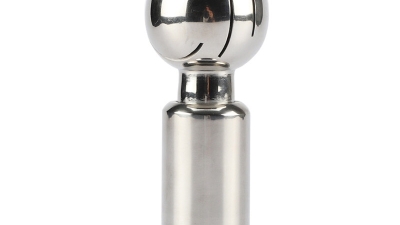
In the pursuit of improved hygiene standards within industrial settings, recent market reports on sanitary equipment have unveiled the crucial role of stainless steel male spray balls. These innovative devices are specifically designed to enhance cleaning efficiency and ensure that tanks maintain the highest levels of sanitary conditions. By utilizing a spray ball system, industries can achieve optimal cleaning coverage, effectively dislodging residues and preventing contamination, which is essential in sectors such as food and beverage, pharmaceuticals, and chemicals.
Stainless steel male spray balls offer several advantages over traditional cleaning methods. Their durable construction ensures longevity and resistance to harsh cleaning chemicals, while their design enables a complete and focused spray pattern that reaches all areas of a tank's interior. This targeted cleaning reduces the likelihood of bacteria and other pathogens harboring in hard-to-reach spots, thereby significantly boosting the overall hygiene of the facility. Furthermore, with advancements in technology, these spray balls can be integrated into automated cleaning systems, simplifying operations and reducing labor costs.
As industries strive to meet stringent hygiene regulations and consumer expectations, investing in high-quality sanitary equipment like stainless steel male spray balls is paramount. These devices not only streamline the cleaning process but also promote a safe and healthy environment for both employees and consumers. The insights gleaned from recent market reports highlight their effectiveness, making them an essential component for any organization focused on enhancing hygiene in their operations.
FAQS
: Tank bottom valves are designed to control the flow of fluids from the bottom of a tank, ensuring proper drainage and minimizing the risk of contamination.
A tight seal prevents leaks and reduces product loss, enhancing the overall efficiency of the tank system.
Stainless steel is often preferred for tank bottom valves due to its durability and resistance to corrosion and wear, especially in harsh environments.
Regular inspections for wear and tear, keeping valves clean, lubricating moving parts, and establishing a routine maintenance schedule are essential for optimal performance.
Some tank bottom valves have redundant sealing systems and automatic shut-off capabilities to mitigate the risks of spills or leaks in case of a malfunction.
Common types include ball valves, gate valves, and check valves, each with specific applications such as quick shut-off, unobstructed flow, and preventing backflow, respectively.
Understanding the specific roles of different tank bottom valve types helps enhance operational efficiency and safety in liquid storage management.
Regular inspections help identify signs of wear, leaks, or damage early on, which allows for timely maintenance or repairs, preventing significant issues later.
Proper lubrication minimizes friction in moving parts, ensuring smoother operation and prolonging the valve's lifespan.
Yes, installing tank bottom valves that comply with industry regulations and standards enhances safety and ensures operational efficiency.
Conclusion
Tank bottom valves might not be something you think about every day, but they're actually pretty important when it comes to fluid storage setups. They help keep everything running smoothly and safely. Knowing the basics about these valves can really help you understand just how crucial they are for keeping tanks in good shape. Made from tough, long-lasting materials, tank bottom valves are built to handle tough conditions and still deliver reliable performance. They play a key role in managing fluids, and there are different types out there—some designed specifically for industrial needs, others more suited for commercial purposes.
Taking care of these valves is super important if you want them to last longer. And if something goes wrong, knowing how to troubleshoot common issues can really keep things running without a hitch. At Wenzhou Lifei Stainless Steel Co., Ltd., they've got tons of experience in making top-quality fluid equipment. So, you can count on their tank bottom valves being built with quality and dependability in mind. It’s all about their commitment to customer satisfaction and making sure clients get the best possible products and support.