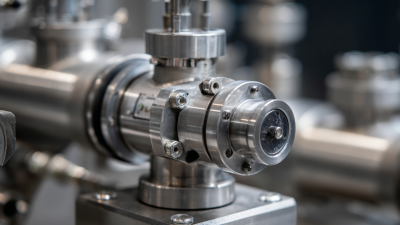
When it comes to controlling fluids, the classic Valve With Flange has been a dependable staple in many industries for quite a while. But as industries grow and the push for more efficient, budget-friendly options gets stronger, it’s a good idea to look into new alternatives that might do the job even better.
At Wenzhou Lifei Stainless Steel Co., Ltd., we totally get how important it is to stay flexible and meet our customers’ needs. With over 15 years of hands-on experience in making fluid equipment and a solid 13-year track record of exporting, we’re always working to improve what we offer so that our clients are happy and successful.
In this blog, I’ll walk you through some of the coolest new alternatives to flanged valves—showing you the benefits, where they work best, and reaffirming our commitment to providing top-notch solutions that keep up with the changing demands of our customers.
The Limitations of Traditional Flanged Valves in Modern Applications
You know, when it comes to modern industrial setups, traditional flanged valves sometimes just don’t cut it anymore. They can be pretty bulky, take up a lot of space, and dealing with them during maintenance can be a real headache. For a company like Wenzhou Lifei Stainless Steel Co., Ltd.—who’s been in the fluid equipment game for over 15 years—finding better solutions is pretty much a must to stay ahead. We’re really focused on putting our customers first, which pushes us to explore innovative alternatives that can actually overcome the common issues with flanged valves.
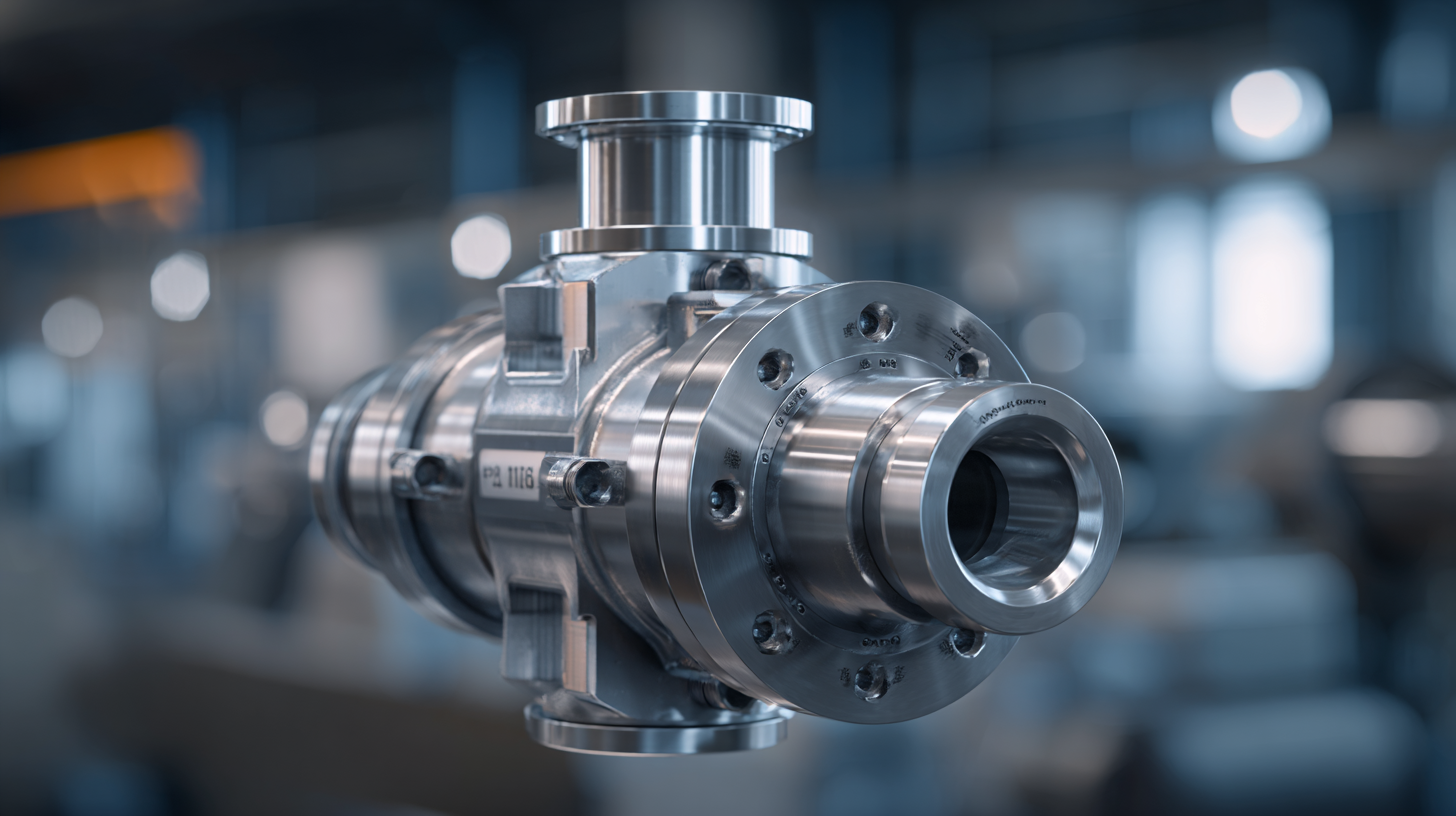
Actually, looking into newer designs like wafer or lug-style valves can make a big difference. These options are typically lighter, save space during installation, and are easier to maintain. All of which is pretty much what modern systems need if they’re gonna be flexible and efficient. By adopting these new designs, we at Wenzhou Lifei aim to keep up with what our clients want—helping them succeed and making sure they’re happy. We truly believe that quality and adaptability are core because, at the end of the day, valves are a pretty critical part of managing fluids in any system.
Exploring Innovative Valve Designs: Beyond the Flange
Lately, there's been a real push among engineers and designers to come up with more efficient and reliable valve options. You know, traditional flanged valves have their limits — things like leaks and tricky installations tend to be common issues. That’s pushed the industry to get a bit more creative and innovative. We've seen new designs like welded, threaded, and sanitary valves that not only perform better but also save space, making them pretty attractive across different fields.
One of the coolest developments recently is integrated valves that basically combine multiple functions into one seamless piece, ditching the need for flanges altogether. These are often made from advanced materials and manufactured with cutting-edge techniques, so they’re lighter, stronger, and just generally more durable. Plus, there are smart valves now equipped with sensors and automation tech — they monitor everything in real-time and give you better control, which really helps boost efficiency and cut down on maintenance costs. As industries keep changing and growing, exploring these new valve designs is honestly going to lead to better performance and more reliable fluid systems in the future.
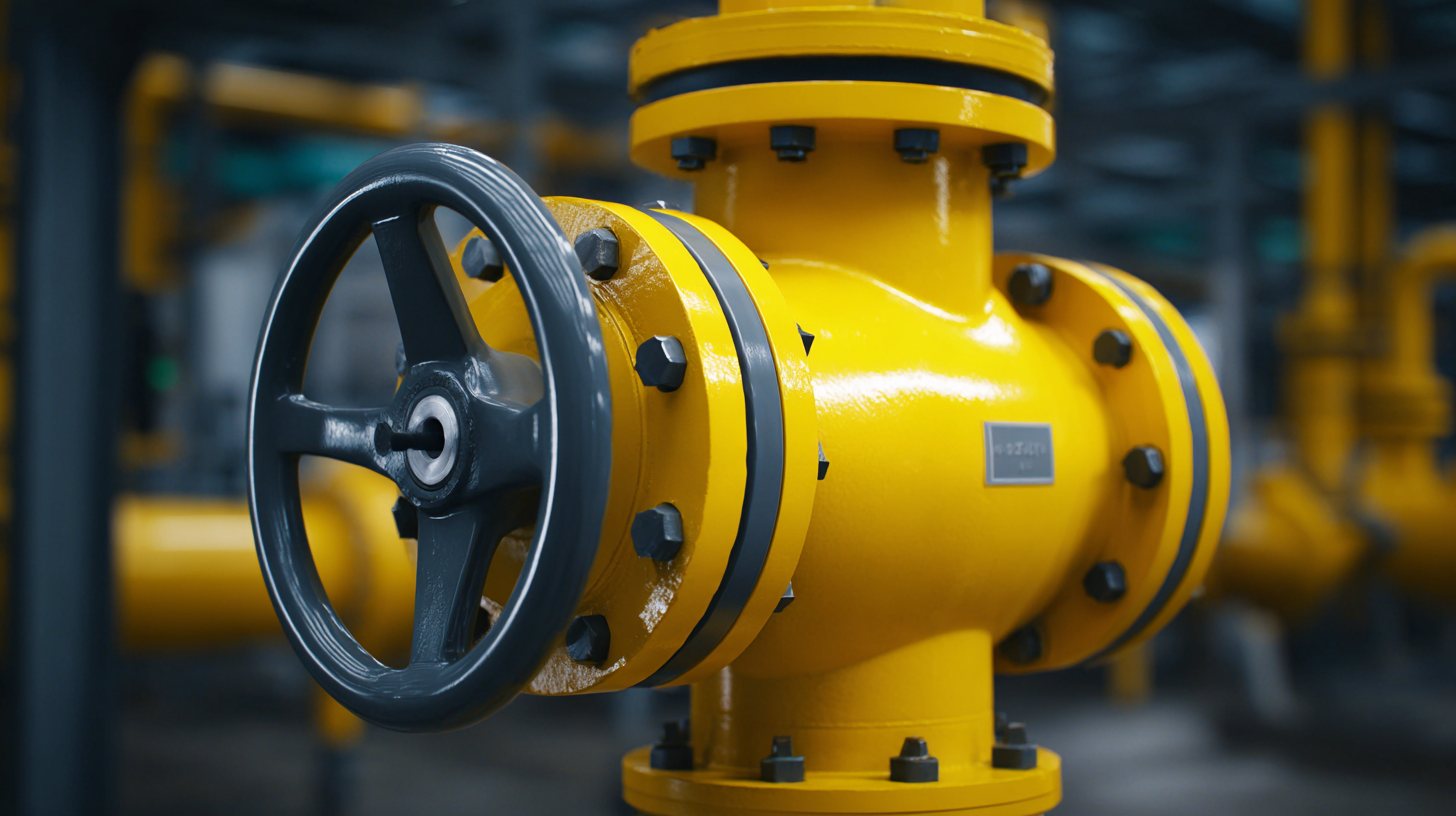
Assessing Performance Metrics: Comparing Alternatives to Flanged Valves
You know, flanged valves have pretty much been the go-to choice in fluid control systems forever. But when you really dig into performance numbers, you start seeing some exciting new options that could boost both efficiency and reliability. Companies like Wenzhou Lifei Stainless Steel Co., Ltd., with over 15 years under their belt in making fluid equipment, are really pushing the boundaries here. They’re all about focusing on what customers actually need, not just ticking boxes — crafting solutions that not only meet industry standards but often go beyond what folks expect.
One of the more interesting alternatives popping up is welded valves. These bad boys tend to cut down on leak points and give the whole structure a sturdier feel. Tests show that welded connections can handle higher pressures and hotter temperatures — making them super reliable for tough jobs. Plus, thanks to new materials and smarter designs, there are valves out there that flow better and require less upkeep, which in the end means lower operating costs.
When you compare these options to traditional flanged valves, it’s easier to see how industries can make smarter choices that are better for the environment and boost efficiency. And as Wenzhou Lifei keeps innovating, they stay committed to keeping their clients happy — making sure that every new development in fluid control is actually driven by what customers need most.
Cost-Benefit Analysis: The Economic Impact of Valve Innovation
Over time, valve technology has really advanced, opening up a bunch of new options beyond the old-school flanged valves. And honestly, many of these new choices are pretty cost-effective too. As industries look to up their game—improving both performance and reliability—the savings they can get from these innovations are becoming a big deal. By using modern materials and smarter designs, manufacturers can cut down on maintenance and reduce downtime, which means a better bang for their buck.
For example, lightweight, corrosion-proof valves are a game-changer—making installation easier and helping things run more smoothly. When you do the math, investing in these kinds of valves usually pays off in the long run through lower upkeep costs. Plus, since these newer valves boost flow efficiency, they also help save energy, adding to those positive financial effects. It’s pretty clear that upgrading valve tech isn’t just about being fancy—it’s a smart move financially too. As businesses deal with all the complexities of today’s operations, focusing on innovative solutions like this can really boost both performance and profits.
Case Studies: Real-World Applications of Advanced Valve Alternatives
Lately, industries all over the world have been starting to lean towards more innovative valve solutions, and honestly, they’re often way better than the old-school flanged valves. You see, in real-world setups, advanced options like ball valves, butterfly valves, and even smart, automated valves are making a big difference—improving efficiency and making things run smoother. For example, a major oil and gas company added automated ball valves to their pipeline system, which helped cut down on leaks and gave them much better control over fluid flow.
When you're choosing a valve, a good rule of thumb is to think about what your specific needs are—pressure, temperature, the kind of fluid you're dealing with. That way, you can pick something that works great and lasts longer.
There’s also this other story about a chemical plant that swapped out their old flanged valves for butterfly valves. They ended up spending less on maintenance, and the flow rate actually went up. Plus, with these smart valves, they got real-time data on how everything was running, which made the place safer and more reliable.
My tip? Always make sure your new valves are compatible with what you already have in place. Taking some time to analyze your existing system can save you a lot of headaches and costly downtime when switching to these newer valve options.
Future Trends: The Evolving Landscape of Valve Technology and Design
You know, the world of valve tech is really changing fast these days. There's so much happening, especially with industries demanding better performance and efficiency. I read in a report from Research and Markets that by 2027, the global valve market is expected to hit a whopping $100 billion, growing at about 6.4% annually. A big part of this growth comes from companies exploring new designs and mechanisms that beat the old-school flanged valves. For example, more folks are now looking into ball valves and diaphragm valves because they seal better and let fluids flow more smoothly—perfect for tough industries like oil and gas, water treatment, and chemical processing.
On top of mechanical tweaks, advancements in materials science are playing a huge role, too. Researchers have found that using new composites and coatings can make valves last up to 30% longer, which means less hassle and costs for maintenance. And then there’s the tech side—smart tech, to be exact. IoT devices and predictive analytics are actually making a huge difference, letting companies monitor things remotely and catch issues before they even happen. It’s pretty clear that as the industry moves toward digital, future valve designs aren’t just about lasting longer—they’re about being adaptable and quick to respond to whatever changes come up.
Exploring Innovative Alternatives to Flanged Valves for Enhanced Performance - Future Trends: The Evolving Landscape of Valve Technology and Design
| Valve Type |
Material |
Pressure Rating (psi) |
Temperature Range (°F) |
Applications |
| Ball Valve |
Stainless Steel |
1500 |
-20 to 400 |
Oil & Gas |
| Butterfly Valve |
PVC |
200 |
32 to 140 |
Water Treatment |
| Gate Valve |
Carbon Steel |
1500 |
-20 to 450 |
Industrial Processes |
| Check Valve |
Bronze |
500 |
-20 to 300 |
Pumping Systems |
| Control Valve |
Alloy Steel |
600 |
-20 to 600 |
Power Generation |
Optimizing Sanitary Processes: Insights from Industry Reports on Stainless Steel EPDM PTFE Lined Manual Diaphragm Valves
In today's increasingly regulated industries, optimizing sanitary processes is more critical than ever. The use of high-quality materials, such as stainless steel, EPDM, and PTFE, in diaphragm valves plays a pivotal role in ensuring the integrity and hygiene of fluid transfer. These materials not only offer resistance to corrosion and chemicals but also contribute to the overall efficiency of the systems they operate in. Industry reports highlight the significance of these advanced materials in promoting safety and reliability across various sectors, including food, beverage, dairy, brewing, and pharmaceuticals.
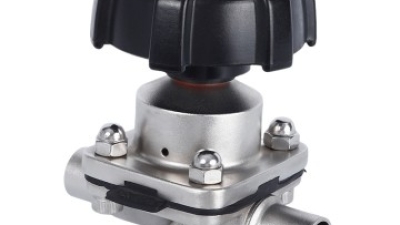
At the forefront of this innovation is the WJ series diaphragm valve, which embodies excellence in design and functionality. Crafted with a durable cast body, this valve is tailored for optimal flow control and seamless open/close operations, making it an ideal choice for critical applications. Its robust construction ensures that the valve meets stringent sanitary standards while minimizing the risk of contamination. By integrating this efficient valve into your processes, businesses can achieve enhanced performance and regulatory compliance, ultimately leading to improved operational outcomes in the competitive landscape of sanitary applications.
FAQS
: Alternatives include welded valves, ball valves, and diaphragm valves, which offer advantages such as reduced leak points, better sealing capabilities, and improved flow characteristics.
Welded valves provide enhanced structural integrity, the ability to withstand higher pressures and temperature variations, and a reduction in potential leak points.
Innovative valve designs can reduce maintenance needs and downtime, leading to lower operational costs and higher returns on investment due to improved efficiency.
The valve market is expected to reach $100 billion by 2027, influenced by a shift towards innovative designs that enhance performance while also being cost-effective.
Advanced materials can increase durability and corrosion resistance, extending the lifespan of valves and significantly reducing maintenance costs over time.
Smart technologies, including predictive analytics and IoT devices, enable real-time monitoring and remote operation, enhancing operational efficiency and responsiveness.
Improved sealing capabilities, lower resistance to flow, and advancements in materials science are key drivers in the evolution of valve technology and are appealing to various industries.
Meeting and exceeding client expectations ensures that developments in fluid control technology remain relevant and beneficial for customers' specific needs and operational requirements.
These types of valves streamline installation processes, which also contributes to overall operational efficiency in fluid control applications.
A cost-benefit analysis demonstrates that initial investments in innovative valve technology can lead to substantial long-term savings and enhanced performance, making such investments economically viable.
Conclusion
When it comes to boosting performance, traditional flanged valves are really starting to face some serious questions, especially in today's modern setups. In this blog, I want to explore some pretty exciting alternatives to those old-school flanged valves—things like innovative valve designs that actually deliver better efficiency and work smarter. By digging into how these new options stack up in terms of performance, you’ll see there are some pretty convincing benefits compared to the usual flange-based valves.
Plus, we’ve done a bit of math to see if switching over actually makes sense financially. And it’s not just theories—there are real-world case studies showing how these newer solutions have been successfully put into action. Honestly, looking ahead, the future of valve tech is pretty promising, and it’s likely to change the game even more. At Wenzhou Lifei Stainless Steel, we’re all about understanding what our customers need and bringing innovative ideas into our products—that way, you get solutions that really work, helping you succeed and feel good about your operations.