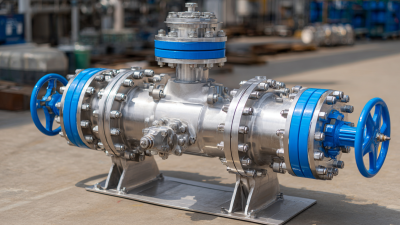
In today’s fast-moving industrial world, having reliable and efficient fluid control systems is more important than ever. If you’ve been following industry news, you might have seen that, according to a recent report by MarketsandMarkets, the global market for valves — including High Pressure Ball Valves — is expected to hit around USD 85 billion by 2025. This growth is mainly fueled by rising demand in sectors like oil and gas, chemicals, and power plants. High Pressure Ball Valves are pretty much essential in these industries because they can handle really high flow rates and pressures, all while keeping things sealed tight.
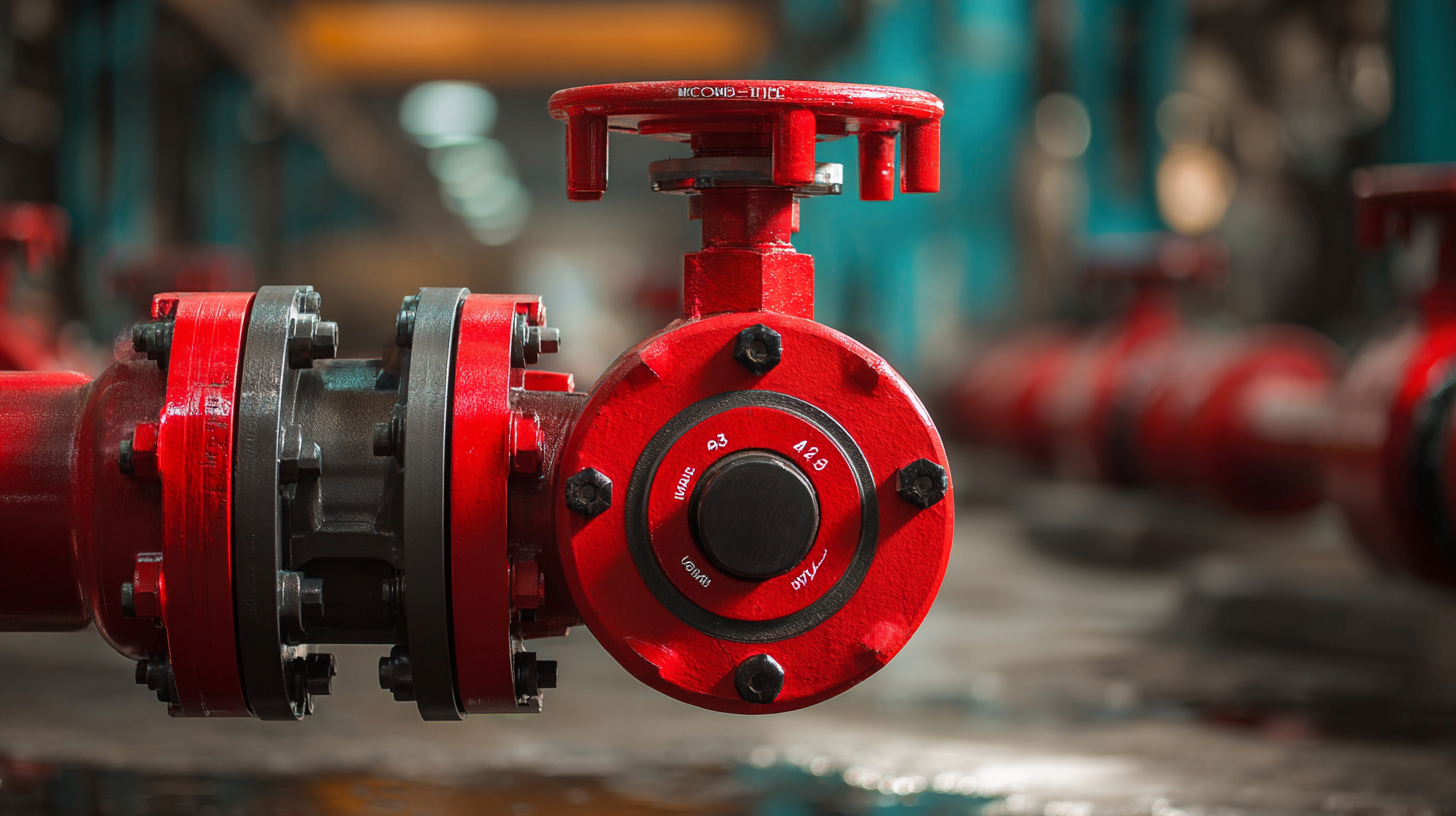
Here at Wenzhou Lifei Stainless Steel Co., Ltd., we’ve been in the game for over 15 years, specializing in delivering top-notch solutions that really match our customers’ needs. Our goal is to keep our clients happy and attached to us, which is why we’re always working to stay ahead of industry demands. That’s why many consider us a trusted partner when it comes to effective fluid control solutions.
In this blog, we’re going to look at seven industries that get a serious boost from using High Pressure Ball Valves. Plus, we’ll talk about what makes these valves so unique and why they’re pretty much a must-have for modern applications.
The Importance of High Pressure Ball Valves in Oil and Gas Industry
High pressure ball valves are pretty essential in the oil and gas world—they help control the flow of fluids safely and efficiently through pipelines and processing facilities.
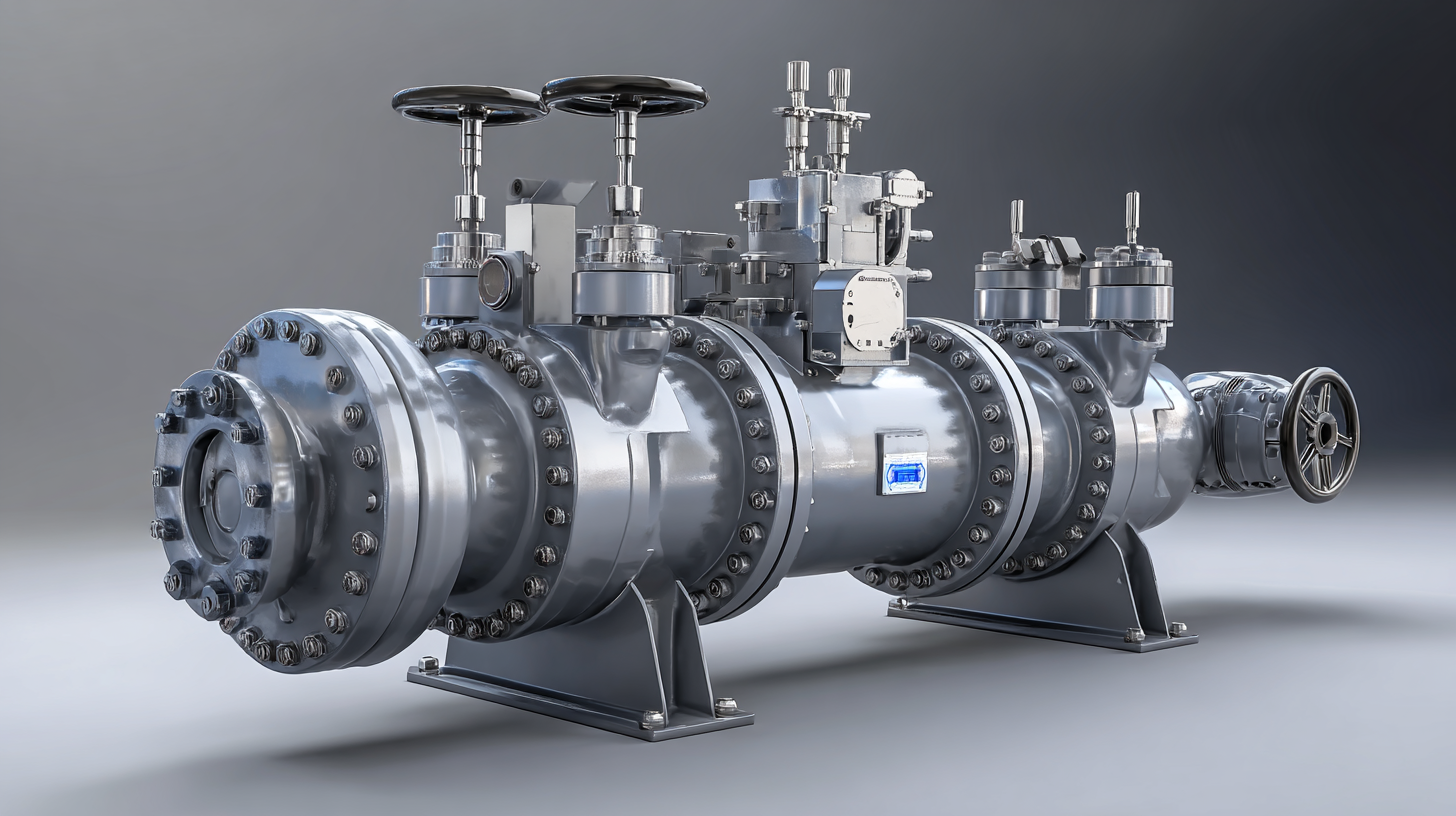 These valves are built to handle extreme pressures and temperatures, which makes them perfect for those high-stakes environments where you really can’t afford any slip-ups. Using high pressure ball valves doesn't just boost safety; it also keeps the system running smoothly, cutting down on leaks and failures that could cause costly downtime.
When you're picking out these valves, it's important to think about things like the materials they're made from, the pressure ratings, and whether they’re compatible with different types of fluids. Especially in oil and gas—where you often deal with corrosive stuff and super hot conditions—it’s smart to go with durable materials like stainless steel. And don’t forget, regular maintenance is key. Checking the seals and making sure everything’s operating as it should can help you avoid surprises down the road and keep everything working for the long haul.
Pro tip: Always have a chat with a valve specialist—getting their advice can really save you headaches later. Picking the right valve for your specific needs is crucial, because putting in the wrong one could mess with efficiency or even create safety risks. Investing in good quality high pressure ball valves isn’t just about protecting your system; it’s also about safeguarding the environment and avoiding costly issues in the future.
Applications of High Pressure Ball Valves in Water Treatment Facilities
High pressure ball valves are pretty essential when it comes to water treatment facilities. They play a big part in making sure water is managed safely and efficiently. I came across a report from Market Research Future that says the global water treatment market is expected to hit around $580 billion by 2024, growing at roughly 8.6% each year. That’s a huge number! In this whole picture, high pressure ball valves really become a must-have, since they can handle those crazy high pressures and still keep everything sealed tight — which is super important for keeping the water quality up.
These valves aren’t just for show—they’re key in running important steps like filtering and disinfecting water. They let operators control the water flow quickly and accurately. That’s a lifesaver because it helps prevent contamination during different stages of treatment. I also read a study from ResearchAndMarkets that points out if you mess up flow control, costs can shoot up by about 15%. That just shows how crucial it is to have high-quality, durable valves. Their ability to handle harsh chemicals and handle high flow rates makes them ideal for treatment plants that are delivering safe drinking water to communities. All in all, these valves are a pretty big deal in keeping clean, safe water flowing where it needs to go.
Unveiling 7 Industries That Benefit from the Best High Pressure Ball Valve and Why You Should Choose It - Applications of High Pressure Ball Valves in Water Treatment Facilities
| Industry |
Application |
Benefits of High Pressure Ball Valves |
Key Features |
| Water Treatment |
Control of water flow and pressure |
Durability, low maintenance, and precise flow control |
Full bore design, quick opening |
| Chemical Processing |
Handling corrosive chemicals |
Resistance to corrosion and excellent sealing |
Composite materials for chemical resistance |
| Oil and Gas |
Production and distribution systems |
High pressure tolerance and reliability |
Built for extreme conditions |
| Food and Beverage |
Fluid transport and processing |
Hygienic design and easy cleaning |
Sanitary construction materials |
| Pharmaceutical |
Active ingredient delivery |
Precision control and minimal dead volume |
Specialized fittings and seals |
| HVAC Systems |
Regulating heating and cooling fluids |
Energy efficiency and reliable operation |
Compact design for space-saving |
| Power Generation |
Steam and water control |
Ability to withstand high pressures |
High temperature tolerance |
Enhancing Chemical Processing Efficiency with High Pressure Ball Valves
In the world of industrial applications those days, high pressure ball valves have really become a key player in boosting efficiency, especially in chemical processing. These things are pretty powerful—they help control the flow in systems that run under super high pressure and temperature, making sure everything works smoothly and safely. Because they offer a tight seal and can switch quickly, they’re super important for keeping downtime low and getting more done in chemical manufacturing.
When you’re picking out high pressure ball valves, it’s worth paying attention to what they’re made of. The material really matters when it comes to how long they last and how well they resist corrosion. Picking stainless steel, for example, can make them last way longer and save you money on upkeep. Also, don’t forget to consider the design—full-port ball valves are great if you want maximum flow with minimal pressure loss, which is perfect if efficiency is your main goal.
A quick tip: make sure to check and maintain your high pressure ball valves regularly. This easy step can prevent leaks and keep everything running at top speed. Scheduling routine inspections might seem like a hassle, but it really pays off by catching issues early and avoiding bigger, costly problems down the line. And, when possible, go for valves from trusted brands—they’re more likely to be reliable and perform just as you need them to.
Benefits of Using High Pressure Ball Valves in Power Generation Plants
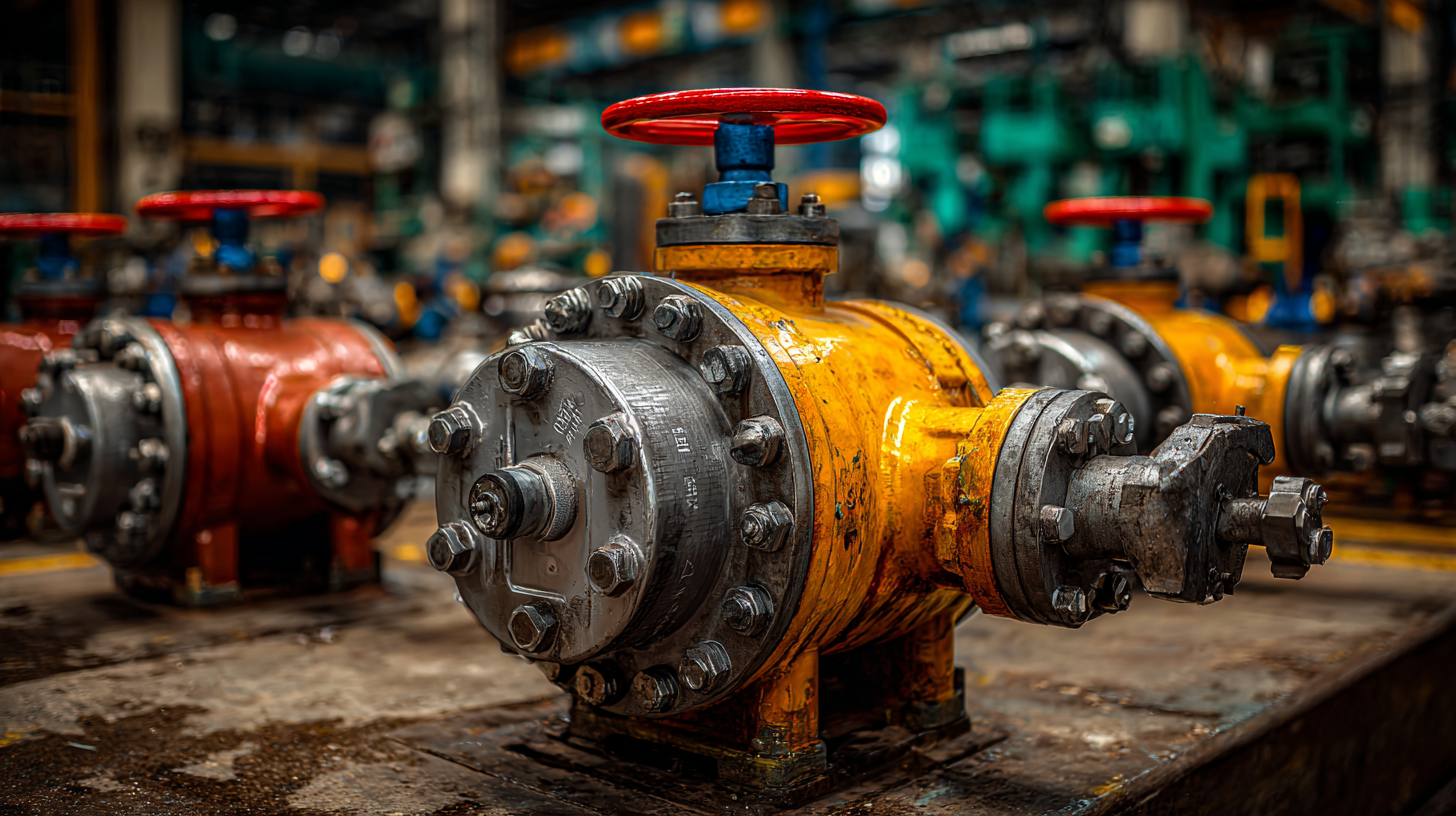 High-pressure ball valves are pretty essential in power plants—they play a big role in boosting efficiency and keeping things safe. These valves are built to handle super intense pressure and create a tight seal, which means less leakage and more reliable control of fluids. Their sturdy design lets them perform well even in those tough, high-stress environments you find in power generation setups. Because if anything were to go wrong, it could mean costly downtime or big financial hits.
One of the coolest things about high-pressure ball valves is how quickly they can open or close—this means operators can tweak the flow fast without worrying about safety. That’s a game-changer for energy plants, where being responsive really makes a difference. Plus, they don’t require a lot of torque to operate, which makes them easier to handle and helps the equipment last longer. By using these valves, power plants can run smoother, cut down on emissions, and basically run a more sustainable operation. Investing in quality valves like this doesn’t just boost efficiency—it also helps companies stay on the right side of tough environmental rules.
Key Features to Look for in High Pressure Ball Valves for Food Processing
When you're dealing with food processing, picking the right high-pressure ball valve is a pretty important decision. These valves play a key role in keeping everything hygienic and safe to handle. Something to keep in mind is that you want valves with a sanitary design—something that meets industry standards. Look for those with smooth surfaces, minimal crevices, and that are easy to take apart because all of that really helps with cleaning and prevents nasty contamination.
Quick tip: go for ball valves made from materials approved by the FDA. That way, you know they’re safe for food contact. Also, it’s handy to choose ones with clear, easy-to-read position indicators—being able to quickly check if the valve is open or closed boosts safety, especially when you're dealing with high-pressure systems.
Another thing to keep in mind is temperature and pressure resistance. Food processing can involve some pretty extreme conditions, so it’s essential to pick valves that can handle the specific pressures and temperatures you’re working with. Make sure they have strong sealing mechanisms to prevent leaks and last through the busy days.
And one last tip—regular check-ups and maintenance on your high-pressure ball valves can really make them last longer and keep things running smoothly. It’s all about staying ahead of issues before they become problems and keeping your operation efficient.
Industries Benefiting from High Pressure Ball Valves
How High Pressure Ball Valves Improve Safety in Pharmaceutical Manufacturing
High pressure ball valves are pretty much essential when it comes to making sure things stay safe in the pharmaceutical manufacturing world. They're built to withstand really high pressures and keep leaks at bay—crucial because even the tiniest contamination could ruin the end product. I read somewhere that, by 2025, the global market for these valves is expected to hit around $16.3 billion (thanks, Grand View Research!), which just shows how much everyone needs dependable equipment to keep things running smoothly without any hitches.
But it’s not all about safety—these valves also help get things done faster. Because they open and close in a flash, downtime gets cut down big time, making production way more efficient. A report from MarketsandMarkets even suggests that a 15% boost in efficiency can really seriously bump up profits for pharma plants. So, when companies choose quality ball valves, they’re not just ticking regulatory boxes—they’re also upping their game and boosting their capacity.
A quick tip: When you're picking out high pressure ball valves, go for ones made from materials that resist corrosion—that way, they last a lot longer. Also, double-check if they’ve got industry-standard certifications like ASME or API; it’s a good sign they meet all the safety stuff. And don’t forget—regular maintenance isn’t just a chore; it can actually prevent failures and keep things running without a hitch.
Enhancing Efficiency: The Benefits of Using Steam (Air) Stainless Steel Pressure Filters in Modern Filtration Systems
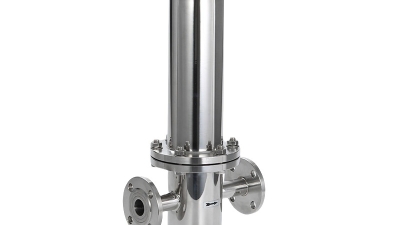
The modern industrial landscape is continuously evolving, and the need for efficient filtration systems has never been more critical. Utilizing steam (air) stainless steel pressure filters significantly enhances efficiency in various processes. According to a market research report by Grand View Research, the global industrial filtration market is projected to reach $33 billion by 2025, driven by the increasing demand for clean air and steam in manufacturing operations. This growth underscores the importance of incorporating advanced filtration technologies, such as the Air Steam Filter.
The Air Steam Filter offers a comprehensive solution for purifying air steam in industrial environments, effectively removing contaminants that jeopardize product quality and operational safety. Engineered with high-grade materials, this filter is not only robust enough to withstand harsh conditions but also designed for easy maintenance. Its advanced design features allow for a remarkable high flow rate while maintaining a low pressure drop, essential for continuous operation. As highlighted in a report by Filter Media, proper filtration can improve overall system efficiency by up to 30%, directly influencing productivity and reducing operational costs.
Moreover, the increasing regulatory requirements concerning air and steam quality further emphasize the necessity for reliable filtration systems. Utilizing stainless steel pressure filters enhances durability and corrosion resistance, ensuring longevity in use. With the Air Steam Filter, industries can achieve higher standards of cleanliness, ultimately leading to safer products and more sustainable practices. The continued investment in such innovative solutions will be crucial as industries grapple with both environmental challenges and heightened consumer expectations for quality.
FAQS
: High pressure ball valves are used to control flow in systems operating under extreme pressure and temperature conditions, ensuring optimal performance, safety, and minimizing downtime in chemical manufacturing.
Valves made from stainless steel are recommended as they enhance longevity and reduce maintenance costs due to their resistance to corrosion.
A full-port ball valve is ideal for maximizing flow and minimizing pressure drop, making it suitable for applications requiring high efficiency.
Regular inspections and maintenance are essential to prevent leaks and ensure the valves operate at peak efficiency. Scheduling routine checks can help detect issues early and save costs.
They provide tight sealing, reduce leakage, enable quick operation for flow adjustments, and contribute to optimizing processes while minimizing emissions, all of which enhance operational efficiency and safety.
Key features include sanitary designs that comply with industry standards, FDA-approved materials, smooth surfaces, minimal crevices for easy cleaning, and robust sealing mechanisms for leak prevention.
High pressure ball valves need to withstand the specific pressures and temperatures of food processing to ensure safe and effective operation without compromising product integrity.
Choosing valves with easy-to-read position indicators allows for quick assessments of their operating status, enhancing safety in high-pressure environments.
Investing in high pressure ball valves supports compliance with stringent environmental regulations, as they help minimize emissions and promote sustainable operations.