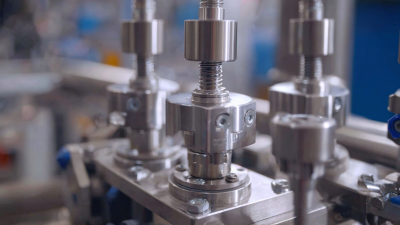
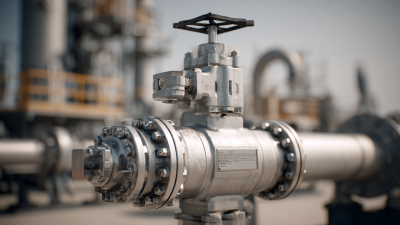
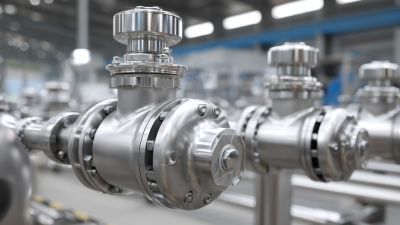
In today’s industrial world, Sampling Valves are more important than ever, especially as industries look for ways to boost efficiency and keep quality standards super high. A recent report from MarketsandMarkets shows that the global market for sampling valves could hit around $XXX million by 2025, growing at a rate of about XX% from 2020 to 2025. That kind of growth really highlights just how vital it is to have reliable, precision-engineered parts in fluid handling systems. Here at Wenzhou Lifei Stainless Steel Co., Ltd., we’ve been in the game for over 15 years making fluid equipment, plus 13 years of export experience under our belt. We’re laser-focused on meeting the needs of our customers, which means our Sampling Valves don’t just meet industry standards—they genuinely help improve operations and keep our clients happy.
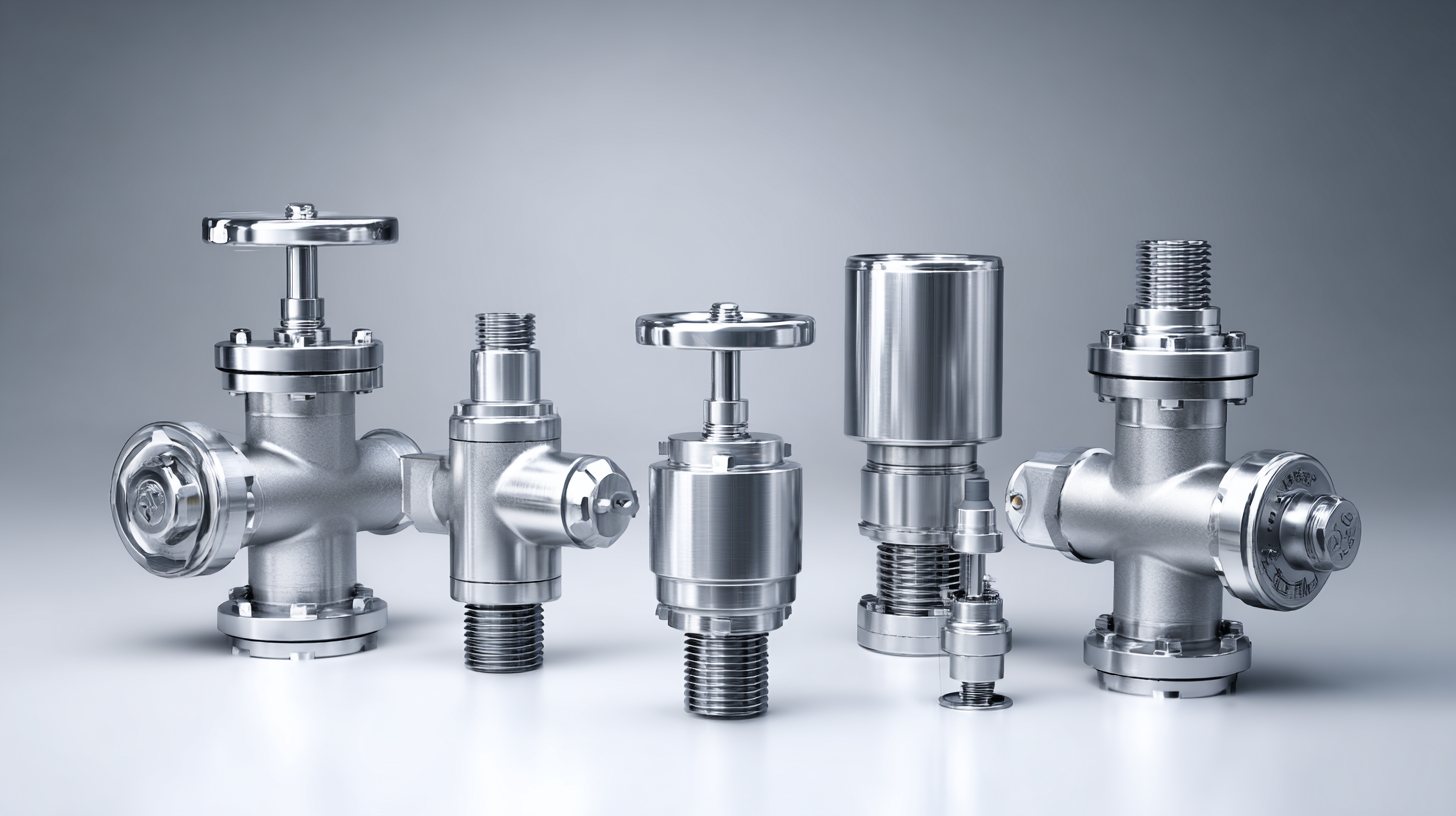
Sampling valves are pretty essential when it comes to quality control in a bunch of different industries. Think of them as the handy tools that let you draw samples from fluid systems without messing things up—no contamination or changing the flow. When companies use these valves, they can be pretty sure that the samples they take really represent the whole batch. That’s super important if you want to keep your product quality top-notch and stick to all the regulations out there.
In the world of quality checks, sampling valves make testing way more reliable. Whether you’re in pharma, food, or chemicals, getting the right sample can make all the difference in figuring out if your product’s up to standard. These valves let operators grab samples quickly and easily for lab analysis, which means faster decisions about safety and quality. When you’ve got good design on your sampling valves, it also cuts down on errors and inconsistencies, leading to more consistent, dependable production overall.
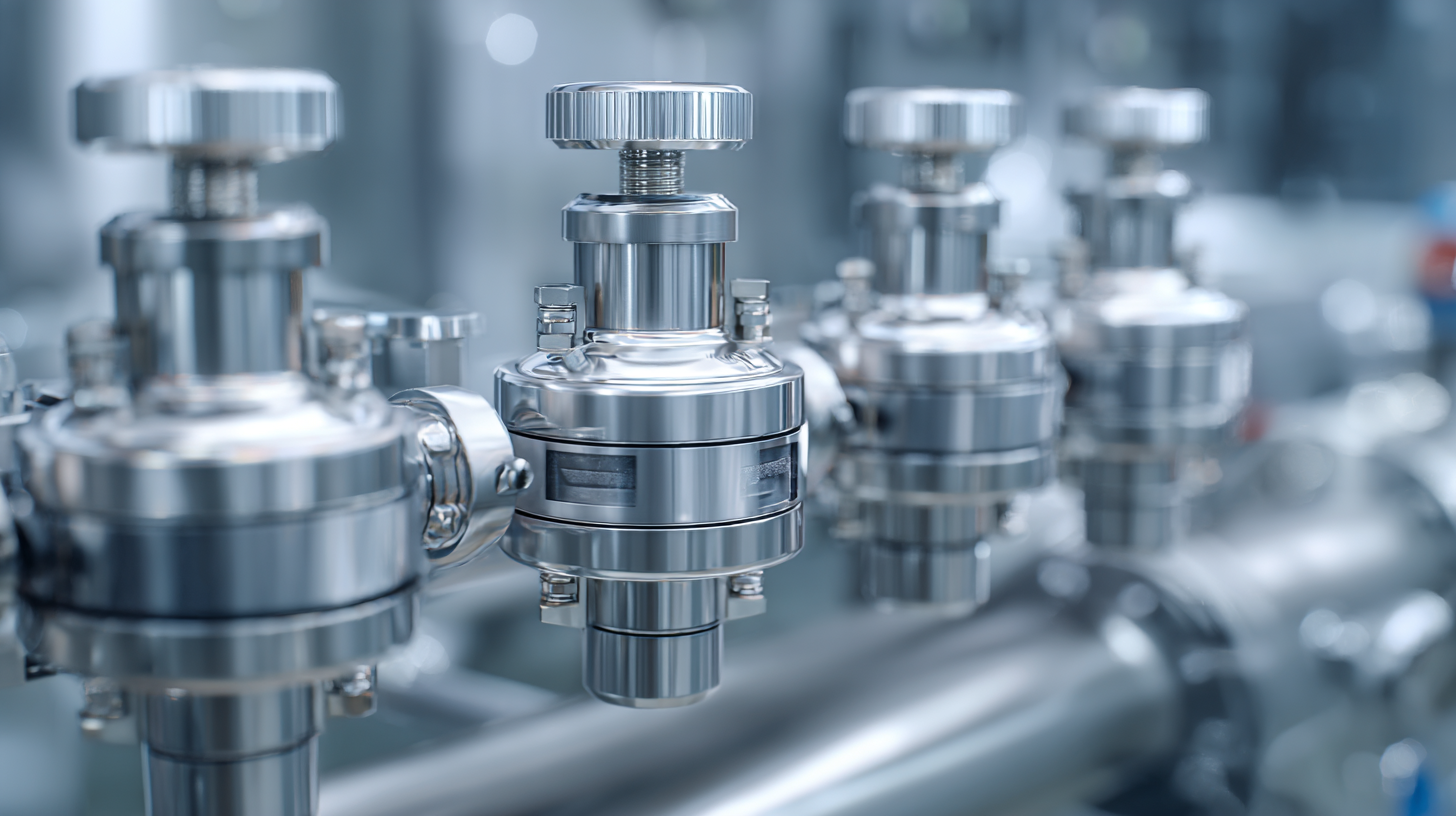
In today's industrial world, sampling valves are pretty much essential for keeping processes safe and reliable across different sectors like pharma, food and drinks, and chemicals. One really important feature to keep an eye out for is a leak-proof design—no one wants leaks causing trouble! According to a report from Research and Markets, about 35% of leaks in industries come from valves that aren't designed properly. So, choosing valves with top-notch sealing technology can make a big difference in preventing contamination and losing products.
Another thing to consider is whether the valve materials are compatible with what you're working with. Many industries handle corrosive stuff, so it’s crucial to use valves made from materials like stainless steel or special alloys that resist corrosion. A study in the Journal of Materials Engineering even shows that picking the right materials can cut maintenance costs by up to 25%. Plus, ease of cleaning and sterilization is super important, especially for pharma companies that need to follow strict standards. Valves with smooth internal finishes and that can be quickly taken apart are becoming super popular because they make hygiene maintenance easier and help things run smoothly overall.
Sampling valves are pretty essential in industrial setups—they help you collect representative samples from processes so you can analyze them. When it comes to choosing between manual and automated sampling valves, it’s a decision that can really affect how efficient and accurate your sampling efforts are. Manual valves require someone to operate them, which means there's room for variability and, sometimes, mistakes. Make sure the folks handling them are well-trained, so they pick the right times and conditions for sampling. That said, automated sampling valves bring a lot to the table—they're more precise and consistent, knocking out much of the human error you'd see with manual methods.
**Quick tip:** When you're trying to pick the right sampling valve, think about what your specific needs are. Things like what kind of material you're sampling, how often you need to do it, and how precise the results need to be should all influence your choice.
While automated systems might cost more upfront, in the long run they tend to be worth it. They offer real-time data and monitoring, which can really improve process control and cut down on downtime. Plus, by switching to automated solutions, industries often hit higher quality standards and run more smoothly.
**Another tip:** Don't forget—regular maintenance and calibration are key for both manual and automated valves. Doing routine checks can prevent unexpected failures and keep your sampling reliable.
All in all, choosing the right valve and keeping it in good shape makes a big difference for your operational success.
| Sampling Valve Type | Operation Method | Material Compatibility | Cost (USD) | Maintenance Frequency | Typical Use Cases |
|---|---|---|---|---|---|
| Manual Sampling Valve | Manual | Steel, PVC | 150 | Monthly | Laboratory, Chemical Processing |
| Automated Sampling Valve | Automated | Stainless Steel, PTFE | 300 | Quarterly | Food & Beverage, Pharmaceuticals |
| Semi-Automated Sampling Valve | Semi-Automated | Brass, Polypropylene | 200 | Bimonthly | Water Treatment, Oil & Gas |
Sampling valves might not be the sexiest part of industry equipment, but they’re actually pretty critical across a ton of different sectors. Basically, they’re the go-to tools for collecting fluid samples reliably, which is a huge deal when you need to analyze and make sure everything’s in check. Whether it’s chemical manufacturing, oil and gas, or water treatment plants, being able to pick up accurate samples isn’t just nice to have — it’s essential for quality control and staying within all those strict regulations. Funny enough, a report from MarketsandMarkets points out that the global market for sampling valves is expected to grow at about 5.2% annually from 2021 to 2026. That just shows how much these things are becoming more and more important in today’s industries.
When it comes to pharmaceuticals, sampling valves are used to keep an eye on raw materials and make sure the final products are up to snuff. Extracting samples without contaminating them is super important — the ISPE (International Society for Pharmaceutical Engineering) stresses that proper sampling isn’t just about following rules; it’s crucial for safety and compliance. Same story with the food and beverage world — they rely on sampling valves for quality checks, testing for microbes and chemicals to keep consumers safe and ensure everything meets health standards.
And let’s not forget oil and gas. Here, sampling valves are used for real-time analysis of production fluids, which is key for tweaking extraction processes and bumping up efficiency. The American Petroleum Institute (API) makes it clear that regularly sampling petroleum products isn’t just good practice — it’s mandatory for quality and safety reasons, and it really impacts how smoothly everything runs. Bottom line — these advanced sampling valves are more than just helpful gadgets; they’re a must-have if you want to meet industry standards and keep things running safely and smoothly.
Taking good care of sampling valves is super important if you wanna keep your measurements accurate and ensure smooth operations in industrial settings. Just a heads-up: doing regular checks on these parts can really cut down on contamination issues and make your whole system run more reliably. I remember reading somewhere—like in a report from the International Society of Automation—that neglecting these valves can bump up downtime by about 30%, mostly because of sampling mistakes or system breakdowns. So, setting up a routine inspection plan and splurging a bit on quality materials can make a big difference in performance.
Some tips I’ve picked up? First off, give the valves a good visual once in a while—look for leaks or anything that seems off. Also, don’t forget to flush them after each use, so residue doesn’t pile up and skew your samples. Plus, making sure everyone handling the valves is trained in the right way really helps keep things running smoothly.
Another key thing is using the right lubricants and sealants—things that match the fluids you’re working with. A study from the Chemical Engineering Journal pointed out that using proper maintenance stuff can actually make your sampling valves last up to 40% longer. Bottom line: sticking to these best practices not only boosts how well the valves work but can also save you some serious cash and improve overall efficiency in your operations.
Looking ahead, the future of sampling valve tech is gonna see some pretty exciting changes, mostly thanks to advances in automation and the push for more sustainable practices. I read this recent report by Grand View Research—that the global market for industrial valves is expected to hit around $113 billion by 2025. And interestingly enough, sampling valves are actually playing a big part in driving this growth. New tech like IoT-enabled valves and smart sensors are really stepping up the game when it comes to accuracy and efficiency in sampling. This means industries can maintain better quality control while also cutting down on waste, which is pretty awesome.
On top of that, the whole sustainability trend is really pushing manufacturers to get creative with their designs. They're developing tougher, more corrosion-resistant materials that don't just last longer but also mean fewer replacements. A study from MarketsandMarkets pointed out that using eco-friendly materials in valve manufacturing is projected to grow by over 25% in the next five years. That just goes to show how much industry standards are shifting towards greener practices. As companies become more aware of their environmental footprint, creating sampling valves that meet these new demands is going to be a key part of shaping the future of industrial tech—and honestly, it’s pretty inspiring seeing how innovation and sustainability are coming together in this field.
: Sampling valves allow for the accurate extraction of samples from fluid systems without introducing contamination or altering the system's dynamics, ensuring that the samples collected are representative of the entire batch.
They are crucial for obtaining precise samples necessary for assessing product quality, which is essential for maintaining product integrity and compliance with regulatory standards.
By enabling quick and efficient sample collection for laboratory analysis, sampling valves help minimize the risk of errors and discrepancies in quality assessments, leading to more consistent production outcomes.
Advancements in automation and sustainability, including the rise of IoT-enabled valves and smart sensors, are enhancing precision and efficiency in sampling processes.
The global market is projected to reach $113 billion, with sampling valves playing a pivotal role in this growth.
Manufacturers are focusing on creating more durable and corrosion-resistant materials to extend valve lifespan and reduce replacement frequency, in response to increasing environmental considerations.
The use of environmentally friendly materials in valve production is expected to grow by over 25%.
As industries become more conscious of their environmental impact, developing sampling valves that cater to sustainability demands is crucial for shaping the future landscape of industrial applications.
Sampling valves are honestly pretty essential when it comes to quality control in a bunch of different industries. They make it easier to take accurate samples of fluids, which is super important to make sure the final products meet those strict quality standards we all want. Nowadays, modern sampling valves come with handy features—stuff like being easy to operate, really durable, and precise—that are key whether you're doing things manually or using automation. Deciding between manual and automated valves can actually make a big difference in how efficient and accurate your sampling process turns out.
As industries keep changing and pushing forward, the need for dependable sampling valves is only growing. That’s why there's a lot of innovation happening to improve their functionality. Of course, to get the most out of these valves and keep them working well, regular maintenance and following best practices are a must. At Wenzhou Lifei Stainless Steel Co., Ltd., we totally get how vital sampling valves are for keeping product quality intact. That’s why we’re committed to offering top-notch fluid equipment that really meets what our clients need—helping them stay competitive and succeed in a pretty tough market.