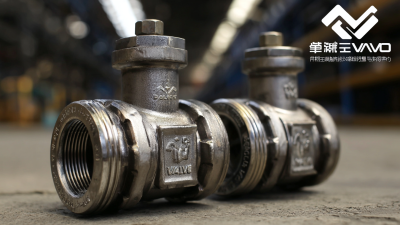
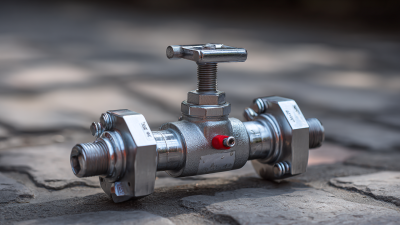
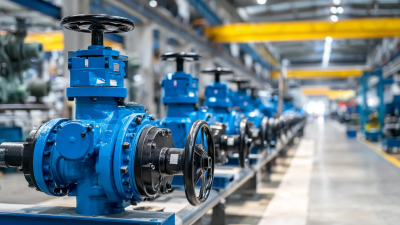
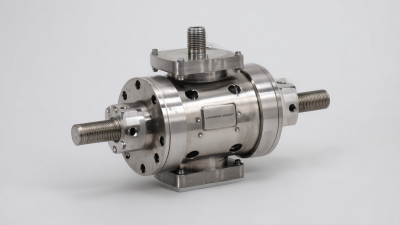
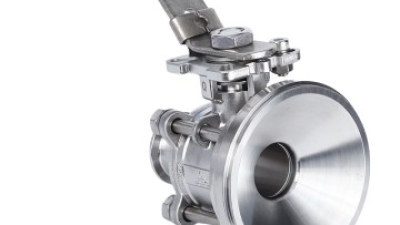
In today’s industrial world, the Double Block Bleed Valve (or DBBV), if you want to sound a bit more casual, has become super important—especially when it comes to keeping things safe and running smoothly. I was reading a recent industry report that projects the global valve market will hit around $100 billion by 2027. And interestingly enough, double block and bleed valves make up a pretty big chunk of that, because they’re great at isolating and venting pressure in a safe way. At Wenzhou Lifei Stainless Steel Co., Ltd., we’ve been in the game for over 15 years making fluid equipment and doing export work for about 13 years. We totally get how crucial these innovations are. That’s why we put our customers first—working hard to deliver top-notch DBBVs that meet the strict standards across different industries. At the end of the day, our goal is to help create safer industrial environments while keeping our clients happy and confident in what we provide.
Importance of Double Block Bleed Valves in Enhancing Industrial Safety Standards
Double block bleed valves (or DBBVs, as folks often call them) might sound pretty technical, but honestly, they're kinda essential when it comes to keeping things safe in industrial settings.
Think of them as the gatekeepers for pipelines—making sure hazardous stuff doesn’t just leak out or cause a big explosion. Especially in oil and gas operations, these valves do a solid job of creating a double barrier—so even if one fails, the other’s still there to keep everything contained. It’s like having a safety net, which is super important when dealing with high pressure and tricky, volatile materials.
And here’s the thing: using these valves isn’t just about safety; it’s also about sticking to industry rules and good practices. They make maintenance way safer by allowing workers to isolate parts of the pipeline easily—and if there’s any leftover pressure, they can bleed it off safely. That way, crews stay safe, and the whole system remains in better shape.
As industries keep pushing for safer and more efficient operations, it’s pretty clear that DBBVs play a huge role in protecting both people and equipment. Honestly, they’re a small but mighty part of how we keep things running smoothly and safely out there.
Key Applications of Double Block Bleed Valves in Various Industries
Double block bleed valves, or DBBVs, are pretty important in a lot of industrial settings—especially where safety and dependability really matter. These valves are great because they can provide double isolation and bleeding functions, which means toxic or hazardous materials are safely contained and handled, even during maintenance. Lately, I've noticed that there's been a growing demand for pressure-balanced twin plug valves, which basically do similar jobs. The forecast is pretty optimistic, especially in heavy-duty industrial sectors where the need for reliable and safe solutions is higher than ever.
In the oil and gas world, DBBVs are a real necessity when it comes to safely isolating pipelines, especially under high-pressure conditions. They’re also widely used in chemical processing, where keeping the product intact is super important. The cool thing about DBBVs is that they make operations smoother and safer—reducing the chances of leaks and spills, which could cause serious environmental damage or hefty costs down the line. The global market for these valves is definitely on the rise, driven by a stronger focus on safety standards and environmental rules. This just highlights how crucial it is to have reliable instrumentation services in our industrial setups.
And as industries keep evolving, companies are investing more in advanced fluid control tech to stay ahead of tougher regulations. Research shows that customers now care more than ever about products that not only work well but also help meet sustainability targets. With over 15 years of experience under their belt, manufacturers are in a good spot to meet these growing expectations, offering high-quality DBBVs customized for different industries. All of this really underscores the importance of safe, efficient, and eco-friendly industrial operations—that’s the goal, after all.
Technical Specifications and Features of Effective DBB Valve Systems
You know,
Double Block Bleed (DBB)
valves are pretty important when it comes to keeping things safe and running smoothly in a lot of industrial setups.
They’re basically like a super reliable barrier—making sure no fluids leak out when stuff needs to be maintained or shut down.
What's really cool is that a good DBB system is built tough, with advanced seals that really do the job and cut down on leaks,
so everything stays operational without a hitch.
When you’re looking at DBB valves, there are a few key specs to keep in mind. For starters,
the materials used for the body and sealing parts need to be compatible with whatever fluids you're dealing with—think
corrosion-resistant stuff like
stainless steel or high-quality plastics.
Also, it’s a good idea to check if the valve can handle the pressure and temperature levels of your specific environment.
Features like quick-acting mechanisms, easy maintenance access,
and built-in monitoring can really make a difference, helping things run safer and more smoothly.
That’s why DBB valves are such a staple in industries like oil and gas,
chemical processing, or water treatment—they just get the job done.
Comparative Analysis: Traditional Valves vs. Double Block Bleed Valves
In today’s industrial world, picking the right valves isn’t just a technical detail—it’s actually pretty crucial for keeping everything running smoothly and safely. Sure, traditional valves do the job for a lot of stuff, but when it comes to really tricky situations—like needing to prevent leaks or ensuring maximum reliability—they can sometimes fall a bit short. Usually, these valves let fluids flow straight through a single path, which can be risky if you really need to keep stuff contained. That’s a problem because leaks not only threaten safety but can also cause environmental issues.
On the flip side, double block bleed valves (or DBBVs for short) are a game changer. They’ve got two separate sealing parts, with a bleeding chamber in between, so you can isolate the system safely. This clever design does a great job of preventing leaks, which is super important in high-stakes places like oil rigs, chemical plants, or power stations. What’s also pretty neat is that the bleed feature means you can test the system without shutting everything down—no need to halt operations just to check if everything’s sealed up tight. Looking at traditional valves versus DBBVs, it’s pretty obvious that the double block bleed kind offers way better safety and functionality. Honestly, in today’s industrial setups, they’re becoming almost a must-have.
Future Trends in Double Block Bleed Valve Technology and Design
You know, the double block bleed valve (or DBBV for short) is really gaining popularity because it plays such a crucial role in keeping industrial operations safe and running smoothly. As technology keeps moving forward, so do the designs of these valves. Nowadays, they’re being built with features that boost reliability and make maintenance a lot easier. I recently came across a report from MarketsandMarkets, and it mentioned that the global valve market is expected to jump from $79 billion in 2021 to around $113 billion by 2026. That just shows how much demand there is for innovative valve solutions like the DBBV. These new designs are focusing on materials that can handle tough environments, wear and tear, and most importantly, prevent leaks.
One exciting trend is adding IoT tech—think sensors and analytics—that can give companies real-time insights on how their valves are doing. This way, they can spot potential issues before they turn into costly failures, saving quite a bit on maintenance and downtime. Some industry folks say that using smart tech could cut maintenance costs by up to 30%, which is pretty impressive and definitely boosts overall efficiency.
And let’s not forget about sustainability. More and more, manufacturers are exploring eco-friendly materials and energy-efficient designs because, honestly, everyone’s talking about going green. Reports show that valves made with sustainable materials can lower a company's carbon footprint by around 10-15%, compared to traditional options. Investing in these eco options isn’t just about being environmentally responsible; it also helps companies stay in line with regulations and show they care about corporate social responsibility.
All in all, the future of DBBVs looks pretty promising with these cool innovations coming into play, making them smarter, more durable, and better for the planet.
Best Practices for Maintenance and Operation of DBB Valve Systems
When you're dealing with the maintenance and operation of Double Block Bleed (DBB) valves, sticking to some good practices is super important if you want things to run smoothly and reliably. Regular checks are a must—actually looking for leaks or any signs of wear and tear can save you a lot of trouble later on. Don’t forget to keep the valve parts well-lubricated too; that helps reduce friction and stops things from wearing out too quickly. And hey, keeping the area around the valves clean is a small step that can really make a difference by preventing dirt or debris from messing with the performance.
Training the people who handle these valves is also a big deal. It’s important that operators really understand how and when to use the double block feature—especially during maintenance or emergencies. Plus, keeping detailed records of all maintenance work can be a lifesaver—it helps spot patterns early on so you can fix issues before they turn into bigger problems. If you follow these simple but crucial practices, your DBB valves will last longer and work better, which ultimately means safer and more efficient operations all around.
Enhancing Efficiency and Cleanliness: The Benefits of Hygienic Stainless Steel Flush Bottom Valves
Hygienic stainless steel flush bottom valves are crucial components in various industries where efficiency and cleanliness are paramount. The design of these valves ensures that no liquid or materials are trapped, which mitigates the risk of contamination and facilitates thorough cleaning processes. In sectors such as food and beverage, pharmaceuticals, and cosmetics, maintaining high hygiene standards is essential for product safety and quality.
The QF series ball valves exemplify how advanced engineering can enhance operational effectiveness. Whether operated manually or automatically, these valves are specifically engineered to control and transfer materials seamlessly. Their robust construction and hygienic design make them ideal for applications in the food, beverage, pharmacy, cosmetics, and chemical industries. By utilizing QF series ball valves, companies can optimize production processes while upholding the stringent cleanliness requirements dictated by their respective industries.
FAQS
: DBBVs provide double isolation and bleeding functions to manage and safely contain toxic or hazardous materials during maintenance activities across various industries.
DBBVs are essential in industries such as oil and gas, chemical processing, and water treatment, where safety and reliability are paramount.
The key benefits include enhanced operational efficiency, reduced risk of leaks and spills, and compliance with safety and environmental regulations.
Important specifications include the materials compatibility with fluids, pressure and temperature ratings, and features like quick-acting mechanisms and integrated monitoring systems.
Regular maintenance ensures reliability and efficiency, helps prevent leaks and component degradation, and extends the operational lifespan of the valves.
Operators should receive training on operation protocols, conduct regular inspections, maintain cleanliness, and keep detailed maintenance records to enhance DBB valve performance.
Effective DBB valves are often constructed from corrosion-resistant materials such as stainless steel or high-grade plastics.
Operator training is crucial to ensure personnel understand how and when to use the double block feature during maintenance tasks and emergency situations.
The global market for DBB valves is expanding due to the increasing focus on safety, environmental compliance, and the demand for advanced fluid control technologies.
A maintenance program should include regular inspections, proper lubrication, cleanliness maintenance, and detailed records of all maintenance activities.
Conclusion
The Double Block Bleed Valve is actually pretty important in today’s industrial world. It helps make operations safer and more reliable across all kinds of sectors. Basically, these valves are key for isolation and bleeding, which means they do a great job at reducing leaks and making maintenance safer—that’s a big deal, right? When you compare them to the older, more basic valves, Double Block Bleed Valves stand out because of their advanced features and specs, making them the go-to choice in industries like oil and gas, chemical processing, and water treatment.
As technology keeps moving forward, you can expect these valves to get even smarter—think better monitoring and easier maintenance. Companies like Wenzhou Lifei Stainless Steel Co., Ltd. really know their stuff, using their experience in manufacturing and exporting to deliver high-quality DBB valve systems. They focus on meeting client needs while also boosting safety and efficiency in the workplace. Of course, good maintenance and operation are key if you want these components to last and perform their best—skip that, and you might run into issues later on.