When it comes to fluid control systems, picking the right flanged ball valve is pretty important if you want things to run smoothly and reliably. I came across this recent market report from Research and Markets, and it forecasts that the global ball valve market might hit around $5.7 billion by 2026. Turns out, flanged ball valves are getting more popular — folks love their sturdy design and how easy they are to install. At Wenzhou Lifei Stainless Steel Co., Ltd., we've been working with these valves for over 15 years, so we totally get how tricky choosing the right one can be for different setups. Our goal has always been to put our customers first — that’s why we’ve built a reputation as a trusted partner in the fluid equipment world. In this guide, I want to share some key tips and things to think about so you can choose the perfect flanged ball valve for your needs. Hopefully, this helps you make a confident decision and sets you up for success. We’re here to support you every step of the way.
Identifying Your Application Requirements for Flanged Ball Valves
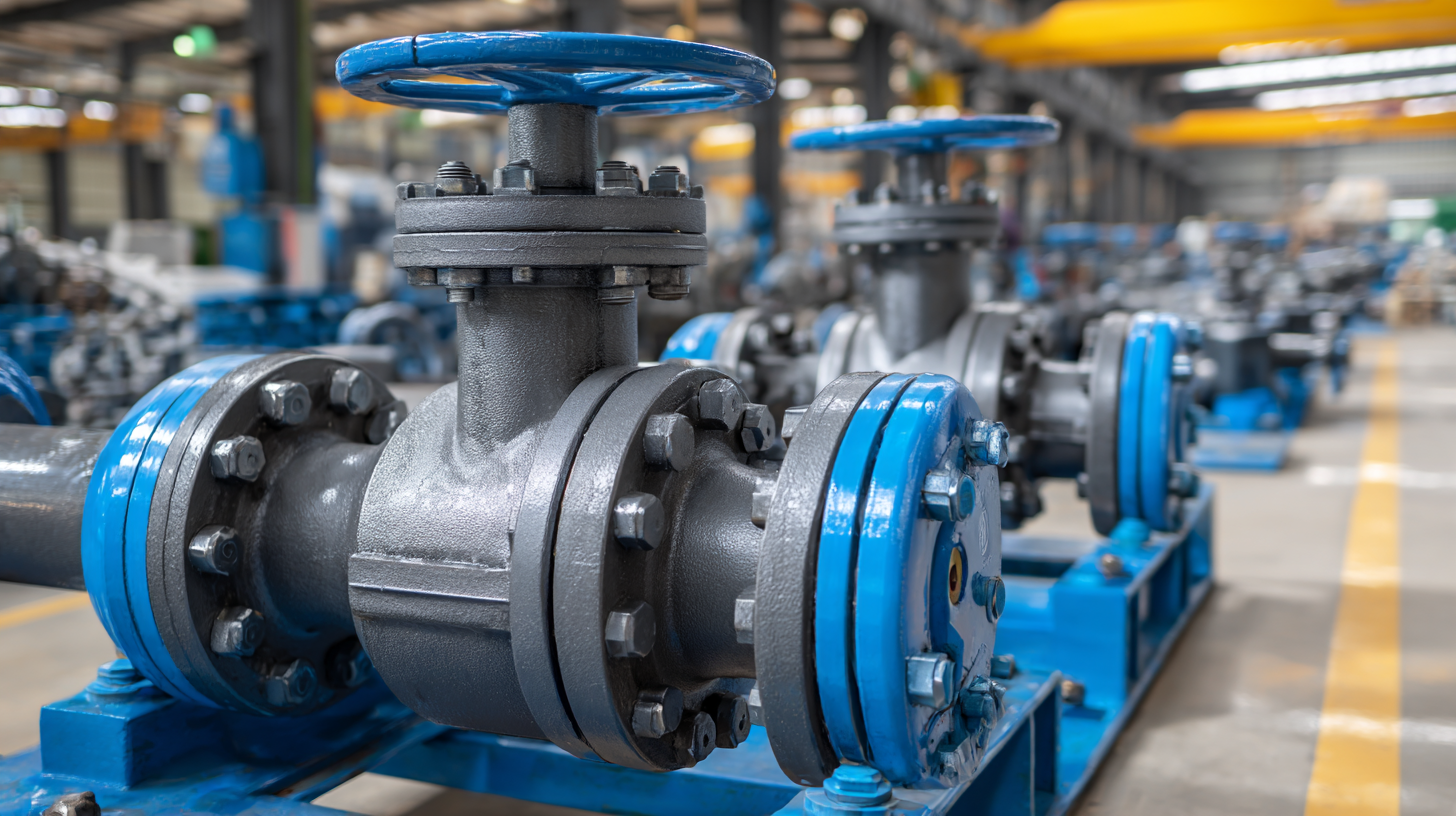
Alright, so when you're trying to pick the right flanged ball valve, the first thing you want to do is really nail down what your application needs. I came across a report from the Global Valve Market Research that says the demand for these valves in industrial settings is expected to grow about 6% each year up until 2025. That kind of growth just goes to show how important these valves are across different industries—think oil and gas, water treatment, and power plants. Each of these sectors has its own specific requirements, so it’s essential to consider those when selecting a valve.
Some of the main things to keep in mind are pressure ratings, temperature limits, and what materials the valve is made of. The ASME (American Society of Mechanical Engineers) has some guidelines showing how important it is to match valve materials with the types of fluids they'll be working with. For example, in chemical processing, stainless steel valves are super popular because they resist corrosion well. Also, knowing the flow details and fitting sizes, like those listed in standards such as ASME B16.34, can really help improve how well your system works and make sure the valve you pick is reliable and fits your needs.
Basically, take the time to understand these key points, and you’ll be in a much better spot to choose the right valve for your project.
Understanding Different Types of Flanged Ball Valves and Their Features
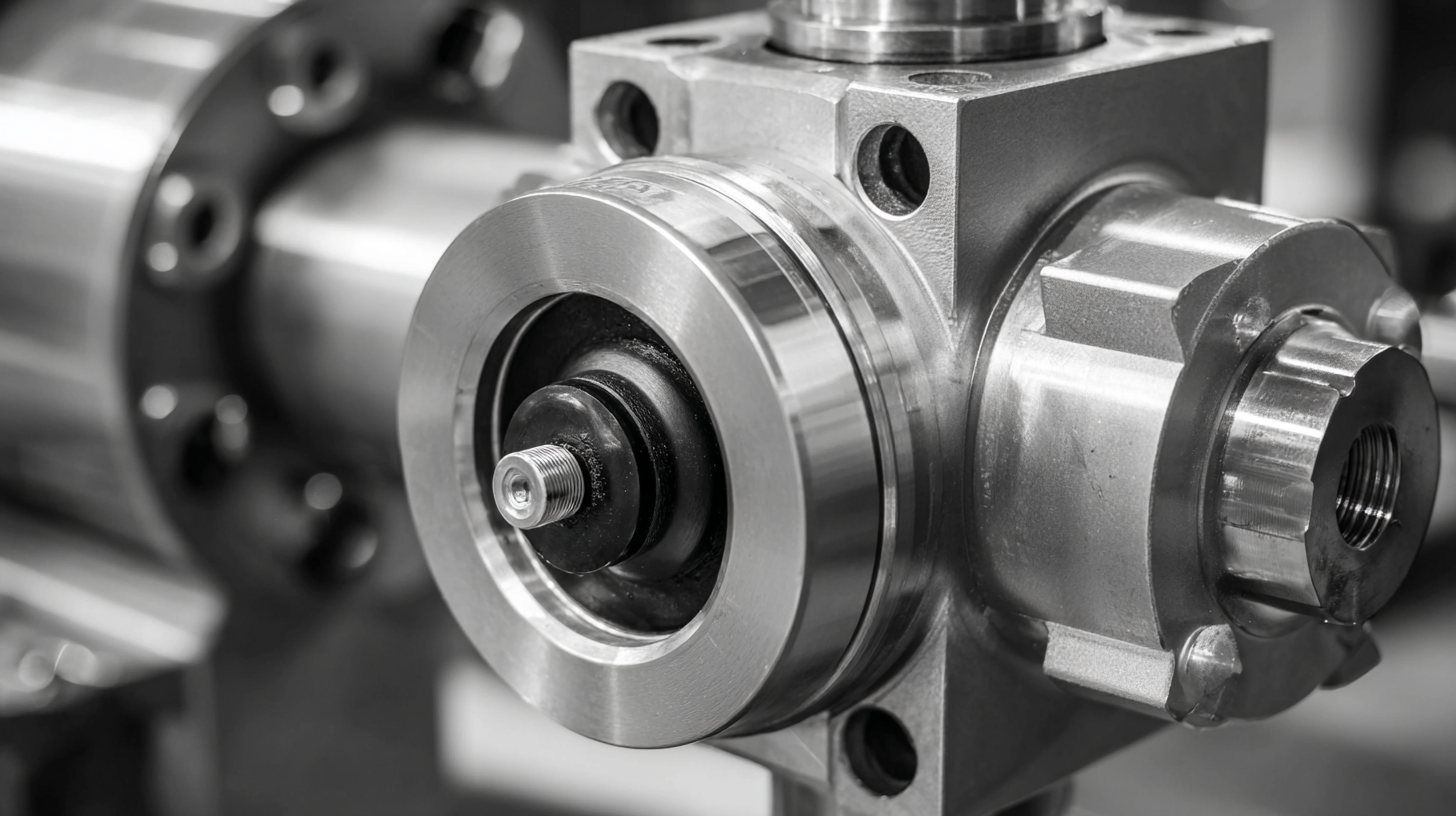
So, when you're choosing a flanged ball valve, it's pretty important to get a good handle on the different types out there and what makes each one tick. These valves are pretty common in industrial setups because they seal well and don't resist flow too much. The main kinds you'll come across are full-port, reduced-port, and V-port ball valves. Full-port ones have the same diameter all the way through, which means less pressure loss and better flow. Meanwhile, reduced-port valves have a smaller opening, which can be handy if space is tight, but you might notice a tiny bit of pressure drop with them.
Plus, the way these valves are built can really influence where they'll work best. Some come with built-in seats that give a tighter seal, and others might have a trunnion design—this helps control bigger valves under high pressure more effectively. When you're picking out a flanged ball valve, keep an eye on things like operating temperature, pressure ratings, and what materials it’s made from. That way, you're more likely to get something that not only fits your system but also lasts a good long while and performs reliably.
Key Factors to Consider When Selecting Flanged Ball Valves
When you're trying to pick the right flanged ball valve for your setup, there are a few important things to keep in mind to make sure everything works smoothly and fits well with your system.
First off, you gotta look at what material the valve is made from. These valves can be crafted from different stuff like stainless steel, brass, or PVC — and each one is better suited for certain jobs. For example, stainless steel is great if you’re dealing with corrosive environments, while PVC might do just fine for lower pressure setups.
Choosing the right material isn’t just about durability; it also affects how well the valve holds up against temperature swings and pressure changes.
Another thing to think about is the size of the valve and its pressure rating. You wanna make sure the size matches your pipeline specs so that there’s no restriction in flow. Also, understanding what pressures your system requires is super important — you don’t want a valve that can’t handle the operational demands or risks failing. Oh, and don’t forget about the connection types at the ends of the valve — they need to fit seamlessly with your existing pipes.
By taking a close look at all these factors, you’ll be able to pick a flanged ball valve that really meets your needs and helps keep your system running efficiently.
Evaluating Materials and Specifications for Durability and Performance
Picking the right flanged ball valve isn't just about ticking boxes—it really comes down to choosing the right materials and understanding the specs. If you've ever heard that about 1 in 5 valve failures happen because of material issues in certain environments, that's no joke. It’s totally worth paying attention to things like operating temperature, pressure, and what kind of media is flowing through. Usually, folks go for stainless steel, carbon steel, or plastics—they each have their perks, like resisting corrosion or being super strong.
And don’t forget, the specs matter just as much. Things like pressure limits and size are key to getting it right. Standards like ASME B16.34 are out there to help guide you—they tell you what pressure and temperature ratings your valve needs to handle. When you pick a good flanged ball valve, it not only cuts down on leaks but also keeps your flow smooth and efficient. Fun fact: choosing the right valve can actually bump up your system’s efficiency by around 15%, which can seriously save you some cash on operational costs. Bottom line: understanding these little details means you end up with a reliable, effective setup that's just right for your specific needs.
Ultimate Guide to Choosing the Right Flanged Ball Valve for Your Needs
| Material |
Temperature Rating (°F) |
Pressure Rating (PSI) |
Size (inches) |
End Connection Type |
Applications |
| Carbon Steel |
-50 to 300 |
150 |
2 |
Flanged |
Water, Oil |
| Stainless Steel |
-50 to 500 |
300 |
4 |
Flanged |
Chemical Processing |
| PVC |
-20 to 140 |
100 |
1 |
Flanged |
Wastewater Treatment |
| Bronze |
-20 to 200 |
150 |
3 |
Flanged |
Marine |
Installation and Maintenance Tips for Longevity of Flanged Ball Valves
When it comes to keeping flanged ball valves working smoothly for a long time, doing things the right way during installation and maintenance really matters. First off, make sure the installation spot is nice and clean—no dust or bits of debris, because those tiny particles can mess with how the valve operates. Also, be careful with the torque when attaching the flanges; don’t go too tight, or you might end up warping or damaging something. It’s also a good idea to double-check that the pipes are lined up properly before you screw everything in—this helps avoid putting unnecessary stress on the valve.
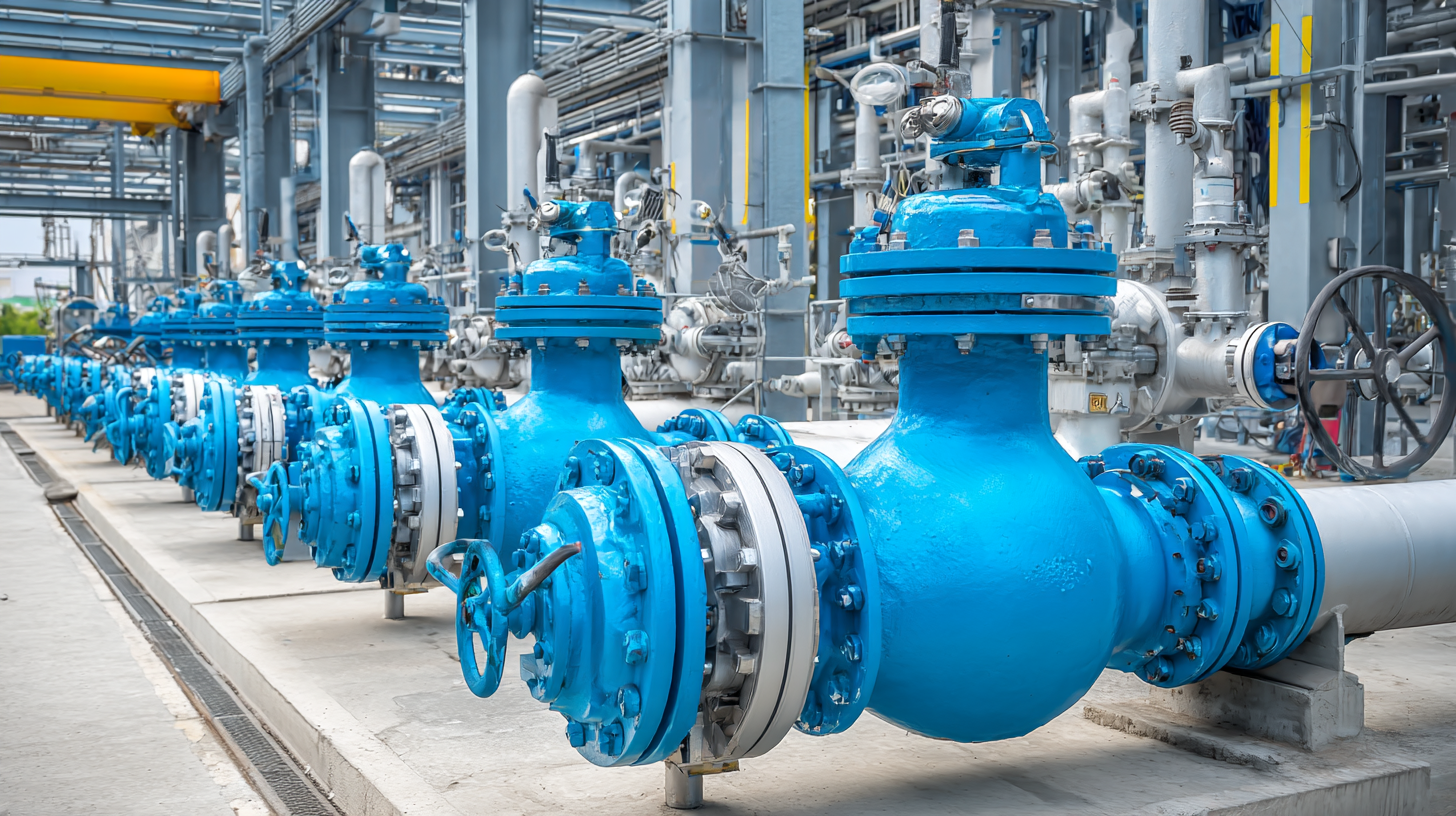
And hey, don’t forget about regular upkeep! It’s just as important as putting the thing in the right way the first time. Take some time every now and then to inspect the valve for any rust or signs of wear. If you want it to keep performing well, a little bit of lubricant on the ball and seats can go a long way—reducing friction and preventing wear over time. Also, it’s smart to open and close the valve periodically just to make sure it moves smoothly. If this valve’s part of an important system, setting up routine checks can really save the day—catching problems early and helping your valve last way longer.
All in all, paying attention to proper installation and regular maintenance will go a long way in extending the lifespan of your flanged ball valves!
Common Mistakes to Avoid When Choosing Flanged Ball Valves
When you're choosing flanged ball valves, it's easy to trip up on a few common mistakes that can really mess with your system’s efficiency—and, honestly, end up costing you more than you’d like. One of the biggest slip-ups? Not paying attention to pressure and temperature ratings. ANSI, the folks behind the standards, recommend double-checking these specs so your valve doesn’t fail unexpectedly. For instance, grabbing a 150 psi rated valve for an application that actually needs 300 psi? That’s just asking for trouble and could compromise safety and system integrity.
Another thing people often overlook is making sure the material suits the fluid they’re working with. According to the Valve Manufacturers Association, around 30% of valve problems happen because of corrosion or chemical reactions—stuff that could totally be avoided if you pick the right material. It’s a good idea to look at things like pH levels and temperature of the fluid, whether you go for stainless steel, carbon steel, or plastics. Picking the wrong materials is a common mistake that can lead to a lot of headaches down the line.
And don’t forget about how the flow works through the valve. A 2021 industry survey showed that 1 in 4 users didn’t fully get how their valve’s design impacts flow efficiency. Choosing the wrong type can cause turbulence and pressure drops, which really mess with your system’s performance. So, taking the time to understand flow dynamics and making sure your valve matches those needs is super important if you want everything to run smoothly.
FAQS
: Key factors include pressure ratings, temperature compatibility, and material selection, ensuring the valve meets the specific requirements of your application.
Material selection is crucial because 20% of valve failures can result from material incompatibility with the operating environment, affecting durability and performance.
Common materials include stainless steel, carbon steel, and various plastics, each offering different advantages in terms of corrosion resistance and strength.
Proper valve selection can enhance system efficiency by up to 15%, thereby reducing operational costs significantly by preventing leaks and improving flow efficiency.
Ensure the installation site is clean, use proper torque specifications, and check pipe alignment to avoid strain on the valve.
Regularly inspect for signs of corrosion or wear, apply suitable lubricant on the ball and seats, and periodically operate the valve to ensure it moves freely.
Routine checks should be scheduled, especially for valves in critical systems, to identify issues before they escalate.
Industry standards such as ASME B16.34 provide essential guidelines on pressure-temperature ratings for selecting appropriate valves.
Conclusion
Hey there! If you're trying to pick the right flanged ball valve for your project, our 'Ultimate Guide to Choosing the Right Flanged Ball Valve for Your Needs' is a solid place to start. We cover all the main points you need to consider—like understanding your specific application because that’s honestly the key to picking the right type and features. We go through the different kinds of flanged ball valves out there, pointing out what makes each one unique. Plus, we talk about things like size, pressure ratings, and whether they’re compatible with the fluids you're working with—stuff that really matters.
On top of that, choosing the right materials and specs is super important if you want your valve to last and perform reliably. We've also got some practical tips on how to install and maintain your valves, so they stay in good shape for as long as possible. And don’t worry—we also highlight common mistakes people make so you can avoid them and make smarter choices.
Here at Wenzhou Lifei Stainless Steel Co., Ltd., we’ve been around for over 15 years, focusing on what our customers need. Our goal? Helping you find that perfect flanged ball valve that fits your specific situation without any hassle. Trust us, once you get the hang of these tips, making the right choice will feel a lot easier!