- Home
- About Us
- Products
- Knowledge
- Service
- Resource
- News
- Contact Us
Leave Your Message
Safety and efficiency may as well be the most prominent non-attributable required features in this pompous, buzzing-evolving, highly industrial-oriented race. The "Excess Flow Valve," after all, is one of the very important components significant to these necessities. The coming years will see a remarkable increase in demand for the valves, on report by the Global Excess Flow Valve Market Report, primarily attributed to stringent safety norms dominating the global market and varied applications, including oil and gas, for effective flow control in water management. For a worldwide buyer, with the benefits of using Excess Flow Valves, it is the most reassuring method of advancing system reliability and measured compliance to industry standards.
We at Wenzhou Lifei Stainless Steel Co., Ltd. have utilized over 15 years of experience forming fluid equipment and 13 years connecting export trade to render matchless solutions that meet our customer's needs. This is borne out of our philosophy of putting customer needs ahead in everything we do. This has necessitated that we integrate quality components like Excess Flow Valves into our products. It is, therefore, upon us to add value to our clients and reinforce the efficacy and safety of their operations in an ever-competitive environment.
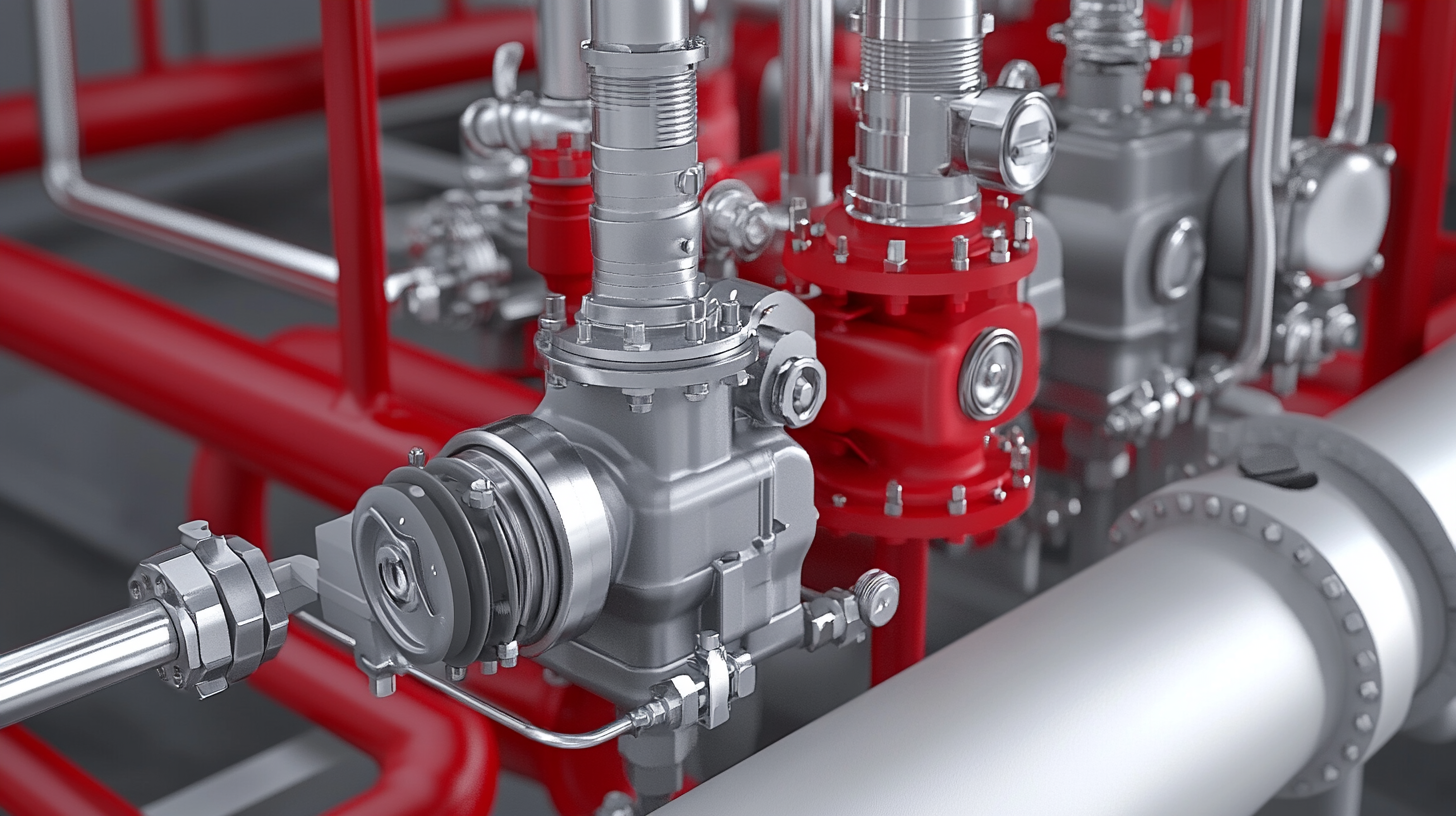
Excess flow valves (EFVs), critical to energy safety systems, protect infrastructure and prevent catastrophic failures. In the event of a line rupture and all sorts of significant leaks, these valves will automatically restrict the flow of gas or liquids. EFVs sense any differences in flow rates and will act in such a way as to limit any further loss so that explosions and fire as well as environmental damage would be put on the least. The automatic operation is very vital in safeguarding pipeline operation, which keeps energy systems intact and safe. The fundamental function of excess flow valves is the enhancement of safety for consumers and operators alike. Particularly, the EFV serves as a safety damper in the oil and gas business, stopping flow under high pressure and thereby preventing major catastrophes. Not only timely closure of the valve protects equipment and environmental damage, but also the timely closure protects the safety of personnel who might have been present at the site. For situations in which human assistance may not arrive in time, the reliance on excess flow valves for reactive safety constitutes one crucial aspect of emergency preparedness. Moreover, they promote environmental protection and are essential to regulatory compliance. By managing flow and minimizing leaks, they indeed, help ensure operations remain within legally permissible limits regarding safety. Thus, compliance saves the company from possible penalties and promotes the responsible energy sector, an important marketplace theme today. Therefore, around the global buyers can value double when investing in excess flow valves: a safe environment, and the comfort of being regulatory-compliant.
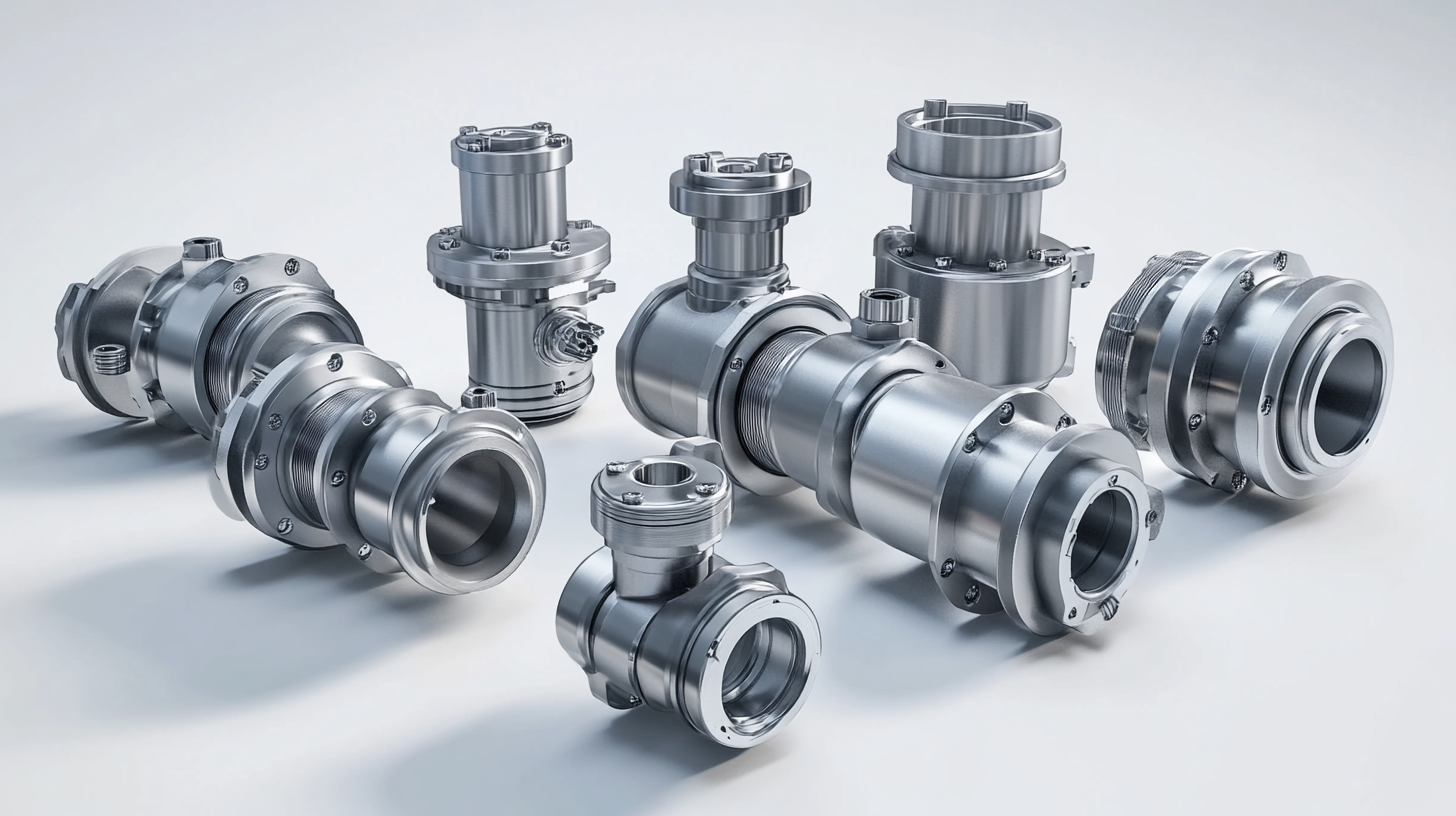
EFVs are safety apparatus that are essential in all industrial sectors in safeguarding the integrity of pipeline systems. These valves minimize attempts on leakages and catastrophic failures by automatically responding to sudden increases in flow, such as those caused by pipe ruptures or equipment failure. With immediate shutoff or throttling actions, EFVs confine all the hazardous materials inside the pipeline, thereby saving the environment and ensuring the safety of surrounding communities.
More importantly, EFVs contribute directly to the enhanced reliability of pipeline operations. Operational integrity is especially key within the context of booming demand for energy and raw materials. In this respect, EFVs add to the pipeline system's immediate protection against the irregularities in flow. An immediate response lessens risks, lessens downtime, and enhances the long-term, efficient management of resources, which saves company money.
Lastly, the use of excess flow valves aids in regulatory compliance. Governments and many industry standards require the implementation of certain measures to prevent risk from leaks and spills. By including excess flow valves into their infrastructure, the companies show that they take safety and environmental stewardship seriously. This proactive step not only assures compliance but also builds the company's image in the eyes of consumers and other stakeholders who are increasingly looking for sustainability when making purchasing choices.
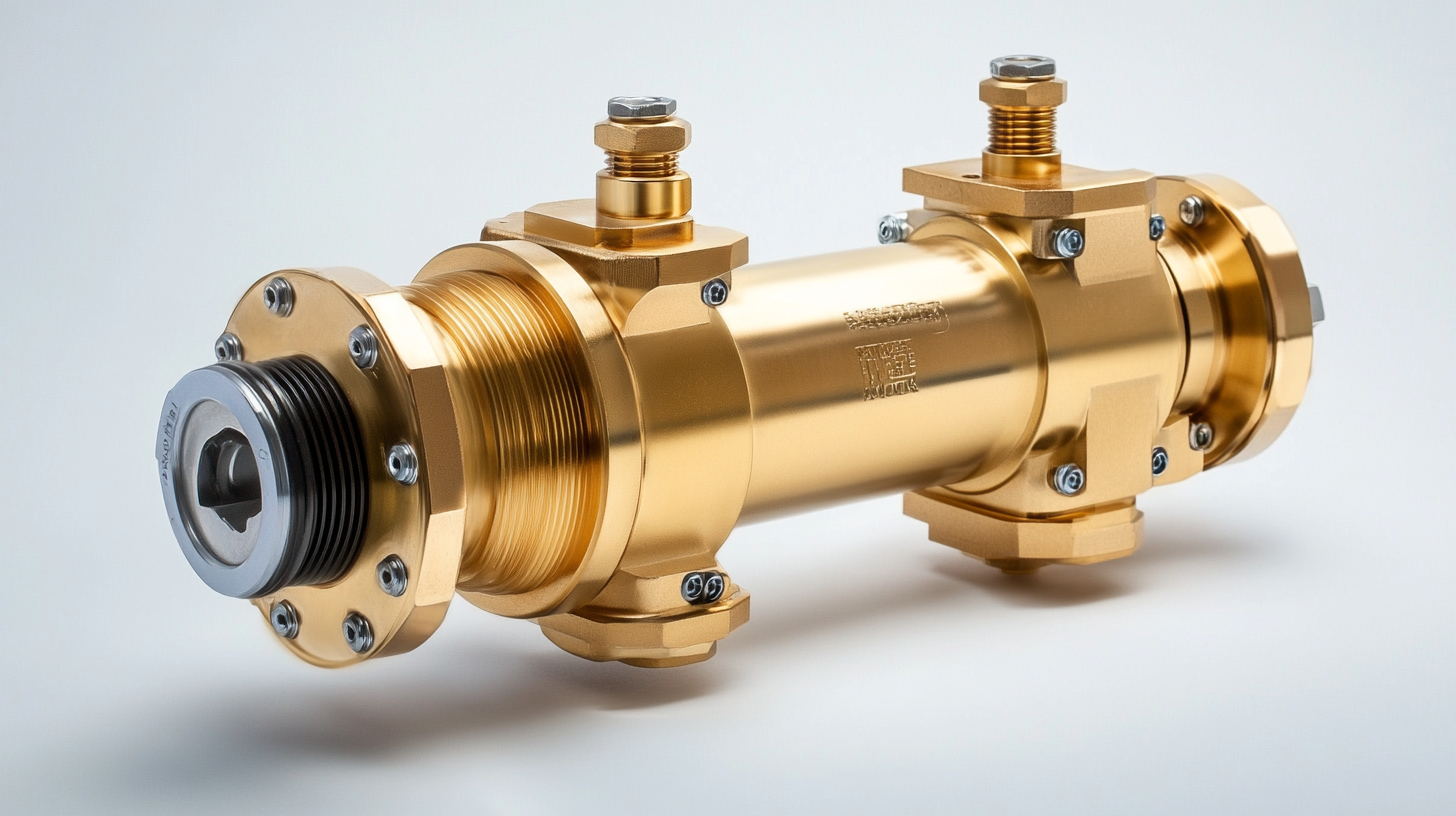
Economic feasibility of excess flow valves (EFV) has become more critical in the perception of global clients, as industries try to juggle safety with efficiency. EFVs present a vital safety apparatus that prevents hazards in pressurized systems by automatically cutting off the flow of the operated medium with the abnormal raise in pressure building up in the pipe. It reduces the chance of accidents and huge costs linked with cleanup of spills and prospective penalties.
These valves will indirectly make major contributions toward minimizing maintenance costs and preventing major operational interruptions. The firm setting these regulations are tightening up worldwide for safety standards, so installing EFVs will enhance the reputation of the company in the market. This will serve a dual purpose: to comply with regulations and enhance the reputation of the company, and this is definitely an edge over its contemporaries, who may choose to ignore these important safety precautions.
The introduction of advanced technologies, for example, solar energy schemes, will reduce carbon footprints proven in many industries. Companies can also evaluate cost savings and sustainable practice options by implementing EFVs toward global sustainability goals. Thus, with safety and sustainability in mind by efFectively employing EFVs for the enterprise' resilience, the companies are also contributing toward the environment.

Excess-flow valves will be very instrumental in creating an environmental "umbrella" in several industries and especially in natural gas distribution. These valves automatically close when an increase in flow, such as due to a pipeline rupture or equipment failure, occurs so that leaks can't develop and so that environmental pollution will not happen. This, according to the American Gas Association report, shows that, although EFVs are pretty high in cost, their application in pipes would cut gas leaks significantly by up to 75% and, therefore, lessen the environmental footprint with respect to pipeline incidents.
Furthermore, increasing regulatory compliance would propel the agenda of installing excess flow valves to live up to specific environmental laws and regulations. The Environmental Protection Agency (EPA) also projects that over 80% of methane emissions derive from uncontrolled releases from gas systems. Stakeholders in the industries commit toward protecting the environment while also ensuring compliance against the background of sustainable businesses. This, once again coincides with findings of an International Energy Agency study, which confirms the growing pressure being exerted on companies to mitigate greenhouse gas emissions, making the case for EFVs as compelling as ever.
Aside from having a greener picture, excess flow valves would also be for the common man. By keeping methane off the ground, these companies would be saving what could go towards payment of fines or losses that would have been caused by loss of gas, in general. The report emanating from the Global Environment claims that companies incorporating the EFVs could record marvelous savings while taking their places among good corporate citizens raising the flags for environmental stewardship.
In short, the benefits of the excess flow valves transcend mere compliance with regulation, making up benefits that reach deep into emotional as well as economic realities.
Understanding regulatory compliance for excess flow valves in the fast-paced world of global industries is gaining increasing importance for buyers world over. The recent publication of the draft regulations on data security management by China's National Financial Regulatory Administration exemplifies the growing clamor for compliance standards cutting across industries, including manufacturing and energy. Some of the considerations with the excess flow valve as a safety component in the transport of gas and liquids are the very stringent regulatory standards enforced on it to prevent any hazards and allow for reliable operation.
Customarily, these wide-ranging guidelines that are, in fact, counterparts such as "Measures for the Data Security Management of Banking and Insurance Institutions" are indicative of a far much general trend for stricter oversight over equipment safety and resource management. In fact, many companies, perhaps raging from 60% of those reporting regulatory burdening in the last year, will consider enforcement of such high compliance standards as protection against heavy financial penalties and damage to their own reputation. Compliance is a force that motivates the improvement of safety technology but can also necessarily urge manufacturers to change investment priorities in R&D to meet compliance accreditation.
As the market evolves, therefore, stakeholders need to know the rapid speed of changes in various regulatory frameworks. Such reports further suggest that companies practicing good compliance stand 40% less chance of having operations disrupted by regulatory issues. Acquiring the knowledge of the implications of these regulatory frameworks brings insight to global buyers aiming to source excess flow valves that conform to local and worldwide standards while securing the safety and efficiency of their operations.
Excess flow valves (EFVs) are game-changers in so many industries because of their safety and efficiency on the ground. For EFVs, take the example of the oil and gas industry, where they are regarded as safety apparatus that stop the flow of gas if a pipeline is significantly ruptured. The American Petroleum Institute (API) reports that the application of EFVs in natural gas distribution systems has led to a 30% reduction in the incidences of gas leaks, which signifies their crucialness in alleviating environmental risks and ensuring operational reliability.
The application of EFVs serving the same area of applicability is yet again evident in the water distribution systems. A case study by the Water Research Foundation has demonstrated how a metropolitan water authority implemented EFVs into their infrastructure. The conclusion indicated a 20% reduction in unaccounted-for water at peak demand, proving that the valves not only prevent backflow, securing safety, but also serve to heighten resource efficiency. These and similar success stories are good indicators for the further adoption of EFVs among global buyers in search of sustainable solutions.
Another sector that has reported great success with the application of EFVs is the thermal energy sector. From surveys carried out by the International Energy Agency (IEA), facilities with EFVs had 25% fewer emergency shutdowns owing to unforeseen pressure surges. This accolade certainly strengthens the case for EFVs in new projects and retrofits in a safety context to achieve optimum performance. The application success stories from many sectors further attest to the need of integrating EFVs as global buyers seek to cement operational resilience.
It is definitely critical to understand the requirements of the specific application before the selection of excess flow valves. Such valves perform a vital function in pressure protection of systems by yielding an automatic shut-off of flow if a pipeline is breached or fails. Your number one priority as a global buyer should be to ascertain the right valve so that reliable performance can be ensured. Also, topics such as pipe size, flow rate, and type of fluid should be considered, ensuring that the valve fits not only the dimensional requirements of your system but also operates adequately in different environmental conditions.
Another very important consideration is with respect to valve materials and design. For example, excess flow valves are available in various materials such as brass, stainless steel, and plastics, with different properties specifically employed for different applications. Thus, for instance, valves can be made of stainless steel, especially in conditions with corrosive features, while brass valves are routinely applied in water systems. Furthermore, you can also have a view of the technical specifications, including a pressure rating and actuator type, that weigh into your final decision. They should discuss thoroughly with the manufacturer or technical expert to make sure the selected valve fits perfectly in terms of operational performance and safety standards.
Finally, what cannot be overemphasized is the support and service provided by the supplier. More often than not, a reputable supplier would therefore not only supply quality product but go further to provide technical assistance and advice on selection as well so that you could choose an excess flow valve that would efficiently meet your unique needs. Thus, paying attention to these key areas leads to making an informed choice towards enhancing the safety and performance of your systems globally.
The cry for doing work for the increased safety measures is found at the highest point as the industries undergo changes. The emergence of excess flow valves has come even as it stands to be said that it serves the purpose of maintaining system integrity in cases when surge from unexpected flow rates occurs. The development of EFV will be where your smarter, more responsive features will cater to the global buyers. Real-time monitoring and automated shut-off as modifications on the future EFV create more room for safety and compliance with the environmental concerns and regulations.
One trend has taken the EFV technology in the way of IoT, with the devices becoming part of other system components aligned with the technology for communication. Maintenance prediction with such will cut downtime, thus improving productivity further. Another impact of the advanced materials will ensure higher reliability and durability valves that can tolerate extreme conditions and perform over time. So, and the other thing that might be going into the green direction is process manufacturing, which will affect how EFV is designed and later manufactured.
However, as industries aim for optimum processing efficiencies, the trend will increasingly expand towards customization of these valves according to specific operation requirements. Thus, the supplier who has best value customization coupled with the latest technology will stand out from the rest in this cut-throat marketplace. Indeed, this capability will help meet the aspirations of all such global buyers who are willing to have the best safety measures in place, but at the same time would like to add value to the overall efficiency of their systems. The coming years will witness advances in excess flow valves purely through technology and innovation in industrial settings.
Excess flow valves (EFVs) are devices that automatically close when there is a significant increase in flow, such as during a pipeline rupture or equipment failure, to prevent leaks and environmental contamination.
EFVs can reduce the risk of gas leaks by up to 75%, helping to minimize the environmental footprint associated with pipeline incidents and align with stringent regulatory frameworks.
The Environmental Protection Agency (EPA) estimates that over 80% of methane emissions come from uncontrolled leaks in gas systems, highlighting the need for effective leak prevention measures like EFVs.
Yes, utilizing EFVs helps mitigate financial losses due to gas wastage and regulatory fines, contributing to significant cost savings and enhancing a company's reputation as an environmentally responsible entity.
In the oil and gas sector, EFVs have led to a 30% reduction in gas leak incidents, while in water distribution, a metropolitan water authority reported a 20% decrease in unaccounted-for water during peak demand periods.
Facilities using EFVs have experienced a 25% reduction in emergency shutdowns due to unexpected pressure surges, demonstrating their importance for safety and performance optimization.
The adoption of EFVs assists companies in meeting environmental regulations, which are becoming increasingly strict, thus ensuring operational compliance and sustainability.
By preventing backflow and reducing escapes, EFVs help improve resource efficiency across water distribution systems, showcasing their versatility beyond just gas applications.