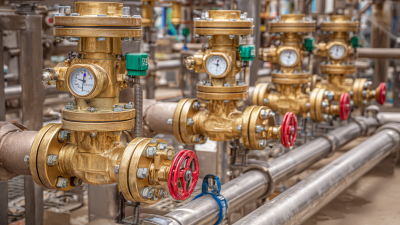
When it comes to fluid equipment, picking the right components really makes all the difference in keeping things running smoothly and efficiently. Take check valves, for example—they're super important for stopping backflow and keeping the flow going in the right direction. You'll find them in all sorts of applications, from water treatment plants to heavy industrial stuff.
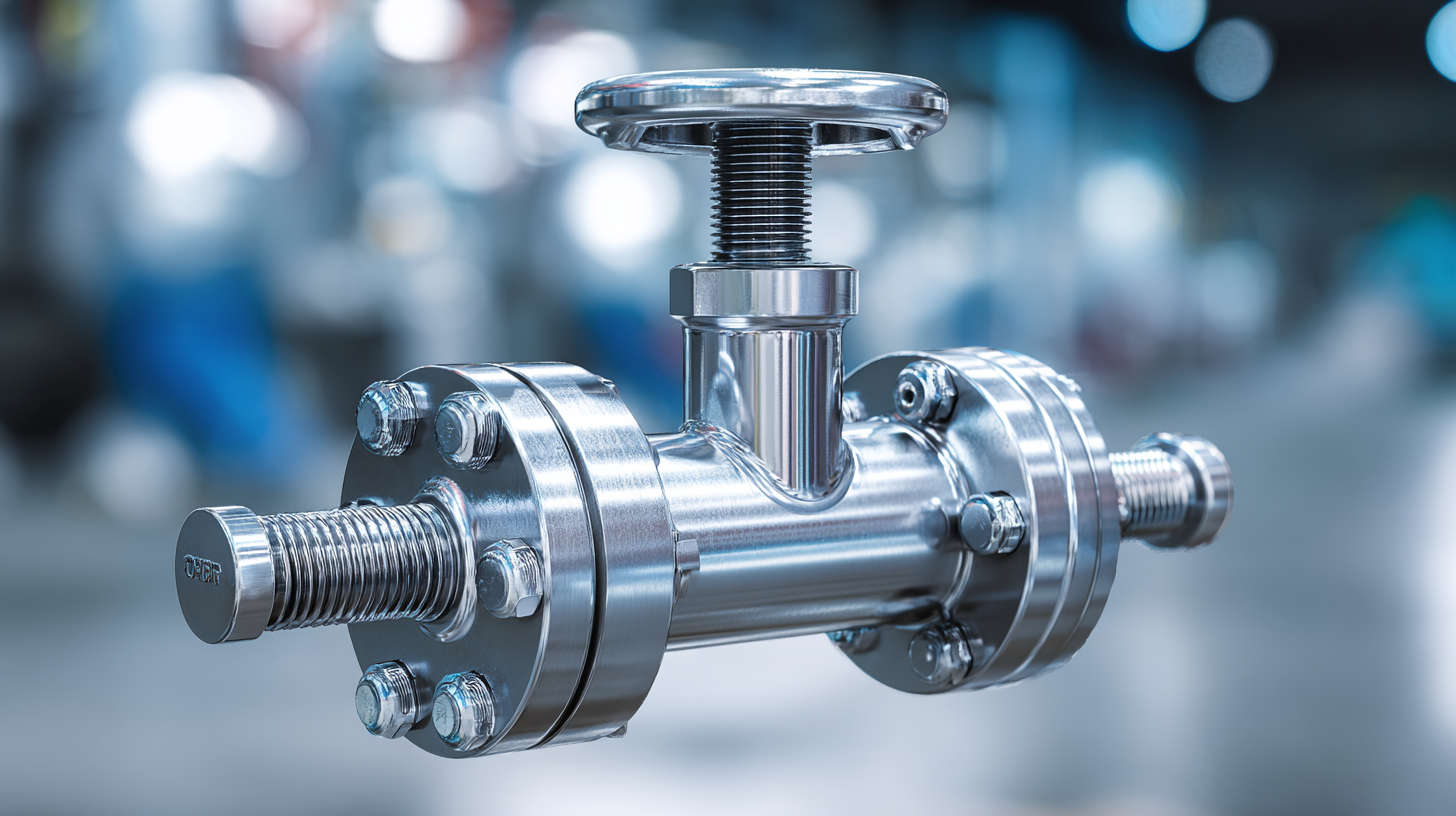 I recently came across a market report that said the global check valve market is expected to grow at over 6% annually through 2027. That just shows how crucial these little guys are becoming for keeping operations running without a hitch. Here at Wenzhou Lifei Stainless Steel Co., Ltd., we've been in the game for over 15 years, manufacturing fluid equipment, and honestly, customer satisfaction is our top priority. We know how critical it is to choose the right check valves—it's not just about meeting standards, but exceeding them. Our goal is to offer products that help our clients succeed and stay ahead of the curve.
Key Factors to Consider when Selecting Check Valves for Efficiency
When you're picking out check valves for your system, there are a few important things to keep in mind. First off, you really need to understand the flow direction in your setup since check valves are built to let fluid flow in just one way. Choosing the right type—like swing, spring-loaded, or diaphragm—can make a big difference in how well your system runs. Also, it’s helpful to get a grip on the pressure and temperature conditions your system experiences. This way, you can pick materials that can handle the stress without blowing out or losing efficiency.
Another thing to think about is the size and connection type of the valve. Using a mismatch can cause flow restrictions or create turbulence—both of which aren’t great for system efficiency. Whether your system uses flanged, threaded, or welded connections, make sure they match up nicely to avoid headaches later on. And don’t forget about maintenance—some check valves with fewer moving parts tend to be easier to upkeep and can keep things running smoothly longer. All in all, by considering these points, you’ll be able to choose a check valve that really boosts your system’s performance and longevity.
5 Essential Tips for Choosing the Right Check Valves for Optimal Efficiency
This bar chart illustrates the key factors that affect the efficiency of check valves, highlighting their importance in various applications.
Understanding Different Types of Check Valves and Their Applications
Check valves might sound like pretty technical stuff, but they actually play a vital role in lots of different fluid systems. Basically, they stop things from flowing backwards and make sure the flow goes in the right direction. If you’re trying to figure out which check valve is best for your setup, it’s good to know a bit about the main types out there. The most common ones are swing check valves, lift check valves, and dual plate check valves — and each one has its own quirks that make it better suited for certain jobs. According to a report by ResearchAndMarkets, the global market for check valves is expected to hit around 3.5 billion USD by 2025. That’s mainly because of rising demand in water treatment, oil and gas industries, and power generation.
Swing check valves are pretty popular because they're simple and don’t cause much pressure loss. They work great whether you’re putting them in a horizontal or vertical pipe run, especially when the flow direction doesn’t change much. On the other hand, lift check valves are often the go-to for high-pressure setups—they help keep pressure loss minimal. Then there are dual plate check valves, which are super versatile and don’t take up much space. They’re good with all sorts of fluids, even those that are corrosive or super hot. Picking the right type really depends on things like what kind of fluid you're dealing with, the pressure levels, and the space you have for installation. Bottom line: choosing the right check valve helps your system run smoothly and last longer.
5 Essential Tips to Choose the Right Check Valves for Optimal Efficiency - Understanding Different Types of Check Valves and Their Applications
| Type of Check Valve |
Key Features |
Common Applications |
Advantages |
Considerations |
| Swing Check Valve |
Allows flow in one direction, disc swings open |
Water, sewage, oil pipelines |
Low pressure drop, simple design |
Can be noisy, not suitable for pulsating flow |
| Lift Check Valve |
Disc moves up and down, similar to a globe valve |
Pump discharge, air conditioning |
Good for vertical installations |
Higher pressure drop, more complex design |
| Ball Check Valve |
Uses a ball to block flow, very effective sealing |
Food and beverage industry, chemical processing |
Minimal pressure loss, prevents backflow |
Sensitive to debris, requires maintenance |
| Silent Check Valve |
Spring-loaded closure mechanism to minimize noise |
HVAC systems, water supply lines |
Reduces water hammer effects, quiet operation |
More expensive, complex installation |
| Dual Plate Check Valve |
Two plates that open and close to allow flow |
Oil and gas industry, water management |
Compact design, low pressure drop |
May have maintenance issues, higher installation cost |
Evaluating Material Compatibility for Optimal Check Valve Performance
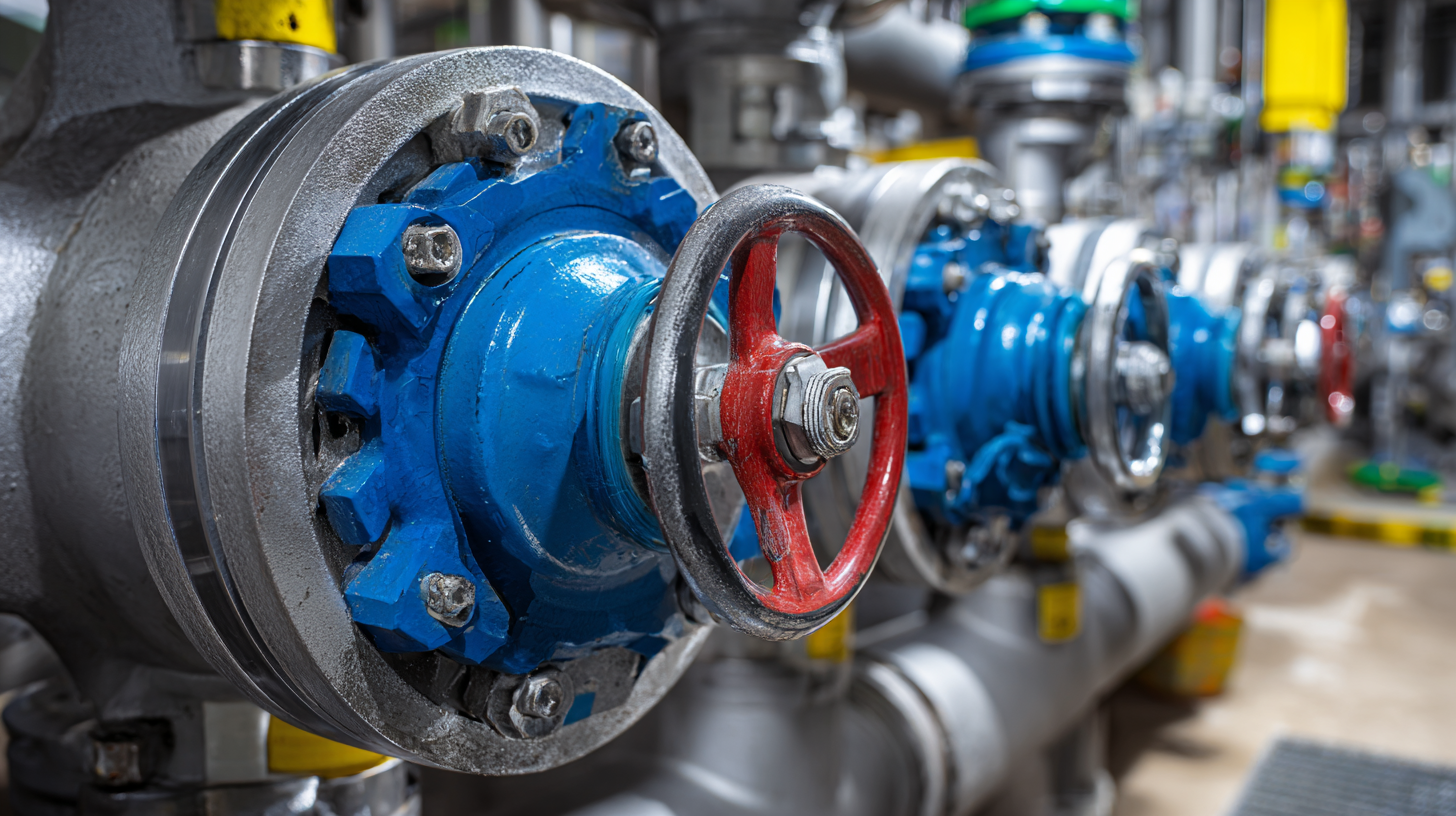 When you're choosing check valves for your fluid systems, it's really important to think about the materials you're using. Picking the right material can make a big difference in how long the valve lasts, how well it works, and the overall health of your system. For example, many folks go with stainless steel because it resists corrosion and is super strong. It’s a go-to choice for industries like chemical processing or water treatment. At Wenzhou Lifei Stainless Steel Co., Ltd., we’ve got tons of experience helping people pick the best materials for their specific needs, so we can definitely guide you through the process.
One thing to keep in mind is the type of fluid you're working with and the conditions your system will face. If you're dealing with low-pressure, non-corrosive fluids, options like PVC might do the trick. But if things get high-pressure or involve corrosive fluids, stainless steel is usually the safer bet. Also, make sure the material can handle the temperature and pressure levels it’ll be exposed to. Don’t forget—regular checks and maintenance are key! Keeping an eye on how the materials perform over time will help you spot any issues early and avoid costly failures or inefficiencies.
And here's a tip—talk to a reputable manufacturer who really understands your needs. At Lifei Stainless Steel, we care about giving you solutions that truly match your requirements. Our goal is to help you pick valves that keep your systems running smoothly and efficiently. We’re all about making sure you get the right fit, so don’t hesitate to reach out and chat about what you need!
Importance of Size and Flow Rate in Choosing Check Valves
When you're choosing check valves, it’s pretty important to get a handle on both size and flow rate if you want your piping system to run smoothly. The size of the valve really affects things like pressure drop and how well the flow performs overall. If the valve is too small, it might choke the flow, causing turbulence and maybe even wearing out faster in the long run. On the flip side, going too big with the valve can lead to poor sealing and waste energy—so, yeah, matching the right size to what your system actually needs is key.
And don’t forget about flow rate! That’s another big deal because each check valve is built to handle a certain flow range. If the flow gets too high—well, that can cause the valve to slam shut or chatter, which isn’t great and can damage it or mess up your whole setup. On the other hand, if the flow’s too low all the time, the valve might not work properly, and you could even end up with some backflow issues. So, getting a good read on both the size and flow rate really helps ensure your check valves fit right in and do their job well, making everything more efficient and reliable down the road.
Maintenance Considerations for Long-Term Check Valve Efficiency
When you're choosing check valves to keep things running smoothly, it's really important to think about
maintenance from the get-go. I read somewhere—actually, a report from the
Hydraulic Institute—that neglecting regular upkeep can cut a check valve's
lifespan by up to half. So, doing regular checks on seals, flanges, and those tiny internal parts can catch wear and tear
early on, saving you from big, costly failures down the road. Setting up a routine maintenance plan not only helps you
spot issues early but also makes your whole system more dependable.
And don’t forget, keeping the valves clean and properly lubricated is key. The
American Society of Mechanical Engineers mentions that debris buildup can mess with how the valve works, potentially causing
backflow issues or just making things less efficient. Using good quality lubricants, as recommended by manufacturers,
can really help reduce friction and fight off rust, which means your valves last longer. Plus, keeping an eye on how things perform
after maintenance can give you some helpful insights—allowing you to tweak your maintenance schedule before small problems
turn into big ones. Bottom line: regular care and attention go a long way
in keeping your fluid control systems running at their best.
Common Mistakes to Avoid When Selecting Check Valves for Systems
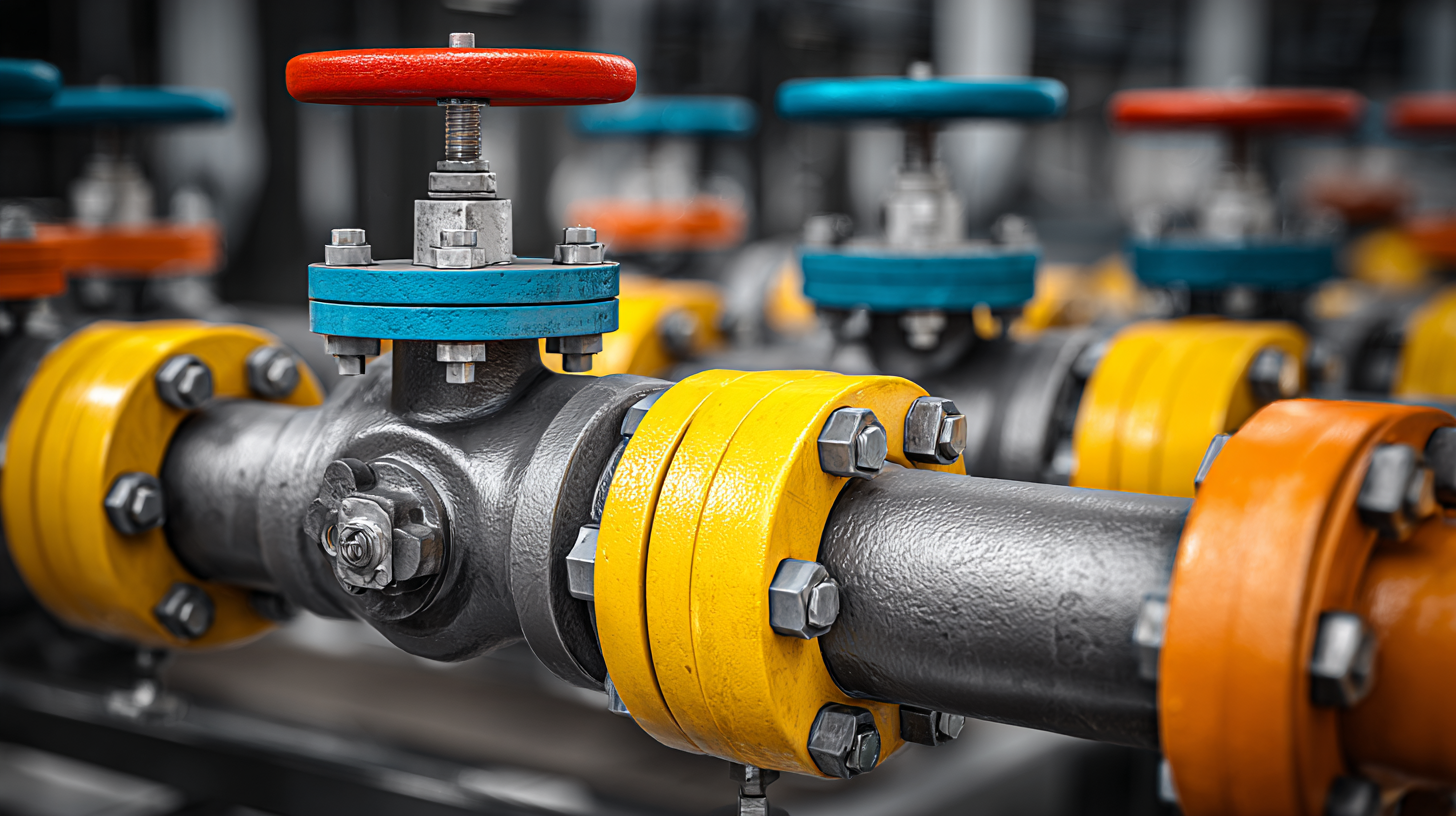 When you're choosing check valves for your system, it's really important to watch out for some common pitfalls that can lead to inefficiency or even costly repairs down the line. One of the biggest mistakes people make is not paying enough attention to what the application actually needs. Every setup has its own pressure, temperature, and fluid type requirements—that’s all stuff that directly impacts how well the valve will work. So, make sure the check valve you pick is rated for those specific conditions—that way, you won't end up with something that fails prematurely.
Another thing that often gets overlooked is sizing and flow considerations. Using a valve that's too small or too big can really mess with your system—restricting flow, wasting energy, or causing bigger problems over time. It's usually a good idea to check out the manufacturer's specs or talk to an expert to get the sizing just right—trust me, it makes a difference.
Here's a quick tip: don’t just go for the cheapest option out there. It might seem like saving some bucks now, but investing in good quality check valves pays off in the long run because they last longer and work more reliably. Less headaches, fewer repairs.
And let’s not forget about installation. Putting the valve in the wrong way or skipping the guidelines can totally mess with its performance—leaks, poor sealing, the works. So, take your time and follow all the instructions carefully to keep everything running smoothly.
Enhancing Fluid Control Efficiency: Analyzing the Market Trends and Usage of Sanitary Stainless Steel Clamped Three-Way Zero Leakage Ball Valves
In the realm of fluid control, the demand for reliable and efficient mechanisms has led to the popularity of sanitary stainless steel clamped three-way zero leakage ball valves. These valves are designed to meet the rigorous requirements often needed in industries such as food and beverage, pharmaceuticals, and chemicals, where hygiene and precision are paramount. By enhancing fluid control efficiency, these valves not only ensure safety and compliance with industry standards but also contribute to optimizing operational workflows.
Manual three-way stainless steel ball valves, in particular, are noted for their versatility and robust design. They are engineered to provide tight shut-off, making them ideal for applications that involve high volume, high pressure, and high temperature flow. Their superior ease of operation allows for straightforward regulation of fluid flow, which minimizes the risk of leaks and contamination. Additionally, the rugged construction of these valves guarantees a long service life and low maintenance costs, thereby proving to be a cost-effective solution for businesses looking to improve their fluid management processes. As market trends continue to shift towards greater efficiency and sustainability, the adoption of these sophisticated ball valves is poised for significant growth.
FAQS
: Check valves are essential components in fluid systems designed to prevent backflow and ensure proper flow direction.
The most common types include swing check valves, lift check valves, and dual plate check valves, each suited for specific applications.
Swing check valves are favored for their simple design and low-pressure drop, making them ideal for both horizontal and vertical installations with consistent flow direction.
Lift check valves are better for high-pressure applications because they minimize pressure loss.
Dual plate check valves have a compact design and versatility, making them suitable for a wide range of fluids, including corrosive and high-temperature substances.
The size directly impacts pressure drop and overall flow performance. A valve that is too small may restrict flow, while an oversized valve can result in poor sealing performance and energy inefficiencies.
Each check valve is designed to handle a specific range of flow rates; exceeding the capacity can cause damage, while a flow rate below the minimum threshold may not allow the valve to operate properly.
Careful consideration of size, flow rate, media type, and pressure conditions is crucial to selecting the right check valve for enhanced overall efficiency and reliability in the system.
Conclusion
Picking the right check valves really matters if you want your system to run smoothly and perform at its best. It’s important to get a handle on the different kinds of check valves out there and know which ones fit your specific needs because each type can make a big difference in controlling the fluid. Also, don’t forget to check if the material’s compatible with the fluid you’re working with — this is key to making sure your check valves last and work properly. Size and flow rate are also crucial factors if you’re aiming for top-notch efficiency, and a bit of regular maintenance can go a long way in keeping everything running smoothly over time.
At Wenzhou Lifei Stainless Steel Co., Ltd., we’ve got plenty of experience in manufacturing and exporting fluid equipment, so we’re here to help our clients make smarter choices when it comes to check valves. We know the common pitfalls to watch out for, and we work closely with our customers to understand their unique needs. Our goal? To make sure they're happy with our products and their systems keep performing well.