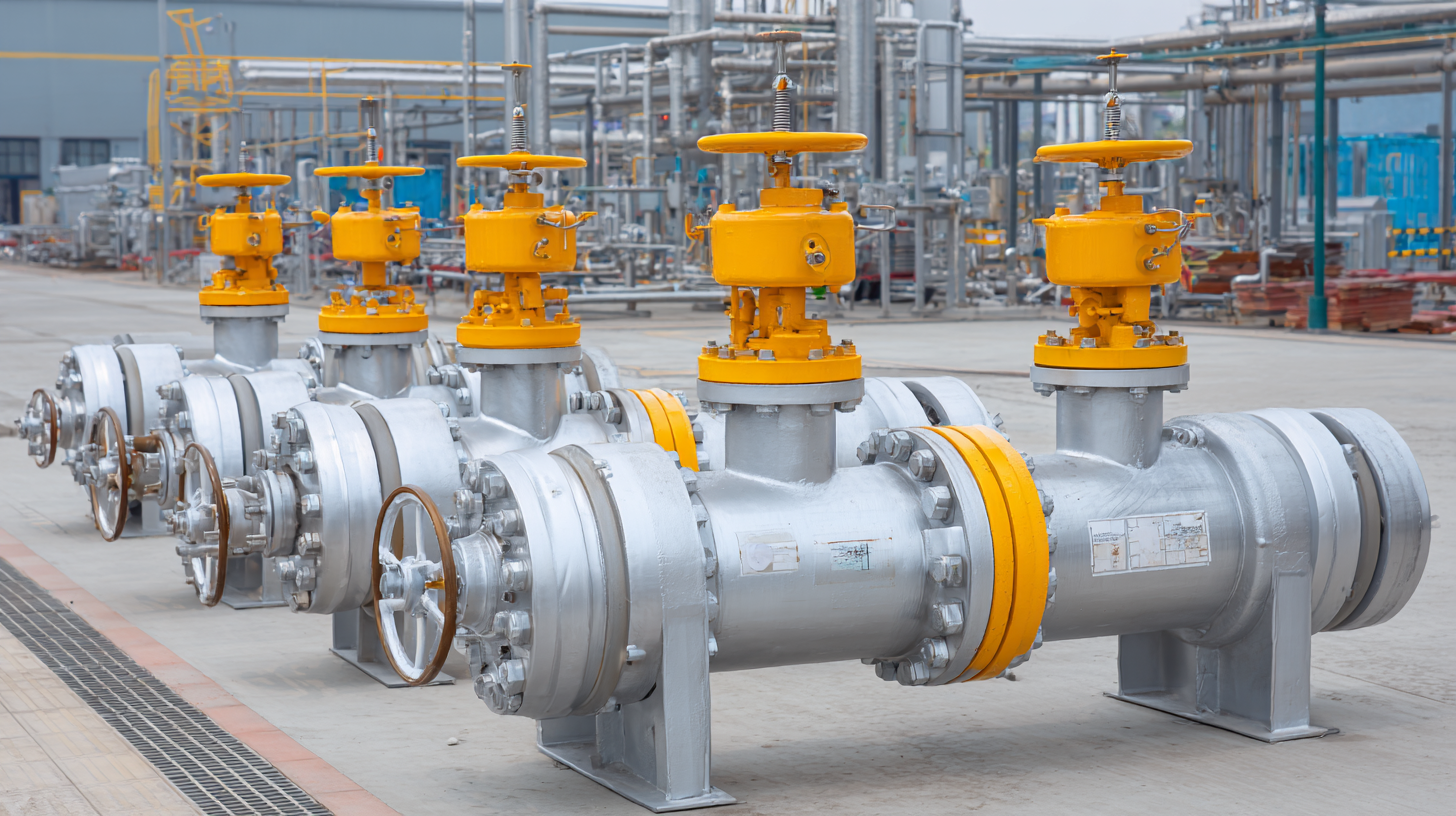
In the fast-paced world of industrial operations, keeping things safe and reliable is a top priority—that’s where Pressure Safety Valves come into play. At Wenzhou Lifei Stainless Steel Co., Ltd., we've been around for over 15 years, working in the fluid equipment industry, and 13 of those years have been focused on export trade. We really get how important these valves are for protecting both equipment and people. Our main goal is to put our customers first—everything we do centers around meeting their needs. That’s why we’re committed to offering high-quality products that boost safety and operational efficiency.
In this ultimate guide, we’ll walk you through seven key reasons to choose Pressure Safety Valves for your industrial setups. We want you to see how crucial they are and the real value they bring to your operations. As your trusted partner, we’re here to meet your expectations and make sure you’re totally satisfied with every product we deliver.
Key Advantages of Utilizing Pressure Safety Valves in Industrial Applications
Picking the right safety features is really important in industrial settings, and pressure safety valves—PSVs—are definitely one of the key players. One thing I’ve found pretty great about PSVs is how they can actually prevent major equipment failures. They do this by automatically releasing excess pressure, which keeps everything running smoothly and safely. This is especially crucial in industries where high-pressure systems are common, because it not only helps your gear last longer but also keeps the people working safe.
Another plus? Over time, PSVs can actually save you money. Sure, they might seem pricey upfront, but think about how much you save by avoiding costly breakdowns, repairs, and even legal troubles down the line. Plus, modern PSVs are often designed to be pretty easy to maintain or swap out quickly, so they don’t cause a headache. By including pressure safety valves in your processes, you're not just ticking off safety regulations—you’re building a culture of safety and reliability that pays off in the long run. It’s really about protecting your team and your investment, y’know?
7 Essential Reasons to Choose Pressure Safety Valves for Your Industrial Needs - Key Advantages of Utilizing Pressure Safety Valves in Industrial Applications
| Advantage |
Description |
Application Type |
Safety Compliance |
| Prevents Overpressure |
Automatically releases pressure to prevent equipment failure. |
Chemical Processing |
Yes |
| Reliability |
Designed for consistent performance and durability. |
Oil and Gas |
Yes |
| Easy Maintenance |
Simplifies inspections and valve servicing. |
Power Generation |
Yes |
| Versatility |
Suitable for various gases and liquids. |
Food and Beverage |
Yes |
| Compact Design |
Space-saving design that fits in tight installations. |
Manufacturing |
Yes |
| Cost Effective |
Reduces equipment damage and avoids costly downtime. |
Water Treatment |
Yes |
| Regulatory Compliance |
Ensures alignment with safety regulations and standards. |
Pharmaceuticals |
Yes |
Understanding the Role of Pressure Safety Valves in Preventing Equipment Failure
Pressure safety valves, or PSVs, are super important when it comes to keeping industrial equipment safe and running smoothly. Basically, they kick in automatically to let out any excess pressure — kind of like a safety valve on a boiling pot — so that stuff doesn’t blow up or get damaged. Not only does this help protect the machinery, but it also keeps people and the environment safe from any nasty accidents. Knowing how these valves work and how to use them properly can really help you make smarter choices about safety at your plant or site.
When you're picking out PSVs, it’s a good idea to really think about what your system needs. Make sure the valves you choose are the right size and rated for your specific setup — this way, they’ll do their job effectively. And don’t forget about regular checks! It’s smart to inspect these valves from time to time to keep them in tip-top shape. Some folks even keep a maintenance log — it’s a simple way to keep track of how they’re performing over the long haul.
Oh, and training matters too. Making sure your team knows why PSVs are so important and how to operate them properly can save you a lot of headaches down the road. Teaching your crew to spot early signs of valve trouble and what to do about it empowers them to act quickly if something’s not right. At the end of the day, a little knowledge and regular upkeep go a long way in staying safe and avoiding costly mishaps.
How Pressure Safety Valves Enhance Workplace Safety and Compliance Standards
Pressure safety valves, or PSVs, might not be the most glamorous part of industrial equipment, but they’re absolutely crucial for keeping everything safe and compliant. Think of them as the safety net that kicks in when pressures get too high—preventing potential disasters or major equipment failures. Here's something interesting: a report from OSHA points out that about a quarter of industrial accidents happen because of poor pressure management. That really shows just how vital these valves are when it comes to protecting workers and the facility.
Putting in reliable PSVs isn’t just about safety, though—it’s also about staying on the right side of regulations. The American Society of Mechanical Engineers (ASME) offers some clear guidelines for designing and maintaining these relief systems, which help ensure they’re performing at their best. Facilities with properly maintained, compliant PSVs tend to have less downtime and lower ongoing maintenance costs, which is pretty convincing if you ask me.
Pro tip:
Make it a habit to check and service your pressure safety valves regularly—at least twice a year is a good rule of thumb. This way, you’ll know they’re ready to go during those critical moments.
And get this—adding advanced monitoring tech on your PSVs can actually make a big difference. A study from the National Board of Boiler and Pressure Vessel Inspectors found that facilities using smart tech to keep an eye on pressure levels saw about a 30% drop in incidents related to non-compliance. Pretty cool, right?
Another tip:
Spend some time training your team on how PSVs work and why they’re so important. Building a culture of safety and awareness can make a huge difference in preventing accidents and ensuring everything runs smoothly.
Cost Efficiency: Long-Term Savings with Pressure Safety Valves
When you're looking at industrial setups, saving costs is a big deal, right? That's where pressure safety valves (or PSVs) really shine—they can actually save companies quite a bit over time. I came across a report from the American Society of Mechanical Engineers (ASME) and it mentioned that if you install and keep these valves in good shape, you could see operational costs drop by as much as 27% throughout the life of the equipment. Pretty impressive, huh? This mainly happens because these valves help keep things running smoothly, reducing unexpected downtime, which means less money spent on repairs and maintenance.
And it’s not just about savings—according to the U.S. Department of Energy (DOE), having reliable pressure relief systems like PSVs can actually help industries steer clear of costly overpressure accidents. These incidents aren’t just expensive—they can be disastrous, potentially causing serious damage or even leading to huge fines and legal headaches. Investing in decent-quality pressure safety valves really pays off in the long run since they lower the risk of big failures and extend the life of your gear. That way, companies can better manage their resources, and maybe even focus more on growing and innovating instead of constantly fixing broken stuff.
Customization Options: Tailoring Pressure Safety Valves to Fit Your Specific Needs
When it comes to industrial safety, pressure safety valves, or PSVs, are honestly a total must-have. They do a great job of making sure your equipment stays within safe pressure limits, which is super important—not just for keeping the machinery running smoothly, but for protecting everyone around it too. One of the things I really like about PSVs is that they can be customized. Being able to tweak these valves to fit your specific needs—whether it’s dealing with different pressure levels, types of fluids, or unique operating conditions—makes a huge difference and helps industries get things just right.
Now, if you're thinking about customizing your PSVs, here’s a tip: really take time to evaluate your system's pressure swings and safety requirements. This kind of deep dive helps you pick the right materials, sizes, and pressure settings from the get-go. And honestly, working closely with manufacturers can make all the difference. They can help you specify features like blow-off capabilities or special connection sizes, so your valve fits your setup perfectly and works like a charm.
Another thing to keep in mind is understanding the regulatory standards that are relevant to your industry. Making sure your customized valves meet these standards is super important—not just for staying compliant but for overall safety. Chatting regularly with engineering and safety folks can really help you navigate these rules. Plus, they can give you some great insights into how customizing your valves can actually boost your operational efficiency and give you peace of mind.
The Importance of Regular Maintenance for Optimal Performance of Pressure Safety Valves
Keeping up with regular maintenance on pressure safety valves isn't just a good idea—it’s pretty much essential if you want everything to run smoothly and safely in industrial settings. These valves are there to protect both the equipment and the people working around them by dumping excess pressure — but if you ignore them or forget to check on them, they can start to lose their effectiveness or even fail completely. That’s when things can get dangerous or costly, fast. Doing routine inspections can catch wear and tear early on, so any little issues don’t turn into big problems down the line.
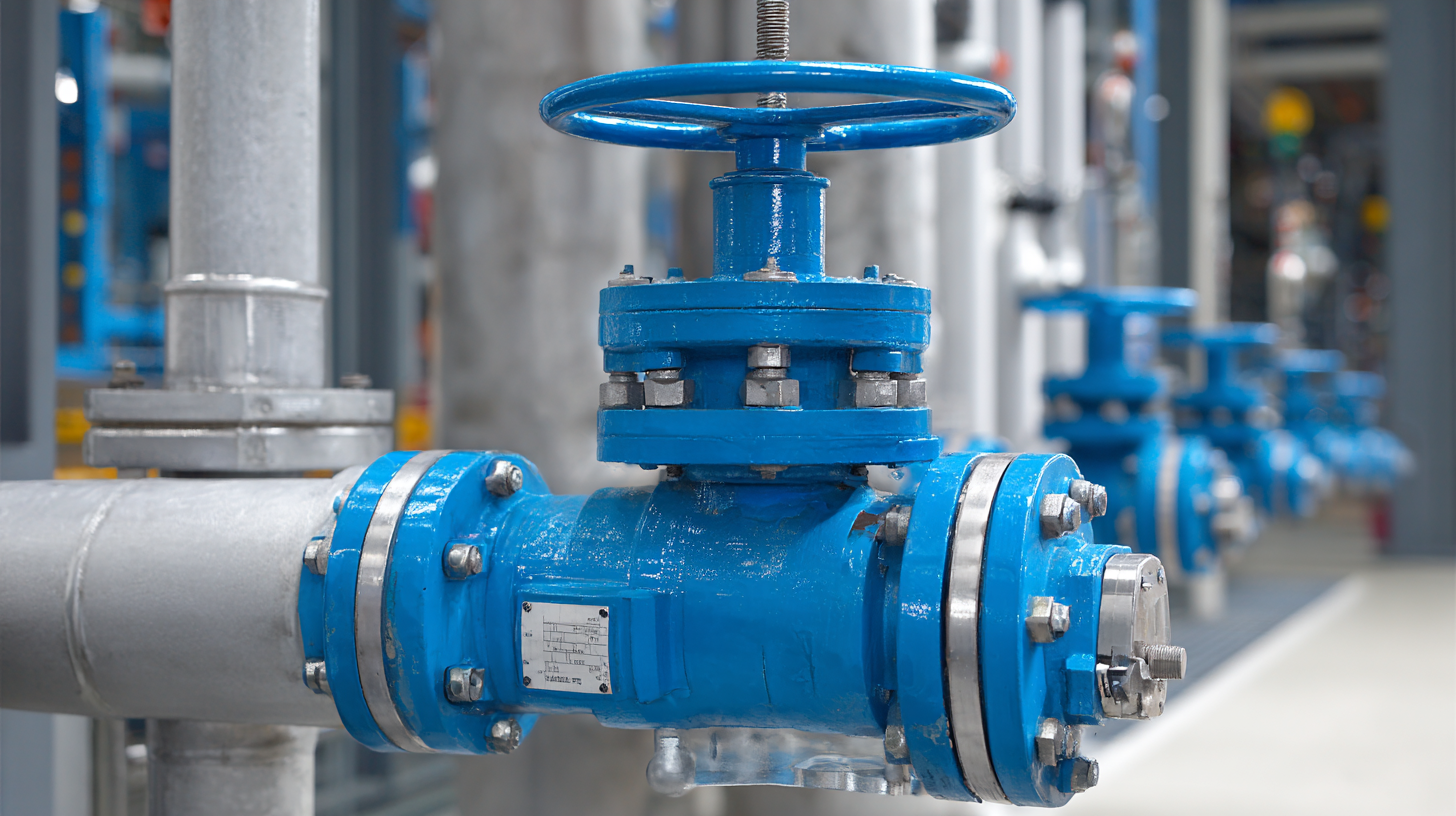
Plus, when these valves are well taken care of, they tend to work more reliably, which means less unscheduled downtime and more consistent productivity. Companies really should set up a solid maintenance schedule—think testing the valves under different conditions, giving everything a good clean, and swapping out any parts that look worn out. By making maintenance a priority, industries can keep their operations safe, stay on top of safety rules, and even save some money in the long run. It’s really about looking after the equipment so it can look after the business, you know?
Exploring the Impact of Manual Welded Powder Butterfly Valves on Process Efficiency: Insights from Recent Industry Reports
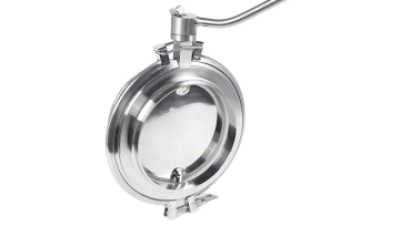
In the ever-evolving landscape of industrial processes, the role of specialized equipment has never been more critical. Manual welded powder butterfly valves are designed specifically to address the nuances of handling dry powder materials. Recent industry reports emphasize their significant impact on process efficiency, particularly in sectors where the precise control of materials like milk powder and fine chemical raw materials is paramount. These valves are engineered to facilitate seamless transport and storage, ensuring that the transition from one stage of production to another is as smooth as possible.
The design of powder butterfly valves enables optimal management of substances that require careful handling, minimizing the risk of clogs or contamination. This is particularly important in industries where product integrity is crucial. By providing reliable discharge capabilities, these valves streamline operations, reduce downtime, and enhance overall productivity. The insights from recent studies highlight not only the technical advantages of these valves but also their contribution to achieving operational excellence in various applications. As businesses continue to seek ways to improve efficiency and reliability, the adoption of manual welded powder butterfly valves emerges as a strategic solution worth considering.
FAQS
: PSVs are used to prevent catastrophic equipment failures by automatically releasing excess pressure, maintaining optimal operating conditions, and reducing the risk of explosions or system ruptures.
In high-pressure systems, PSVs are crucial as they ensure safety and equipment longevity by preventing potential overpressure situations that could lead to equipment failure.
Though the initial investment in PSVs may be high, they are cost-effective over time by minimizing costly downtime, repairs, and legal liabilities.
Many modern PSVs are designed for easy maintenance and quick replacement, which streamlines operations and enhances overall efficiency.
Companies should assess specific system requirements to ensure that the PSVs they select are correctly sized and rated, maximizing their effectiveness.
Regular maintenance checks are vital; it is important to inspect PSVs periodically and keep a log of maintenance activities to track their performance over time.
Operator training is crucial so that staff understands the role of PSVs in safety systems, which can prevent mishaps and enhance awareness regarding valve operation.
Operators should be trained to recognize signs of valve malfunction to enable prompt responses, preventing potential safety incidents.
By preventing equipment failure and hazardous incidents, PSVs safeguard personnel and the environment, fostering a culture of safety and reliability in industrial operations.
Integrating PSVs into industrial processes helps businesses comply with safety regulations, ultimately contributing to long-term operational success.
Conclusion
In the industrial world, picking the right Pressure Safety Valve isn’t just a technical choice—it's pretty much essential for keeping everything running smoothly and safely. These valves are really the unsung heroes, kicking in automatically to let out excess pressure and stop machinery from breaking down. That means not only safer workplaces but also longer-lasting equipment. Plus, having the right valves helps companies stay compliant with safety standards, which is a big deal because it cuts down on accidents and potential liabilities.
On top of that, investing in good Pressure Safety Valves can actually save money in the long run. They reduce maintenance stress and cut down on downtime, making operations more efficient. And if a business has specific needs, they can even get custom options that fit perfectly—so productivity gets a nice boost. Of course, to keep these valves working their best, regular check-ups are a must. That way, industries can really get the most out of their investments. Here at Wenzhou Lifei Stainless Steel Co., Ltd., we’re all about understanding our customers’ needs. With over 15 years of experience under our belt, we’re dedicated to providing top-notch fluid equipment that helps our clients succeed.