Leave Your Message
0%

Check valves might not be the most glamorous part of fluid systems, but honestly, they’re super important. They make sure the fluid goes the right way and stop that pesky backflow from messing things up — which could otherwise lead to inefficiencies or even system failures. If you’ve been following industry trends, you’ve probably noticed that the global check valve market is on the rise, mainly because more and more sectors like oil and gas, water treatment, and power generation are relying on better fluid management. With over 15 years under our belt in making fluid equipment, Wenzhou Lifei Stainless Steel Co., Ltd. really gets how vital these components are. We’re all about satisfying our customers and meeting their needs, and that’s why we’ve become a trusted name in the industry. In this blog, I’ll share 10 must-know facts about check valves that every engineer should have in their back pocket—stuff that can help you improve system performance and keep things running smoothly for years to come.
10 Essential Check Valve Facts Every Engineer Should Know

Understanding the Functionality of Check Valves in Fluid Systems

Check valves might not be the flashiest components in a fluid system, but honestly, they’re pretty important. Basically, they let fluid flow in just one direction and stop it from going backwards—that’s a big deal for keeping everything running smoothly. I came across a report from Research and Markets that says the global valve market, including check valves, is expected to hit around $100 billion by 2025. That’s mainly because industries like water treatment, oil and gas, and manufacturing are ramping up their needs. For engineers, really getting how check valves work and are designed is key to keeping systems efficient and reliable.

So, here’s the gist—check valves work on the simple idea of pressure differences. When the fluid pressure on one side gets higher than the other, the valve opens up to let the fluid flow. But if back pressure tries to push backwards, the valve closes up tight to stop it from flowing the wrong way. That’s how they protect equipment and keep everything working as it should. I also read a study from the American Water Works Association that points out: if you pick the wrong check valve or forget to maintain it properly, it can cause serious inefficiencies and even lead to costly downtime. Basically, understanding and taking care of these little guys is a pretty big deal for anyone in the field.

Key Design Features That Impact Check Valve Performance

Check valves might not be the most glamorous part of fluid systems, but trust me, they’re super important. Understanding how they’re designed can really make a difference in how well they perform. You see, things like the type of valve, what materials it’s made from, and the spring mechanism all play a role in how smoothly the check valve works—especially under different pressure conditions. For example, a swing check valve tends to cause less pressure drop compared to a lift check valve, so it’s often the go-to choice if you’re after efficiency. And speaking of materials, using something like stainless steel not only makes the valve durable but also resistant to corrosion, which is a lifesaver in tough environments.

At Wenzhou Lifei Stainless Steel Co., Ltd., we really know our stuff when it comes to fluid equipment. With over 15 years of hands-on experience and 13 of those years focusing on exporting, we’re all about making sure our products meet what our customers need. We’re committed to quality because we know engineers rely on dependable check valves to keep things running smoothly—helping make their projects succeed and operations more efficient. Whether it’s for industrial or commercial setups, understanding these key features is honestly crucial for anyone looking to improve their fluid systems.

Check Valve Performance Factors

Common Applications of Check Valves in Engineering Projects

Check valves are pretty essential parts in a bunch of engineering projects. They make sure fluids only flow in one direction and stop any backflow that could mess things up. You’ll see them a lot in water and sewage treatment plants, where they help control effluent flows and protect pumps from getting damaged by reverse flow. In these kinds of setups, check valves not only keep everything running smoothly but also boost the overall safety of the water systems.

Another place you’ll find check valves working hard is in oil and gas pipelines. They’re crucial for keeping the flow of hydrocarbons steady and making sure there aren’t leaks or spills that could cause big environmental issues. Especially in systems with high pressure, check valves make sure the fluid doesn’t go backward, which protects the whole pipeline. When engineers add check valves into these systems, they’re really working to cut down on risks and make sure everything stays reliable and safe—that’s a big deal in these critical setups.

Maintenance Tips for Ensuring Longevity of Check Valves

Check valves might not be the most glamorous part of fluid systems, but trust me, they're super important. They basically make sure the fluid keeps flowing in the right direction and stop any backflow that could mess things up or even cause equipment breakdowns. If you want these little guys to last longer, regular maintenance is a must. It turns out that skipping on proper upkeep can cut a check valve’s lifespan by as much as 40%, which can lead to surprise downtimes and some pretty pricey repairs. A few simple habits—like inspecting for wear and tear, watching out for leaks, and making sure everything’s seated just right—can really boost performance and keep things running smoothly.

Here at Wenzhou Lifei Stainless Steel Co., Ltd., we’ve been in the game for over 15 years, making sure our fluid equipment, especially check valves, are built tough and reliable. We know that quality matters a lot to our customers, which is why we focus on designing valves that can stand the test of time. Interestingly, a recent industry report highlighted that companies who stick with proactive maintenance can cut their operating costs by up to 20%. So, by staying ahead with regular checkups and care, engineers can make these valves more dependable and efficient, leading to less hassle and happier clients all around.

Innovative Technologies Enhancing Check Valve Efficiency

In the world of engineering, things are constantly changing, and check valves are more important than ever for keeping fluid systems running smoothly and reliably. It’s pretty exciting to see how recent tech breakthroughs are transforming these valves — making them last longer and work more efficiently. According to a report from the Global Check Valve Market Analysis, using smart check valves that come with built-in sensors can cut down maintenance costs by up to 30%. That’s a pretty big deal for engineers considering new solutions!

One thing that’s really caught my eye is the rise of smart check valves with IoT features. These things can monitor what's happening in real time and give instant feedback, so adjustments can be made right away. Not only does this make systems run better, but it also helps prevent major failures, making workplaces safer overall. A recent industry study even found that companies using this kind of tech see their system reliability go up by around 25%. Pretty cool, right?

Pro tip: When you’re choosing a check valve, it’s worth looking for models made with materials that resist corrosion and wear — especially if you’re dealing with tough environments. Plus, adding smart monitoring tools can give you useful insights into how everything’s performing, helping you decide when you need maintenance or upgrades. It’s all about making smarter choices for your system’s health!

Troubleshooting Frequent Issues with Check Valve Operations

When engineers are working with check valves, they really need to be aware of the common issues that can mess with how well the system runs. One of the most typical problems is chatter—that’s when the valve keeps opening and closing super fast, usually because of pressure swings. It’s kind of like the valve’s playing a shaky little tune, which, honestly, can wear out the parts faster and even cause vibrations that you don’t want. To deal with this, engineers often use damping tricks—things like tweaking how the actuator reacts or adding buffers in just the right spots to smooth things out.

Another big headache is leakage. This often happens if the valve disc doesn’t seat properly. Over time, the seal can weaken, or debris might get lodged, preventing it from closing tightly. That’s when you get reverse flow, which is a big no-no. The good news? Regular check-ups and maintenance can catch these issues early before they turn into bigger problems. Making sure the valve is installed correctly and keeping flow speeds in check also helps a lot—these small steps can really make a difference in keeping the check valve working reliably within the system’s limits.

Enhancing Hygienic Systems: The Role of Stainless Steel Sanitary Non Return Clamped Check Valves in Food and Pharmaceutical Industries

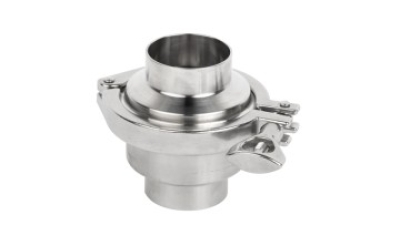
In the food and pharmaceutical industries, maintaining hygiene and preventing contamination is paramount. The use of stainless steel sanitary non-return clamped check valves, such as the ZH4 series, plays a crucial role in establishing robust hygienic systems. These valves are designed specifically to prevent backflow in process piping, ensuring that production lines for food and pharmaceuticals run smoothly and safely. According to a report by the International Society for Pharmaceutical Engineering, the correct implementation of such valves can significantly reduce the risk of contamination, thus enhancing product safety and compliance with regulatory standards.

The ZH4 series check valves stand out in this context due to their spring-loaded design, which guarantees reliable performance in various process conditions. These valves can be easily integrated into existing piping systems and come with multiple connection end options, making them versatile for different applications. The ease of installation and maintenance contributes to overall system efficiency, which is often measured in terms of operational uptime. Data from the Food and Beverage Industry report highlights that implementing high-quality check valves can lead to an increase in production efficiency by as much as 25%, underscoring their essential role in hygienic fluid transfer systems.

In a sector where every detail matters, investing in stainless steel sanitary check valves is not just a matter of compliance; it's a pivotal strategy to ensure the integrity of the final product. The ZH4 series exemplifies the quality and reliability needed in today’s rigorous manufacturing environments. Adopting such advanced solutions minimizes the risk of contamination and enhances overall system performance, ultimately benefiting both manufacturers and consumers alike.

FAQS

: What is the primary function of check valves in fluid systems?

: Check valves ensure that fluid flows in one direction and prevent backflow, which can lead to equipment failure.

How can improper maintenance affect the lifespan of a check valve?

Improper maintenance can reduce a check valve's lifespan by up to 40%, resulting in unexpected downtimes and costly repairs.

What are some simple maintenance practices for check valves?

Regular inspections for wear, checking for signs of leakage, and ensuring that the valve is properly seated are effective maintenance practices.

How can proactive maintenance strategies benefit manufacturers?

Manufacturers implementing proactive maintenance strategies can save up to 20% in operational costs by enhancing the reliability and efficiency of check valves.

What is a common operational issue that can occur with check valves?

One common issue is chatter, where the valve rapidly opens and closes due to pressure fluctuations, leading to mechanical wear and vibrations.

What techniques can be used to mitigate the problem of chatter in check valves?

Engineers can use dampening techniques, such as adjusting actuator response or adding strategically placed buffers, to reduce chatter.

What causes valve leakage in check valves?

Valve leakage may occur from improper seating of the valve disc, material degradation, or debris accumulation, preventing a tight seal.

How can regular maintenance help prevent leakage in check valves?

Regular maintenance and inspection can help detect early signs of wear and ensure the valve is installed correctly, which reduces the risk of leakage.

Why is it important for engineers to monitor flow velocities in check valves?

Ensuring that flow velocities are within acceptable limits can significantly reduce the risk of leakage and ensure reliable operation of the check valve.

What is the experience of Wenzhou Lifei Stainless Steel Co., Ltd. in fluid equipment manufacturing?

Wenzhou Lifei Stainless Steel Co., Ltd. has over 15 years of experience in manufacturing fluid equipment, emphasizing quality and reliability in valve performance.

Conclusion

Check valves might not be the most glamorous part of a fluid system, but honestly, they’re absolutely essential. They play a key role in stopping backflow and keeping everything running smoothly — kind of the unsung heroes behind the scenes. If you’re an engineer or just someone interested in the ins and outs of these systems, it’s really important to understand how these valves work and what makes their design special. In our blog, we dive into where check valves are really useful, how to keep them in tip-top shape so they last longer, and what to do if they start acting up. We also highlight some cool new technologies that are making check valves even more efficient—stuff that industry pros should definitely know about.

Here at Wenzhou Lifei Stainless Steel Co., Ltd., we bring over 15 years of hands-on experience in making top-quality fluid equipment. We’re passionate about delivering check valves that aren’t just reliable, but that also help make sure your engineering projects are a success. Our goal is to support your work with products you can trust—because when it comes down to it, we know how important these little components are for big results.
Oliver

Oliver

Oliver is a dedicated marketing professional at Wenzhou Lifai Stainless Steel Co., Ltd., where he combines his extensive knowledge of stainless steel products with a passion for effective communication. With a deep understanding of the industry, he excels in showcasing the core business strengths......
Previous Finding Reliable Suppliers for Hand Valves Your Ultimate Guide to Success