- Home
- About Us
- Products
- Knowledge
- Service
- Resource
- News
- Contact Us
Leave Your Message
In today's rapidly advancing industrial landscape, efficiency and reliability are paramount to operational success. One critical component that has often been overlooked yet plays a significant role in enhancing productivity is the Tank Bottom Valves. These innovative solutions not only streamline processes but also ensure the safe and effective management of fluids in various industrial applications. As companies strive to maximize output while minimizing costs, the integration of high-quality tank bottom valves becomes essential for achieving these objectives.
At Wenzhou Lifei Stainless Steel Co., Ltd., we understand the importance of these systems in modern industrial operations. With over 15 years of experience in fluid equipment manufacturing and 13 years in export trade, we pride ourselves on placing customer needs at the forefront of our endeavors. Our commitment to delivering exceptional tank bottom valve solutions highlights our dedication to ensuring client satisfaction and success. Join us as we explore how innovative tank bottom valves can unlock efficiency and transform your industrial operations for the better.
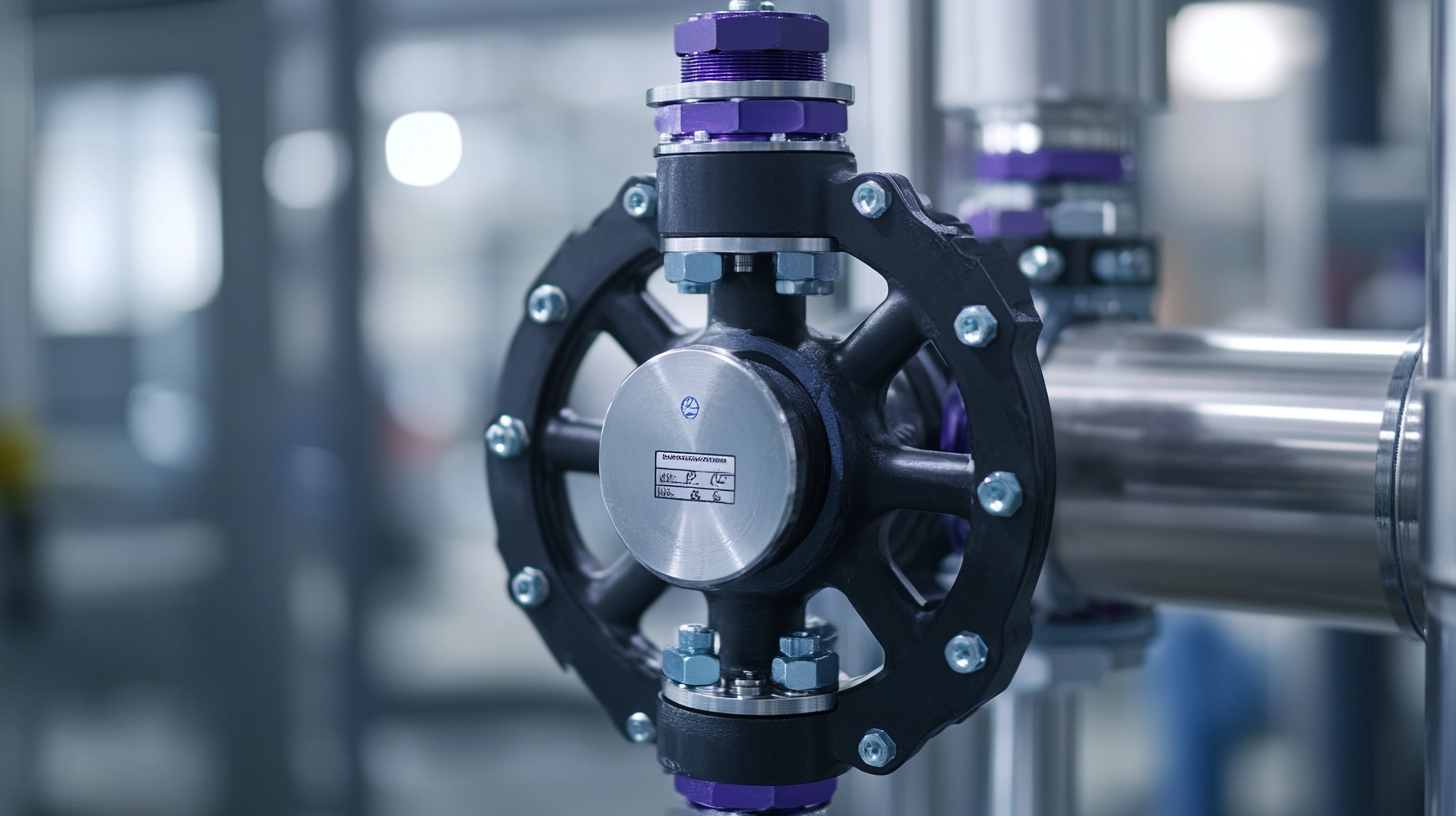
In today’s fast-paced industrial landscape, enhancing operational efficiency is paramount, and modern tank bottom valves play a crucial role in achieving this goal. Innovative designs and technologies in tank bottom valves have transformed how industries manage fluid control processes, minimizing downtime and maintenance needs. By integrating automated systems and advanced materials, these valves ensure seamless operation, which reduces the risk of leaks and spills, further promoting safety and compliance within facilities. One effective strategy to enhance operational efficiency is the implementation of smart valves equipped with IoT sensors. These sensors provide real-time data on valve performance and fluid conditions, allowing for proactive maintenance before issues escalate. This predictive approach not only saves time and resources but also helps in maintaining optimal fluid levels and quality. Additionally, automated valve systems integrate smoothly with existing control systems, offering operators unparalleled visibility and allowing for swift decision-making. Moreover, the choice of materials in modern tank bottom valves contributes significantly to their performance. Corrosion-resistant and lightweight materials enhance durability and reliability, ensuring prolonged service life and reduced replacement frequency. Industries investing in these innovative solutions can expect not just immediate operational improvements but also long-term cost savings, setting a standard for future industrial practices. Embracing such advancements paves the way for more efficient, sustainable operations that can adapt to the evolving demands of the market.

In the ever-evolving industrial landscape, the efficiency of operations directly translates to cost savings and increased productivity. Tank bottom valves play a crucial role in this efficiency, particularly in industries where liquid storage and transfer are essential. According to a report by the American Petroleum Institute, over 30% of maintenance costs in fluid handling systems can be attributed to valve-related issues. This highlights the importance of innovative solutions that minimize downtime and enhance operational reliability.
Modern tank bottom valves are designed not only for durability but also for ease of maintenance. With advancements in technology, many of these valves now feature self-cleaning mechanisms and automated monitoring systems that allow for real-time performance tracking. A study published in the Journal of Chemical Engineering found that the implementation of automated valve systems can reduce maintenance frequency by up to 25%, significantly lowering operational interruptions. This is particularly beneficial in sectors such as oil and gas, where every moment of downtime can result in substantial financial loss.
Furthermore, effective tank bottom valve solutions can facilitate faster product transfer and reduce the risk of contamination. A report from the International Society of Automation indicates that approximately 55% of unplanned downtimes in chemical processing are due to equipment failure and improper handling. By investing in high-quality tank bottom valves, companies can ensure smoother operations and a more streamlined workflow. The enhanced efficiency leads not only to reduced maintenance costs but also to a more sustainable operational model, creating long-term benefits in a competitive marketplace.
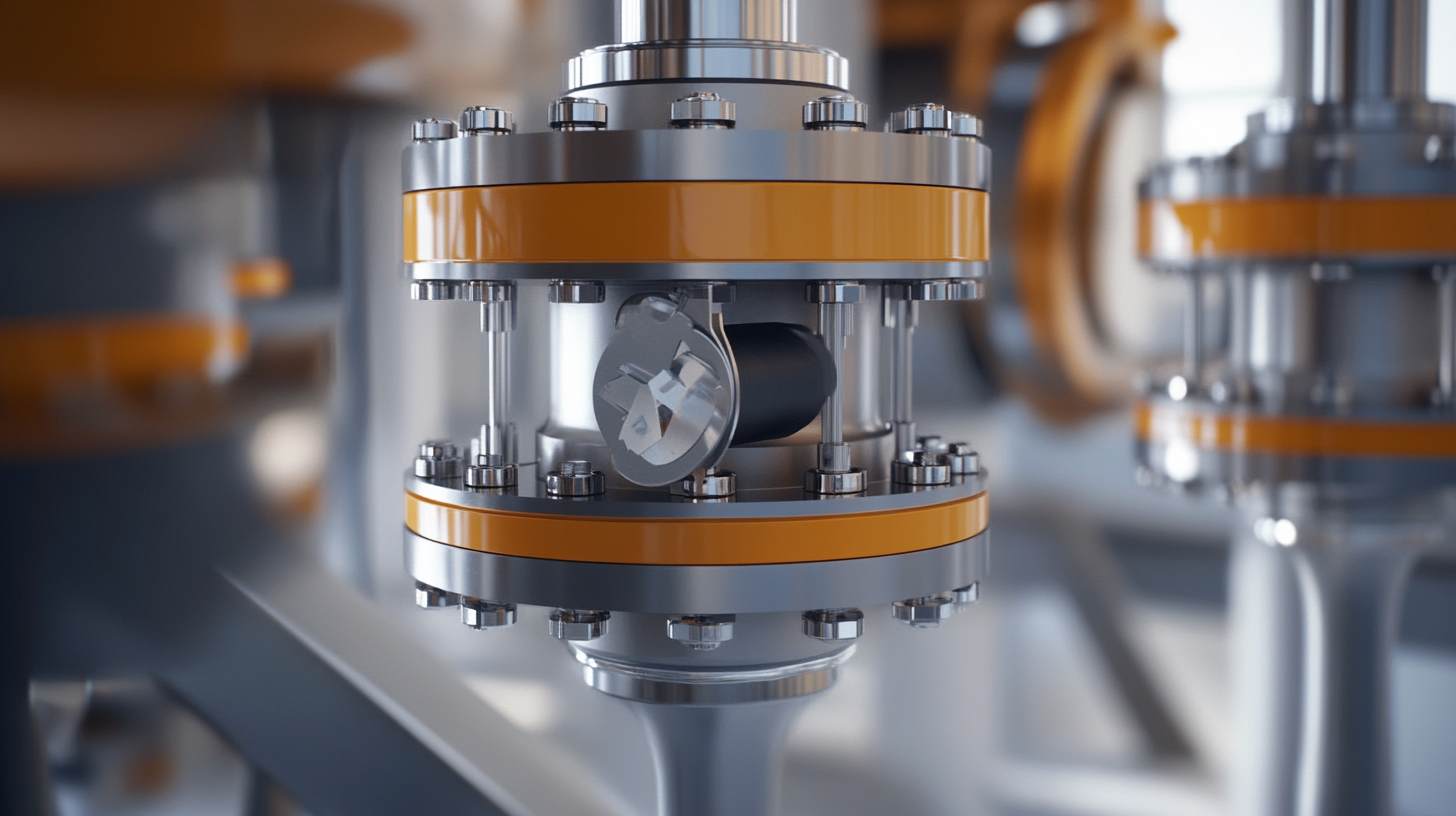
Innovative technologies are indeed reshaping the design of tank bottom valves, resulting in enhanced efficiency and safety in industrial operations. Recent advancements in valve technology, as highlighted by the breakthroughs in China's nuclear power valve technology, illustrate the significant progress being made in this field. For instance, the collaborative development of the first domestic nuclear power plant pressure regulator pilot valve by China National Nuclear Corporation and its subsidiaries marks a pivotal step in ensuring reliable performance under high-stakes conditions.
The evolution of tank bottom valves is moving towards increased automation and intelligence, much like the advancements seen in the automotive sector with Eaton’s new generation fuel tank isolation valve. These innovations prioritize user-friendly installation and performance while complying with stringent safety regulations. The rapid development in valve technologies is not only advantageous for nuclear applications but also serves to inspire improvements across various segments of industrial operations, from energy production to manufacturing processes.
Furthermore, the market is witnessing a notable trend towards the integration of smart technologies, which enable real-time monitoring and control of valve operations. This smart approach not only enhances operational efficiency but also significantly reduces maintenance costs and downtime, which are critical factors for industrial stakeholders. As these technologies continue to evolve, they are expected to play an essential role in optimizing industrial processes and ensuring operational excellence.

In the realm of industrial operations, the effective management of resources and processes is crucial for maximizing efficiency. Innovative solutions, particularly in tank bottom valves, have been instrumental in shaping how companies optimize their workflows. Industry leaders are increasingly turning to advanced valve technologies to address challenges such as fluid dynamics and material management, resulting in enhanced operational capabilities.
Recent developments highlight how companies are bolstering their expertise in these areas. For instance, a leading firm recently announced significant leadership appointments to strengthen their technological framework. The establishment of a specialized technical team and the formation of an advisory board comprising seasoned industry experts are indicative of a strategic push to enhance innovation in valve solutions. By leveraging insights from these experts, companies are better positioned to implement cutting-edge valve technologies that improve efficiency and reliability in their operations.
Case studies from various industry leaders underline the tangible benefits derived from adopting advanced valve solutions. These companies report not only improved product integrity and safety but also reduced operational costs and enhanced environmental compliance. The integration of innovative tank bottom valves has proven to be a game changer, enabling industries to navigate the complexities of modern operational demands while achieving sustainability goals. As the landscape of industrial operations continues to evolve, it is clear that forward-thinking companies will reap the rewards of investing in sophisticated valve technologies.
In today’s fast-paced industrial landscape, the decision to upgrade tank bottom valves can lead to significant economic benefits. According to a 2022 report by the International Society for Automation, companies that implement advanced valve technology can achieve operational efficiencies of up to 30%. This efficiency not only enhances fluid management but also reduces maintenance costs associated with older, less reliable systems.
The return on investment (ROI) from upgrading tank bottom valves typically manifests in various ways. A case study published in the Journal of Petroleum Technology indicated that companies experienced an average cost reduction of 15-20% in product wastage when transitioning from traditional valves to innovative solutions. This reduction is crucial, given that the global oil and gas industry alone loses billions annually due to inefficiencies in fluid handling.
Moreover, the improved reliability of modern tank bottom valves leads to minimized downtime and enhanced safety. A report by Verdantix highlighted that 40% of operational downtime in manufacturing is linked to valve failures. By investing in upgraded valves, organizations not only see direct financial returns but also benefit from a more stable operational environment, leading to increased productivity rates. The long-term economic impact of such upgrades can transform an organization's bottom line, underlining the importance of re-evaluating existing valve technologies to harness the full potential of industrial operations.
In the realm of industrial operations, safety is paramount, and modern tank bottom valves have emerged as critical components in mitigating various operational risks. These innovative valves are designed not only for efficiency but also prioritize the safety of both the personnel and the environment. By integrating advanced materials and technology, they reduce the likelihood of leaks and spills, which can lead to hazardous situations.
One of the primary advancements in modern valve design is the implementation of fail-safe mechanisms. These ensure that, in the event of a malfunction, the valves will automatically close, preventing the uncontrolled release of substances. Additionally, features such as enhanced sealing systems provide significant assurance against leakage, thus safeguarding operations in industries where even a minor mishap can have catastrophic consequences.
Moreover, smart technology integration is revolutionizing how these valves operate. With sensors that monitor pressure and flow rates in real time, operators can receive instant alerts about irregularities, allowing for prompt interventions. This proactive approach not only enhances safety but also contributes to a more resilient industrial framework, capable of adapting to challenges while minimizing risk levels. The evolution of tank bottom valves signifies a commitment to creating safer industrial environments where operational efficiency and security go hand in hand.
In the ever-evolving landscape of industrial operations, sustainability has emerged as a pivotal focus for manufacturers and operators alike. The adoption of eco-friendly solutions for tank bottom valves is a critical step towards not only efficiency but also responsible resource management. Innovative designs are now being implemented to reduce environmental impact while maintaining performance standards crucial for industrial workflows.
The traditional tank bottom valve systems often suffer from inefficiencies that can lead to excessive waste and energy consumption. However, with advancements in technology, newer solutions prioritize minimal material use and enhanced durability. By utilizing sustainable materials and improving sealing technologies, these innovative valves minimize leakage and waste, contributing to cleaner operations. This not only helps in compliance with environmental regulations but also assists businesses in establishing their commitment to sustainability.
Moreover, the long-term benefits of using eco-friendly tank bottom valves extend beyond environmental impact. Reduced maintenance and operational costs can significantly enhance overall productivity. By investing in sustainable valve solutions, industries can pave the way for a circular economy—recovering resources and ensuring that operations align with global sustainability goals. Embracing these innovative solutions is not just a trend; it’s a necessity for industrial operations looking to thrive in a more environmentally conscious world.
In the rapidly evolving landscape of industrial operations, the role of tank bottom valves is becoming increasingly significant. These critical components are not just essential for managing fluid flow but are also pivotal in enhancing overall operational efficiency. As industries seek to optimize their processes, innovative tank bottom valve solutions are emerging as key players in this transformation. Future trends in tank bottom valve technology point towards smarter, more efficient designs that are integrated with automation and predictive maintenance systems.
One notable trend is the advancement of smart tank bottom valves that leverage IoT (Internet of Things) technology. These valves are embedded with sensors that provide real-time data on flow rates, pressures, and operational conditions. Such intelligence enables businesses to monitor their systems continuously, identifying inefficiencies and potential failures before they escalate into costly downtimes. This proactive approach not only ensures smoother operations but also enhances safety protocols, reducing the likelihood of hazardous incidents.
Moreover, the focus on sustainability is shaping the future of tank bottom valve technology. Manufacturers are designing valves with eco-friendly materials and energy-efficient mechanisms that minimize operational waste. The integration of automated control systems allows for more precise management of fluid handling, contributing to lower resource consumption and reduced environmental impact. As industries adapt to these trends, they are not only improving their operational profitability but also aligning with global sustainability goals, showcasing a commitment to responsible manufacturing practices.
Recent advancements include the collaborative development of the first domestic nuclear power plant pressure regulator pilot valve in China, which enhances reliability under high-stakes conditions.
The evolution of tank bottom valves is moving towards increased automation and intelligence, similar to advancements in the automotive sector, which improve installation and performance while complying with safety regulations.
Companies that implement advanced valve technology can achieve operational efficiencies of up to 30%, along with cost reductions of 15-20% in product wastage compared to traditional valves.
The improved reliability of modern tank bottom valves minimizes downtime and enhances safety, as 40% of operational downtime in manufacturing is linked to valve failures.
Smart technologies enable real-time monitoring and control of valve operations, enhancing operational efficiency, reducing maintenance costs, and minimizing downtime.
Eco-friendly valves reduce environmental impact by minimizing leakage and waste, aligning operations with sustainability goals while also decreasing maintenance and operational costs.
New designs prioritize minimal material use, enhanced durability, and improved sealing technologies, contributing to responsible resource management and compliance with environmental regulations.
Embracing sustainable solutions is essential for industries to thrive in a more environmentally conscious world and to contribute to a circular economy by recovering resources and reducing waste.
Upgraded tank bottom valves can significantly enhance overall productivity by reducing maintenance and operational costs, leading to a more stable operational environment.
As valve technologies continue to evolve, they are expected to optimize industrial processes, ensuring operational excellence across various sectors.