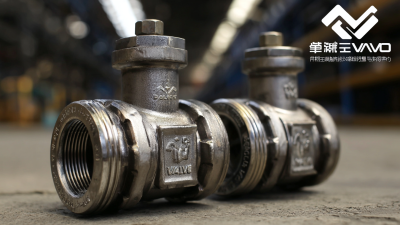
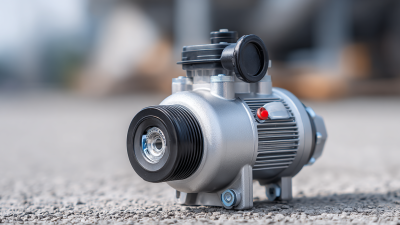
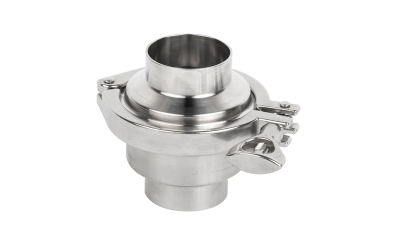
When it comes to fluid control systems, let me tell you, managing flow effectively is super important. A key player in this game is the Ball Valve Shut Off. These ball valves are not just reliable; they really shine when it comes to performance, which is why so many industries trust them for keeping flow just right. Here at Wenzhou Lifei Stainless Steel Co., Ltd., we’ve been in the game for over 15 years, manufacturing fluid equipment, and we’ve got around 13 years of exporting under our belt too. So, you can bet our products are built with quality and efficiency in mind. We genuinely care about what our customers need, and that’s helped us create solutions that not only boost operational efficiency but also keep our clients happy. In this guide, we'll dig into the perks of using Ball Valve Shut Off and share some best practices, so you can really make the most out of your flow control systems.
Understanding Ball Valve Basics and Their Role in Flow Control
You know, ball valves are like those unsung heroes in flow control systems. They're super important for managing fluid flow efficiently, no matter the working conditions. Once you get the hang of how these things operate, it’s easier to see why they’re so crucial for preventing headaches like cavitation, which can really mess with performance. There’s been some research that shows how ball valves behave, especially in high-pressure situations—think liquid hydrogen receiving stations. It turns out their thermal and flow characteristics can really be affected. For example, when flow rates fluctuate, it creates different temperature profiles within the valve. That really highlights how vital it is to have careful design and operation in place.
On top of that, some recent studies have dug into how ball valves work when they’re opening and closing. They’ve used numerical simulations along with some experimental validations to see how these valves deal with quick flow interruptions. Pretty fascinating, right? This research is shining a light on the important link between pressure drops and flow rates. All these insights are crucial when it comes to optimizing valve performance and avoiding issues like air getting trapped. This understanding is a game changer for engineers, helping them pick the best ball valves and boosting how efficiently fluid control systems work overall.
Types of Ball Valves: Choosing the Right One for Your Application
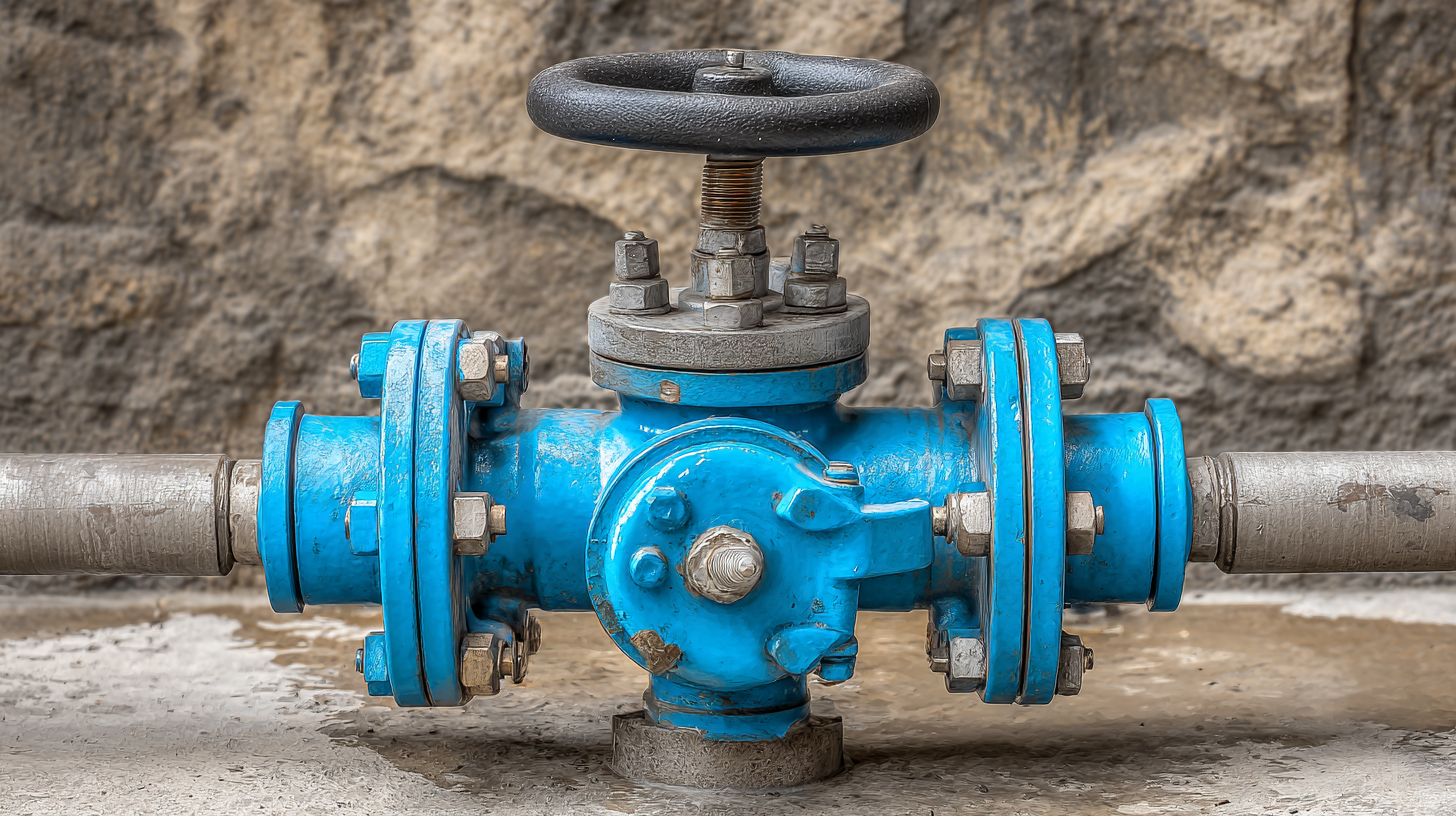 Alright, let’s talk about flow control—specifically, how picking the right ball valve can make a big difference in efficiency and reliability. There are tons of ball valves out there, and they’re each aimed at doing specific jobs. One that everyone generally loves is the full-port ball valve. It’s got the least resistance to flow, which means it's perfect if you need high flow rates. But hey, if you're tight on space or tackling a specialty task, a reduced-port ball valve might be just what you need. They’re compact but still do a great job without throwing performance out the window.
Now, when you’re choosing the right ball valve, it’s super important to think about what kind of fluid you’re dealing with. Different materials play well with different fluids, so you’ll want to pick the right one. For example, stainless steel holds up really well with corrosive stuff, while PVC is fantastic for water applications—trust me, going with the right material can boost durability a ton. Don’t forget to think about size and pressure ratings too! You want a valve that matches your system; nobody likes leaks, right?
Also, the way you actuate the valve matters a lot. If your setup is pretty straightforward, a manual ball valve could do the trick. But if you’re dealing with something more complex, automated options—like electric or pneumatic actuators—might give you the better control you're looking for. Just take a moment to really think about your operational needs, and you’ll be in a solid spot to pick the best ball valve for your application.
Key Features to Look for in High-Quality Ball Valves
When you're on the hunt for high-quality ball valves to manage flow like a pro, there are definitely some key features you don’t want to miss. You know, a recent report suggested that the valve manufacturing market could hit a whopping USD 103 billion by 2025. That’s mainly because more folks are looking for reliable and durable fluid control solutions. Here at Lifei Stainless Steel, we totally get how crucial these features are—things like corrosion resistance, precision sealing, and sturdy construction. These aren't just technical jargon; they actually improve performance and also help your valves last longer, which is a smart investment if you ask me.
**Tip:** Always go for valves that are made from high-grade stainless steel. They resist rust and wear way better, which is super important for keeping your fluid systems running smoothly.
Now, here’s another thing to think about: the ease of operation. A really good ball valve should shut off quickly and tightly without making you wrestle with it. Reports even show that a lot of valve failures come from poor design or materials, so when you’re picking valves, it’s wise to look for ones with low torque requirements and handles that are user-friendly. That way, you can dodge a lot of headaches.
**Tip:** If you can, try out the valve before installing it. Making sure it’s easy to use and reliable can save you both time and money down the line. With over 15 years in the game, Lifei Stainless Steel is all about these qualities—ensuring our products not only meet but exceed what our clients expect. We’re all about your success and satisfaction!
Installation Best Practices for Optimal Performance and Longevity
You know, when it comes to making sure ball valves last longer and work better, getting the installation right is super important. In fact, the folks at the American Society of Mechanical Engineers (ASME) say that around half of all valve failures happen because they weren't installed properly. If you make sure those ball valves are set up correctly, it can really help avoid problems like torque loss or leaks, and that means they’ll last you way longer. According to a study by the Valve Manufacturers Association (VMA), a ball valve that’s installed the right way can outlive one that isn’t by about 30%! Pretty impressive, right?
One thing to keep in mind is how you align the valve in your piping system. If it’s off-kilter, it can wear out way too quickly and put extra stress on the components. The VMA actually recommends using alignment tools during installation to make sure the valve's in the right spot with the pipeline. And hey, don't forget about regular checks on your valves! Setting up a maintenance schedule can help you catch any issues before they turn into bigger problems, which is key to keeping everything running smoothly for years to come. So really, taking care of how you handle and install these valves is essential—not just for the valves, but for the whole flow control system to function efficiently.
Common Maintenance Tips to Ensure Efficient Ball Valve Operation
You know, when it comes to keeping ball valves running smoothly, regular check-ups and a little TLC are super important. First off, make sure to peek at the valve body and all those connections for any leaks. Even the tiniest leak can be a sign that something's worn out over time or maybe wasn't installed quite right. If you catch those leaks early, you can save yourself from some pretty big headaches later on. And hey, don’t forget about lubrication! Using the right lubricant, as per the manufacturer's guidelines, can really make a difference — it cuts down on friction and helps the valve work more fluidly.
Another handy tip? Give your valve some exercise! Just like with anything mechanical, ball valves can get a bit stubborn if they sit inactive for too long. By regularly opening and closing the valve, you not only keep it in good shape but also fend off any nasty buildup of debris or corrosion. Plus, this routine check ensures everything's running as it should be, and you can spot any potential problems before they blow up.
Lastly, keep an eye on what’s going on around the valve. Extreme temps and pressure changes can mess with how well it performs, so keeping track of those factors and making adjustments when needed is key to maintaining a smoothly operating ball valve.
Ball Valve Maintenance Frequency and Benefits
This chart illustrates the frequency of ball valve maintenance and the potential benefits associated with each period. Maintaining ball valves regularly can lead to increased efficiency and reduced operational issues, emphasizing the importance of a well-structured maintenance schedule.
Troubleshooting Common Ball Valve Issues in Flow Control Systems
You know, when it comes to flow control systems, ball valves really play a crucial role in managing the flow of fluids. But, like anything else, they’ve got their fair share of problems. One big issue is wear and tear caused by cavitation, which can really mess with their performance. So, cavitation is basically what happens when vapor bubbles form in the fluid because of pressure drops, and then they collapse. This can cause some serious damage to the valve and mess up the flow. To avoid these headaches, regular maintenance and inspections are super important. That way, we can make sure the valves are doing their job properly without straying too far from their intended design.
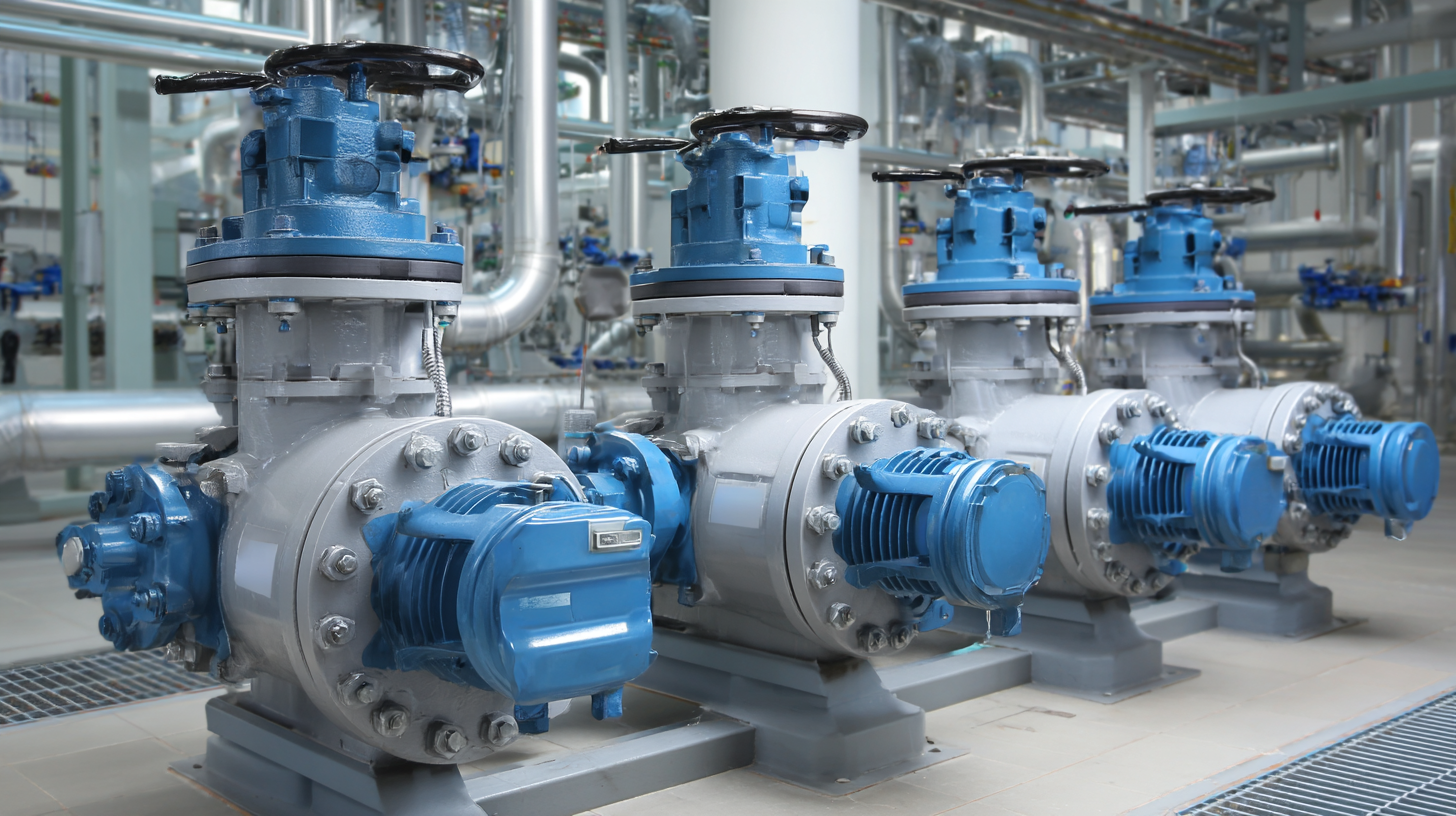
Another thing worth thinking about is how we can boost control accuracy by using positioners. These nifty devices can really help the valve hit its target position more accurately, making flow control way better during operations. They tweak the valve’s position based on changing conditions and control signals, which gives us a more responsive and precise way to manage flow. And let’s not forget, bringing in smart technology into the mix can take this whole setup to another level, making sure those ball valves run smoothly and effectively across various applications.
Enhancing Hygiene and Efficiency: The Benefits of Stainless Steel Sanitary Non Return Clamped Check Valves in Food Processing
In the food processing industry, maintaining hygiene and efficiency is paramount. One of the key components that contribute to both is the choice of valves used in process piping systems. Stainless steel sanitary non-return clamped check valves, such as the ZH4 series, provide a robust solution for preventing backflow while ensuring compliance with stringent health standards. The spring-loaded design of these valves ensures swift closure, preventing any contaminants from re-entering the system, thus safeguarding the integrity of the food products.
The versatility of the ZH4 series makes it an ideal choice for various applications within the food processing sector. Available with different connection end options, these valves can be seamlessly integrated into existing piping systems, enhancing not only the operational efficiency but also simplifying maintenance tasks. Their stainless steel construction not only ensures durability and longevity but also facilitates easy cleaning, making them an essential component for any facility aiming to uphold high hygiene standards. In a competitive industry where safety and quality cannot be compromised, the integration of reliable check valves can significantly elevate the overall processing workflow.
FAQS
: Ball valves are essential components used to manage fluid flow efficiently in flow control systems, preventing issues like cavitation that can negatively impact performance.
Cavitation occurs when vapor bubbles form in the fluid due to pressure drops and then collapse, which can lead to significant wear and tear on the valve, degrading its performance and affecting flow integrity.
Understanding the transient behavior, especially in high-pressure environments, is crucial as it affects thermal and flow characteristics, impacting the overall efficiency of fluid control applications.
Regular maintenance and inspections help ensure that ball valves operate within their design parameters, mitigating potential issues caused by wear, cavitation, and other performance-related problems.
Positioners enhance control accuracy by adjusting the valve's position in response to changing conditions and control signals, leading to more responsive and precise flow management.
Numerical simulations, when combined with experimental validations, provide insights into how ball valves respond to rapid flow interruptions, helping optimize valve performance and address challenges like air entrainment.
Fluctuating flow rates lead to varying temperature profiles within the valve, highlighting the need for careful design and operation to maintain efficiency.
Incorporating smart technology in modern systems enhances the capabilities of ball valves, ensuring they operate efficiently and effectively across various applications.
Common challenges include cavitation, wear and tear, and the need for precise flow management, all of which can be addressed through maintenance and the use of technology such as positioners.
The design of ball valves is critical because it directly influences their ability to handle high pressures and prevent issues such as cavitation and performance degradation.