You know, in the always-changing world of industrial things, making sure fluid control systems work efficiently is a pretty big deal for smooth operations. Lately, diaphragm valves have really become a go-to solution—they’re reliable and give you a lot of precision when it comes to controlling fluid flow. I was reading a recent market report, and it looks like the global diaphragm valve market is expected to hit around $2.4 billion by 2025. That's mainly because more industries like chemicals, pharmaceuticals, and water treatment are really leaning on these valves now. At Wenzhou Lifei Stainless Steel Co., Ltd., we’ve been making fluid equipment for over 15 years, and we’ve built a solid reputation for exporting our stuff worldwide. We totally get how important these valves are for keeping operations running smoothly. That’s why we’re committed to providing top-notch diaphragm valves that not only meet industry standards but also help improve the overall system performance. As we keep pushing forward with new ideas and listening to our customers, diaphragm valves will definitely stay at the core of what we do—because we’re all about improving fluid control solutions and making sure our clients are happy with the results.
Understanding Diaphragm Valves: Mechanisms of Fluid Control
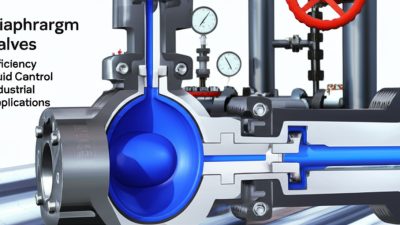
Diaphragm valves might not be the kind of household name, but they’re actually pretty vital when it comes to controlling fluids in all sorts of industrial setups. Their clever design, especially that flexible diaphragm which isolates the flow path, allows for really precise regulation of how fluids move, pressure levels, and compatibility with different media. I came across a recent market report by Research and Markets that predicts the global diaphragm valve market will grow at about 6.3% annually from 2023 all the way to 2030. That kind of growth really shows how much people need smarter, more reliable fluid control solutions these days. And it makes sense—it’s especially important for industries like pharma, food processing, and water treatment, where standards for hygiene and dependability are nothing to mess with.
Now, speaking of companies that are doing a great job in this field, Lifei Stainless Steel really stands out. They’ve been in the game for over 15 years making fluid equipment and even longer in exporting—so, they’re pretty experienced. They focus heavily on what their customers need, making sure their diaphragm valves not only meet top industry standards but also help their clients operate more smoothly and efficiently. Thanks to using top-quality stainless steel, their products are super durable and resist corrosion, which is a huge plus if you’re working in tough environments. Ultimately, Lifei’s all about supporting their clients’ success, aiming to make fluid control less of a headache and more of a seamless part of their business—you know, just doing their best to keep everything running without a hitch.
Advantages of Diaphragm Valves in Diverse Industrial Settings
Diaphragm valves are becoming more and more important in various industries these days, thanks to their unique design and really solid functionality. Basically, these valves use a flexible diaphragm to control how fluids flow, which gives them a bunch of advantages—especially in industries like pharma, food processing, and chemicals. I came across a report from MarketsandMarkets that says the global market for diaphragm valves is expected to hit around $3.09 billion by 2025. That's a CAGR of about 5.4% from 2020 — not too shabby! The growth is mainly because these valves aren’t just reliable—they also help prevent leaks, which is crucial when you're dealing with sensitive or critical processes.
One thing I really like about diaphragm valves is their versatility. They can handle all sorts of fluids—whether it’s corrosive chemicals or slurries—making them suitable for just about any application. Plus, they’re self-draining, which makes them super easy to clean and perfect for clean environments like food or pharma plants. I read in the Journal of Industrial Technology that facilities using these valves actually saw around a 25% drop in maintenance-related downtime. That robustness and dependability really pay off.
A couple of tips: When you're choosing diaphragm valves, make sure to think about the specific fluids you'll be handling and the conditions they'll be operating in—it really helps to pick the right one. Regular maintenance is also key if you want these valves to last longer and keep performing well. And honestly, investing in high-quality materials can make a huge difference in resisting wear and tear, which in turn boosts your overall efficiency and saves you headaches down the road.
Comparison of Diaphragm Valves with Traditional Valve Types
You know, diaphragm valves are really starting to get noticed for how efficient they are at controlling fluids. Compared to the usual gate, globe, or ball valves, they seem to offer some pretty solid advantages. I read recently in the Global Valve Market report that these valves can improve flow regulation and even cut down maintenance costs by up to 30%. That’s mainly because of their simple design and super effective sealing—makes life easier, right? This is especially true in industries like pharmaceuticals and food processing, where keeping things hygienic and precise is absolutely critical.
One of the coolest things about diaphragm valves is how well they handle corrosive fluids and stay leak-proof, which is a nightmare for many traditional valves. The report also points out that they significantly lower the risk of contamination—up to 40% less than ball valves—so they’re a no-brainer for processes that need high purity. Plus, they tend to have low pressure drops, which means fluids move smoothly and energy isn’t wasted.
A quick tip — when you’re picking out valves for industrial stuff, don’t just think about the fluid itself. Things like temperature and pressure matter a lot and can really affect how well the valve performs. And honestly, going with diaphragm valves might save you some cash over the long haul because they last longer and need less maintenance.
Applications of Diaphragm Valves in Chemical and Pharmaceutical Industries
Diaphragm valves are pretty essential in the chemical and pharmaceutical worlds, mainly because they give you that precise control over how fluids flow. They're built to handle some pretty tricky stuff—like corrosive and ultra-pure liquids—that you often find in these industries. What makes them really stand out is their unique design, with a flexible diaphragm that keeps the fluid from touching the valve body. That way, there's less chance for contamination, which is super important—especially in pharma, where cleanliness and accuracy are everything.
Here at Wenzhou Lifei Stainless Steel Co., Ltd., we totally get how critical good fluid control is for these sectors. With over 15 years of experience in making fluid equipment and 13 years of exporting, we really focus on our customers’ needs. Our diaphragm valves are built to be reliable and efficient, so our clients can hit their targets without worry and stay within all the crazy regulatory rules. We’re all about innovation and high quality because we want our clients to succeed and be happy with how they manage their fluids—simple as that.
Applications of Diaphragm Valves in Chemical and Pharmaceutical Industries
This chart illustrates the efficiency of diaphragm valves in various industrial applications, highlighting their impact on fluid control in the chemical and pharmaceutical sectors.
Maintenance Considerations for Long-lasting Diaphragm Valve Performance
When it comes to diaphragm valves, keeping up with regular maintenance is really the key to making sure they last a long time in industrial setups. It’s a good idea to set up a routine inspection plan—you know, check for any signs of wear or damage before things get out of hand. Paying close attention to the diaphragm and seat is super important since these parts are central to the valve’s performance.
Catching small issues early on can save you from bigger, more costly failures down the line and help the valve last longer.
Also, don’t forget about cleaning and lubrication—it’s often overlooked but really makes a difference. Dirt and other contaminants can cause corrosion or other problems, especially in harsh environments, so keeping everything clean is a must. Using the right lubricants helps keep the diaphragm flexible and working smoothly, which means better performance overall. Following the manufacturer’s advice for maintenance and cleaning might seem like an extra step, but it really pays off by keeping your valves running reliably and efficiently in fluid control systems.
Future Trends in Diaphragm Valve Technology and Design Innovations
Looking ahead, the future of diaphragm valve technology is pretty exciting. There’s a real buzz around how it’s evolving to meet the evolving needs for precision and efficiency in industrial settings. More and more, manufacturers are leaning into automation and smart tech, so now we're seeing diaphragm valves fitted with sensors and IoT connections—that’s a game-changer. It means real-time monitoring of fluid flow, making things more accurate and cutting down on waste. Plus, with predictive maintenance built in, plants can keep everything running smoothly without unexpected downtimes, which saves a ton of money.
On top of that, new materials are coming into the picture—things like advanced polymers and composites—that boost durability and resist harsh chemicals. This means the valves can last longer and don’t need to be replaced as often. Engineers are also using smart design techniques, like CFD simulations, to craft more efficient valve shapes. All these innovations don’t just improve performance; they also help reduce leaks and emissions, which is a big step forward for sustainability. Overall, it's an exciting time for diaphragm valve tech, with lots of promising developments on the horizon.
Exploring the Efficiency: How Diaphragm Valves Enhance Fluid Control in Industrial Applications - Future Trends in Diaphragm Valve Technology and Design Innovations
| Feature |
Traditional Diaphragm Valves |
Innovative Designs |
Future Trends |
| Materials Used |
Rubber & PVC |
PTFE & Thermoplastics |
Smart Materials for Self-Repair |
| Control Precision |
Moderate |
High with Digital Feedback |
AI-Controlled Feedback Systems |
| Maintenance |
Frequent Overhaul Required |
Modular Components for Ease |
Predictive Maintenance with IoT |
| Applications |
General Process Control |
Pharmaceuticals & Biotech |
Smart Water Management |
| Energy Efficiency |
Standard Efficiency |
Enhanced Flow Dynamics |
Zero Energy Usage Solutions |
Optimizing Fluid Control: The Benefits of Stainless Steel Tc Clamp Sanitary Pneumatic Control Diaphragm Valves with Actuators
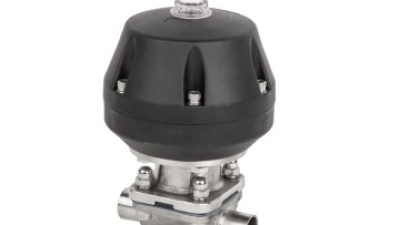
As industries strive for higher precision and efficiency in fluid control systems, the integration of stainless steel Tc clamp sanitary pneumatic control diaphragm valves with actuators has emerged as a pivotal solution. These valves, notably the WJ series, are crafted with a cast body that ensures not only durability but also seamless operation in critical applications within the food, beverage, dairy, brewing, and pharmaceutical sectors. Research has shown that diaphragm valves can enhance process efficiency by up to 30%, largely due to their reliable performance in flow control and open/close operations.
The significance of using stainless steel in these valves cannot be overstated. Stainless steel offers excellent corrosion resistance and hygiene, vital for maintaining product integrity in the food and pharmaceutical industries. According to industry reports, the global market for sanitary valves is expected to reach USD 17.1 billion by 2027, growing at a CAGR of 5.2%. This growth highlights the increasing demand for automation and enhanced control systems, which are being fulfilled by products like the WJ series diaphragm valves.
Moreover, the synergy between pneumatic actuators and diaphragm valves is noteworthy. Pneumatic systems are renowned for their speed and precision, allowing for rapid adjustments in flow control. The WJ series ensures that operators can manage process conditions effectively, reducing the risk of contamination and improving overall product quality. Industries leveraging these advanced control solutions are not only meeting regulatory standards but also gaining a competitive edge in an ever-evolving marketplace.
FAQS
: Diaphragm valves are used in fluid control systems across various industrial applications, including pharmaceuticals, food processing, and water treatment, where precise regulation of fluid flow and high hygiene standards are essential.
The global diaphragm valve market is projected to grow at a CAGR of 6.3% from 2023 to 2030.
Diaphragm valves can improve flow regulation and reduce maintenance costs by up to 30%, offer a significantly lower risk of contamination by up to 40% compared to ball valves, and maintain a leak-proof seal while handling corrosive fluids.
Lifei Stainless Steel focuses on customer needs and uses high-quality stainless steel materials, contributing to the durability and corrosion resistance of their products, which enhances operational efficiency and meets high industry standards.
Diaphragm valves are beneficial in these industries due to their ability to handle corrosive fluids, maintain hygiene and purity standards, and provide precise control over fluid flow.
When selecting valves, factors such as the type of fluid, temperature, and pressure requirements should be considered, as these can significantly influence valve performance.
Diaphragm valves exhibit low pressure drops, ensuring smooth fluid movement and energy efficiency.
A customer-centric approach helps manufacturers like Lifei Stainless Steel to support client success and satisfaction by addressing their specific needs and challenges in fluid control.
Investing in diaphragm valves can lead to long-term cost savings due to their durability and lower maintenance needs compared to traditional valve types.
A report by the Global Valve Market highlights that diaphragm valves can improve flow regulation and reduce maintenance costs, making them an efficient choice in industrial fluid control systems.
Conclusion
Diaphragm valves are pretty much essential when it comes to controlling fluids in a bunch of different industrial setups. You know, by using a flexible diaphragm, these valves can give you super precise control over how fluids flow—making them especially helpful in places where cleanliness and avoiding contamination really matter, like in the chemical and pharma industries. They’ve got this unique way of working that often beats traditional valves, offering better performance, reliability, and efficiency. It’s pretty impressive how they manage to do all that!
At Wenzhou Lifei Stainless Steel Co., Ltd., we’ve been in the game for over 15 years, focusing on manufacturing fluid equipment. Customer satisfaction is our top priority, and that shows in the quality of our products. We’re proud to offer top-notch diaphragm valves that are built to meet the ever-changing needs of the industry. Looking ahead, we're all about embracing new technology and trends in diaphragm valve design—so we can help our clients stay ahead and achieve operational excellence. Basically, we’re just really committed to keeping things innovative and reliable for our customers.