When you’re into industrial fluid control, you quickly realize just how vital
Double Block Bleed Valves (or DBBVs),
as we often call them, really are. They’re kind of a big deal when it comes to
keeping fluid systems safe and running smoothly—especially in industries like
oil and gas,
chemical processing, or
water treatment.
I was reading a recent report by MarketsandMarkets, and it mentioned that the
global valve market might hit around $90 billion
by 2027. That’s pretty wild, right? And what's driving all this growth?
Well, stricter safety regulations and the growing need for better safety features
like DBBVs.
Here at Wenzhou Lifei Stainless Steel Co., Ltd.,
we get all this. With over 15 years of hands-on experience
in making fluid equipment, we understand how critical these valves are. Our main
goal is making sure our customers are totally happy with our solutions—products
that don’t just meet industry standards but go beyond them.
This way, our partners can really succeed in these competitive markets and feel
confident about the safety and reliability of their systems.
Overview of Double Block Bleed Valves and Their Industrial Applications
Double block bleed (DBB) valves are pretty important in industrial setups, especially when safety and dependability are top priorities. Basically, they make sure there's a double layer of isolation, giving you a solid barrier to prevent leaks during maintenance or critical operations. The way they're designed also allows trapped fluids to be safely vented out—crazy important for avoiding overpressure and keeping pipelines intact.
In industries like oil and gas, using DBB valves really steps up safety measures. Being able to isolate parts of a pipeline while still letting fluids drain or vent means fewer dangerous situations and things going wrong. Plus, recent advances in valve tech have made sure these valves meet strict safety standards, which adds to their trustworthiness—even in really tough conditions. As companies keep pushing for safer and more efficient processes, it’s clear that these valves are becoming more and more essential for controlling fluids safely and reliably.
Understanding the Functionality and Importance of Double Block Bleed Valves
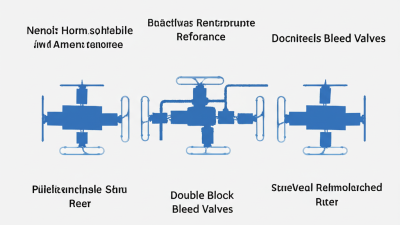
This chart illustrates the distribution of Double Block Bleed Valve usage across various industrial applications. The Oil & Gas sector utilizes the majority at 35%, followed by Water Treatment at 25%. Other industries also contribute significantly, demonstrating the versatility and importance of these valves in ensuring safety and efficiency in fluid handling systems.
Key Components and Design Features of Double Block Bleed Valves
You know, double block bleed valves (or DBB valves, as folks like to call them) are pretty essential in industrial setups. They’re basically the reliable way to shut off parts of a pipeline without risking leaks, so maintenance and monitoring can happen safely and smoothly. The way they’re built—with two blocking mechanisms and a bleed valve tucked in between—really helps cut down on the chances of fluid leaking out during work. Features like dual seals and the option for double isolation make sure even the trickiest, dangerous fluids stay contained, which is a big win for safety and overall efficiency.
Here at Wenzhou Lifei Stainless Steel Co., Ltd., we totally get how important these features are. With over 15 years in the game and plenty of experience exporting our products worldwide, we’re all about making top-notch double block bleed valves. We focus on what our customers really need, making sure every piece of equipment we send out doesn’t just meet industry standards but also performs reliably in tough environments. Our goal? To help make your systems safer and more efficient, so you can keep things running smoothly without worries.
Critical Role of Double Block Bleed Valves in Safety and Reliability
Double block bleed valves are actually pretty crucial when it comes to keeping industrial systems safe and running smoothly. I read in a report by the American Petroleum Institute that about 30% of pipeline leaks happen because of poor sealing in piping—stuff that can cause real environmental problems and cost a ton of money.
Using double block bleed valves, though, gives industries a way to isolate parts of their system easily, adding an extra layer of security against leaks or sudden pressure spikes. This setup, with its two valves and a bleed port, makes it much easier to do pressure tests and maintenance without risking too much—kind of like a safety net, you know? To keep them working well, it's a good idea to check these valves regularly. Some places even set up pressure monitoring systems to catch any weird readings early, which really bumps up safety too.
And get this—research from the International Society of Automation shows that using these valves can cut down accident rates by as much as 40% in really high-pressure environments. Not only does that make operations more reliable, but it also helps companies stick to strict safety rules—something super important in industries like oil and gas, chemicals, or power plants.
So, investing in good-quality double block bleed valves isn’t just about ticking boxes for regulations; it’s a smart move toward making everything safer and more efficient. Oh, and don’t forget—training your team on how and why to use these valves properly is key to building a real safety-first culture throughout the organization.
Operational Mechanisms: How Double Block Bleed Valves Function
Double block bleed valves are pretty important parts in many industrial setups. They’re mainly there to boost safety and make sure everything runs smoothly when controlling fluids. If you get a good grip on how they work, it really helps you understand why they’re so crucial. Basically, these valves have two block valves close together with a bleed valve in the middle. This setup lets you isolate the fluids safely, which is a huge deal when doing maintenance work. By using this configuration, repairs can be done without worrying about leaks, protecting the environment and keeping folks safe.
When you’re working with double block bleed valves, it’s super important to make sure they’re installed correctly and checked regularly. Proper installation helps prevent failures down the line, and routine inspections can catch any signs of wear or damage early on. At Lifei Stainless Steel, with over 15 years in making fluid control equipment, we really stress the importance of these practices. They’re key to keeping everything running at its best and making sure our clients are happy.
A quick tip—always double-check that the valves you’re using are compatible with the kind of fluid in your system. That way, you’ll extend their lifespan and keep your whole operation running efficiently. Oh, and don't forget, giving your team periodic training on how to handle and maintain these valves can make a big difference in safety and performance. It’s all about staying proactive and making sure everyone’s on the same page.
Maintenance and Inspection Practices for Double Block Bleed Valves
Double block bleed valves, or DBBVs for short, are pretty crucial when it comes to keeping industrial systems safe and running smoothly. They basically give you a way to isolate parts of the piping and bleed off any trapped pressure or fluids. It’s super important to stay on top of regular checks and maintenance—skipping that could lead to system failures or, worse, accidents. A good rule of thumb? Set up a routine inspection schedule. During these checks, take a peek for leaks, corrosion, and any signs of mechanical wear and tear.
**A little tip:** Always check what the manufacturer recommends for your specific valves. They’ll usually give you a maintenance timeline and step-by-step procedures that are tailored just for your equipment.
Another key part is doing functional tests—basically, making sure the valves really do what they’re supposed to. This means simulating how they operate in real conditions to see if they isolate the system properly and allow for bleeding when needed. It’s also wise to inspect the valve seats and seals because those are critical for holding pressure. If they’re worn out or damaged, it could be a real problem.
**Pro tip:** Before testing, make sure to lubricate the moving parts with grease or suitable lubricants. Also, clear out any dirt or debris to make sure everything moves smoothly and accurately during these checks.
Keeping a detailed log of all inspections and maintenance activities is another smart move. It helps you keep track of how well the valves are performing over time and ensures you spot any issues early enough to fix them. By sticking to these habits, workplaces can stay safer and keep their systems running more efficiently—sounds good, right?
Understanding the Functionality and Importance of Double Block Bleed Valves in Industrial Systems - Maintenance and Inspection Practices for Double Block Bleed Valves
| Dimension |
Description |
Frequency of Maintenance |
Inspection Checklist Item |
| Body Material |
Material used for the valve body (e.g., stainless steel, carbon steel) |
Every 6 months |
Check for corrosion or physical damage |
| Sealing Mechanism |
Type of seals used (e.g., elastomeric, metal-to-metal) |
Annually |
Inspect for wear and leakage |
| Size and Rating |
Nominal size and pressure rating of the valve |
Every 5 years |
Verify against service requirements |
| Actuation Type |
Type of actuator used (manual, pneumatic, electric) |
Quarterly |
Test actuator response time and functionality |
| Pressure Testing |
Test to ensure integrity under pressure |
Every 3 years |
Conduct hydrostatic or pneumatic test |
Future Trends in Double Block Bleed Valve Technology and Innovation
As industries keep changing and growing, relying on double block bleed valves, or DBBs, is becoming more and more important. Looking ahead, the future of DBB valve tech is all about making things safer and more efficient in industrial setups. We’re seeing cool innovations on the horizon, like new materials that resist corrosion better and provide tighter seals. These improvements aren’t just about longevity—they also mean less money spent on maintenance, which is a big win for operators trying to keep things running smoothly.
Plus, the whole smart tech thing is really taking off with these valves. Imagine sensors and IoT gadgets that let you keep an eye on everything in real-time. This means potential problems can be spotted early, and maintenance can be predicted before failures happen. It’s like having a super-intelligent system that keeps things reliable and cuts down on downtime. And with automation becoming more common in industrial processes, the latest valve designs will need to fit perfectly with modern control systems. All in all, these advances are paving the way for much more seamless and reliable operation in complex environments.
The Ultimate Guide to Choosing the Right ASV Sample Valve for Beer and Dairy Applications
When it comes to the processing of beer and dairy products, the choice of sampling valves can significantly impact product quality and safety. The ASV series Sampling Valve stands out in the market, primarily designed for effectively extracting samples from tanks or pipelines. Its robust construction and precision-engineering allow for reliable operation under varying pressures and temperatures, which are common in these industries. According to a recent industry report by the Food and Beverage Technology Forum, proper sampling techniques reduce contamination risks and enhance product consistency, making the ASV series an essential component for quality assurance in the production process.
Installing the ASV sampling valve at the base of tanks or pipelines offers an added advantage by facilitating the drainage of residual contents. This functionality not only ensures thorough cleaning and maintenance of equipment but also helps in managing waste and adhering to environmental regulations. A study from the Dairy Processing Association indicated that proper residual management can lead to a 20% increase in overall efficiency and profitability, emphasizing the value of utilizing effective sampling solutions. With the ASV valve in place, manufacturers can consistently ensure that the samples taken are representative of the bulk product, which is crucial for compliance with food safety standards.
FAQS
: DBB valves are valves designed to provide a secure barrier against potential leaks during maintenance or critical operations by achieving double isolation.
They enhance safety protocols by isolating pipeline segments while allowing for safe drainage or venting, significantly reducing the risk of hazardous incidents.
DBB valves consist of two blocking mechanisms and a bleed valve in between, featuring dual seals and options for double isolation to effectively contain dangerous fluids.
Regular maintenance and inspection are essential, and a routine inspection schedule should be established according to the manufacturer's guidelines for specific intervals and procedures.
Important practices include visual checks for leaks and wear, functional testing under operational conditions, and assessment of valve seats and seals for deterioration.
Using grease or suitable lubricants can facilitate smooth operation during testing, and ensuring any build-up or debris is removed prior to testing is advisable.
It is essential to maintain a detailed log of inspections and schedule timely repairs or replacements when necessary to enhance safety and operational efficiency.
Wenzhou Lifei Stainless Steel Co., Ltd. specializes in manufacturing DBB valves, prioritizing customer satisfaction and industry standards.
Recent advancements emphasize design conformance to established safety standards, which enhances the performance and reliability of DBB valves in demanding environments.
By providing isolation and bleed capabilities, DBB valves minimize the risk of fluid leakage during maintenance, thereby enhancing workplace safety and operational efficiency.
Conclusion
Double Block Bleed Valves might sound like technical jargon, but honestly, they’re pretty important when it comes to keeping things safe and running smoothly in industrial setups. These valves are designed with a clever setup that lets you isolate and vent pressure effectively. That’s why you’ll find them in all sorts of industries—oil, gas, chemicals—you name it. If you want to get the most out of them, it helps to understand how they work. Plus, staying on top of regular maintenance and inspections is key to making sure they last and do their job well.
At Wenzhou Lifei Stainless Steel Co., Ltd., we’ve got over 15 years of experience manufacturing fluid equipment, including these very valves. We’re all about meeting our clients’ needs and constantly pushing ourselves to innovate and stay ahead of industry trends. Our goal? To help our clients succeed and keep their operations safe and reliable.