Leave Your Message
0%

So, in today’s super competitive industrial world, figuring out which equipment to use is really key for keeping things running smoothly and actually achieving success. When it comes to fluid management, you’ll find that Angel Seat Valves really stand out because they perform like champs and you can count on them. Here at Wenzhou Lifei Stainless Steel Co., Ltd., we've got over 15 years of experience cranking out fluid equipment and about 13 years in the export game. This means we bring you top-notch Angel Seat Valves that really cater to the different needs of our clients all over the globe. We’re all about truly understanding what our customers need, so we can whip up some innovative solutions that help raise the bar in the industry.
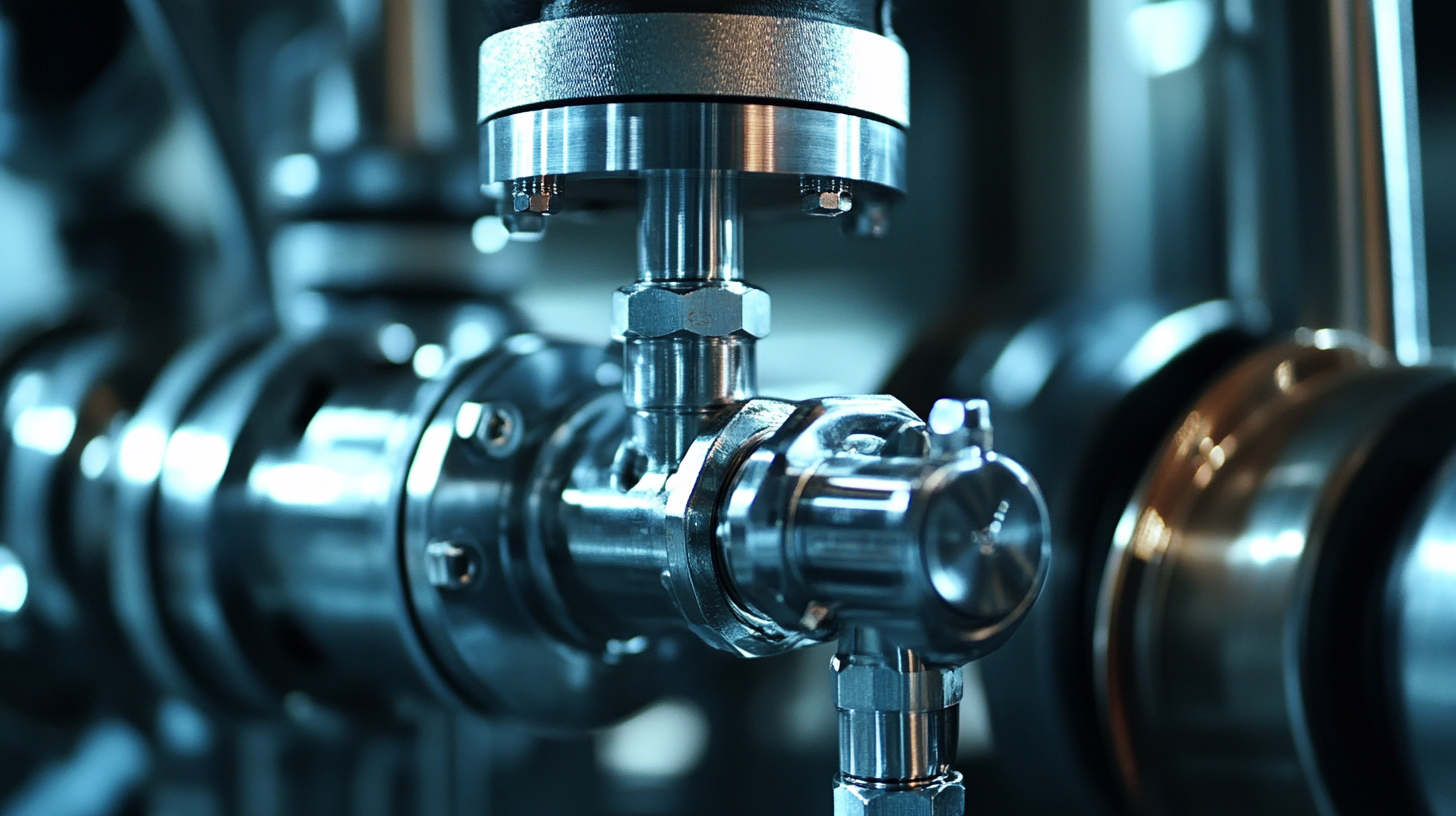
7 Compelling Reasons to Choose the Best Angel Seat Valves for Your Industry

As we dig into why picking the best Angel Seat Valves for your industry is a smart move, you’ll see how spending a little extra on quality can boost your operations and really strengthen your position in the market—leading to more satisfaction and success all around.

Understanding the Different Types of Angel Seat Valves and Their Features in Industrial Applications

You know, getting to grips with the different kinds of angel seat valves is super important if you want to get the most out of industrial applications. These valves are pretty great at stopping leaks and keeping things safe, and they come in a bunch of designs that cater to specific operational needs. Take mixproof double-seat valves, for example—they're a must-have in food and beverage production because they help keep the product integrity while also reducing the risk of cross-contamination. With industries having to stick to those tight safety and quality standards, this feature really can't be overlooked.

Plus, there's been some fascinating progress in valve technology lately. Automated angle seat valves, for instance, are making waves in the pharmaceutical and biotech fields. Not only do these valves work reliably, but they also fit right into automated systems, meaning you don't have to worry as much about manual operations, which ultimately boosts productivity. So, as industries keep evolving, knowing your way around the different functions of angel seat valves will really help manufacturers pick the best options that fit their specific needs.

Key Considerations for Selecting Angel Seat Valves: Materials, Sizes, and Pressure Ratings

7 Compelling Reasons to Choose the Best Angel Seat Valves for Your IndustryHey there! So, if you're diving into the world of angel seat valves for your industry, there are a few key things you really gotta think about. Stuff like materials, sizes, and pressure ratings can make or break the performance and lifespan of these valves. The material is super important because it affects how well the valve will work with different fluids and the environment it’s in. You've got options like stainless steel, brass, and plastic, and believe me, each one has its own perks. For example, stainless steel is tough against corrosion, which is why it’s a go-to for harsh chemicals. On the flip side, plastic valves can be a better fit for less aggressive liquids.

Then there’s the size—you want it to match your system's needs perfectly. Seriously, keep the flow rate and pipe size in mind when picking out your angel seat valve; these details really make a difference in how smoothly everything runs. And let's not forget about pressure ratings! They’re crucial too since they show how much pressure the valve can handle without breaking a sweat. Understanding all these factors is gonna help you pick the best angel seat valves for what you need, ensuring your systems run reliably and effectively.

Comparative Analysis: Conventional Valves vs. Angel Seat Valves in Performance Efficiency

So, let’s talk about picking the right valves for different industries. It’s pretty crucial to consider how conventional valves stack up against angel seat valves, especially when it comes to performance efficiency. Conventional valves, you know, tend to follow the old-school designs. Unfortunately, this sometimes ends up limiting flow and cranking up turbulence, which can throw a wrench in the works for things like moving fluids around and keeping them in check. Plus, their linear flow can really lead to pressure drops, which not only messes with system performance but can also rack up those operational costs over time.

On the flip side, angel seat valves are built to shine when it comes to flow. Thanks to their unique design, they allow for smooth, unobstructed flow that cuts down on turbulence and keeps pressure loss to a minimum. This means industries can push more fluid through without burning up extra energy. And get this—angel seat valves also seal way better, which helps prevent leaks and can make the valve last longer too. That kind of efficiency really matters in sectors where keeping things reliable and performing well directly impacts productivity and safety. So, by opting for angel seat valves, businesses are not just fine-tuning their fluid handling but also boosting their overall efficiency and saving on costs in the long run.

7 Compelling Reasons to Choose the Best Angel Seat Valves for Your Industry

Applications of Angel Seat Valves Across Various Industries: Food, Pharmaceutical, and Chemical

You know, angel seat valves are super important in a bunch of industries, especially when it comes to food, pharmaceuticals, and chemicals. Take the food industry, for instance—these valves help ensure that liquids are handled safely and hygienically. They really keep things clean while managing flow and pressure just right. Plus, their design cuts down on those pesky dead zones, making cleaning a breeze and stopping any contamination in its tracks. That’s a big deal for stuff like juices, dairy, and sauces, right?

In the pharmaceutical world, these angel seat valves are absolutely crucial for keeping things sterile. They're used for transporting and mixing ingredients, making sure that everything’s up to par throughout production. The level of precision they offer is key to keeping medicines consistent in quality and effectiveness. And let's not forget the chemical industry—these valves are built tough to handle all sorts of chemicals, including corrosive ones. They're super reliable for a wide range of applications, from mixing to diverting and controlling flow in complex processes. Honestly, I think the versatility and dependability of angel seat valves is why so many folks in these industries swear by them.

7 Compelling Reasons to Choose the Best Angel Seat Valves for Your Industry

Industry Application Key Benefits Common Materials Compliance Standards
Food Beverage Processing Hygienic design, easy cleaning Stainless Steel, PTFE FDA, EHEDG
Pharmaceutical Active Ingredient Production Product integrity, minimized contamination 316 Stainless Steel, PEEK GMP, ISO 13485
Chemical Corrosive Liquid Handling Durability, safety in harsh environments Hastelloy, PVC ASME, API
Food Dairy Processing Non-destructive testing, long service life Aluminum, CPVC 3A Sanitary Standard
Pharmaceutical Sterile Liquid Routing Enhances sterility assurance S316L, Silicone ASTM, FDA
Chemical Acid & Base Handling High resistance to pitting and corrosion Titanium, Glass-lined ISO 9001

Maintenance Best Practices for Angel Seat Valves to Ensure Longevity and Reliability

So, if you want your Angel seat valves to last and work reliably, it's super important to follow some solid maintenance practices. You know, doing regular check-ups is a good idea, and using cool tools like borescopes can really help. These gadgets let you peek inside the valves and see how they’re doing, which means you can catch any little problems before they turn into big headaches. By taking this proactive route, you not only cut down on downtime but also help your valves stick around longer, keeping things running smoothly, especially when it really counts.

And hey, let’s not forget about back seating! It’s one of those things that can really boost the reliability of Angel seat valves. This technique helps stop leaks, which is key because leaks can mess things up and lead to some unexpected maintenance costs. By putting in place strong monitoring systems and sticking to the right standards, industries can really get a grip on the risks that come with valve operations. Plus, following these maintenance best practices not only keeps you on the right side of regulations but also helps businesses run more efficiently and save some bucks along the way.

Future Trends in Valve Technology: Innovations and Advancements in Angel Seat Valves

You know, as industries keep changing and adapting, the tech behind angel seat valves is doing the same thing. We're seeing some really exciting innovations that are boosting performance, reliability, and efficiency in valve technology. One of the coolest advancements is the addition of smart tech in these valves, which means we can now monitor everything in real-time and collect valuable data. This isn’t just a neat feature; it actually helps improve how efficiently things run and allows for predictive maintenance. So, in simpler terms, we’re looking at less downtime and lower operational costs—pretty great, right?

Another interesting trend that’s making waves in the world of angel seat valves is the push for advanced materials. These new materials are designed to be super durable and resistant to tough conditions. With ongoing research focused on creating corrosion-resistant and lightweight options, these valves can handle some pretty extreme environments. This really helps to extend their lifespan and cuts down on how often we need to replace them. Plus, manufacturers are starting to embrace sustainable practices and are prioritizing eco-friendly materials, which is fantastic given the rising demand for environmentally responsible solutions in the industry. So, as all these innovations roll out, industries can really look forward to getting better performance and functionality from their valve systems.

Innovations in Angel Seat Valve Technology

This chart illustrates the importance of various factors in the choice of angel seat valves for industrial applications. Each factor is rated on a scale from 1 to 10, highlighting areas critical for future advancements in valve technology.

FAQS

: What are angel seat valves and why are they important in industrial applications?

: Angel seat valves are designed to prevent leakage and ensure safety in various industrial applications. Their effectiveness in maintaining operational integrity is crucial for industries that need to adhere to strict safety and quality standards.

What specific features make mixproof double-seat valves suitable for food and beverage manufacturing?

Mixproof double-seat valves are recommended for food and beverage manufacturing because they maintain product integrity while minimizing cross-contamination risks, which is essential for safety and quality.

How do automated angle seat valves contribute to the efficiency of pharmaceutical and biotech industries?

Automated angle seat valves enhance operational efficiency by providing reliable performance and allowing for seamless integration into automated systems, which reduces manual intervention and increases productivity.

What future trends are observed in the technology of angel seat valves?

Future trends in angel seat valve technology include the integration of smart technology for real-time monitoring and data collection, as well as advancements in materials that improve durability and resistance to extreme conditions.

How does the integration of smart technology benefit industrial operations?

The integration of smart technology in angel seat valves allows for real-time monitoring and predictive maintenance, reducing downtime and operational costs while improving overall efficiency.

What advancements in materials are affecting the performance of angel seat valves?

The development of advanced materials that are corrosion-resistant and lightweight enhances the durability of angel seat valves, enabling them to withstand harsher environments and prolong their lifespan.

Are manufacturers prioritizing sustainability in valve production?

Yes, manufacturers are increasingly adopting sustainable practices and prioritizing eco-friendly materials to meet the growing demand for environmentally conscious solutions in the industry.

How can understanding the functionalities of angel seat valves benefit manufacturers?

By understanding the diverse functionalities of angel seat valves, manufacturers can select the best solutions that align with their operational requirements, optimizing their processes and enhancing product safety.

What role does predictive maintenance play in the use of angel seat valves?

Predictive maintenance, enabled by smart technology, allows manufacturers to anticipate and address potential issues before they lead to failures, minimizing downtime and maintenance costs.

What impact do innovations in angel seat valves have on the overall industrial sector?

Innovations in angel seat valves lead to improved performance, reliability, and efficiency, contributing to the advancement of various industrial sectors by enhancing operational effectiveness and safety.
Sophia

Sophia

Sophia is a dedicated marketing professional at Wenzhou Lifi Stainless Steel Co., Ltd., where her expertise in the stainless steel industry sets her apart. With a strong passion for innovation and quality, she plays a pivotal role in promoting the company's core business, which specializes in......
Previous Finding Reliable Suppliers for Hand Valves Your Ultimate Guide to Success