When it comes to industrial applications, you really can't underestimate how important it is to manage fluids both efficiently and safely. Picking the right equipment can make a huge difference in how smooth operations run and in the quality of the final product. One of those key pieces of equipment you're likely to come across are Mixproof Valves. They’re pretty essential because they help prevent cross-contamination between different mediums, which is super important for keeping products safe and staying in line with strict industry regulations.
But, here’s the thing—choosing the best Mixproof Valve isn’t just about grabbing the first one you see. You need to understand your specific needs, like what kinds of fluids you're handling, the pressure and temperature ranges involved, and how everything fits together in your overall system. And don’t forget, how these valves are integrated into your process matters a lot, because it affects their performance and how reliable they are over time.
In this guide, I’ll walk you through some key factors and technical details so you can make a smart choice. The goal is to help you pick the perfect Mixproof Valve for your unique setup, so you can boost efficiency without compromisi– no, *maintain* product integrity across all your industrial operations.
Understanding Mixproof Valves and Their Industrial Importance
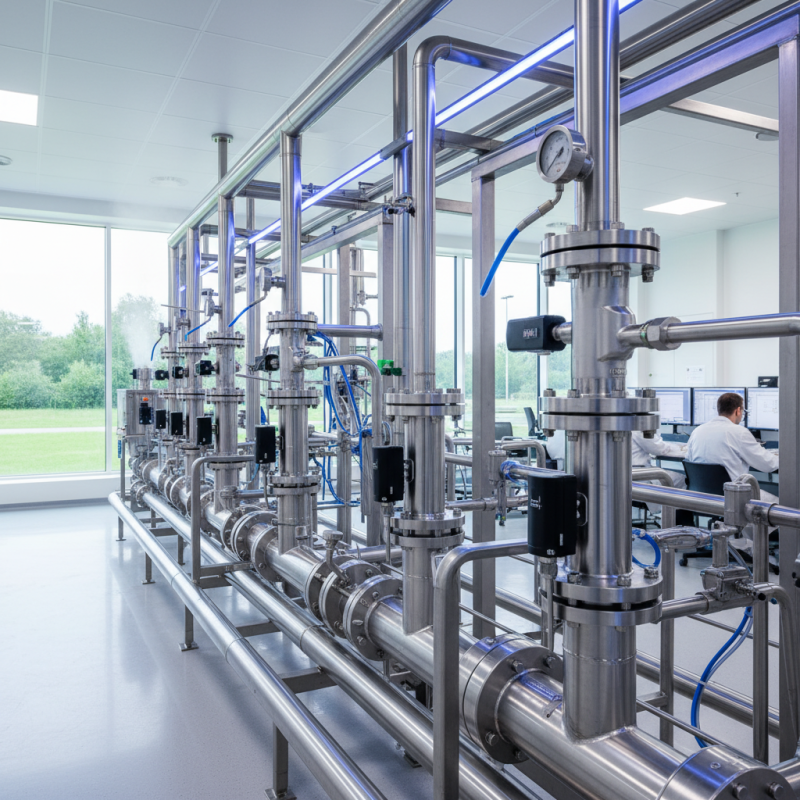
Mixproof valves play a critical role in various industrial applications, particularly in sectors such as food and beverage processing, pharmaceuticals, and chemical manufacturing. These specially designed valves allow for the simultaneous transport of different fluids without the risk of cross-contamination. This capability is crucial in industries where maintaining product integrity and hygiene is paramount. By ensuring that product streams remain uncontaminated, mixproof valves uphold not only product quality but also compliance with rigorous regulatory standards.
Understanding the functionality of mixproof valves is essential for selecting the right type for specific applications. They typically employ a dual-seal mechanism that prevents any fluid from leaking into the other side when one valve is open. This design not only enhances safety but also optimizes operational efficiency by allowing for uninterrupted workflow, even during cleaning processes. As industries continue to evolve and demand higher standards for cleanliness and efficiency, the importance of mixproof valves will only increase, making their selection a vital consideration in any industrial setup.
Key Features to Look for in Mixproof Valves
When selecting mixproof valves for industrial applications, several key features should be considered to ensure optimal performance and reliability. One of the most crucial aspects is the valve's design, particularly the sealing mechanism. High-quality mixproof valves typically utilize double-seated or cartridge designs, which effectively prevent cross-contamination between different products in sensitive operations. According to a report by the International Society for Pharmaceutical Engineering (ISPE), facilities that employ sophisticated valve technology report up to a 30% reduction in product loss and contamination, illustrating the importance of effective sealing systems.
Another significant feature to consider is the material construction of the valves. Industries that handle corrosive substances or extreme temperatures need valves crafted from durable materials such as stainless steel or specialized alloys. A recent study published by MarketsandMarkets indicated that the demand for corrosion-resistant mixproof valves is projected to grow at a CAGR of 6.5% through 2025, as more facilities prioritize durability and longevity in their equipment. Additionally, valves should be designed for ease of maintenance, with features like quick-disconnect fittings and self-cleaning functionalities, contributing to reduced downtime and increased operational efficiency.
Further, the automation capabilities of mixproof valves play a vital role in modern industrial applications. As automation technology rapidly advances, integrating smart features such as sensors and remote control interfaces can enhance monitoring and control. A report from Frost & Sullivan highlights that automation in valve systems can reduce labor costs by approximately 20%, pushing industries towards more efficient operational strategies. By focusing on these key features, organizations can ensure that they are investing in the most suitable mixproof valves for their unique industrial needs.
How to Choose the Best Mixproof Valves for Your Industrial Applications - Key Features to Look for in Mixproof Valves
| Feature |
Description |
Importance Level (1-5) |
| Material Compatibility |
Ensures the valve can handle the chemicals or fluids used in your process. |
5 |
| Leak-Proof Design |
Prevents cross-contamination between two different media. |
5 |
| Size and Flow Rate |
Matched to the specifications of your piping and application requirements. |
4 |
| Temperature Resistance |
Valves should withstand the temperature ranges of your processes. |
4 |
| Easy Maintenance |
Design allows for quick servicing to minimize downtime. |
3 |
| Actuation Type |
Selection between manual, pneumatic, or electric based on application. |
4 |
| Certifications |
Complying with industry standards such as FDA, EHEDG. |
5 |
Different Types of Mixproof Valves and Their Applications
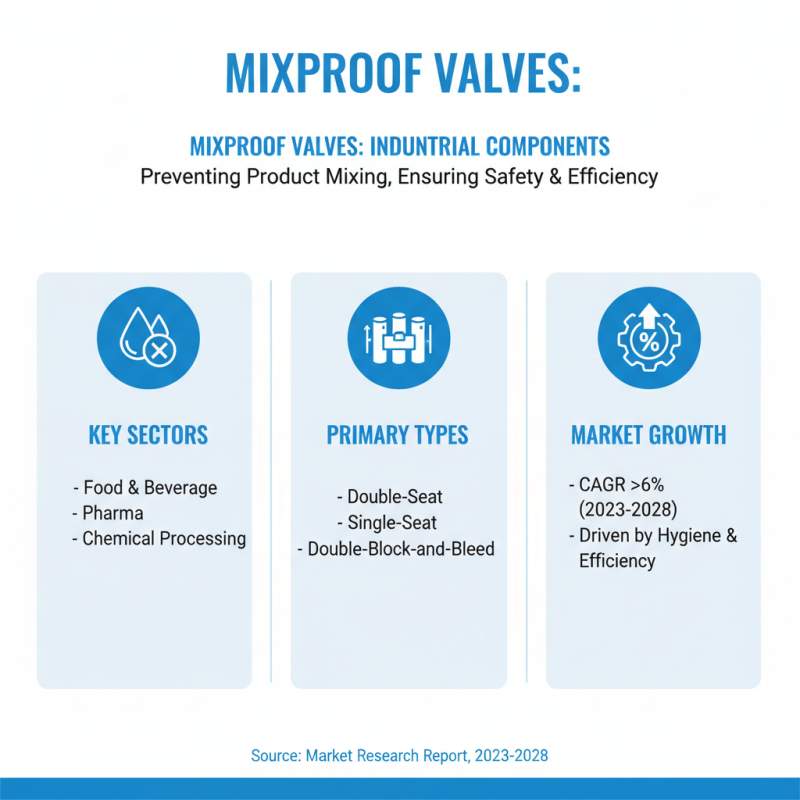
Mixproof valves are essential components in various industrial applications, particularly in sectors such as food and beverage, pharmaceuticals, and chemical processing. These valves are designed to prevent the mixing of different products while allowing for efficient and safe operation. The primary types of mixproof valves include double-seat valves, single-seat valves, and double-block-and-bleed valves, each suited for specific applications. According to a recent market research report, the global demand for mixproof valves is expected to grow at a CAGR of over 6% between 2023 and 2028, driven by the increasing need for hygiene and efficiency in processing industries.
Double-seat mixproof valves are commonly used in applications where different liquids must flow through the same pipeline without contamination, such as in dairy processing. These valves enable simultaneous processing with minimal risk of cross-contamination, making them ideal for manufacturers looking to enhance their product quality and safety standards. Conversely, single-seat valves are often employed in less critical applications where sterilization is required but cross-contamination risks are lower. According to industry experts, these valves are popular in the pharmaceutical sector, particularly in processes where sterilization is paramount and downtime must be minimized.
Double-block-and-bleed valves provide an additional layer of safety by allowing for isolation and maintenance without product loss. This makes them particularly beneficial in chemical processing applications, where the integrity of the process must be maintained to prevent hazardous situations. As industries increasingly prioritize automation and advanced technologies in their operations, the versatility and reliability of mixproof valves will play a pivotal role in shaping future applications within these sectors.
Factors Affecting the Selection of Mixproof Valves
When selecting mixproof valves for industrial applications, several key factors come into play that ensure the chosen solution meets operational requirements. First and foremost, the specific application and process conditions must be assessed. Consideration of factors such as temperature, pressure, and the types of fluids being handled is essential. Different materials may be needed to withstand corrosive substances or extreme temperatures, and proper compatibility will prevent costly equipment failure and downtime.
Another critical factor is the valve configuration and design. Mixproof valves are available in various designs, including inline or angle configurations, which affect flow rates and installation space. The ease of maintenance is also vital; valves that require less downtime for servicing can significantly improve overall efficiency. Additionally, it's important to consider the control options available, whether manual, pneumatic, or electric, as these can influence the operational flexibility of the system.
By thoroughly evaluating these factors, you can choose the most suitable mixproof valve that will enhance your industrial processes and ensure reliable performance.
Maintenance and Troubleshooting for Mixproof Valves
When it comes to ensuring the optimal performance of mixproof valves in industrial settings, maintenance and troubleshooting are key components that cannot be overlooked. According to a report by the International Society of Automation, proper maintenance can increase the operational lifespan of mixproof valves by 20-30%. Regular inspections help in identifying wear and tear, ensuring that seals and fittings remain effective, and preventing expensive downtime caused by leaks or malfunctions. It is advisable to follow a routine maintenance schedule that includes cleaning, lubrication, and testing of the valve functionality to uphold safety and efficiency standards.
Troubleshooting mixproof valves requires a thorough understanding of both the mechanical and electronic components. Common issues such as valve leaks, improper sealing, or failure to actuate can arise from factors like improper installation, wear, or contamination. The Valve Manufacturers Association reports that over 82% of valve failures can be attributed to installation and maintenance errors. Implementing rigorous testing procedures and utilizing diagnostic tools can assist technicians in accurately diagnosing issues. For example, pressure testing can reveal hidden leaks that impact the valve's performance. By focusing on regular maintenance and effective troubleshooting practices, industries can significantly enhance the reliability and safety of their mixproof valves.
Comparing Cost and Performance of Mixproof Valves
When selecting the optimal mixproof valves for industrial applications, a critical aspect to consider is the balance between cost and performance. Recent industry reports indicate that efficient mixproof valves can reduce operational costs by up to 15% through minimized downtime and maintenance.
Moreover, the reliability of these valves in preventing cross-contamination is paramount in sectors such as food and beverage processing, where compliance with stringent sanitary standards is required. According to a study by the International Society of Automation, the failure rates of improperly chosen valves can lead to substantial financial losses, estimated at over $50,000 annually for large-scale operations.
Performance factors such as valve sealing integrity, flow rates, and response times also play a significant role in the selection process. Data shows that high-performance mixproof valves, which can handle extreme pressure differentials without sacrificing operational efficiency, often justify a slightly higher upfront investment.
For instance, valves designed with advanced sealing mechanisms outperform standard models in longevity and reliability. Statistics reveal that investing in high-quality mixproof valves can lead to an increase in overall system efficiency by up to 20%, thus proving that a thoughtful approach to cost and performance can yield substantial long-term benefits in industrial settings.
Future Trends in Mixproof Valve Technology
The future of mixproof valve technology is poised for significant advancements as industries seek greater efficiency and safety in their processes. One of the key trends is the integration of smart technologies, which enable real-time monitoring and data collection. By incorporating sensors and automation, these valves can inform operators immediately when an anomaly occurs, enhancing preventative maintenance and reducing downtime. This connectivity not only ensures better operational integrity but also aligns with the broader trend towards Industry 4.0, where interconnected devices drive productivity.
Additionally, the emphasis on sustainability is shaping the development of mixproof valves. Manufacturers are focusing on materials and designs that reduce waste and energy consumption. Innovations such as self-cleaning features and enhanced sealing technologies are becoming increasingly common. These improvements not only optimize performance but also contribute to environmental responsibility by minimizing the risk of cross-contamination and ensuring that processes comply with stricter regulatory standards. As industries continue to innovate, mixproof valve technology will play a crucial role in supporting safer and more sustainable operations.
Innovative Solutions with Sanitary Stainless Steel Clamped Three-Way Zero Leakage Ball Valves for Optimal Fluid Control
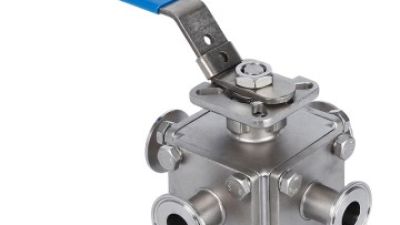
In fluid control applications, achieving optimal performance is critical, particularly when it comes to managing high volume, high-pressure, and high-temperature flow. Innovative solutions such as sanitary stainless steel clamped three-way zero leakage ball valves have emerged as essential components in these scenarios. These valves not only offer reliable tight shut-off capabilities, but their design also enhances operational efficiency, making them ideal for industries that maintain stringent hygienic standards.
The manual three-way stainless steel ball valves are engineered with rugged construction that ensures durability and a long service life. Their design facilitates ease of operation, allowing users to manage fluid direction with precision. This functional versatility makes them suitable for various applications, including food and beverage processing, pharmaceuticals, and chemical manufacturing. By utilizing these advanced ball valves, industries can ensure high levels of reliability and safety in their fluid handling processes, significantly reducing the risk of leakage and maintenance costs.
FAQS
: Mixproof valves are crucial in various industrial applications, especially in the food and beverage, pharmaceuticals, and chemical processing sectors. They are designed to prevent the mixing of different products while enabling efficient and safe operation.
The primary types of mixproof valves include double-seat valves, single-seat valves, and double-block-and-bleed valves. Each type is suited for specific applications based on the risk of cross-contamination and operational requirements.
Double-seat mixproof valves are commonly used in dairy processing to allow different liquids to flow through the same pipeline without contamination, enabling simultaneous processing with minimal cross-contamination risk.
Single-seat valves are used in less critical applications, mainly in the pharmaceutical sector, where sterilization is necessary but the risk of cross-contamination is lower.
Double-block-and-bleed valves allow for safe isolation and maintenance without product loss, which is particularly beneficial in chemical processing applications where process integrity is vital.
Key factors include the specific application and process conditions (temperature, pressure, fluid types), valve configuration and design, ease of maintenance, and available control options (manual, pneumatic, or electric).
Routine maintenance can increase the operational lifespan of mixproof valves by 20-30%, as it helps identify wear and tear, ensures seals remain effective, and prevents downtime from leaks or malfunctions.
Common issues include valve leaks, improper sealing, and failure to actuate, often due to improper installation, wear, or contamination.
Effective troubleshooting involves understanding both mechanical and electronic components, implementing rigorous testing procedures like pressure testing, and utilizing diagnostic tools to identify issues accurately.
The design and configuration affect flow rates and installation space, which are critical for ensuring that the valve meets specific operational requirements and enhances overall efficiency.
Conclusion
Mixproof valves are essential components in many industrial applications, primarily due to their ability to prevent cross-contamination during the processing of different products. Understanding the various types of mixproof valves and their functionalities is crucial, as each type serves specific applications, ranging from food and beverage processing to pharmaceuticals. Key factors to consider when selecting mixproof valves include their features, such as leak-proof designs and compatibility with different fluids, as well as maintenance requirements to ensure long-term reliability.
In addition, the cost-performance ratio plays a significant role in the decision-making process, as businesses need to balance budget constraints with the operational efficiency provided by high-quality mixproof valves. As technology advances, future trends indicate improvements in valve designs and materials, enhancing their performance and applicability across different industries. Ensuring that the right mixproof valve is chosen can greatly impact the efficiency and safety of industrial processes.