- Home
- About Us
- Products
- Knowledge
- Service
- Resource
- News
- Contact Us
Leave Your Message
You know, as more and more industries look for efficient and reliable fluid control systems, it's really crucial to highlight how innovative valve solutions are becoming a game-changer. The valve market is projected to hit a whopping USD 102.3 billion by 2025! And that's mainly because there’s this growing demand for energy-efficient systems everywhere. In the middle of all this hustle, Wenzhou Lifei Stainless Steel Co., Ltd. is really stepping up with their 'Valve With Flange' innovations. With more than 15 years in fluid equipment manufacturing and about 13 years in export trade, Lifei Stainless Steel really has their customers' needs at heart. It's all about quality and innovation here, and we’re not just about meeting client demands - we want to help them succeed and feel satisfied in this ever-changing market.
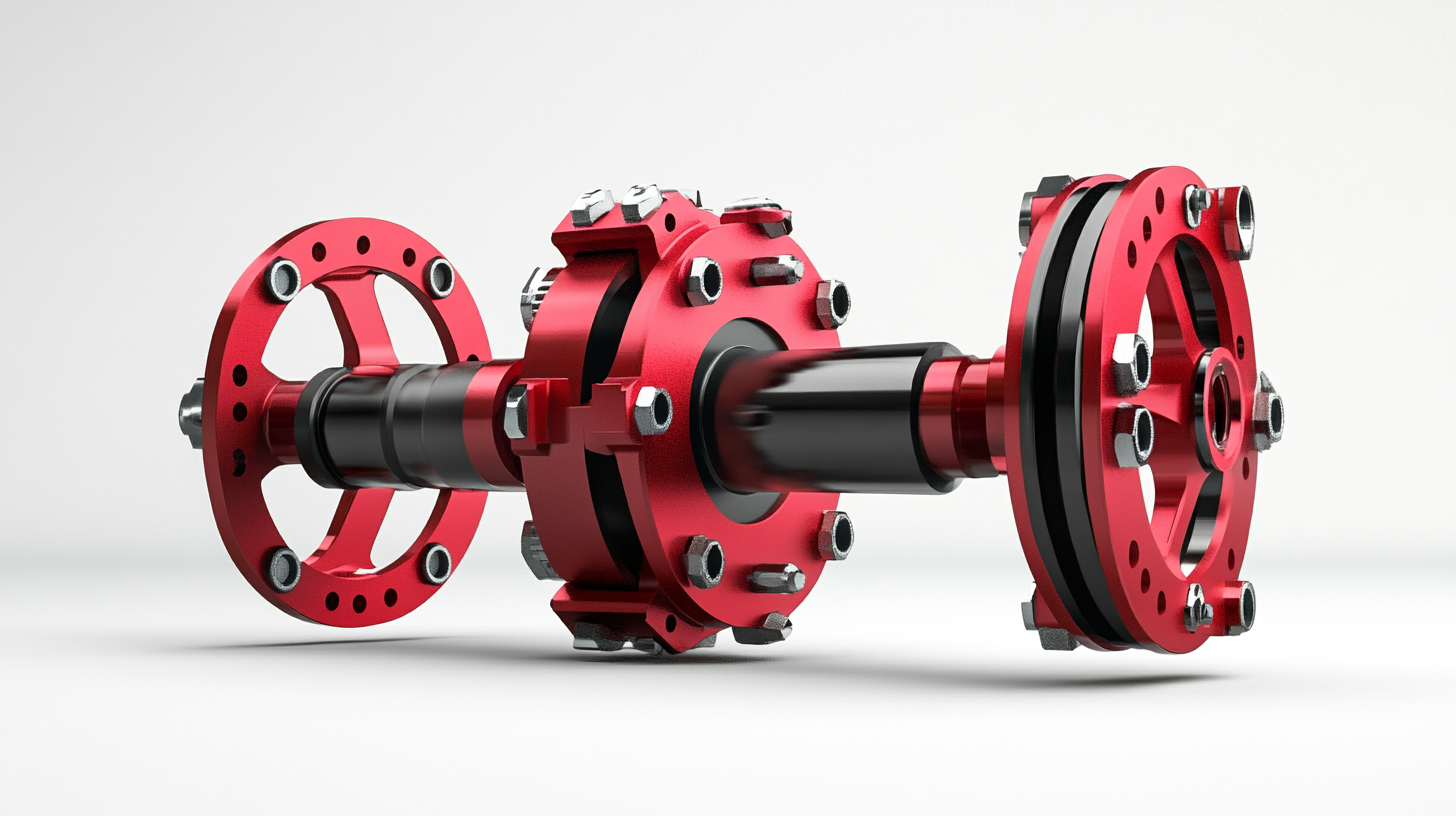
You know, in recent years, Chinese manufacturers have really stepped up their game in the flanged valve sector. They've been rolling out some pretty innovative designs that are raising the bar for industrial standards all around the globe. These advancements not only boost how these valves work and how reliable they are, but they also tackle that increasing need for efficiency and sustainability across various industries like oil and gas, water treatment, and manufacturing. With a serious dedication to research and development, these Chinese companies are truly changing the game in valve tech, using cutting-edge materials and top-notch engineering practices to ensure they perform at a whole new level.
What’s really cool is how these innovators in China are zeroing in on optimizing valve structures to enhance flow characteristics while also cutting down on maintenance. Plus, they've made some serious headway with sealing technologies and lightweight materials that help extend the lifespan and lower operational costs of these valves. They’re designed to handle some pretty extreme conditions, making them perfect for a variety of applications. By focusing on both functionality and being eco-friendly, these flanged valve designs aren’t just tackling today’s industrial challenges; they’re also gearing us up for smarter, more sustainable practices in the future. Honestly, this shift showcases China’s rising influence in the global manufacturing scene and their commitment to really pushing engineering excellence.
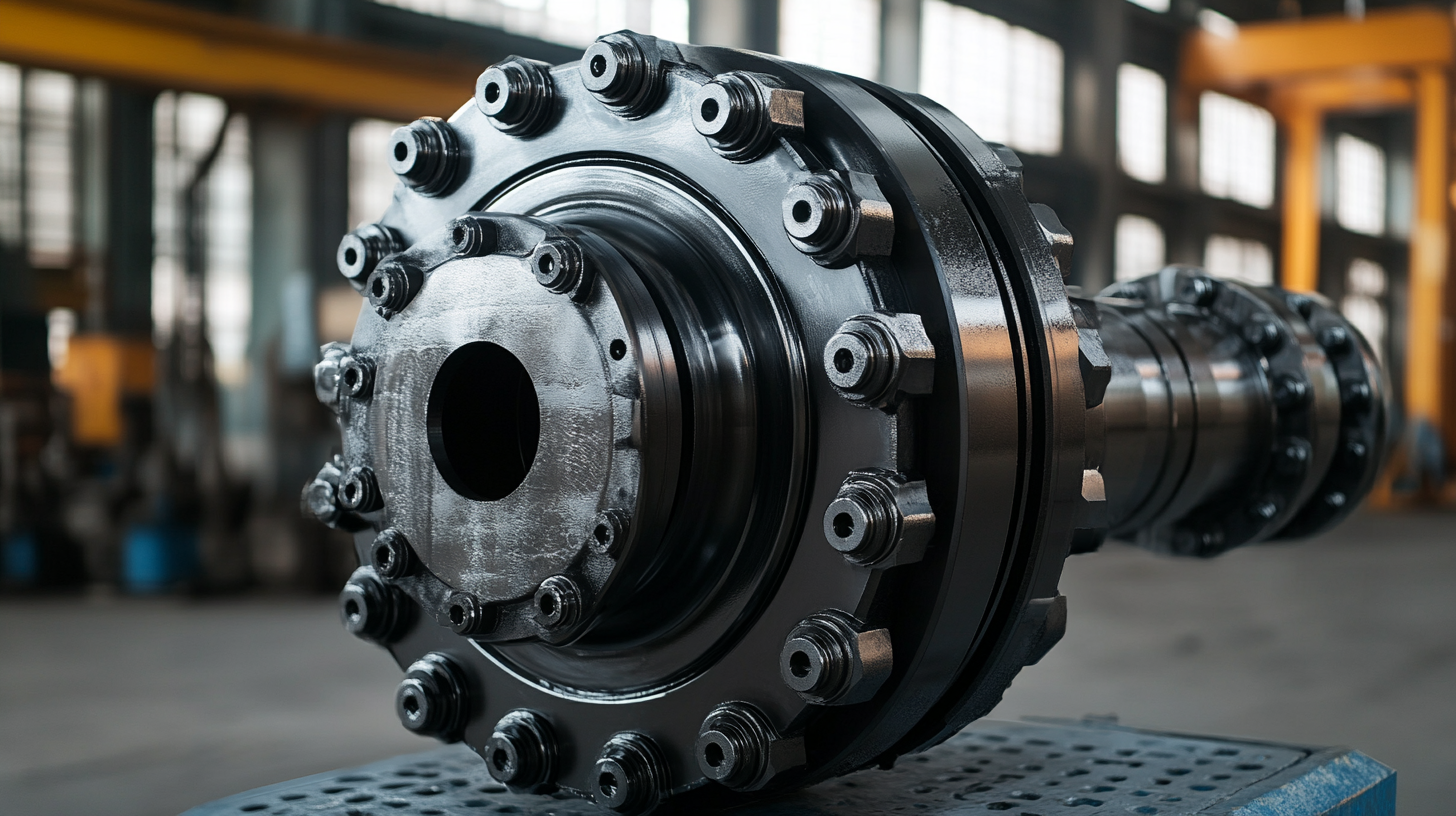
You know, the world of flanged valve innovations is really shaking things up these days, and a big part of that is all thanks to some seriously impressive tech. I mean, we’re talking about new materials that are built to last and smart monitoring systems that are becoming part of the valve design itself. These upgrades are really raising the bar in the industry. Manufacturers are getting super clever with their use of simulations and modeling techniques now, which means they can nail down valve performance with a lot more accuracy—less waste, more efficiency, right?
If you're thinking about how to bring tech into your flanged valve production, here are a couple of tips: first off, it’s worth putting some money into advanced software tools that help with design and testing. Also, teaming up with tech providers can really help you mesh those new tools into your workflow. And let’s not forget about the importance of training your staff! When they know how to use these new technologies effectively, it can really boost product quality and make your operations run smoother.
Oh, and can we talk about how IoT (that’s the Internet of Things) is totally a game changer for valve systems? With it, you get real-time data that’s super helpful for maintenance and day-to-day operations. Not only does this keep your valves going strong for longer, but it also cuts down on downtime, which is a win for productivity. So, if you’re looking to stay ahead in the market, focusing on innovation while being flexible enough to adapt to new tech trends is definitely the way to go!
| Innovation Aspect | Description | Impact | Technological Example |
|---|---|---|---|
| Material Science | Development of advanced materials that enhance durability. | Increased lifespan and reduced maintenance costs. | Corrosion-resistant alloys |
| Automation | Integration of smart technology for automated control. | Improved efficiency and accuracy in operations. | IoT-enabled flanged valves |
| Testing Methods | Implementation of advanced testing techniques for quality assurance. | Higher reliability and performance standards. | Non-destructive testing technologies |
| Sustainability | Focus on eco-friendly manufacturing processes. | Reduced environmental impact and compliance with global standards. | Recyclable materials usage |
| Design Innovation | Innovative designs that improve flow efficiency. | Optimized performance and energy savings. | Computational fluid dynamics in design |
You know, these days, everyone's talking about sustainability, and guess what? The valve manufacturing sector is really stepping up its game! They're coming up with some pretty innovative practices that not only boost efficiency but also help reduce their environmental footprint. A recent report from the Global Valve Market mentioned that we're looking at a solid 4.6% annual growth rate in eco-friendly manufacturing methods. This shift is mainly because companies need to meet those tough regulations, and honestly, consumers are demanding products that are kinder to the planet.
Chinese manufacturers have really taken the lead in embracing sustainable practices. I mean, just look at how advances in automation and smart tech are cutting down on waste and slashing energy use. According to a study from the Industry Research Institute, energy-efficient valves can actually save up to 30% on energy costs—how awesome is that for hitting those sustainability goals? Plus, they're starting to explore biodegradable materials for valve components, which is totally in line with the global move towards circular economies.
And get this: integrating life cycle assessments (LCAs) during the design phase helps manufacturers really see how their valves impact the environment from the moment they're made until they're thrown away. This forward-thinking approach not only keeps them compliant with regulations but also sparks some serious innovation. As the industry keeps changing, it’s clear that sustainability isn’t just about doing the right thing; it’s also a huge competitive edge, especially with all the cool innovations coming out of China.
You know, the global market for flanged valves is really going through some big changes lately, and a lot of that has to do with China stepping up its game in production. According to some recent reports from the industry, this sector is on track for some pretty impressive growth. They’re expecting the global market size to hit around USD 7 billion by 2031, which is a cool annual growth rate of 4.6%. It’s a clear sign that China is becoming a powerhouse in manufacturing, especially as companies worldwide are reshaping their supply chains to be more resilient and efficient after all the disruptions we've seen in the past.
On top of that, analysts have pointed out that there’s a real surge in demand for certain types of valves. Take electronic expansion valves, for example—they’re projected to reach a whopping USD 1,986 million by 2035, thanks to an impressive CAGR of 8.4%. And a lot of this growth is happening in East Asia. It's interesting to see how major players from China are not just keeping up, but are actually setting the bar higher by using smart tech and fine-tuning their production methods to cater to this growing need. This kind of strategic move doesn’t just boost China’s position in the global valve scene; it also starts to ripple out, influencing international standards and practices across the whole industry.
You know, the global valve market is really changing things up lately! Chinese manufacturers are rolling out some pretty innovative flanged valve solutions that are raising the bar when it comes to efficiency. It’s not just about impressive engineering, either — it really shows how quickly these companies can adapt to what the market needs. One of the big perks of Chinese flanged valves is their awesome design and top-notch materials. They not only improve durability but also keep maintenance costs low. That means lower operational expenses for industries that rely on these essential components, which is always a win, right?
But that’s not all! When it comes to performance, these Chinese flanged valves often leave the competition in the dust. Thanks to precision manufacturing techniques, they’re built to handle a variety of pressures and temperatures without breaking a sweat. They’re perfect for all sorts of applications! Plus, with the latest tech like automation and smart monitoring systems, they really take functionality to the next level. Imagine having real-time insights on performance and maintenance predictions! As industries are increasingly focusing on efficiency and sustainability, Chinese flanged valves are becoming a go-to choice in modern operational setups.
Hey, have you noticed that in the last few years, flanged valves from China have really taken off around the globe? It’s pretty impressive and speaks volumes about just how innovative China’s manufacturing scene has become. There was this case study at the "Knowledge Property and Green Innovation Development Forum" that really drove home how intellectual property issues play a crucial role in pushing forward global green innovations. Sectors that rely heavily on fluid control systems—think water management and chemical processing—are really enjoying these advanced valve technologies. According to a study by ABC Research, the market for flanged valves is expected to balloon from $5 billion in 2023 to $7.5 billion by 2028. That’s a solid indicator of the growing confidence in Chinese manufacturing, right?
What’s even cooler is that we’re seeing these valves making waves in places like India and Brazil, where they’ve helped boost operational efficiency while also cutting down on environmental impacts in various industries. A recent report from DEF Consultancy highlighted that using these high-quality flanged valves has led to a 20% drop in waste and leaks, which just shows how essential they are for hitting those sustainability goals. These innovations are not just good news for local manufacturers; they're also in line with global ambitions for better resource management and protecting our environment. It feels like we’re really moving forward together in the realm of green tech!
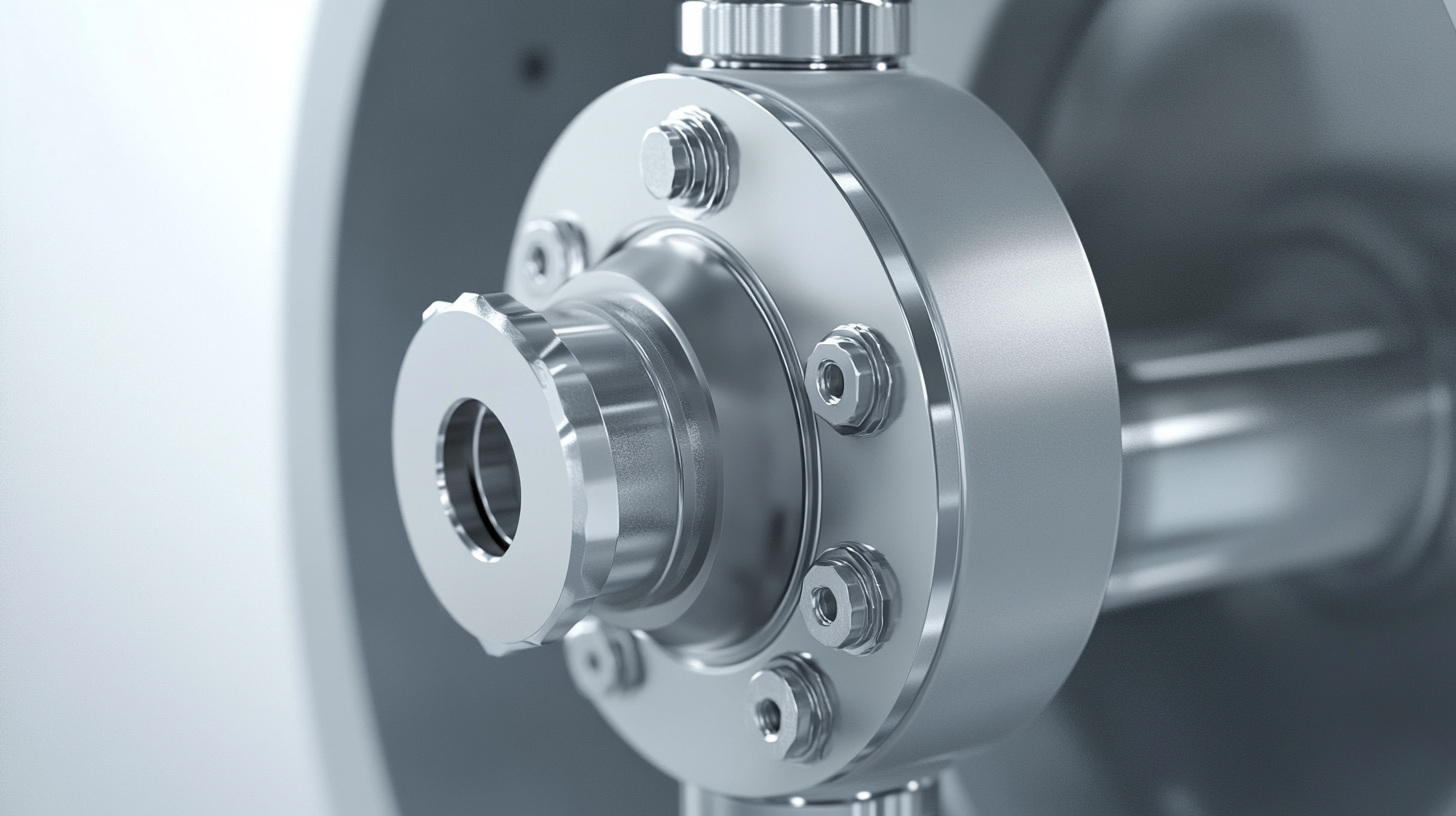
: The evolution of flanged valve production is primarily driven by cutting-edge technology, including enhanced materials for durability, smart monitoring systems, sophisticated simulations, and modeling techniques that improve precision and efficiency.
Companies can incorporate technology by investing in advanced software tools for design and testing, establishing partnerships with technology providers, and providing training for staff to effectively utilize these technologies.
IoT technology offers real-time data for maintenance and operation of valve systems, enhancing longevity, minimizing downtime, and maximizing productivity.
The increasing demand for sustainability is driving valve manufacturers to adopt eco-friendly manufacturing methods, comply with regulations, and meet consumer preferences for environmentally responsible products.
Chinese manufacturers are leading in integrating automation and smart technologies, resulting in reduced waste, energy consumption, and the development of biodegradable materials for valve components.
LCAs allow manufacturers to evaluate the environmental impact of valves from production to disposal, supporting regulatory compliance and fostering innovation.
The flanged valve market is projected to reach approximately USD 7 billion by 2031, with a compound annual growth rate (CAGR) of 4.6%.
China's innovative production capabilities are setting trends in the global valve market, with a focus on integrating advanced technologies and optimizing production processes to meet rising demand.
The electronic expansion valves market is expected to grow significantly, reaching approximately USD 1,986 million by 2035, driven by a robust CAGR of 8.4% and increased consumption in East Asia.
Global supply chains are restructuring towards resilience and efficiency, with a notable shift towards China as a central production hub in the valve manufacturing industry.