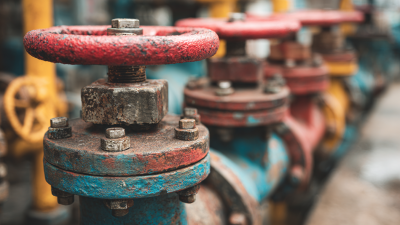
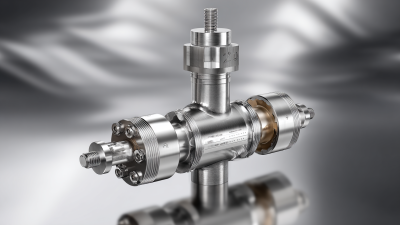
When it comes to controlling fluids, check valves are kind of like the unsung heroes of the game. They play a big role in making sure liquids and gases flow safely and smoothly without weird backflows. Dr. Sarah Thompson, who's a real expert in fluid dynamics at the Institute of Fluid Engineering, puts it nicely—she says, "Check valves are the quiet champions of pipeline systems. They stop backflow and help keep everything running smoothly." As industries keep pushing for better efficiency and reliability, it's more important than ever to understand the different types of check valves, what benefits they bring, and where they’re used.
This guide aims to break it all down—showing how these handy devices work to keep things flowing without hiccups and avoid system problems. Whether we're talking about simple disc check valves or complex tilting disc versions, there's a wide range that fits many needs, from water treatment plants to oil fields and manufacturing lines. By taking a closer look at how each type works and their perks, you'll get the knowledge you need to make smarter choices when it comes to your fluid systems. That way, you can boost performance and safety all at once.
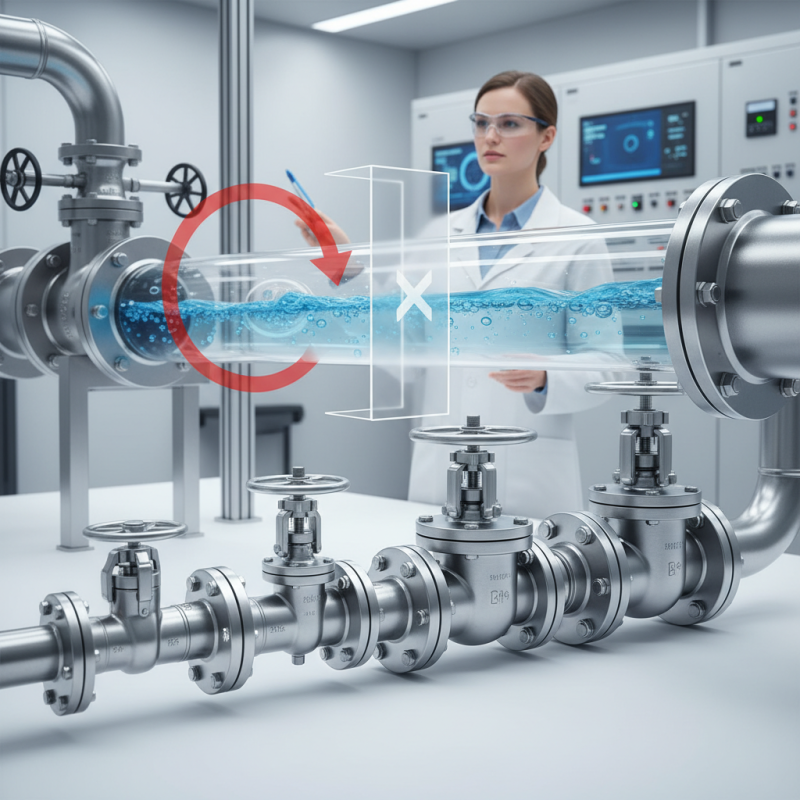
Types of Check Valves: An Overview of Common Variants
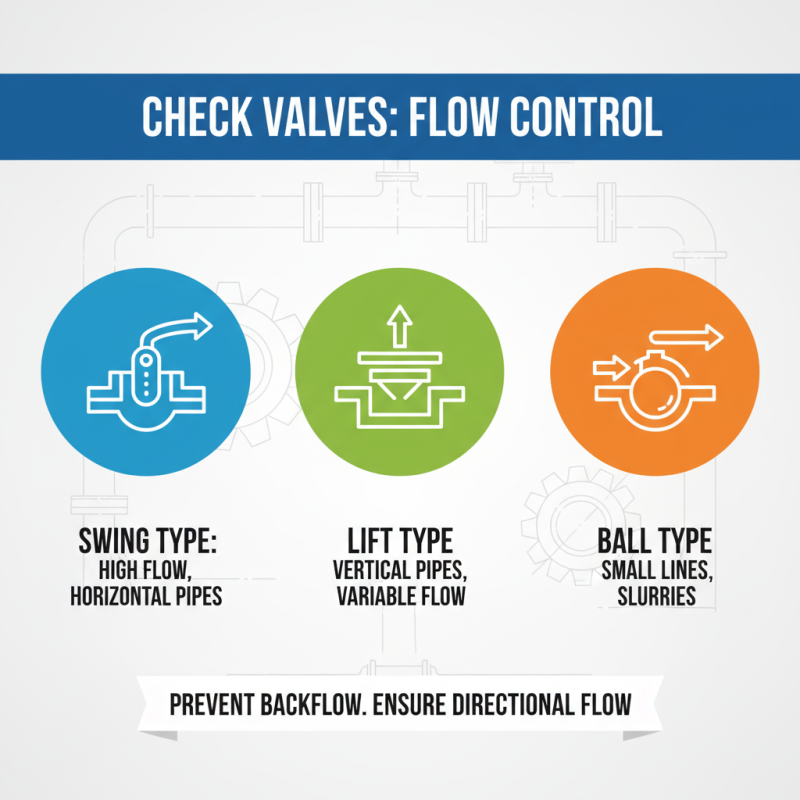
Check valves are essential components in many fluid handling systems, designed to allow the flow of liquid or gas in one direction while preventing backflow. Among the common types of check valves, the most notable include swing check valves, lift check valves, and ball check valves. Swing check valves use a disc that swings open to allow flow and closes under reverse flow conditions. These are ideal for applications with a high flow rate and are typically used in pipelines. On the other hand, lift check valves have a mechanism that allows the disc to lift from its seat to enable flow, useful in vertical piping systems where flow direction can change frequently.
When selecting a check valve type, consider the application requirements, such as pressure, temperature, and fluid characteristics. Importantly, choosing the correct valve can significantly influence the system's efficiency and performance.
**Tip:** Always assess the installation orientation of the check valve. Swing check valves, for instance, should be positioned in a horizontal pipeline to function effectively, while lift check valves can be installed in both vertical and horizontal positions. Proper alignment will ensure longevity and reliability in your fluid systems. Remember, the right choice of check valve not only enhances system integrity but also reduces maintenance costs in the long run.
Benefits of Check Valves in Fluid Control Systems
Check valves play a crucial role in fluid control systems, ensuring that fluids flow in the desired direction while preventing backflow. This capability significantly enhances the efficiency and safety of various applications, from industrial machinery to residential plumbing systems. A study by the Global Check Valve Market suggests that the demand for these components is expected to grow at a
CAGR of 6.2% from 2021 to 2026, indicating their importance in modern engineering. The primary benefits of incorporating check valves include safeguarding equipment from damage due to backpressure, reducing maintenance costs, and improving overall system reliability.
Tips: When selecting a check valve for your application, consider factors such as the fluid's temperature, pressure, and corrosiveness. Ensuring compatibility can extend the valve's lifespan and improve performance.
Another significant advantage of check valves lies in their energy efficiency. By preventing backflow, these valves help maintain consistent pressure levels within fluid systems, which can lead to reduced energy consumption. According to the American Society of Mechanical Engineers (ASME), optimized fluid control can lead to a savings of up to 30% in energy costs over time. This is particularly beneficial in large-scale operations, where even small improvements in efficiency can result in substantial cost reductions.
Tips: Regularly inspect and maintain your check valves to ensure optimal performance. Timely repairs can help avoid unexpected failures and enhance the longevity of your fluid control systems.
Key Applications of Check Valves in Various Industries
Check valves play a crucial role in various industries by preventing backflow in piping systems, ensuring the safe and efficient operation of equipment. In water and wastewater management, for example, check valves are essential for protecting pumps and other machinery from potential damage caused by backflow of sewage or treatment water. Their ability to maintain unidirectional flow helps to ensure the reliability of water supply systems and contributes to effective waste management processes.
In the oil and gas industry, check valves are utilized to safeguard pipelines and process systems. They prevent reverse flow, which can lead to contamination or operational failures. By ensuring that fluids move in one direction, check valves help maintain pressure stability and enhance the safety of transport operations. Additionally, in HVAC systems, check valves facilitate the proper movement of air or refrigerants, optimizing system efficiency and preventing potential system failures.
Moreover, in pharmaceutical manufacturing, maintaining the integrity of processes is critical, and check valves serve to prevent contamination and ensure that production flows remain unaltered. This application highlights their versatility across industries, as check valves are indispensable for maintaining operational efficiency and safety in a wide range of applications. Their design and functionality adapt to the specific needs of various sectors, underscoring their importance in modern engineering and industrial practices.
Material Selection for Check Valves: Impacts on Performance
The material selection for check valves is a critical factor that directly influences their performance and longevity. Materials such as stainless steel, bronze, and thermoplastics are commonly used, each with unique properties suited for different applications. For instance,  stainless steel check valves are well-regarded for their durability and resistance to corrosion, making them ideal for harsh environments. According to a report by the Global Research and Data Analysis Company, the demand for stainless steel in valve construction is projected to grow at a compound annual growth rate (CAGR) of 4.5% from 2021 to 2026, reflecting its increasing usage across multiple industries.
Thermoplastics, on the other hand, are gaining traction due to their lightweight nature and excellent chemical resistance, particularly in chemical processing applications. A study published by the American Society of Mechanical Engineers indicates that plastic check valves can reduce overall system weight by up to 40%, improving ease of installation and maintenance while ensuring reliable service. The selection of appropriate materials not only affects the operational efficiency of the valves but also minimizes maintenance costs and downtime, which are critical for industries such as oil and gas, water treatment, and pharmaceuticals. As industries evolve, the emphasis on sustainable and high-performance materials will continue to shape the future of check valve technology.
Installation Guidelines for Optimal Functionality of Check Valves
When installing check valves, it is crucial to follow specific guidelines to ensure optimal functionality and longevity.
First and foremost, the orientation of the valve is essential. Most check valves are designed for vertical or horizontal installation, but it is important to adhere to the manufacturer's specifications to maximize efficiency.
Incorrect installation can lead to improper sealing, increased wear, and ultimately, valve failure. Be sure to position the valve in a way that allows for any potential debris to flow away from the sealing surface, reducing the risk of blockages.
Additionally, attention must be paid to the surrounding piping arrangements.
The alignment between the valve and the pipes should be precise, avoiding any bends or misalignments that could create undue stress on the valve body. It is also advisable to install strainer systems upstream of the check valves to capture any particles that could interfere with valve operation.
For maintenance purposes, ensure that there is adequate access to the valve, allowing for regular inspections and cleaning. Following these installation guidelines will enhance the performance of check valves, ultimately safeguarding the system's integrity and efficiency over time.
Maintenance Practices to Extend the Lifespan of Check Valves
Regular maintenance of check valves is essential to ensure their optimal performance and longevity. According to a report published by the Hydraulic Institute, improper maintenance can lead to valve failure, which costs industries an estimated $300 billion annually due to unscheduled downtime and repair expenses. To extend the lifespan of check valves, it is crucial to implement routine inspections, focusing on aspects such as seal integrity, body corrosion, and the performance of the valve's operational mechanism.
Cleaning check valves regularly can prevent the build-up of debris and deposits that may interfere with their proper function. The American Society of Mechanical Engineers (ASME) recommends developing a maintenance schedule that includes testing the valve under various pressure conditions to ensure it opens and closes smoothly. Additionally, applying appropriate lubricants and coatings can protect against corrosion and wear, significantly enhancing the durability of check valves. By integrating these best practices, industries can minimize operational disruptions and extend the lifespan of their check valves effectively.
The Ultimate Guide to Check Valves: Types, Benefits, and Applications
This chart illustrates the common types of check valves, their benefits, and applications. Understanding these aspects can help in selecting the right check valve for various applications.
Industry Standards and Regulations Governing Check Valve Use
Check valves are essential components in various industrial applications, and their use is governed by a set of industry standards and regulations to ensure safety and reliability. Organizations such as the American Society of Mechanical Engineers (ASME) and the American National Standards Institute (ANSI) set forth guidelines that outline the design, testing, and performance criteria for check valves. These standards are crucial for ensuring that valves can effectively prevent backflow in fluid systems, thereby protecting equipment and maintaining system integrity.
Compliance with these regulations is particularly important in industries such as water treatment, oil and gas, and power generation, where the failure of a check valve can lead to catastrophic failures or environmental hazards. Moreover, the Institute of Electrical and Electronics Engineers (IEEE) and the International Organization for Standardization (ISO) have also introduced standards that extend to the materials used and the operational parameters of check valves. Adhering to these guidelines not only enhances the durability and functionality of valves but also mitigates legal liabilities associated with non-compliance, fostering a culture of safety and accountability within industrial operations.
The Ultimate Guide to Check Valves Types Benefits and Applications
| Check Valve Type |
Benefits |
Common Applications |
Industry Standards |
| Swing Check Valve |
Simple design, low pressure drop |
Water supply systems, sewage treatment |
API 594 |
| Lift Check Valve |
Reduced turbulence, high durability |
Oil and gas pipelines, chemical plants |
API 6D |
| Dual Plate Check Valve |
Compact design, lightweight |
Pumping stations, power generation |
API 605 |
| Ball Check Valve |
No leakage, maintenance-free |
Water treatment, HVAC systems |
ISO 5208 |
| Diaphragm Check Valve |
Corrosion resistant, low maintenance |
Pharmaceuticals, food processing |
FDA, 3A Standards |
FAQS
: Common materials for check valves include stainless steel, bronze, and thermoplastics. Stainless steel is known for its durability and corrosion resistance, making it suitable for harsh environments. Thermoplastics offer lightweight benefits and excellent chemical resistance, especially in chemical processing, and can reduce overall system weight by up to 40%.
Material selection is critical because it directly influences the performance, longevity, operational efficiency, and maintenance costs of check valves. Appropriate materials minimize downtime and costs, which is particularly important for industries like oil and gas, water treatment, and pharmaceuticals.
Check valves should be installed according to the manufacturer's specifications, with attention to orientation (vertical or horizontal). Proper alignment with surrounding piping is essential to avoid stress on the valve body, and strainer systems should be installed upstream to prevent blockages.
Incorrect installation can lead to improper sealing, increased wear, and potentially valve failure. Ensuring an appropriate orientation and alignment is crucial for maintaining the valve's integrity and efficiency.
Regular maintenance practices include routine inspections focusing on seal integrity and body corrosion, cleaning to prevent debris buildup, and testing the valve under various conditions. Applying lubricants and protective coatings can also enhance durability.
Improper maintenance can lead to valve failure, resulting in significant costs for industries due to unscheduled downtime and repair expenses, estimated to be around $300 billion annually.
Industries can ensure reliable performance by following best practices in installation, adhering to a regular maintenance schedule, and conducting routine performance tests to verify smooth operation.
Routine inspections should focus on checking seal integrity, assessing body corrosion, and evaluating the operational mechanism's performance to identify any potential issues early.
Adequate access to check valves is essential to allow for regular inspections, cleaning, and maintenance activities, which contribute to their optimal performance and longevity.
The choice of high-performance materials can reduce maintenance costs by enhancing the durability and reliability of the check valves, thus minimizing the frequency and extent of required maintenance interventions.
Conclusion
Check valves are essential components in fluid control systems, designed to prevent backflow and ensure the smooth operation of various applications across multiple industries. This guide provides a comprehensive overview of the common types of check valves, highlighting their unique benefits and functionality. Key applications are discussed, revealing how check valves facilitate processes in sectors such as water treatment, oil and gas, and pharmaceuticals.
Material selection plays a critical role in the performance of check valves, impacting their durability and effectiveness. Proper installation guidelines are essential for achieving optimal functionality, while regular maintenance practices help extend their lifespan. The article also addresses industry standards and regulations that govern the use of check valves, ensuring compliance and safety in fluid management systems. Overall, understanding these factors enhances the efficiency and reliability of check valves in everyday operations.