Picking the right Sanitary Vent Valve is super important if you want to keep your fluid processing systems running smoothly and safely. There are so many designs and specs out there, and honestly, it can get confusing! That’s why understanding the tech specs and features of these valves is really key. Here at Wenzhou Lifei Stainless Steel Co., Ltd., we’ve got over 15 years under our belt making fluid equipment and around 13 years in the export game. We totally get how tricky it can be for our clients to find the perfect solutions for their specific needs. We're all about putting our customers first and delivering top-of-the-line products. Our goal? To help you sort through the complexities of picking the best Sanitary Vent Valve, so you can rock your operations and feel great about your choices. In this blog post, we’re going to dive into some of the key factors to consider when making your selection. We’ll be touching on those all-important technical specs, some numbers you’ll want to keep in mind, and sharing the top types of valves you can find in the industry.
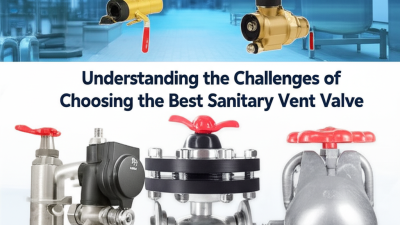
Key Factors Influencing the Selection of Sanitary Vent Valves
So, when it comes to picking out the best sanitary vent valve, there are a bunch of important things you really need to think about. These days, everyone's becoming more aware of hygiene and sanitation, especially in different industries, and that means there's a growing demand for good sanitary vent valves. You’ve got to look into the materials used, how well they'll work with your existing systems, and of course, the pressure and temperature ratings. Also, don't forget about how easy they are to maintain—this stuff matters a lot! The materials should really be tough enough to handle whatever conditions your application throws at them, keeping safety in mind too.
On top of that, it seems like the market for sanitary pumps and valves is on track to blow up, estimated to hit around $16.5 billion by 2032! That kind of growth just highlights how crucial it is to not only pick the right valve but also stay on top of the latest trends and tech in the industry. You really want to get a handle on what your specific application needs—think about the fluid type, flow rate, and any environmental factors—that’ll help you make a smart choice. Manufacturers these days are all about innovation and keeping up with regulations, so that’s something that could influence your valve selection as well. Staying in the loop with market trends will definitely help you find the best sanitary vent valve that fits your needs like a glove.
Comparing Different Types of Sanitary Vent Valves for Optimal Performance
Alright, so when you’re picking out a sanitary vent valve, it’s super important to know about the different types if you want everything to run smoothly in your sanitary system. You’ve got the big three: ball valves, diaphragm valves, and butterfly valves. Each one has its own perks and quirks, depending on what you need. For example, ball valves are pretty sturdy and can seal really well. That’s why they’re often the go-to for high-pressure situations. They let you shut things off quickly and control the flow like a pro, but yeah, they can take up a bit more space because of their shape.
Now, diaphragm valves, they’re all about keeping things clean and hygienic. Their design reduces the chances of leaks and contamination, which is a big win, especially when you’re dealing with sensitive materials. Plus, the way they close is nice and gentle, so they don’t mess with the product too much. And let’s not forget about butterfly valves—they’re a solid all-rounder! They operate quickly and don’t take up much room, making them a great option for systems where you’ve got to control larger volumes but are a bit tight on space.
In the end, choosing the right valve really comes down to what you specifically need. You’ve got to think about factors like operational needs, how much pressure you’re dealing with, and the materials you’re handling. So yeah, doing a good comparison before making a decision is key!
Understanding Industry Standards and Regulations for Vent Valves
So, when you’re out there picking the right sanitary vent valve, it’s super important to really get a grip on the
industry standards and regulations. I mean, these vent
valves are vital for keeping our sanitary systems—especially in food and pharma—running smoothly and safely.
Organizations like the FDA and NSF have laid down some specific requirements about
how these valves should be designed, what materials to use, and how they should be tested. All this is to make
sure we’re preventing contamination and keeping everything safe and sound. Getting familiar with these standards
isn’t just about ticking boxes for compliance; it can really help you choose valves that boost
performance and safety in the
long run.
And here’s another thing:
industry certifications are like quality gold stars. If a
valve meets standards like ASTM, ISO, or 3A, you can bet it’s gone
through some tough testing to make sure it holds up under different conditions. Knowing these certifications can
really empower professionals to pick the best
products for their needs. Plus, staying updated on any changes in regulations is crucial—this way, you
can keep pace with what’s happening in the industry and avoid the risks that come with non-compliance. At the
end of the day, putting in the time to understand these standards will pay off with
better choices and smoother operations in your sanitary systems.
Evaluating Material Choices and Their Impact on Valve Longevity
Picking the right sanitary vent valve is a big deal in a bunch of industrial settings. One key thing to think about is the materials used to make these valves. Seriously, the choice of materials can really impact not just how well a valve performs but also how long it lasts and how effectively it keeps everything clean. Knowing the differences between the old-school metals and the newer composite materials can help you figure out which kind might be the best fit for your specific needs.
Lately, we've been seeing some cool advancements in material science, and it turns out that these new composite materials can be tougher and way lighter than the traditional stuff. For example, in the medical world, polymeric prosthetic heart valves are becoming quite the game-changer—they really show us how innovative materials can boost performance and lifespan. This trend highlights why it’s so important to consider how suitable a material is for things like chemical resistance, temperature stability, and how much mechanical stress it can handle. By doing that, we can make sure our vent valves stay reliable over time, which means less maintenance hassle and better overall efficiency for the whole system.
Understanding the Challenges of Choosing the Best Sanitary Vent Valve - Evaluating Material Choices and Their Impact on Valve Longevity
| Material |
Corrosion Resistance |
Temperature Tolerance (°C) |
Lifespan (Years) |
Maintenance Needs |
| Stainless Steel |
High |
-200 to 1200 |
15 |
Low |
| PVC |
Moderate |
0 to 60 |
10 |
Medium |
| Bronze |
Good |
-20 to 200 |
12 |
Medium |
| PTFE (Teflon) |
Very High |
-200 to 260 |
20 |
Very Low |
| Cast Iron |
Low |
-30 to 450 |
8 |
High |
Addressing Common Challenges in Sanitary Vent Valve Maintenance
You know, sanitary vent valves are super important for keeping things running smoothly in the food and pharmaceutical industries. But, honestly, taking care of them can be pretty tricky, and those challenges can really mess with efficiency and safety. So, if we want to keep them performing at their best, it’s crucial to understand these common hurdles. One major issue is that debris and residue tend to build up, which can really throw a wrench in the works. Setting up regular cleaning schedules and doing thorough inspections can go a long way in tackling this problem.
Another thing to keep in mind is choosing the right materials for the vent valve. Different applications have their own needs, especially when it comes to handling varying pressures and temperatures. It’s a good idea to talk to experts or manufacturers about what materials are best suited for your situation, as this can really help extend the life of your valve.
**A Few Tips for Maintenance:**
- Keep a detailed maintenance log to track service times and notice any significant wear on components. It helps you stay organized!
- Make sure you hold regular training sessions for staff on how to handle and care for the valves properly. This can really cut down on damage during operation.
By getting ahead of these common challenges, companies can ensure their sanitary vent valves work reliably and efficiently, which really boosts the overall reliability of the system.
Future Trends in Sanitary Vent Valve Technology and Design
You know, as the need for cleaner and safer processes in industries like pharmaceuticals, food and beverage, and biotech keeps ramping up, we’re seeing some pretty exciting changes in the design and tech of sanitary vent valves. A recent report by Grand View Research even suggests that the global market for these valves is set to hit a whopping USD 4.83 billion by 2026, growing at about 5.4% each year. This boom is really being fueled by the increasing focus on keeping products safe and avoiding contamination during production.
Looking ahead, there are definitely some trends that are shaping the future of sanitary vent valves. For starters, smart valve technology is really taking off! We’re talking about valves with advanced monitoring systems that collect and analyze data in real-time. This kind of innovation not only makes operations smoother but also helps companies stay compliant with all those tough regulatory standards. Plus, there’s a growing shift towards sustainable manufacturing, which is pushing manufacturers to use materials and processes that are kinder to the environment. And get this—automated solutions are becoming more popular, too, as industries want to reduce manual processes and improve precision in their work. All these innovations are super important for keeping up with the ever-changing demands of these highly regulated fields.
Optimizing Efficiency and Safety with Elliptical Sanitary Stainless Steel Pressure Vessel Manhole SideSwing Covers
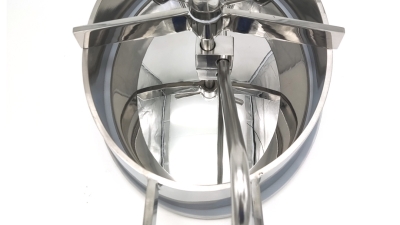
In the quest for maximizing efficiency and safety within various industries, the role of elliptical sanitary stainless steel pressure vessel manhole side-swing covers cannot be understated. These specialized covers provide an essential hygienic access point for monitoring and maintenance, particularly in sectors like dairy where sanitation is paramount. Their elliptical design not only allows for easy manipulation when opening or closing but also ensures a secure seal, preventing contamination from external elements.
The construction material of these manhole covers—high-quality stainless steel—offers significant advantages, including resistance to corrosion and ease of cleaning. This is particularly vital in the dairy industry, where any breach in hygiene can lead to significant health risks and financial losses. The side-swing mechanism facilitates quick access without the need for disruptive maneuvers, streamlining operations and allowing for more effective monitoring of tank contents. As a result, these covers contribute to an overall safer working environment while optimizing the operational efficiency of production processes.
By investing in elliptical manhole covers, businesses can not only meet regulatory standards but also enhance their overall productivity. The blend of practicality and hygiene that these covers provide makes them an indispensable asset in modern industrial applications, where both safety and operational excellence are critical to success.
FAQS
: Key standards include guidelines from regulatory bodies such as the FDA and NSF, which outline requirements for design, materials, and testing to prevent contamination and ensure safe operations.
Understanding these certifications helps professionals assess product quality, as certified valves undergo rigorous testing to ensure reliable performance under various conditions.
Material properties directly influence valve performance, durability, and efficiency in preventing contamination. Selecting appropriate materials enhances valve longevity in specific operational environments.
Recent advancements show that newer composite materials provide superior resilience and lighter weight compared to traditional materials, improving valve performance and longevity.
Common challenges include debris buildup that can impede functionality and the need for selecting appropriate materials for specific application requirements.
Organizations can implement regular cleaning schedules, thorough inspections, and maintain a detailed maintenance log to ensure optimal valve performance.
Routine training for staff on proper handling and care of valves is crucial to decrease the likelihood of damage during operations and ensure reliability.
Staying informed about updates or changes in regulations helps organizations adapt to evolving industry practices, mitigating risks associated with non-compliance.
It is essential to evaluate the materials based on chemical resistance, temperature stability, and mechanical stress to ensure reliability over time.
Proactive maintenance addresses common challenges, ensuring valves perform reliably and efficiently, which enhances the overall reliability of the system.