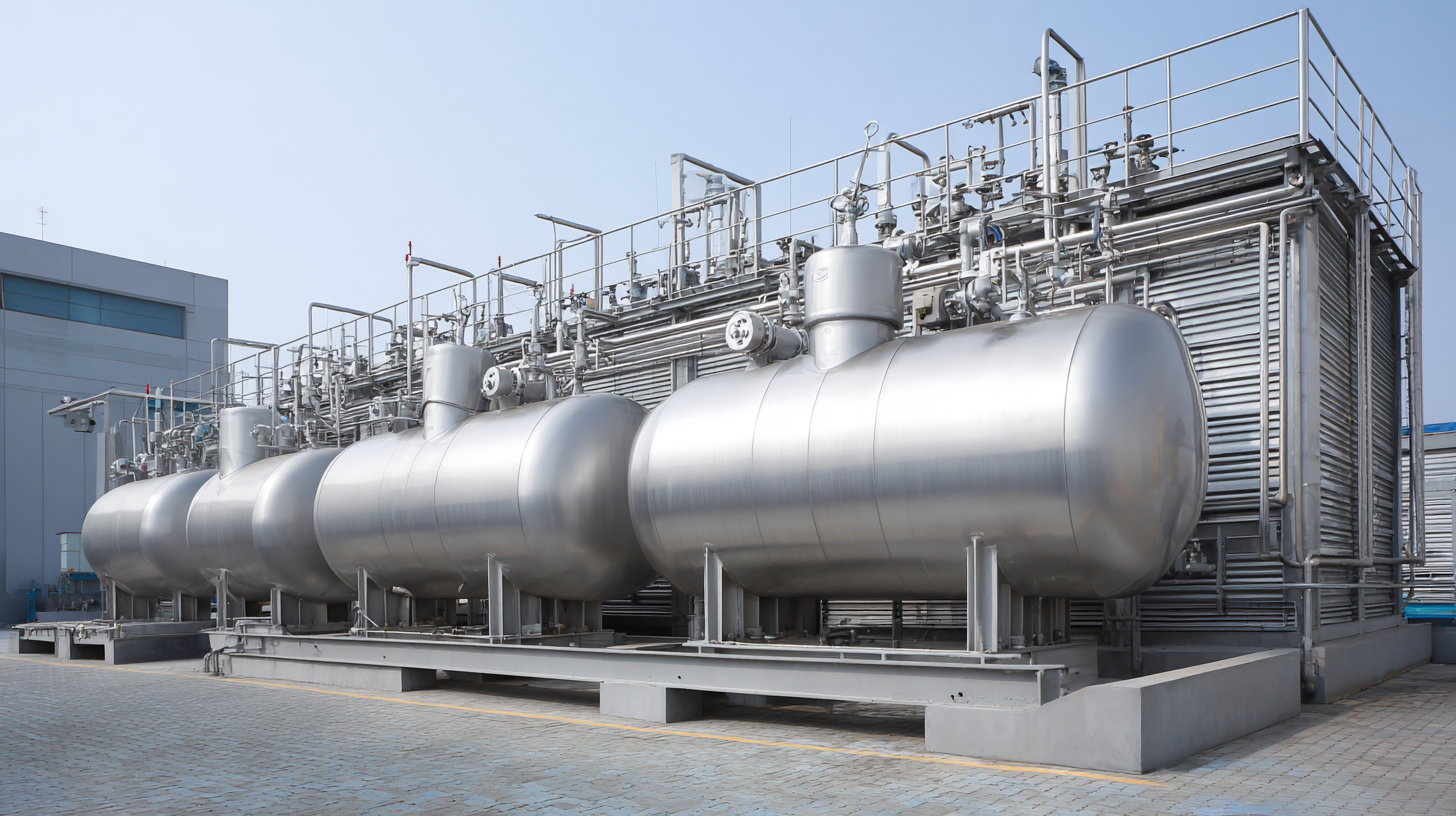
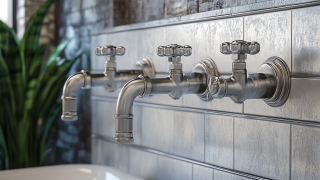
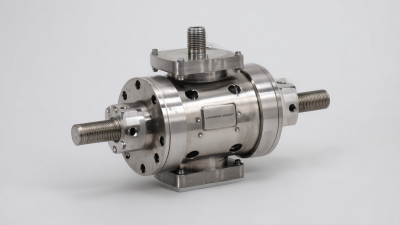
Let’s talk about Tank Bottom Valves—these little guys are super important when it comes to fluid management. I mean, you really can’t underestimate their role,
especially in industries where liquid storage and transfer are a big deal. Here at Wenzhou Lifei Stainless Steel Co., Ltd., we’ve been in the game for over
15 years making fluid equipment, and we’ve got 13 years under our belt in export trade. So, trust me when I say we really get how vital high-quality Tank Bottom Valves are for keeping
everything running smoothly and safely. We’re all about putting our customers first, which pushes us to be innovative and come up with the best solutions.
In this blog, I’m excited to dive into five compelling reasons why investing in top-notch Tank Bottom Valves is a game changer for effective fluid management. We’ll also look at how they
can make your processes slicker and ultimately boost the success and satisfaction of our clients.
Importance of Tank Bottom Valves in Fluid Management
You know, tank bottom valves are really key players when it comes to managing fluids, especially in industries that depend heavily on the smooth storage and transfer of liquids. Honestly, you can't underestimate how important these valves are. They not only keep the stored liquids in check but also amp up the efficiency of operations. I mean, a recent report put out there estimates that a whopping 20% of fluid management costs come from inefficiencies during transfer and storage. So, by using top-notch tank bottom valves, companies can cut down on these expenses significantly, thanks to better flow rates and less waste.
Wenzhou Lifei Stainless Steel Co., Ltd. really gets the ins and outs of fluid management. They’ve got over 15 years of manufacturing experience under their belt. What's cool is that they’re super focused on what customers need, crafting tank bottom valves that can handle even the toughest conditions out there. Studies lately have shown that if you invest in strong valve technology, you could boost your operational efficiency by around 30%. With their dedication to quality and keeping clients happy, they're definitely helping industries tackle those tricky fluid management challenges like pros.
Key Features of the Best Tank Bottom Valves
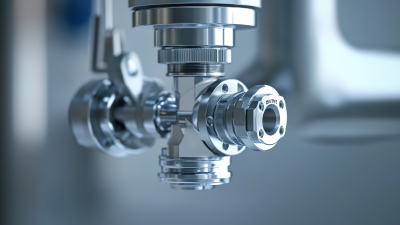
When it comes to handling fluids efficiently, picking the right tank bottom valves is super important. These valves play a key role in making sure that fluid transfers go off without a hitch—keeping things safe and minimizing leaks or contamination risks. A standout quality of top-notch tank bottom valves is how sturdy they are, often crafted from tough materials like stainless steel. At Wenzhou Lifei Stainless Steel Co., Ltd., we totally get how vital reliability and durability are when it comes to fluid equipment. With over 15 years under our belt in manufacturing and about 13 years in the export game, we make sure our valves stick to the highest quality standards. This way, our clients can run their systems with peace of mind.
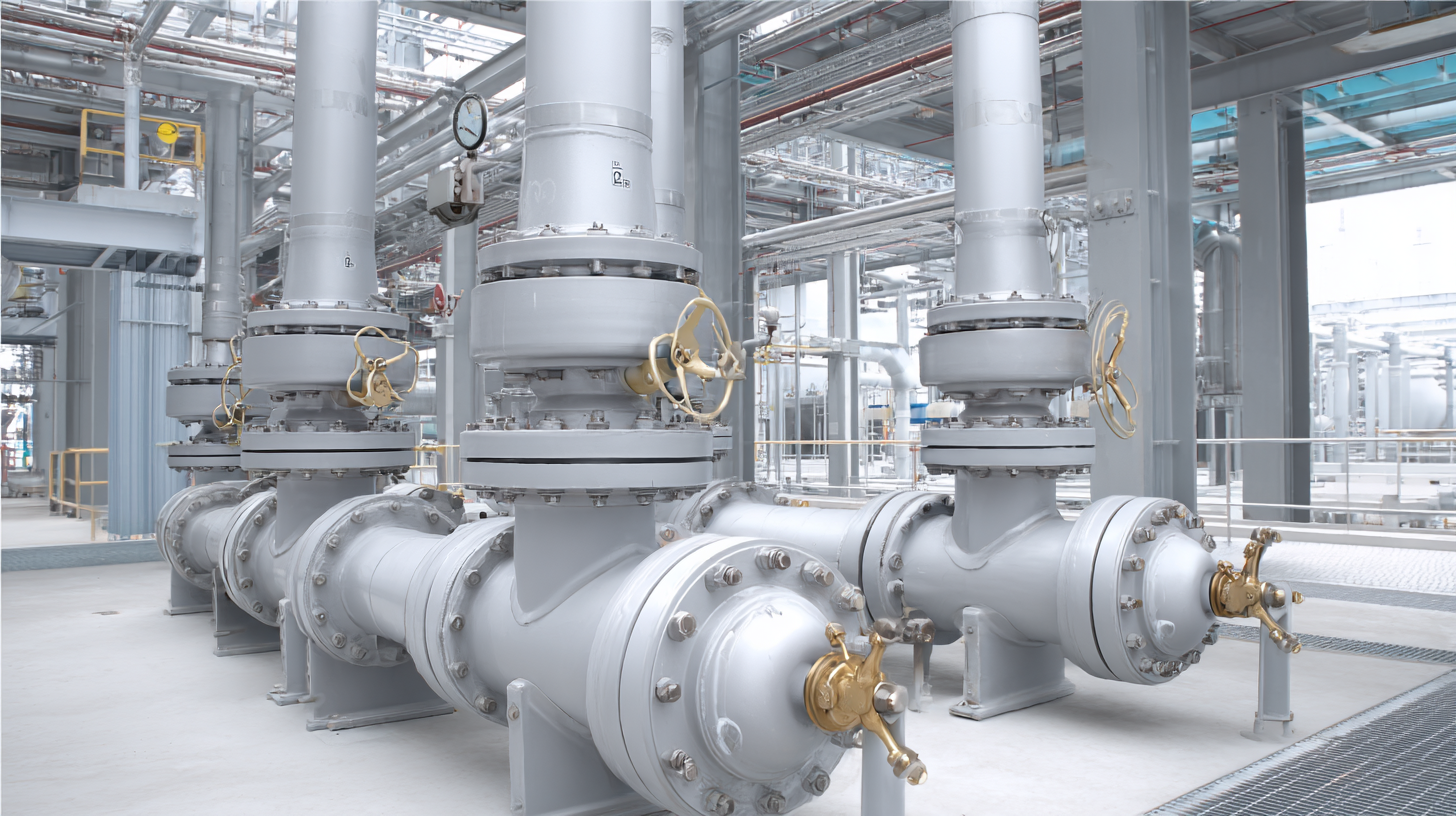
Another thing that really matters is how easy these valves are to maintain and operate. The best tank bottom valves usually feature designs that are user-friendly, making installation and servicing a breeze. And you know what that means? It saves time and cuts down on overall operational costs for our clients. We’re all about keeping our customers happy, so we’re always on the lookout for ways to innovate and improve what we offer. At Lifei Stainless Steel, we’re dedicated to supporting our clients' success with top-shelf products that are just right for their needs.
Impact of Industry Certifications on Valve Performance
You really can't overlook the importance of industry certifications when it comes to valve performance, especially in fields where efficiency and safety are absolutely crucial. Take the global industrial valve market, for example—it's on track to grow pretty significantly, with projections showing it could hit around $121.67 billion by 2025. As industries tap into advanced fluid management systems more and more, the need for valves that meet strict certification standards is skyrocketing. Having certified valves not only helps with compliance to regulations but also boosts operational reliability, which means fewer failures and better overall system performance.
But that’s not all! The effects of certification really stand out as companies jump on the Industry 4.0 bandwagon, driving up demand for high-tech valve control systems. These systems often rely on top-notch certified components to work their magic in automated settings. Take, for instance, the new biodiesel valves that come with specific combustion certification standards—they’re a prime example of how crucial certification is for safety and efficiency in today's industrial world. As everything keeps evolving, investing in certified valve solutions is becoming a must for manufacturers who are keen on achieving operational excellence and going green.
5 Reasons Why Best Tank Bottom Valves Are Essential for Efficient Fluid Management
Digital Advancements in Tank Bottom Valve Technology
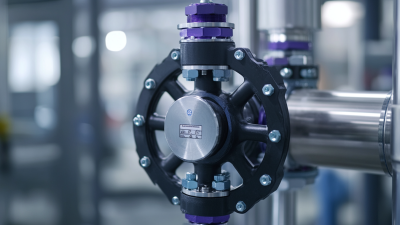
You know, the tech behind tank bottom valves has really changed the game when it comes to managing fluids across various industries. Nowadays, with digital controls and automation on board, these modern valves are making fluid handling way more efficient and precise. I came across this recent report that said smart valve systems can cut down fluid loss by as much as 25%. That's huge when you think about sustainability and keeping costs in check! These cutting-edge valves aren't just about optimizing flow; they also come with predictive maintenance features, which can seriously help dodge those expensive downtimes.
On top of that, we’ve got these motorized diaphragm valves that are really making a splash in aseptic environments, which is super important, especially in fields like winemaking. By allowing precise flow control in different plant areas, they help keep the product quality intact while also boosting operational consistency. Industry experts predict that the demand for advanced valve technologies in the food and beverage sector will grow at a rate of about 7.1% over the next five years. As more companies catch onto the importance of efficient fluid management, you can bet that investing in the latest tank bottom valve tech is going to be key for staying ahead of the competition.
Top Valve Types for Various Fluid Applications
Let’s talk about fluid management in tanks, shall we? When you're trying to get that right, picking the right valve type is super important. You see, how well fluids are distributed and controlled really depends on using the right valves for the job. Take ball valves, for example—they're pretty famous for their awesome sealing abilities and quick shut-off actions, which make them a go-to in the oil and gas sector. On the other hand, you've got butterfly valves. These guys are lightweight and compact, perfect for moving a lot of fluids around, so you often find them in water treatment plants.
But hey, that’s not all! There are other valve types out there that cater to different needs. Check valves, for example, are a must-have when you need to prevent backflow. They make sure the fluid flows in the right direction, which is super important in lots of systems. And then there are pressure relief valves. These handy devices help protect your tanks from getting too much pressure by automatically relieving excess fluid, so they’re key to keeping your equipment safe and everything running smoothly.
**Quick tip:** Before you pick a valve, don’t forget to check out the specific fluid characteristics like temperature, viscosity, and corrosiveness. This little step makes a big difference in how well everything works and how long your system lasts. And, oh! Regular maintenance is a must, too—a well cared-for valve system means fewer headaches down the line and keeps everything running efficiently.
Efficiency Boost: How Quality Valves Influence Operations
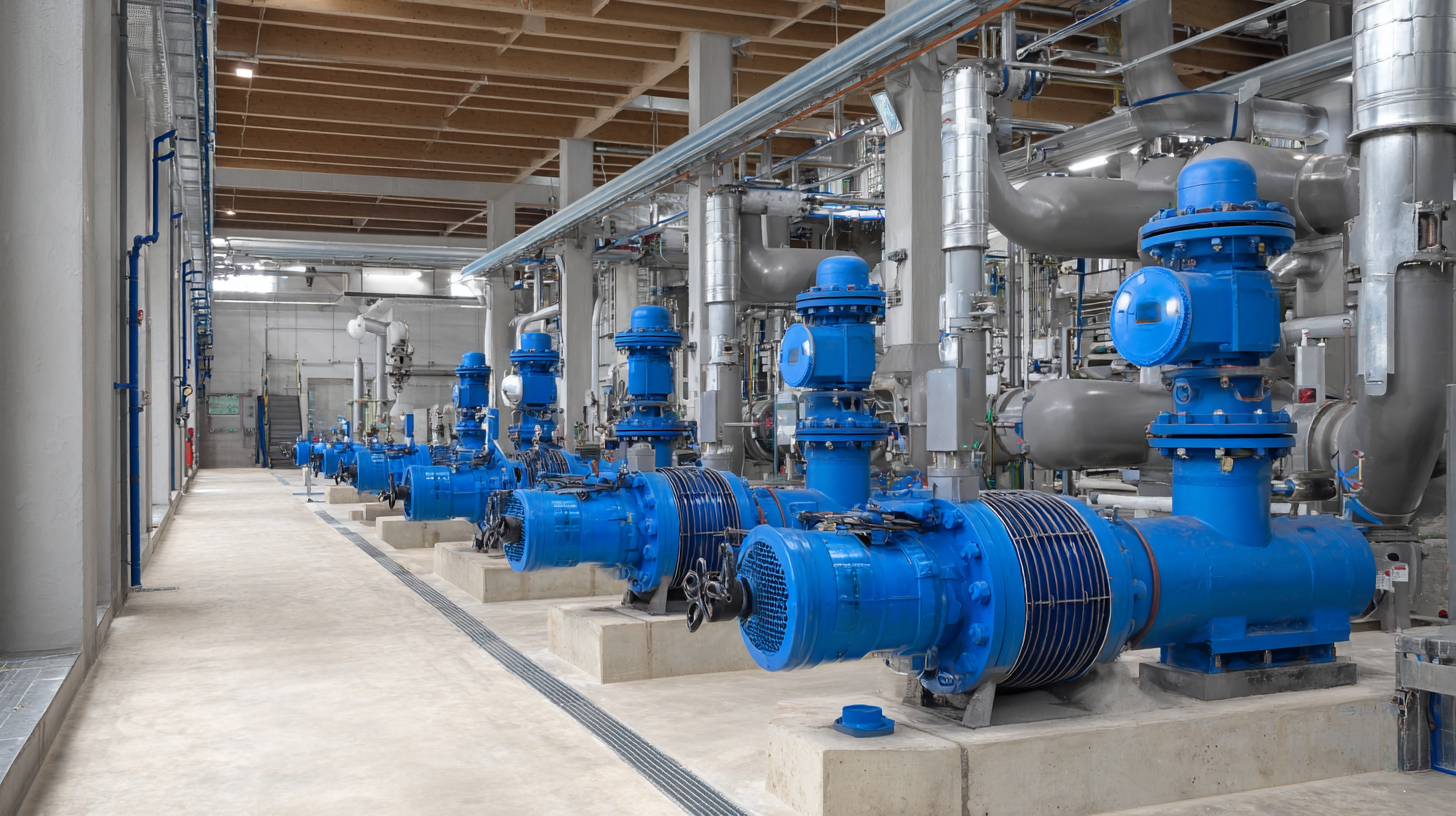
When it comes to managing fluids, the quality of tank bottom valves is super important for getting the most out of operations. A report from the American Society of Mechanical Engineers (ASME) found that if you have high-quality valves, you could actually boost fluid flow by as much as 25%. That’s a big deal because it can really cut down on the energy costs you face with pump operations. This boost in efficiency comes from having proper sealing and keeping turbulence to a minimum—both are trademarks of the best tank bottom valves out there. Plus, when these valves are installed properly, you can expect less downtime for maintenance. Reliable valves help reduce leaks and make everything run a lot smoother.
But there’s more! The benefits of quality valves go beyond just efficiency; they also play a big role in compliance and safety, which are getting more attention in the industrial world. The U.S. Environmental Protection Agency (EPA) notes that facilities using top-notch valves may lower the risk of spills and environmental contamination by up to 30%. That’s not just good for Mother Earth—it also keeps you in line with regulations, which can save you a ton of money by cutting down on potential fines and liability risks. So, when it comes to choosing tank bottom valves, it’s really a no-brainer: investing in the right ones can make a huge difference for both your operations and our planet.
5 Reasons Why Best Tank Bottom Valves Are Essential for Efficient Fluid Management
| Reason |
Description |
Impact on Efficiency |
Potential Cost Savings |
| Improved Fluid Control |
Quality valves enable precise control of fluid flow. |
Increases the accuracy of operations and minimizes waste. |
Up to 15% reduction in operational costs. |
| Reduced Leakage |
High-quality materials minimize the risk of leaks. |
Enhances safety and compliance with regulations. |
Saves on rework and regulatory fines. |
| Durability and Longevity |
Constructed to withstand harsh conditions. |
Reduces maintenance frequency and downtime. |
Minimizes repair costs, potentially 20% savings per year. |
| Enhanced Safety |
Reliable valves prevent hazardous spills and accidents. |
Improved worker safety and operational reliability. |
Reduces insurance costs and liability risks. |
| Energy Efficiency |
Optimized flow reduces energy demands for pumping. |
Lowers energy consumption and operational costs. |
Potentially 10-25% savings in energy expenditures. |
FAQS
: The global industrial valve market is projected to reach approximately $121.67 billion by 2025.
Certified valves ensure compliance with regulatory requirements, enhance operational reliability, reduce the risk of failures, and improve overall system performance.
The transition to Industry 4.0 has increased the demand for advanced valve control systems, which require highly certified components for effective operation in automated environments.
New biodiesel valves that meet specific combustion certification standards exemplify how certification is vital for maintaining safety and efficiency in industrial applications.
Digital advancements in tank bottom valve technology enhance efficiency and precision in fluid handling, significantly reducing fluid loss and helping in costly downtime prevention.
Smart valve systems can reduce fluid loss by up to 25%, contributing to sustainability and cost control.
Motorized diaphragm valves have optimized aseptic environments in sectors like winemaking by facilitating precise flow control and maintaining product integrity.
The demand for advanced valve technologies in the food and beverage sector is projected to grow at a CAGR of 7.1% over the next five years.
Investing in certified valve solutions is essential for manufacturers to achieve operational excellence and sustainability amidst evolving industrial demands.
Modern tank bottom valves include predictive maintenance features that help avert costly downtimes while improving flow regulation and efficiency.