In today’s industrial world, you can’t really overstate how crucial reliable safety mechanisms are, especially when we’re talking about fluid management systems. The market for Pressure Safety Valves is on the rise—thanks to more investments in infrastructure and stricter safety regulations in heavy-hitters like oil and gas, chemical processing, and power generation. A recent industry report even predicts that by 2026, this market could hit a whopping USD 6.21 billion! That really highlights just how vital these components are for keeping systems safe and sound. At Wenzhou Lifei Stainless Steel Co., Ltd., we've been in the fluid equipment game for over 15 years and have spent 13 of those years focusing on exports. Our main goal? Putting our customers’ needs first. As we navigate this growing market, we're all about providing top-notch Pressure Safety Valves that not only meet but exceed our clients' expectations—because we genuinely want them to succeed and feel satisfied in a competitive landscape.
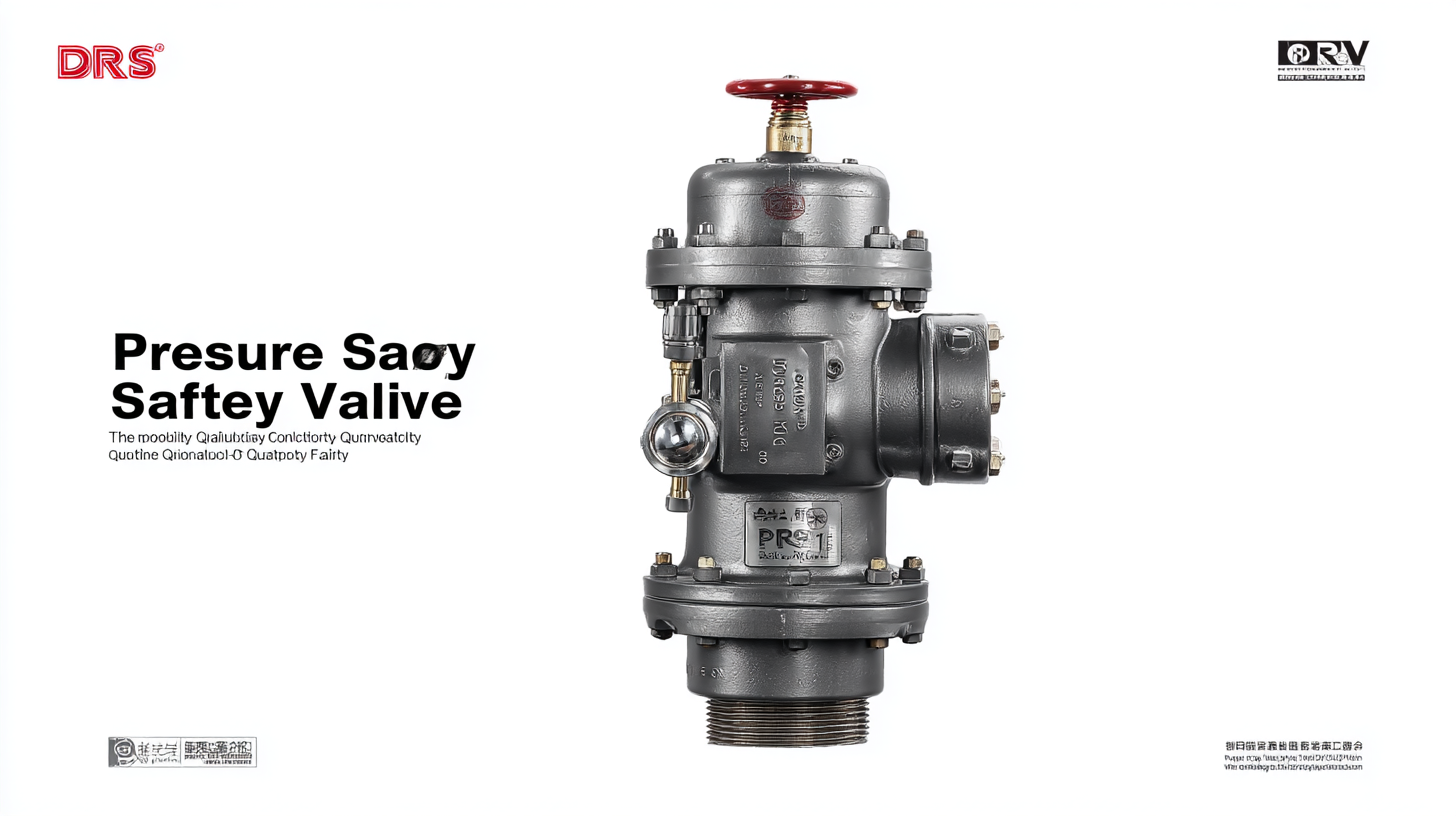
Key Features of Industry-Leading Pressure Safety Valves from China
So, let's talk about pressure safety valves for a second. When you’re picking ones that really matter, you want quality and reliability—like, super important, right? China’s top-notch manufacturing factories really stand out in this area; they’re famous for their innovative designs and impressive performance. A big part of what sets apart the best pressure safety valves is just how precisely they’re engineered, making sure they can handle all sorts of pressure situations without breaking a sweat. And you know what? These valves go through some serious testing to ensure they’re tough and reliable; they're built to take on the pressures of high-demand environments.
Another thing worth mentioning is the advanced materials that go into making these valves. The leading manufacturers use corrosion-resistant stuff, which really boosts the lifespan and effectiveness of their products. This is especially crucial in industries like oil and gas, where dealing with rough conditions is just an everyday thing. On top of that, a lot of these Chinese factories give you the option to customize, so you can get valves that fit your specific needs. With all of this in mind, pressure safety valves from China not only meet international safety standards but also give operators handling pressurized systems a real sense of security.
Pressure Safety Valve Performance Comparison
Innovative Technologies Used in Manufacturing High-Quality Pressure Safety Valves
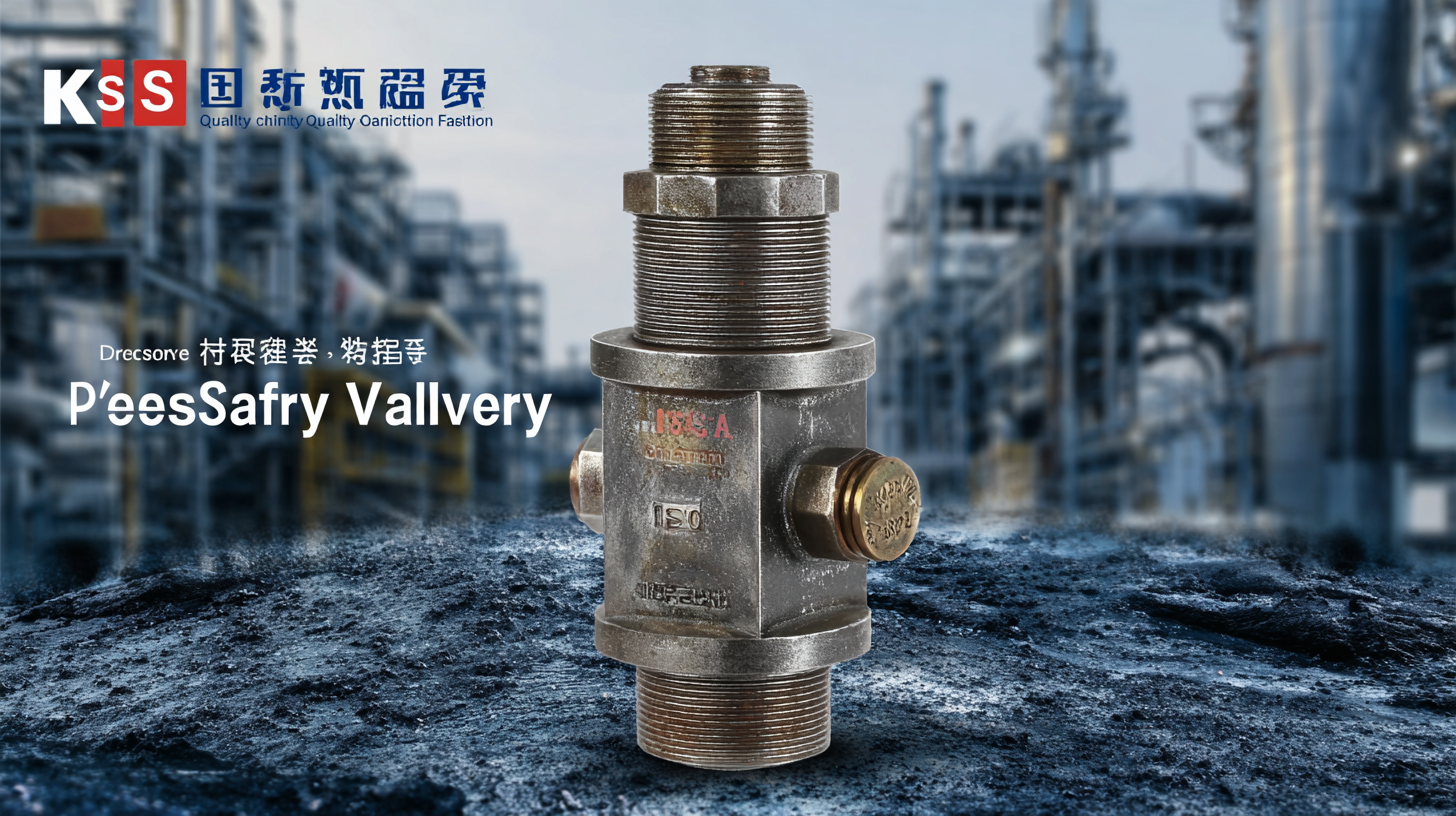 When it comes to safety gear, pressure safety valves are super important for protecting systems from too much pressure. In China, some of the top manufacturing factories are really stepping up their game with some cool, innovative technologies. These advancements not only boost the quality of these critical components but also make them way more functional and reliable. They’re using everything from advanced materials to state-of-the-art fabrication techniques to make sure every valve hits the high safety standards we all need.
One really neat development is the rise of 3D printing for creating those intricate valve designs. This tech lets manufacturers whip up prototypes pretty quickly and customize things on the fly, so they can really cater to what clients need. And let’s not forget about computer-aided design (CAD) software, which is a game-changer. It helps create super precise specifications, ensuring that each valve is just right for top-notch performance.
A few tips: If you’re in the market for a pressure safety valve, be sure to check out what material it’s made from. Going for corrosion-resistant materials can really pay off in terms of longevity and reliability. You’ll also want to keep an eye on the valve’s certifications; that’s your assurance that it meets all the necessary safety standards. And hey, don’t hesitate to chat with manufacturers about the latest technology that could enhance your system’s safety and boost performance!
Real-World Applications of Pressure Safety Valves Across Various Industries
You know, pressure safety valves (or PSVs, if you want to keep it short) are absolutely vital in a bunch of different industries. They play a key role in keeping both equipment and people safe from those dangerous overpressure scenarios. It’s pretty interesting—there’s a report out from MarketsandMarkets that says the global market for these pressure relief valves is projected to hit a whopping USD 4.78 billion by 2025, which translates to a growth rate of about 5.1% each year. This really highlights just how important safety measures are becoming in sectors like oil and gas, chemical manufacturing, and power generation, especially since there’s always a risk of pressure-related mishaps lurking around.
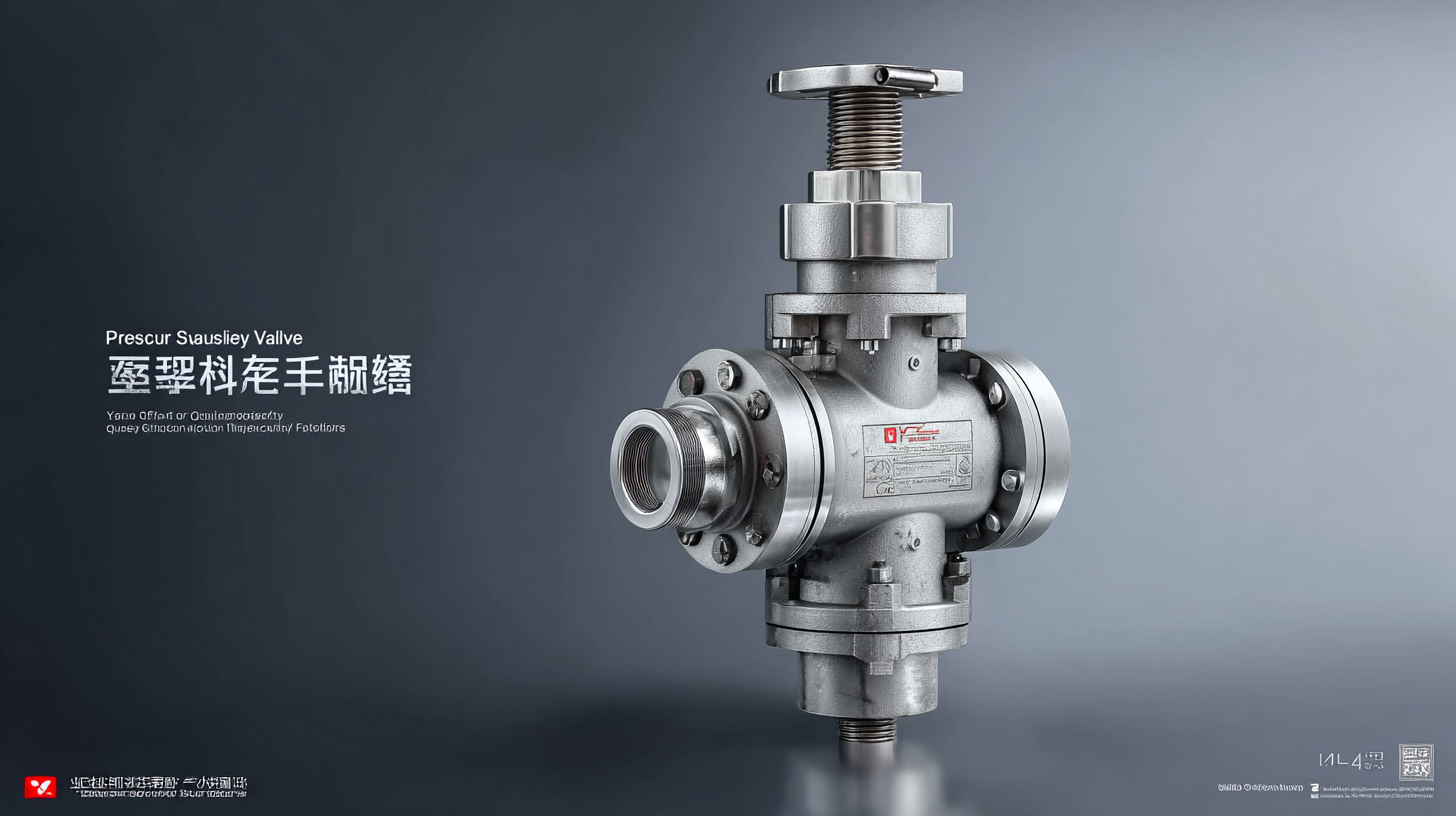
Take the oil and gas industry, for example. PSVs are everywhere, helping to keep the pressure in pipelines and tanks in check, and, honestly, they are crucial in avoiding big disasters. The U.S. Energy Information Administration shared some mind-blowing stats: back in 2021, the U.S. was churning out over 19 million barrels of oil a day! That really puts into perspective just how essential these safety devices are. And it’s not just oil and gas—industries like pharmaceuticals and food processing lean on PSVs too. They help maintain sterile environments and make sure products stay top-notch by regulating pressure levels during manufacturing. Using high-quality PSVs not only keeps things safe but also helps companies stay on the right side of regulations, which is a win-win for cutting down on costs and boosting efficiency.
Quality Assurance Standards for Pressure Safety Valves in Manufacturing
You know, when it comes to making pressure safety valves, it's super important to stick to those strict quality assurance standards. A report from MarketsandMarkets even says that the pressure relief valve market is expected to hit around USD 5.65 billion by 2025, growing at a pretty solid rate of about 4.7% per year. That really shows just how crucial solid manufacturing processes are for keeping things safe and effective, especially in industries like oil and gas, chemical processing, and power generation. So, manufacturers really need to pay attention to international standards like ISO 4126 and ASME B16.34. These guidelines basically lay out what’s required for safety, reliability, and performance.
When you're looking at quality assurance for pressure safety valves, it involves some pretty intense testing methods like hydrostatic tests, burst tests, and cycle tests to make sure these valves can handle extreme conditions. Interestingly, a study by Research and Markets pointed out that a whopping 85% of valve failures are linked to subpar manufacturing quality. That really drives home the point that manufacturers, especially in China and elsewhere, need to adopt strong quality management systems to boost product reliability. Plus, following these standards doesn’t just tick the regulatory boxes; it helps build trust with clients too, which in turn can really enhance a manufacturer’s reputation in our competitive global market.
Discover the Best Pressure Safety Valve from China's Leading Quality Manufacturing Factory - Quality Assurance Standards for Pressure Safety Valves in Manufacturing
| Model |
Material |
Set Pressure (bar) |
Spring Type |
Certifications |
Temperature Range (°C) |
| PSV-100 |
Stainless Steel |
10 |
Conical |
ISO 9001, ASME |
-10 to 200 |
| PSV-150 |
Carbon Steel |
15 |
Cylindrical |
CE, API |
-20 to 250 |
| PSV-200 |
Alloy Steel |
20 |
Flat |
TÜV, ISO 14001 |
-40 to 300 |
Comparative Analysis: Chinese Pressure Safety Valves vs. Global Competitors
You know, when it comes to pressure safety valves, Chinese manufacturers are really stepping up their game in terms of quality and innovation. I recently came across a report from MarketsandMarkets that predicts the global market for pressure safety valves could hit $5.2 billion by 2025, with a good chunk likely coming from Asia, especially China. It’s pretty impressive how these companies are not just offering budget-friendly options, but they’re also ramping up their production to meet international standards. If you take a closer look, you’d see that Chinese pressure safety valves often strike this neat balance between being affordable and performing well, all while putting some serious pressure on the traditional leaders from Europe and North America.
Tip: When you’re picking out a pressure safety valve, don’t forget to check out both its performance specs and the certifications from the manufacturer. Opting for a valve that meets international quality standards, like ISO 9001, can give you some peace of mind about its reliability and safety.
And get this—Chinese companies are really diving into advanced tech and R&D these days. A report from Grand View Research pointed out that over the last ten years, we’ve seen some pretty cool advancements in actuator design and materials. These improvements are making pressure safety valves not just more durable, but also more efficient. This means Chinese valves are ready to take on the global market, coming packed with features that really cater to the needs of various industries, like oil and gas, chemical processing, and power generation.
Tip: Keep an eye out for valves that you can customize based on what your operations require. I mean, that kind of flexibility can really amp up your system's efficiency and safety.
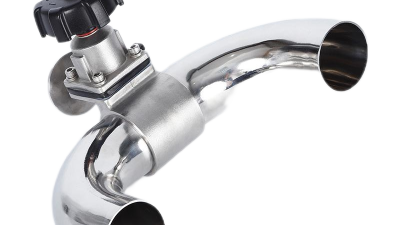
Maximizing Efficiency in Sanitation: The Role of Stainless Steel 316 Tri Clamped U Type Diaphragm Valves in Pharmaceutical Water Machinery
In the pharmaceutical industry, maintaining the highest standards of hygiene and efficiency is paramount. The WJ series sanitary diaphragm valve stands out with its innovative U-shaped design, tailored to meet the rigorous demands of pharmaceutical water machinery. Constructed from stainless steel 316, these tri-clamped diaphragm valves ensure not only superior durability but also compliance with stringent sanitation requirements. Their design minimizes retention areas, preventing the accumulation of contaminants, thus playing a critical role in preserving the integrity of water systems used in pharmaceutical production.
Moreover, the WJ series excels in both flow control and on/off operations, making it a versatile choice for diverse applications within the pharmaceutical landscape. The precision engineering behind these valves allows for accurate adjustments in flow rates, which is essential in processes that require meticulous control. By incorporating these diaphragm valves into your water machinery, you can optimize system performance while enhancing the overall safety of the production environment. As the industry evolves, the adoption of such advanced components is key to maximizing efficiency in sanitation processes.
FAQS
: The key features include precision engineering, advanced materials for durability, corrosion resistance, customization options, and compliance with international safety standards.
Precision engineering ensures that the valves operate effectively under varying pressure conditions, which is essential for their performance and reliability.
Leading manufacturers often use corrosion-resistant materials to enhance longevity and performance, particularly in harsh environments like oil and gas.
Yes, many factories in China offer customization options, allowing industries to obtain valves tailored to their specific operational requirements.
Innovations include 3D printing for complex designs, rapid prototyping, and the use of computer-aided design (CAD) software for precise specifications.
3D printing allows for rapid prototyping and customization, enabling manufacturers to quickly adapt to specific client needs.
Consider the material used in construction, ensuring it is corrosion-resistant, check for relevant certifications, and consult manufacturers about the latest technologies.
Meeting safety standards ensures that the valves perform reliably and safely in pressurized systems, which protects operations and prevents accidents.
Advanced materials enhance durability and resistance to harsh environments, leading to longer service life and better reliability in critical applications.
CAD software is essential for creating precise specifications that ensure each valve is tailored for optimal performance and meets safety standards.