You know, in today's rapidly changing world of global supply chains, picking the right components isn’t just important—it's pretty much everything. One part that really plays a big role in how smooth and reliable fluid systems run is the Diverter Valve. As Wenzhou Lifei Stainless Steel Co., Ltd. points out, with over 15 years of experience in making fluid equipment and a real focus on satisfying customers, choosing the right Diverter Valve is a big deal. The right one doesn’t just boost efficiency; it keeps things running smoothly and helps keep logistics on track. In this guide, I’ll walk you through seven key tips to help find the perfect Diverter Valve for your specific needs—kind of like how Wenzhou Lifei is all about meeting client needs and making every project a success.
Understanding the Role of Diverter Valves in Supply Chain Efficiency
Diverter valves are pretty important when it comes to making sure your supply chain runs smoothly. They help direct materials and products through different distribution channels without a hitch. I read somewhere—like, from the International Society of Automation—that getting your valve management right can cut operational costs by up to 20%. That really shows just how crucial it is to pick the right diverter valves. If done poorly, bottlenecks can pop up, slowing everything down; but if you choose wisely, you’ll see better flow and efficiency across the board.
Putting diverter valves strategically into your supply chain can actually give you more flexibility and make your operations more responsive. There was this study in Supply Chain Management Review that found companies using smarter, more advanced valve systems saw delivery performance jump by up to 25%. That’s pretty huge, especially considering how today’s market moves at lightning speed, and your customer's satisfaction depends on getting stuff to them right on time. When you're choosing your valves, keep an eye on things like the material, how much flow they can handle, and whether they can be automated—that way, everything lines up with your goals and helps keep things running smoothly.
Key Factors to Consider When Selecting a Diverter Valve
When it comes to picking out a diverter valve for your global supply chain, there are a few key things you really should keep in mind—these little details can seriously make a difference in how smoothly everything runs. First off, the material the valve is made from is super important. I’ve read in the Fluid Power Journal that almost 30% of system failures in supply chains happen because the wrong materials were used, which can cause corrosion and that wear-and-tear you definitely want to avoid. So, it’s a good idea to go for valves made from high-quality materials that can handle whatever media you’re dealing with, whether it’s corrosive chemicals or high-pressure gases.
Another point to think about is the pressure and temperature ratings of the valve. According to a report from MarketsandMarkets, using the wrong specifications for your valves can actually rack up maintenance costs by up to 20%. Picking a diverter valve that fits your operational needs means fewer hiccups—less downtime, more reliability. And don’t forget about how easy it is to maintain or swap out these valves. A design that allows for quick service can really cut down on operational pauses, which is kind of the spirit of lean management practices discussed by the Institute of Industrial Engineers. All these factors add up, helping you make smarter choices so your supply chain keeps running like a well-oiled machine.
Comparing Different Types of Diverter Valves for Industry Needs
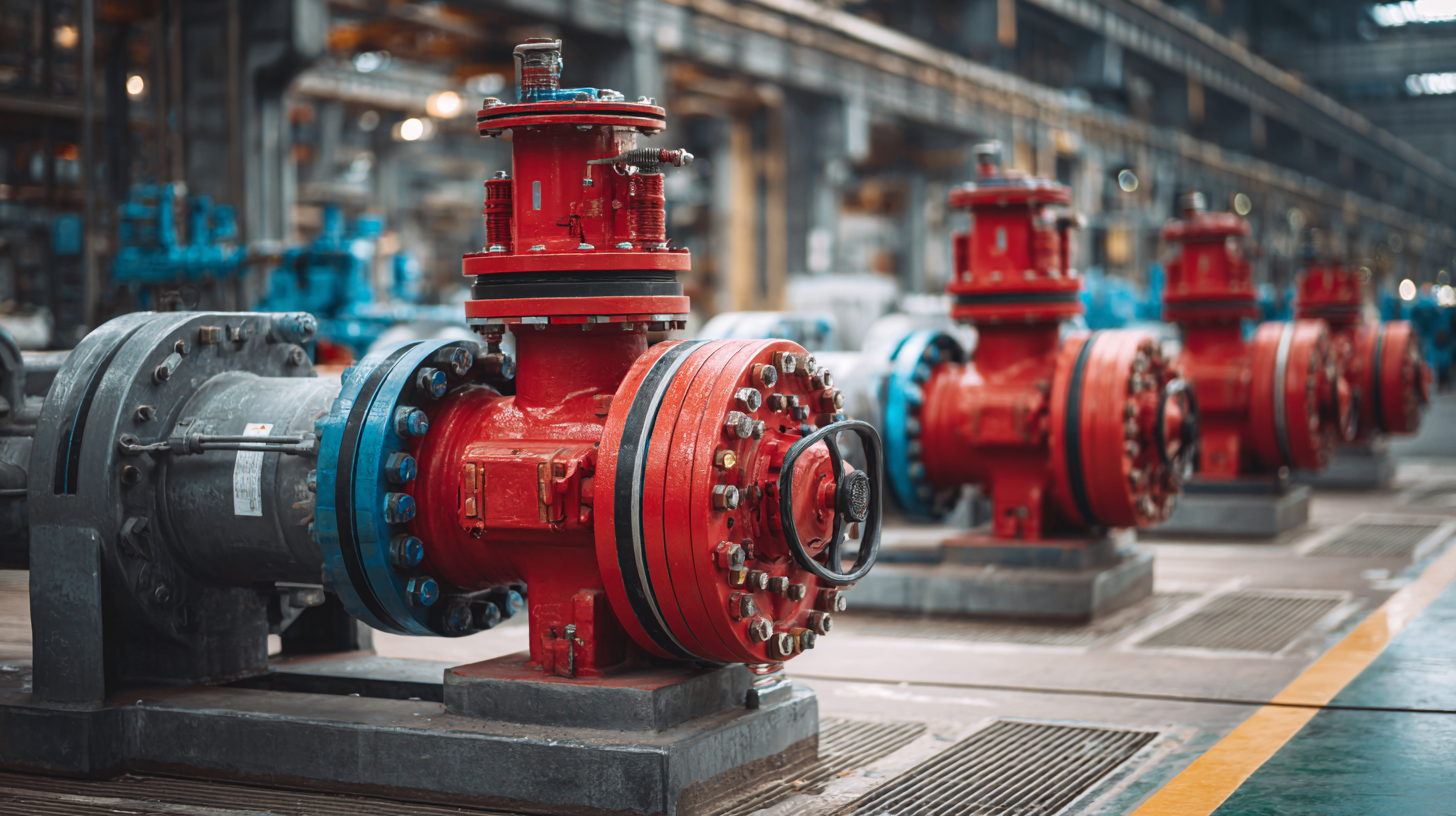
When you're trying to pick out the right diverter valve for your industrial setup, it’s pretty important to understand what types are out there, right? You’ve got a few main kinds—manual, pneumatic, and electric. Manual diverter valves are simple to operate, but honestly, they can be a bit of a hassle when you need to make adjustments or switch things up. On the flip side, pneumatic valves are great for quick action—they’re perfect if speed is a big deal. And then there are electric valves, which give you more control and can easily be integrated into automated systems, making everything run a lot smoother.
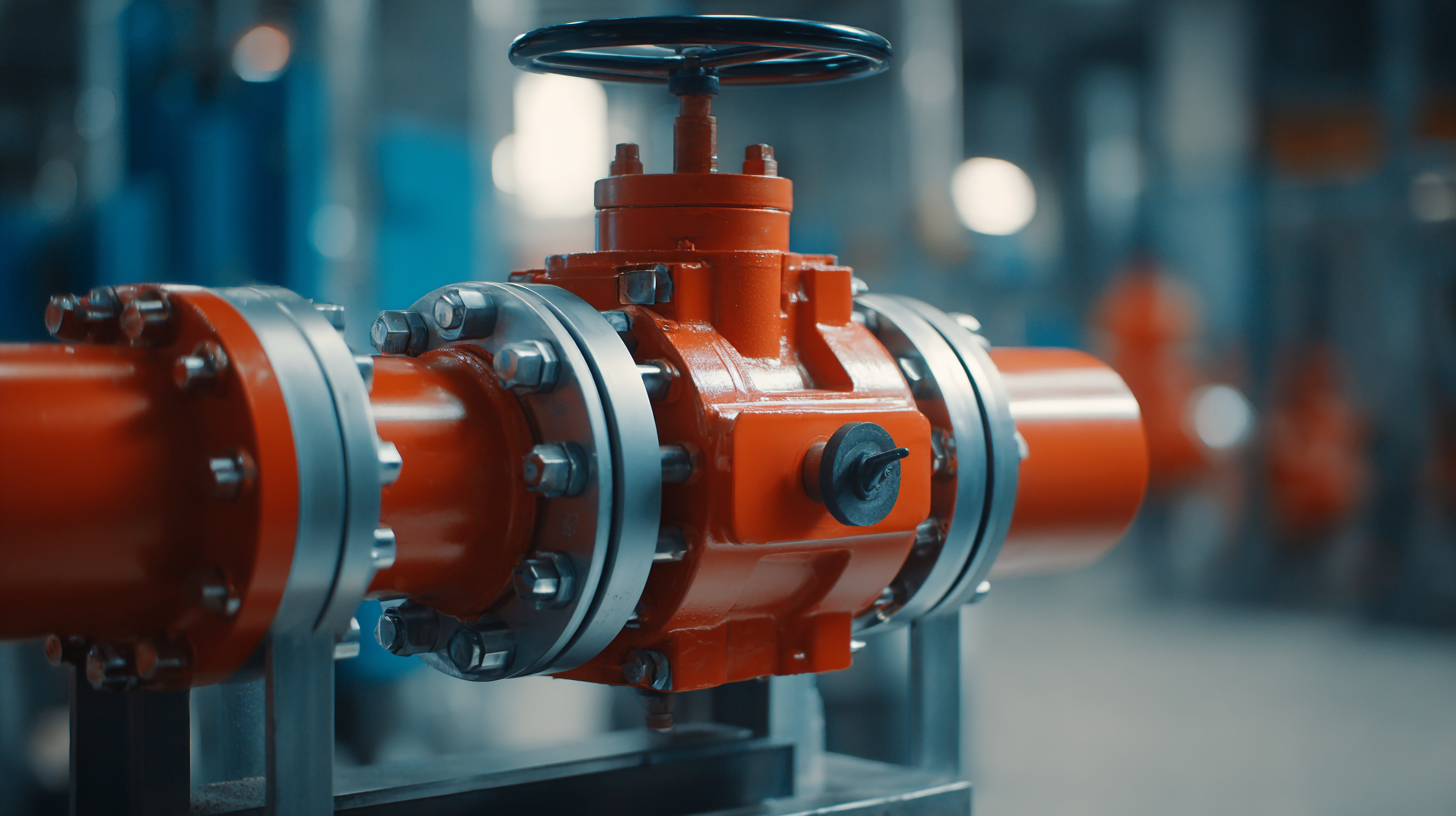
One tip I’d toss out is to really think about what your specific needs are. For example, what kind of environment are you working in? If you’re handling stuff that’s pretty corrosive, you'll want to pay close attention to the materials and construction of the valve. It’s also crucial to look at flow capacity and pressure ratings—those factors ensure the valve can handle your process without hiccups.
Don’t forget about maintenance, either. It’s a smart move to pick valves that are easy to access for repairs and inspections—less downtime, the better. Going for brands with a solid reputation for reliability can really save you headaches down the line, avoiding those costly disruptions. And of course, always take a peek at the manufacturer’s specs and reviews from other users; those can give you a real feel for what to expect and help you make a well-informed choice tailored to your industry.
How Materials and Design Impact Diverter Valve Performance
When you're choosing a diverter valve for your global supply chain, it’s really important to get a good handle on the materials and design. The materials you pick can totally affect how durable the valve is, how well it resists corrosion, and whether it can handle different types of fluids. For instance, stainless steel valves are great for rough, demanding environments, while thermoplastic ones tend to be lighter and better suited for less intense uses. Keep in mind the specific conditions of your operation, along with what kind of chemicals you’re working with — it all matters.
A quick tip: always double-check if the valve materials are compatible with the media you’re pumping through. It might seem like a small detail, but it can save you from early wear or unexpected downtime that could really mess with your supply chain.
On top of that, the design of the valve itself makes a big difference. A well-thought-out design can improve how smoothly the fluid flows, cut down on pressure drops, and reduce turbulence. Look out for features like streamlined paths and sturdy sealing systems — they’re clues that the valve is built to last.
Another tip: take a close look at the design layout to make sure it fits your system’s needs. And if you can, choose valves that are easy to maintain; it’ll save you hassle and money in the long run, keeping your supply chain running without a hitch.
7 Best Practices for Choosing the Right Diverter Valve for Your Global Supply Chain
| Practice |
Material Type |
Design Considerations |
Performance Metrics |
| 1. Assess Your Flow Requirements |
Stainless Steel |
Compact Design |
High Flow Rate |
| 2. Evaluate Corrosion Resistance |
Plastic |
Corrosion-Proof Seals |
Durability in Harsh Environments |
| 3. Analyze Pressure Ratings |
Bronze |
Reinforced Structure |
Max Pressure Handling |
| 4. Consider Temperature Extremes |
High-Temperature Alloy |
Thermal Expansion Features |
Operational Stability |
| 5. Think About Maintenance Needs |
Aluminium |
Easy Disassembly |
Maintenance Frequency |
| 6. Factor in Regulatory Compliance |
Nickel Alloys |
Standards Adherence |
Certification Availability |
| 7. Evaluate Supplier Reliability |
Custom Materials |
Tailored Solutions |
Order Fulfillment Time |
Ensuring Compliance: Regulatory Considerations for Diverter Valves
When you're choosing diverter valves for your global supply chain, it’s really important not to overlook compliance with regulatory standards. Every country has its own set of rules that govern how these industrial components are made, used, and kept safe. Getting a good handle on these regulations is key because, if you miss something, it can lead to serious delays, hefty fines, or even harm your company’s reputation. It’s a smart move to do thorough research on what’s required—like material certifications, testing procedures, and environmental impact considerations—to make sure your selected diverter valves tick all the boxes.
Besides paying attention to local laws, international standards like ISO and ASTM are just as crucial—they help ensure that the quality and performance of your valves meet global benchmarks. These standards also make it easier to get approvals across different countries and keep safety measures consistent. Ideally, you want to work with manufacturers who can provide solid proof that their products comply with these standards. This way, you know the valves in your supply chain aren’t just legal—they’re reliable and efficient.
Teaming up with experienced suppliers who really know the ins and outs of international regulations can save you a lot of headache and reduce risks down the line.
Maintenance Best Practices for Prolonging Diverter Valve Lifespan
When it comes to diverter valves, taking good care of them is really key to making them last longer and keeping your operations running smoothly. Doing regular inspections and fixing issues early can go a long way in cutting down on inefficiencies and unexpected breakdowns. Industry data shows that sticking to a consistent maintenance routine can actually extend the lifespan of these valves by up to 30%. That’s pretty significant because it not only saves money on replacements but also helps avoid costly downtime during busy periods.
Getting into the habit of maintaining your valves means thinking ahead. It’s not just about doing routine checks, but also about using some pretty advanced imaging tools to peek inside and see how things are really holding up. These techs are actually borrowed from the medical world—particularly in heart valve repairs—where catching issues early makes a big difference. Some studies even suggest that early maintenance can cut long-term costs of running these systems by about 25%, since valves that are well taken care of tend to operate more reliably and efficiently.
On top of that, utility companies that stay on top of their hydraulic equipment, including diverter valves, tend to see better overall performance. For example, a recent report revealed that companies with regular maintenance routines saw about a 40% drop in emergency repairs. So, by making routine maintenance a priority, you’re not just prolonging the life of your valves—you’re also boosting the reliability of your entire supply chain and making your operations smoother overall.
Enhancing Quality Control in Brewing and Dairy Industries with ASV Sample Valve and Hose Pipe Solutions
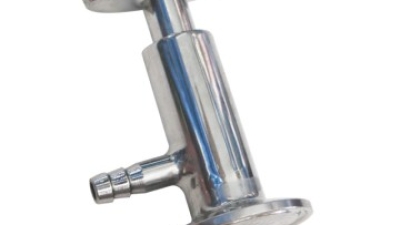
In the brewing and dairy industries, maintaining high standards of quality control is essential for ensuring product safety and consumer satisfaction. Implementing effective sampling solutions can significantly enhance the monitoring processes in these sectors. The ASV series Sampling Valve stands out as an innovative solution tailored for this purpose. Designed for the extraction of samples from tanks or pipelines, it guarantees that quality checks can be performed efficiently and accurately.
The versatility of the ASV Sampling Valve plays a crucial role in quality assurance. By allowing easy access to samples, it not only facilitates routine testing but also helps in identifying potential issues before they escalate. Furthermore, its installation at the base of tanks or pipelines enables the effective drainage of residual contents. This feature is vital for maintaining cleanliness and avoiding contamination, which are common concerns in both brewing and dairy operations.
By incorporating the ASV Sample Valve and appropriate hose pipe solutions, businesses can streamline their quality control processes. Such enhancements lead to better monitoring and compliance with industry standards, ultimately ensuring that the final products meet the rigorous safety and quality benchmarks expected by consumers. This proactive approach to quality management promises to boost operational efficiency and foster greater confidence in the products derived from these essential industries.
FAQS
: Common materials for diverter valves include stainless steel and thermoplastic. Stainless steel valves are more durable and suitable for harsher environments, while thermoplastic options are lighter and suitable for less demanding applications.
The choice of materials directly influences the valve's durability, corrosion resistance, and ability to handle different fluid types, impacting its performance and longevity in the supply chain.
Always verify the compatibility of the valve materials with the specific media being handled to prevent premature wear and unexpected downtime.
Look for features that enhance flow dynamics, such as streamlined paths and robust sealing mechanisms, which can reduce pressure drops and minimize turbulence for better performance.
Regular inspections and timely repairs can extend the lifespan of diverter valves by up to 30%, helping to reduce inefficiencies and potential downtime.
Adopting a proactive maintenance strategy, including routine checks and using multi-modality imaging tools to assess internal valve conditions, is recommended to enhance performance.
Consistent maintenance can reduce long-term operational costs by up to 25% by ensuring better-maintained valves exhibit higher reliability and efficiency.
Utilities that implement systematic maintenance routines report a 40% reduction in emergency repair incidents, indicating improved reliability and performance of diverter valves.
Evaluating the design layout in relation to system requirements is important to ensure easy maintenance access, which can save time and costs, maintaining functional and efficient supply chains.
Conclusion
In today’s global supply chains, picking the right Diverter Valve isn’t just a technical turn – it’s a real game-changer for keeping things running smoothly and reliably. Getting a good grip on what Diverter Valves do can make a huge difference for companies trying to streamline their operations. But with so many options out there, you’ve got to pay close attention to things like the material used, how it’s designed, and any industry standards you need to meet. Different types of Diverter Valves are built to serve a variety of industry needs, and even small choices—like the material or the design—can really impact how well they perform.
On top of that, making sure you’re compliant with all relevant regulations is super important for keeping everything legit and running without a hitch. Plus, sticking to some good maintenance habits can really help your Diverter Valves last longer and work better over time. Here at Wenzhou Lifei Stainless Steel Co., Ltd., we’ve been in the game for 15 years, specializing in fluid equipment manufacturing and export. That experience helps us focus on what our customers actually need, so you can rest assured you’re choosing the right Diverter Valve for your operation — one that’ll serve you well in the long run.