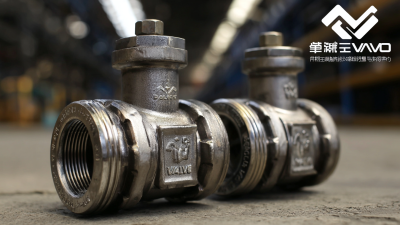
You know, the world of fluid equipment manufacturing is changing fast, and by 2025, the Ball Valve Shut Off technology is really set to shake things up in the industry. With the demand for high-performance valves booming globally, reports show that the valve market is expected to grow at about 5.3% a year, thanks in part to urbanization and more investment in waster and wastewater management.
Now, Wenzhou Lifei Stainless Steel Co., Ltd. isn't just another player in this game. With over 15 years in manufacturing and about 13 years of experience in exports, we’re right at the leading edge of this change. We're super committed to innovation and making sure our customers are happy, which puts us in a great spot to respond to the ever-evolving needs of clients around the world. As we dive into the latest advancements in Ball Valve Shut Off technology, it’s pretty clear that these innovations won’t just boost operational efficiency but will also raise the bar for quality and reliability across industries globally.
Future Innovations in Best Ball Valve Shut Off Technology
As we look ahead to the future of industrial applications, it’s pretty clear that advancements in ball valve shut-off technology are going to be game-changers for operational efficiency. By 2025, we can expect some cool new designs that will really boost the reliability and performance of these essential components. With new materials like lightweight composites and advanced polymers coming into play, we’ll see better resistance to corrosion and wear, which means things will last longer and maintenance costs will be lower. These innovations won’t just streamline processes; they'll also make work environments safer by cutting down on leak and failure risks.
And get this—smart technology is stepping in to revolutionize traditional ball valves. Imagine them being smart enough to monitor themselves in real-time! With features like IoT connectivity, operators can keep an eye on performance metrics and get alerts for predictive maintenance. This is a big deal when it comes to reducing downtime. As industries continue to lean into automation, the latest ball valve shut-off tech will keep up with the whole trend toward smart manufacturing, which is all about enhancing operational excellence and sustainability. This evolution in technology shows a real dedication to innovation, and it's definitely going to shape the landscape of various sectors in the years to come.
Exploring the Future: How Best Ball Valve Shut Off Technology Will Shape Industry Trends by 2025
| Year |
Industry Trends |
Technological Advancements |
Market Growth (%) |
Key Features |
| 2023 |
Increased automation in flow control |
Integration of IoT technology |
5% |
Remote monitoring and control |
| 2024 |
Enhanced energy efficiency standards |
Adoption of advanced materials |
8% |
Lower friction and wear |
| 2025 |
Focus on sustainability and environment impact |
Deployment of AI for predictive maintenance |
12% |
Self-diagnosis and predictive features |
| 2026 and beyond |
Integration of machine learning |
Customizable smart solutions |
15% |
Real-time analytics and reporting |
Key Industry Challenges and How Best Ball Valves Address Them
You know, the future of industrial valve tech is really gearing up for some exciting changes, especially with the way ball valve shut-off designs are evolving. It's a bit of a tricky time for the industry, though, since there’s so much pressure to improve efficiency, reliability, and safety in fluid control systems.
Let's face it: traditional valves often have a hard time dealing with leaks, maintenance headaches, and they just don't last as long as we need them to. All of this can really lead to annoying downtime and those pesky rising operational costs. But here’s where best ball valves step in—they’ve got this smart design and top-notch sealing capabilities that really tackle those issues head-on.
As we get closer to 2025, it’s clear that best ball valves are becoming a must-have across various industries like oil and gas, water treatment, and even manufacturing. Their sturdy build means they handle wear and tear like champs, which is great for extending their lifespan. Plus, we're starting to see cool advancements like automation and smart sensor tech being added to ball valve systems.
This not only ramps up their performance but also helps with real-time monitoring. So if there’s any potential problem on the horizon, it can be nipped in the bud before it becomes a bigger deal. All in all, the trends are showing that leaning into best ball valves is going to be key for overcoming industry obstacles and pushing for smoother operations.
Statistical Insights: Market Growth Projections for Ball Valve Technology
You know, the global ball valve technology market is really gearing up for some impressive growth, especially with all the new developments in shut-off technologies. Recent predictions point to a pretty solid expansion in this market, thanks to innovative designs and better functionality.
As more and more industries dive into automation and smart tech, the demand for ball valves that are both efficient and reliable is expected to rise. We’re looking at a compound annual growth rate (CAGR) of around 4.62%, with the market potentially hitting a whopping USD 10.60 billion by 2034.
And it's not just ball valves that are on the upswing. The whole global valve market is picking up steam, including some specialized segments like cryogenic and nuclear valves. For instance, the cryogenic valve assembly market could reach about USD 7.21 billion by 2029, with an 8.3% CAGR. Then there’s the nuclear valves market, which is expected to grow at an impressive rate of 12.1%, possibly hitting USD 6.3 billion by 2024. These numbers really highlight how crucial advanced valve solutions are for boosting efficiency across a ton of different sectors, like energy, pharmaceuticals, and water treatment.
Here at Wenzhou Lifei Stainless Steel Co., Ltd., we’re all about keeping up with the changing needs of the industry. With over 15 years of experience in fluid equipment, we strive to deliver products that not only meet but actually exceed what our customers expect. We want to make sure we’re a pivotal part of the booming ball valve tech scene.
Impact of Smart Technologies on Ball Valve Functionality
You know, the way smart technologies are being integrated into ball valve functionality is really shaking things up in the industry. By 2025, we’re likely to see some pretty impressive changes in how these valves work. With automation and IoT connectivity coming into play, we can expect better efficiency and reliability. Imagine smart ball valves that let you monitor and control in real time—it's all about cutting down on downtime and maintenance costs. Plus, facilities are going to love the boost in performance analytics; it’s going to help with making some solid decisions.
Just a tip: if you’re thinking about bringing smart ball valves into your setup, take a hard look at your current infrastructure first. You really want to make sure it can handle these new technologies. Seamless integration is key to getting the most out of these upgrades.
And on top of that, AI-driven algorithms are going to personalize control systems, adapting to changes in operational conditions on the fly. This is a game changer—not only does it ramp up productivity, but it also helps in conserving energy, which is super important for our global sustainability goals. As we move ahead, focusing on user-friendly interfaces will make it easy for folks who aren’t tech-savvy to manage valve operations without a hitch.
One last thing: investing in some training and getting comfy with smart technologies can really empower your team. That way, they’ll be ready to make the most of these advancements, keeping your operations competitive as the industry keeps evolving.
Sustainability Trends: Eco-Friendly Materials in Valve Manufacturing
You know, as the valve manufacturing industry moves towards a more sustainable future, using eco-friendly materials is really becoming a big deal. Recent reports show that around 37% of manufacturers worldwide are starting to shift towards these sustainable materials, and honestly, it’s kind of driven by regulatory pressure as well as a genuine commitment to being more environmentally responsible. Typically, valves—especially the well-known ball valves—are made from traditional metals and plastics. But here’s the thing: if we start integrating bioplastics and recycled materials, we can seriously cut down the carbon footprint from their production.
There’s this market analysis by Smithers Pira that predicts the demand for sustainable materials in manufacturing is gonna grow by about 12% every year until 2025. Pretty exciting, right? This isn’t just about hopping on the sustainability bandwagon; it actually boosts the efficiency and reliability of valve systems, too. And, let’s not forget, stakeholders are slowly realizing that investing in eco-friendly materials might save them money in the long run and give them an edge in the market. Companies that make sustainability a priority in their valve solutions will likely be the ones to set the standards and push for new benchmarks in eco-friendly manufacturing processes.
Regulatory Changes and Their Influence on Valve Technology Development
The landscape of valve technology is rapidly evolving, driven largely by regulatory changes and the increasing demand for efficiency and safety. By 2025, industries will see substantial shifts in how best ball valve shut off technology is developed and implemented due to new compliance standards. For instance, the global market for industrial valves is projected to reach $81.5 billion by 2025, indicating a strong push for innovative solutions that meet stricter regulations. The introduction of more rigorous environmental and safety regulations has spurred manufacturers to invest in advanced technology that not only meets these standards but also enhances operational performance.
Moreover, data from the International Society for Automation (ISA) indicates that 60% of companies are prioritizing the adoption of smart valve technologies, which integrate IoT capabilities for real-time monitoring and predictive maintenance. This trend is essential as industries aim to mitigate risks related to leaks or failures, which can lead to costly downtime and safety hazards.
**Tip:** Companies should prioritize investing in training for their workforce on new valve technologies to ensure smooth transitions as regulations evolve.
Additionally, collaborating with regulators early in product development can provide insights into future compliance requirements, giving businesses a competitive edge.
**Tip:** Staying ahead of regulatory trends can help companies not only comply but also anticipate market shifts, allowing for better strategic planning.

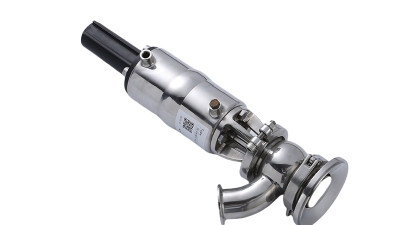
Optimizing Process Efficiency with Sanitary Pneumatic Tank Bottom Valves in Industrial Applications
In the realm of industrial applications, optimizing process efficiency is crucial for maintaining competitive advantage. One innovative solution that has gained traction is the use of sanitary pneumatic tank bottom valves. These valves are engineered to provide reliable and precise control of fluid flow, making them essential components in processes where hygiene and efficiency are paramount. Their robust construction ensures long-term durability, significantly reducing the need for maintenance, which ultimately leads to lower operational costs.
The design of these valves includes a streamlined flow path that minimizes the risk of contamination, an essential feature in industries such as food and pharmaceuticals where cleanliness is critical. Additionally, the ease of cleaning offered by these valves contributes to stringent hygiene standards being met without unnecessary downtime. Available in various materials—from stainless steel for standard uses to specialized alloys designed to handle corrosive substances—these valves can be customized to suit different fluid compatibility needs.
Moreover, the pneumatic actuation mechanism of tank bottom valves allows for swift and consistent operation. This is particularly advantageous for processes requiring high levels of automation and control, as it ensures a seamless integration within existing systems. By implementing these advanced valves, industries can enhance their operational efficiency while adhering to the highest hygiene standards, showcasing the importance of technology in streamlining process management.
FAQS
: By 2025, advancements are expected to include innovative designs that improve reliability and performance, the use of lightweight composites and advanced polymers for enhanced resistance to corrosion and wear, and the integration of smart technologies for real-time monitoring.
Smart technologies will enhance the efficiency and reliability of ball valves through IoT connectivity and automation, allowing for real-time monitoring and control, which minimizes downtime and maintenance costs.
AI-driven algorithms will personalize control systems, enabling adaptive responses to fluctuating operational conditions, which increases productivity and promotes energy conservation.
Companies should evaluate their current infrastructure to ensure seamless integration of smart technologies and invest in training to empower their team to leverage these advancements effectively.
Regulatory changes are driving the evolution of valve technology by imposing stricter compliance standards, pushing manufacturers to invest in advanced solutions that meet these requirements while enhancing operational performance.
Training is essential for ensuring smooth transitions as regulations evolve and to help employees effectively manage and utilize new technologies, thereby maintaining competitive operations.
The global market for industrial valves is projected to reach $81.5 billion by 2025, indicating a strong demand for innovative valve solutions due to regulatory influences.
Companies can gain a competitive edge by collaborating with regulators early in product development and staying ahead of regulatory trends, which allows for better strategic planning and compliance.