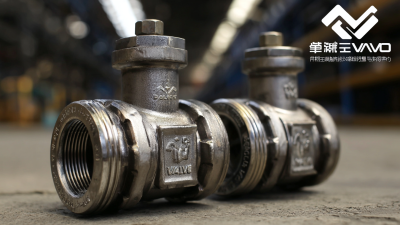
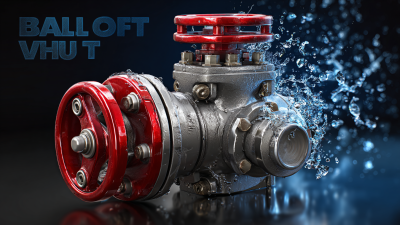
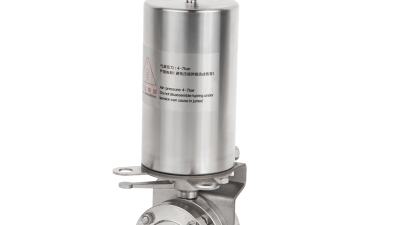
You know, in the ever-changing world of industrial stuff, having reliable and efficient ways to control fluids is more important than ever. That's where actuated ball valves come in—they’ve really become a key part of optimizing processes across all sorts of industries. At Wenzhou Lifei Stainless Steel Co., Ltd., we've been in the game for over 15 years making fluid equipment, and for 13 years we've been exporting globally. We totally get that our customers’ needs come first—that’s what drives us. We’re committed to creating innovative, tailor-made actuated ball valves that boost efficiency and make sure our clients are happy. In this blog, I’ll be sharing some top tips and real-world examples of how these valves are being put to work in different industries. Plus, I’ll highlight some best practices that can help you succeed too.
Innovative Technologies Driving Actuated Ball Valve Efficiency in 2025
As we head into 2025, there's definitely a growing buzz around efficient actuated ball valves in the industrial world. Thanks to some pretty innovative tech, these valves are getting better at performing and being reliable. I came across a report from MarketsandMarkets that predicts the global ball valve market will hit around $18.9 billion by 2025, growing at about 5.8% annually. A big reason for this growth? Electric actuators are really gaining popularity — they offer much better precision in controlling flow, and they can cut down energy use by up to 30% compared to the old-school pneumatic systems.
On top of that, the integration of IoT into valve tech is totally changing the game. With real-time data and predictive maintenance, companies can stay up and running much more smoothly. Research and Markets even pointed out that smart valves can slash maintenance costs by around 20%. That’s a huge deal for industries aiming for more sustainable, cost-effective operations. As these innovations keep rolling out, it looks like actuated ball valves are about to set new standards across industries — from oil and gas to chemicals — proving just how essential they’re becoming in today’s crazy-busy, tech-driven industrial scene.
Alternative Actuated Valve Solutions: Exploring New Market Trends
Lately, the industrial world’s been moving pretty quickly towards using different types of actuated valves — mainly because everyone’s really after better efficiency and more flexibility. These new options tend to outperform the old-school valve systems, often fitting the changing needs of various industries more easily. As companies look for ways to optimize their processes and cut down on operational costs, more and more folks are turning to smart tech in their actuated valves. Features like remote monitoring and automation aren’t just fancy add-ons — they actually help make operations run smoother, safer, and more reliable when handling fluids.
One of the standout trends here is electric actuated valves — they’re really gaining popularity, especially in situations where controlling things with precision is key. Compared to pneumatic or hydraulic systems, electric actuators tend to use less energy and are easier to keep in good shape, which is a big plus when uptime really matters. Plus, thanks to new materials and smarter designs, manufacturers are now creating tailor-made solutions that last longer and perform better. These valves are popping up everywhere — from food processing plants to dealing with chemicals. And as everyone is pushing for more sustainable solutions, it looks like the future will see even greener, more innovative valve tech coming out — making this whole sector even more exciting.
Innovative Examples of the Best Actuated Ball Valve Solutions in Industrial Applications - Alternative Actuated Valve Solutions: Exploring New Market Trends
| Application Area |
Valve Type |
Actuation Method |
Key Features |
Market Trend |
| Oil & Gas |
Full Bore Ball Valve |
Electric Actuator |
High Pressure Tolerance, Quick Response |
Increasing Automation |
| Water Treatment |
Trunnion Mounted Ball Valve |
Pneumatic Actuator |
Corrosion Resistance, Compact Design |
Sustainable Solutions |
| Chemical Processing |
Floating Ball Valve |
Hydraulic Actuator |
Leak-proof, High Flow Capacity |
Remote Monitoring |
| Pharmaceutical |
Sanitary Ball Valve |
Electric Actuator |
Easy to Clean, Sterile Design |
Increasing Focus on Hygiene |
| HVAC Systems |
Three-Way Ball Valve |
Electric or Pneumatic Actuator |
Versatile Flow Control, Energy Efficient |
Energy Efficiency Initiatives |
Comparative Analysis of Traditional vs. Smart Actuated Ball Valves
When you compare traditional ball valves to the newer smart actuated ones, it really shows how much things have evolved in the industry. For ages, folks relied on traditional actuated ball valves because they're pretty straightforward and dependable. But now, with the rise of smart systems, their capabilities have seriously expanded. These smart valves come packed with things like IoT connectivity and predictive maintenance features, which means better control and more efficient operations. In fact, a recent market report predicts that the demand for thermoplastic ball valves is going to jump quite a bit—up to about $2.8 billion by 2033—mainly driven by the popularity of these smart, automated options. It’s all about automation and using data to get the job done smarter, not harder.
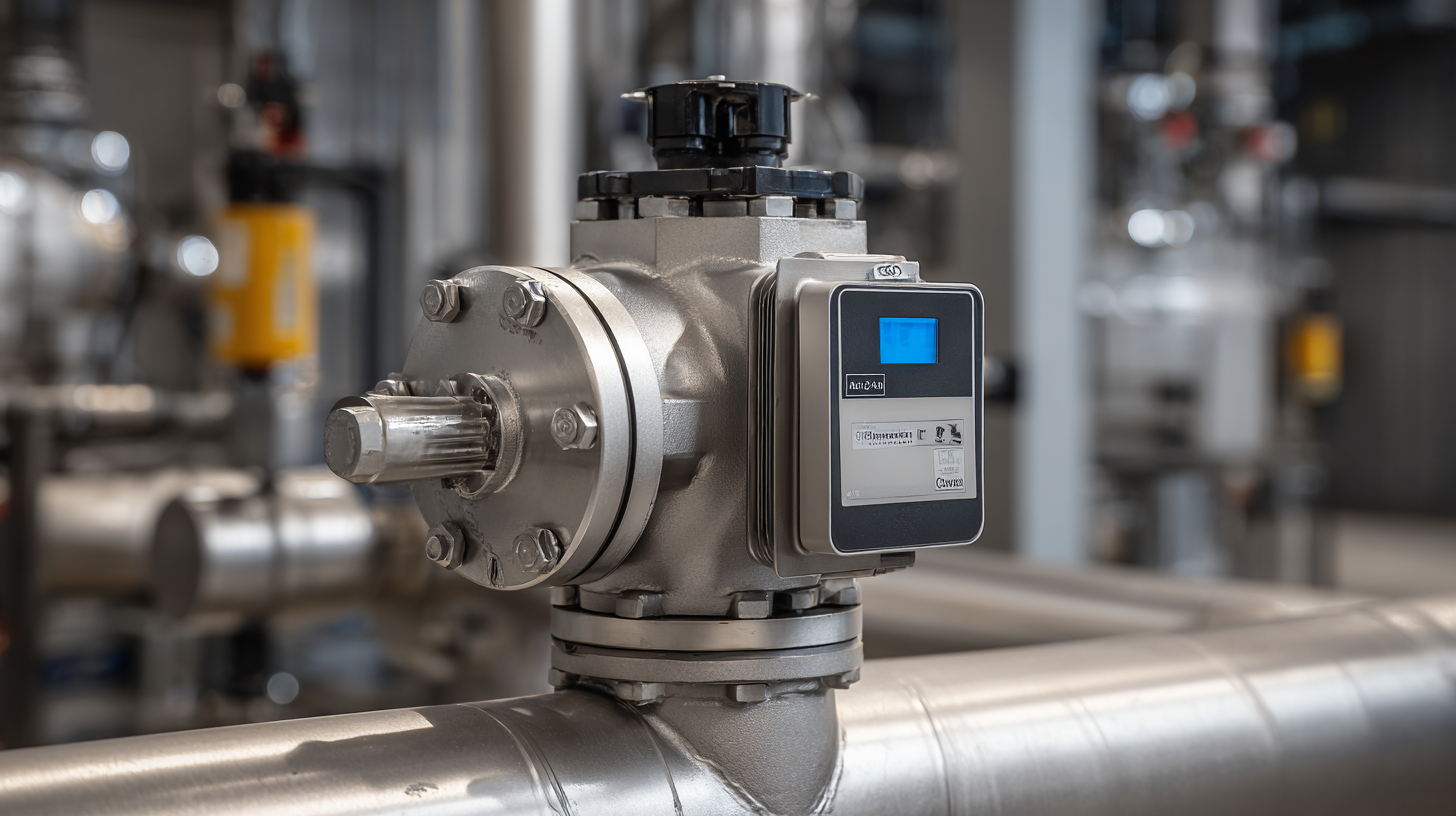
And honestly, the benefits of smart actuated ball valves go beyond just sounding high-tech. They actually perform better in real life. Studies show that these systems can cut down on energy use by optimizing how flow is controlled and reducing leaks. That means lower operational costs overall. Plus, they usually have sensors built in that keep an eye on how things are running, making maintenance smoother and more proactive. All in all, incorporating smart tech isn’t just about keeping up with the latest trend; it’s about pushing performance standards higher while also supporting sustainability and efficiency in various industries. It’s pretty exciting to see how these innovations are shaping the future of industrial controls.
Sustainability in Industrial Applications: Eco-Friendly Valve Alternatives
Hey, these days, with the industrial world changing so fast, sustainability has become a huge deal. Manufacturers are now on the lookout for eco-friendly valve options — you know, the kind that's better for the environment. I came across a report by Grand View Research, and it says that the global market for sustainable industrial valves is expected to hit about $6.5 billion by 2025. That’s mainly because there's a growing awareness about environmental issues and a real push for energy-efficient processes. One solution that's gaining popularity is actuated ball valves, especially those made from stainless steel. They’re reliable, cut down on leaks, and help boost process efficiency — pretty much ticking all the boxes for greener tech solutions.
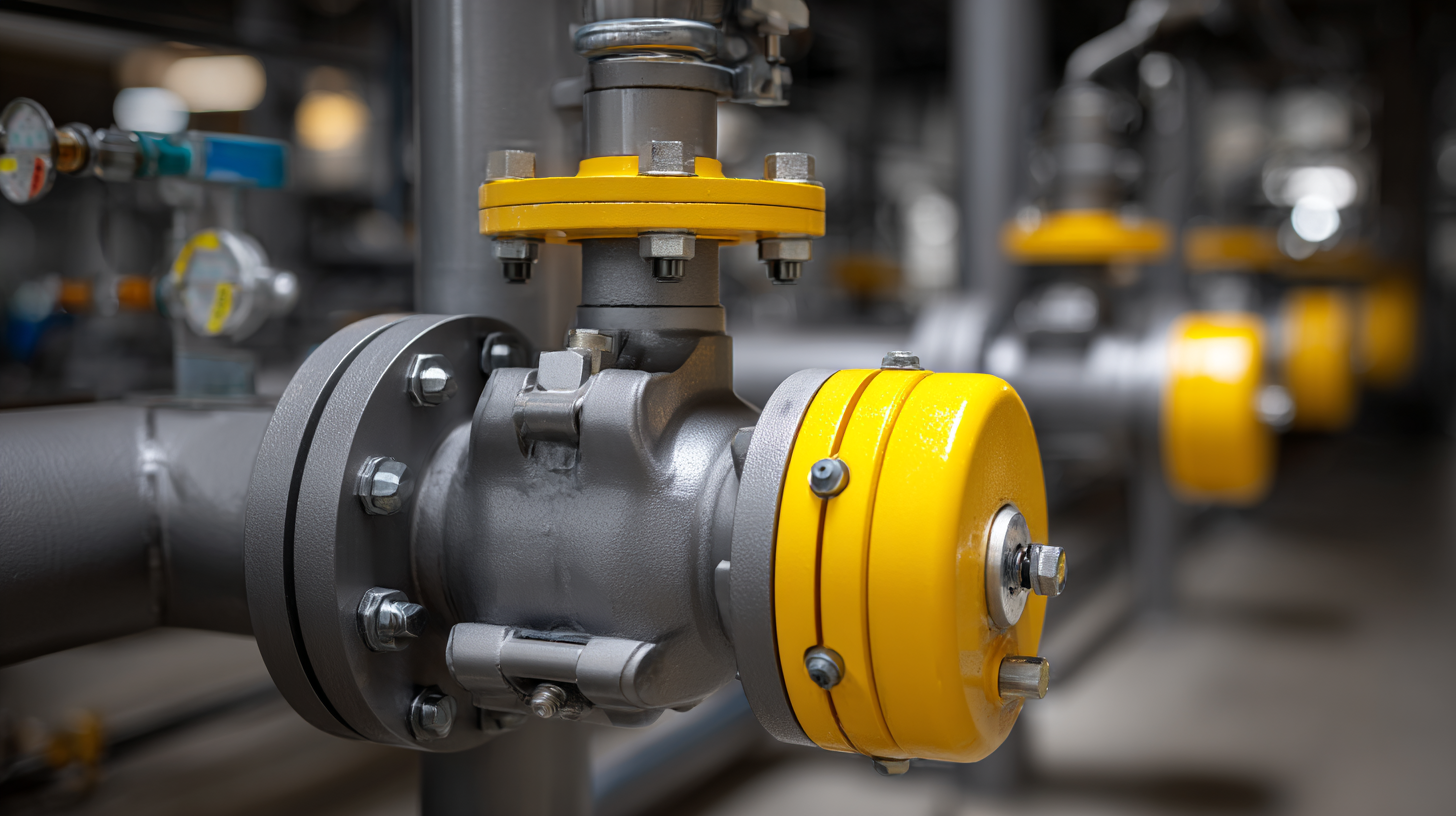
At Wenzhou Lifei Stainless Steel Co., Ltd., we're serious about quality and doing our part for sustainability. With over 15 years of experience in fluid equipment, we take pride in making sure each valve we produce not only meets industry standards but also helps our clients reduce their environmental impact. According to the American Society of Mechanical Engineers (ASME), using high-performance valves can cut down energy use by around 20% in various applications. As we keep innovating and responding to market needs, our eco-friendly actuated ball valves really showcase our commitment to both our customers and the planet.
The Role of IoT in Enhancing Actuated Ball Valve Performance
You know, the way IoT— that’s the Internet of Things— has really changed how actuated ball valves work in factories and industrial setups. I recently read that the global market for IoT in manufacturing is expected to hit around $109 billion by 2025. That’s pretty huge, and it just shows how connected devices are becoming essential for streamlining industrial processes. When you integrate IoT stuff into these valves, you can actually monitor them in real time. So instead of waiting for problems to pop up, you get a much better grip on controlling fluid flow and pressure. This means not only making operations smoother and more efficient, but also reducing the chances of leaks or failures—kind of a safety win, right? Plus, less downtime means more productivity.
And get this—these smart valves can gather tons of data, which helps figure out how they’re performing over time, forecast when maintenance might be needed, and even track energy use. Frost & Sullivan recently pointed out that companies using smart valve tech could save up to 30% on operational costs. The cool part? This predictive info helps businesses catch issues early before they turn into expensive problems, which also means the valves last longer and maintenance costs drop. As more industries jump on the IoT bandwagon, the evolution of these actuated ball valves really showcases how tech is reshaping the old-school manufacturing world—making it smarter, safer, and way more efficient.
Innovative Examples of Actuated Ball Valve Applications
Future-Proofing Your Operations: Ensuring Adaptability of Valve Solutions
In today’s fast-changing industrial world, making sure your valve solutions can keep up is more important than ever. That’s where innovative, actuated ball valves come into play—they’re really leading the charge in this space. These valves are super reliable and flexible, and you can customize them to fit the unique needs of different applications. Not only do they help your operations run smoother, but they also give you a leg up for the future—protecting your business from surprises that could throw things off track.
If you’re thinking about future-proofing your setup, I’d suggest investing in modular actuator systems. They’re a real lifesaver because you can easily upgrade or swap parts without messing around too much, and they play nicely with the gear you already have. Plus, going the extra mile with IoT tech means you get real-time data and can do predictive maintenance—that means fewer unexpected breakdowns and less downtime.
Also, don’t forget about scalability. Pick valve systems that can grow alongside your operation—that way, you’ll be better prepared for market ups and downs. By focusing on flexibility now, you’re not just beefing up your resilience; you’re also cutting operational costs and giving your overall performance a real boost. It’s all about staying ahead in the game, right?
Enhancing Food Processing Efficiency: The Advantages of Sanitary Stainless Steel Pneumatic Butterfly Valves
In the realm of food processing, efficiency and hygienic practices are paramount. The use of sanitary stainless steel pneumatic butterfly valves stands out as an optimal solution to enhance operational performance. These valves, with their unique disc design, serve as effective flow control mechanisms, ensuring precise management of liquid and gas in diverse food processing applications. By utilizing a pneumatic actuator powered by compressed air, these valves can swiftly open or close, allowing for rapid regulation of flow—a critical requirement in dynamic processing environments.
The advantages of pneumatic butterfly valves extend beyond mere efficiency. Their design facilitates easy cleaning and maintenance, which is essential in the food industry where hygiene standards are strict. Made from sanitary stainless steel, these valves are resistant to corrosion and contamination, ensuring that the integrity of the food products is maintained. Furthermore, their fast response time eliminates delays in production processes, helping food manufacturers meet high demand without compromising quality or safety. The incorporation of these advanced valves not only streamlines operations but also enhances overall product quality, positioning them as a vital component in modern food processing systems.
FAQS
: Alternative actuated valve solutions are innovative valve systems designed to improve efficiency and adaptability in various industries, offering enhanced performance over traditional systems.
The shift is driven by the need for greater efficiency, process optimization, reduced operational costs, and the integration of smart technologies in actuated valves.
Electric actuated valves provide greater energy efficiency, are easier to maintain, and offer better precision control, making them a strong alternative in critical uptime environments.
Smart actuated ball valves feature IoT connectivity, predictive maintenance capabilities, enhanced control, and energy optimization, which significantly improve operational efficiency.
The demand for thermoplastic ball valves is expected to grow significantly, projected to reach USD 2.8 billion by 2033, largely driven by the rise of smart actuated options.
Smart actuated systems reduce energy consumption and leakage through optimized flow control, thus contributing to lower operational costs and aligning with sustainable practices.
Advanced technologies in smart actuated ball valves enhance control, reduce energy costs, and improve maintenance protocols through performance tracking sensors.
They are becoming popular due to their ability to elevate performance standards while meeting demands for sustainability and operational excellence in various industries.
The future of actuated valve solutions is expected to include greener technologies and innovations, responding to the increasing focus on sustainable practices in the industry.
Traditional actuated ball valves are simpler and reliable, whereas smart actuated ball valves incorporate advanced technologies that enhance their functional capabilities and operational efficiency.