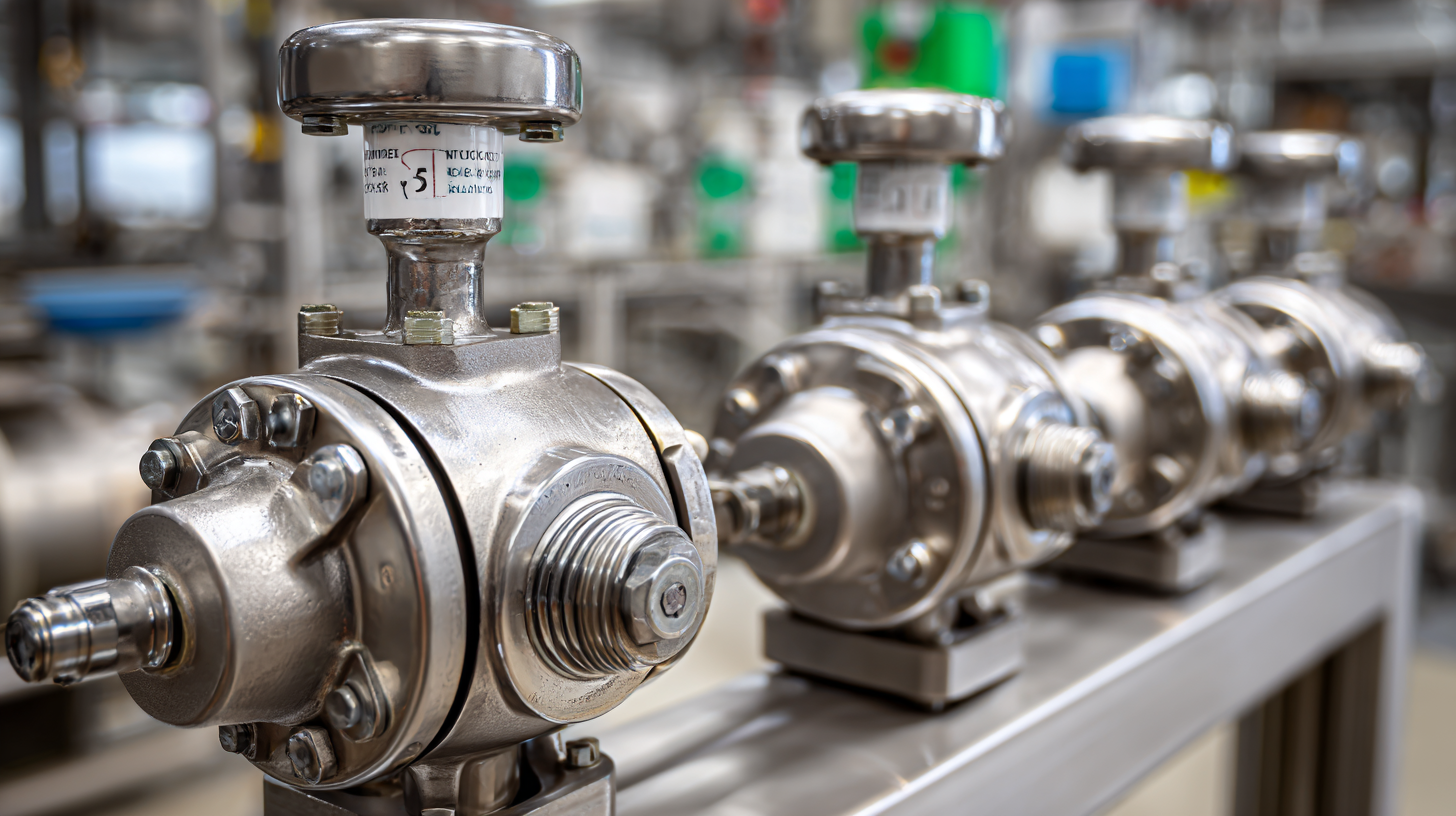
You know, ball valves are pretty much essential when it comes to controlling fluids. They’re really good at sealing tight and switching off flow quickly – kind of the quick-stop switch of the fluid world.
According to the latest Market Report, the entire ball valve market is expected to hit around USD 9.8 billion by 2027, growing at roughly 5.7% annually since 2020. That’s a pretty clear sign that industries like oil and gas, water treatment, and chemical processing are all on the lookout for better, more efficient fluid management solutions.
Here at Wenzhou Lifei Stainless Steel Co., Ltd., we’ve been in the game for over 15 years, focusing on manufacturing top-notch fluid equipment. We’re passionate about delivering high-quality ball valves to our customers because we genuinely want to help them keep things running smoothly and safely.
Our whole mission is to be a reliable partner, helping industries navigate the tricky world of fluid control, while making sure everything stays safe, efficient, and dependable.
What Are Ball Valves and Their Unique Applications in Fluid Control Systems?
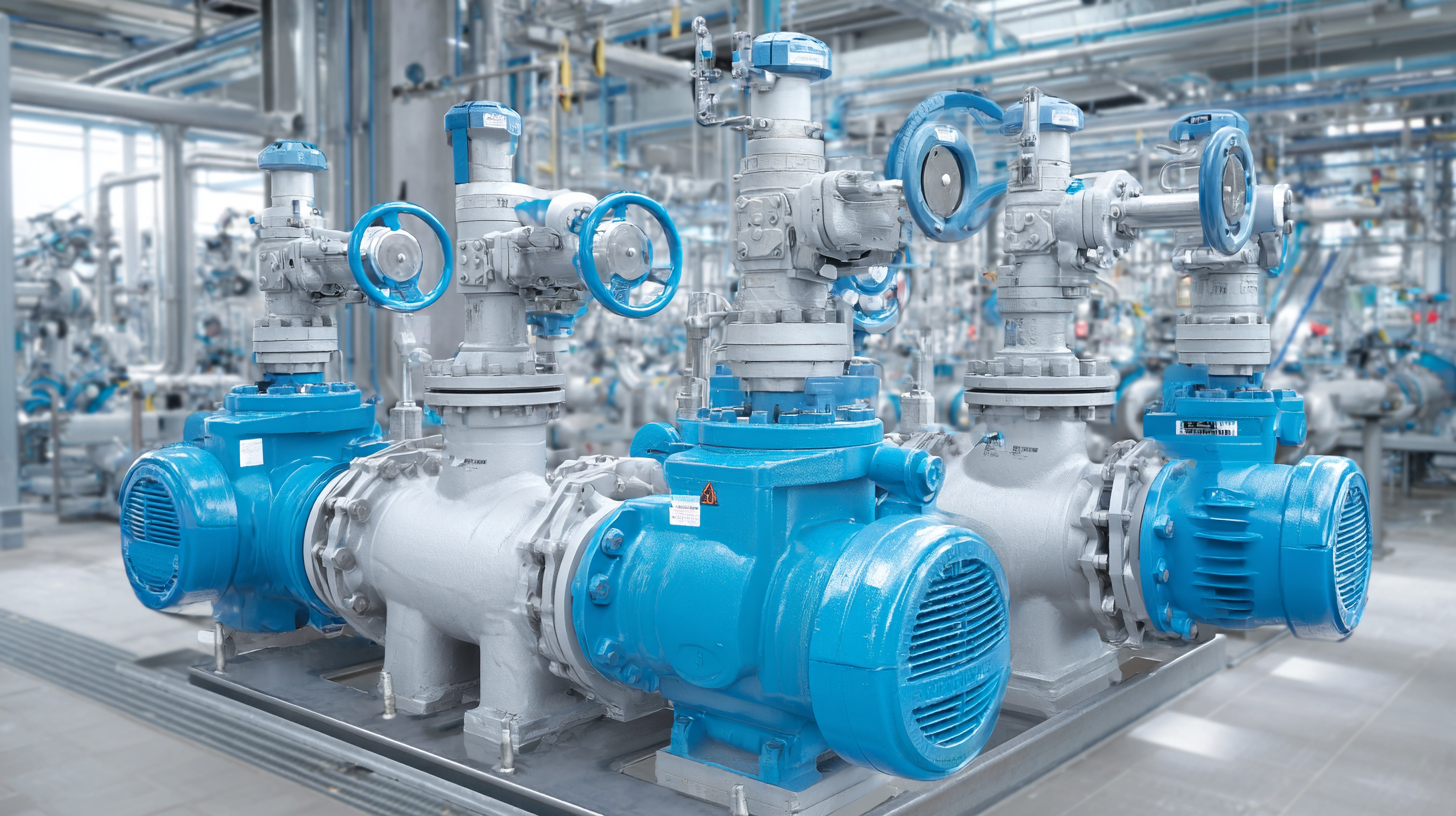
Ball valves are pretty much essential when it comes to controlling fluids. People really rely on their sturdy build and how efficiently they can regulate flow. Unlike some other valves, ball valves use a shiny, spherical disc – you know, the ball – that pivots inside the valve body to either block or let fluid pass through. Interestingly, a report by MarketsandMarkets predicts that the global market for ball valves will hit around $10 billion by 2026. That’s a solid growth rate of about 4.5% per year since 2021. This upswing is mainly because various industries—like oil and gas, water treatment, and chemical manufacturing—are demanding smarter, more reliable ways to handle fluids.
One thing that's pretty cool about ball valves is how well they handle high-pressure situations and aggressive fluids. That makes them super useful in critical environments such as offshore drilling rigs and wastewater treatment plants. The American National Standards Institute (ANSI) even classifies different types of ball valves based on pressure ratings, so they’re guaranteed to be safe and reliable in tough conditions. Plus, with just a quarter turn, these valves can be operated quickly and with pinpoint accuracy. That means fewer leaks and better system performance. Actually, research from Research and Markets suggests that using ball valves can boost system efficiency by up to 20% compared to some other valve types, depending on the application. All in all, their toughness, efficiency, and versatility really make them a cornerstone in modern fluid control setups.
Understanding the Mechanism of Ball Valves in Industry Contexts
Ball valves are pretty essential when it comes to controlling fluids—they use a spherical part to manage the flow. Basically, when you turn the ball, it lines up with the pipe and lets stuff pass through; turn it again, and it seals things tight. It’s such a simple idea, but it works really well—cutting down on friction and wear, which means these valves tend to last a long time. According to a report from MarketsandMarkets, the global market for ball valves is expected to hit about USD 11.64 billion by 2025. That’s mainly because industries like oil and gas, water treatment, and processing are demanding more of these valves.
In industrial settings, ball valves are fantastic for handling high pressure and high temperatures. You’ll often find them in places like petroleum refining or chemical manufacturing. The fact that they can quickly shut off flow really boosts safety and efficiency—something the 2022 Global Fluid Control Systems Report points out. Plus, automating these valves can make operations smoother, cut down human errors, and help manage resources better.
If you’re picking out ball valves for a specific job, a few things to keep in mind: what’s the temperature like? How much pressure will they need to handle? Is the media corrosive? Paying attention to these details helps ensure the valves last and perform well. Also, regular check-ups are a good idea—things like sticking can mess with your system’s performance. And don’t hesitate to ask manufacturers for their advice on best practices to keep everything running smoothly.
Key Advantages of Ball Valves Over Other Valve Types in Fluid Control
Ball valves are pretty much essentials when it comes to controlling fluids—they’re trusted for their reliability and efficiency. One of the main reasons folks prefer them over other kinds of valves, like globe or gate valves, is because they seal tightly and let fluids flow with hardly any resistance. Did you know that, according to MarketsandMarkets, the global market for ball valves is expected to hit around USD 10.22 billion by 2026? That just goes to show how much these things are in demand across a bunch of industries—oil and gas, water treatment, chemical processing, you name it.
What’s also cool about ball valves is how fast they open and close—usually just a quick quarter turn does the trick. That makes them super handy for situations where quick adjustments are needed, and it helps keep everything running smoothly. Companies like Wenzhou Lifei Stainless Steel Co., Ltd. really emphasize understanding what their clients need—delivering high-quality ball valves can make a big difference in keeping your systems running well and keeping customers happy. With more than 15 years in the game, Lifei Stainless Steel is all about making products that meet industry standards and safety requirements, so end-users get the best possible experience when managing their fluids.
Market Growth: Ball Valves' Role in the Global HVAC Industry by 2025
The ball valve market is set for some pretty exciting growth within the global HVAC scene. Experts are predicting it’ll hit over $8 billion by 2025. A big part of this boom is due to the rising demand for energy-efficient systems and the increasing push towards automation in both homes and commercial buildings. I read a report from Grand View Research that highlights urbanization and the push for sustainable building practices around the world as major factors fueling this trend.
One of the main reasons ball valves are so popular in HVAC setups is because they give you great control over water or air flow, all while keeping pressure drops minimal. Plus, they’re super handy when you need quick shut-off, like in chilled water or heating systems. And with more smart HVAC tech coming into play, ball valves are really getting a boost—they work great with automation, making systems run smoother and more efficiently.
If you're picking out ball valves for your setup, a couple of things to keep in mind: make sure they’re compatible with the fluids and pressure levels you’re dealing with. Also, investing in good-quality valves might cost a bit more upfront, but it pays off over time since they need less maintenance and keep everything running just right. Don’t forget to check the industry standards to make sure everything is compliant and reliable—that way, you’re covered in the long run.
Expert Insights: Common Applications of Ball Valves in Water Supply Systems
Ball valves are pretty much the unsung heroes of fluid control systems, especially when it comes to water supply setups. Their design, featuring that round, ball-shaped closure, makes it super easy to regulate flow — you can turn the water on or off with a simple twist. One of the coolest things about ball valves is how well they seal when closed, which really helps prevent leaks in water networks. That means systems run more smoothly and are way more reliable, especially when you need continuous water flow without any hiccups.
You’ll find ball valves popping up all over in water systems — whether it’s in homes, gardens, or bigger industrial setups. For example, in a house, you might see them installed on the main water line, letting you control the water going into your home. And the best part? You can do this pretty effortlessly — no fancy tools needed. Plus, in farming and irrigation, ball valves make it simple to manage water flow to crops, ensuring they get what they need without wasting any. Their sturdy build and versatility are why they’re such a popular choice for all kinds of water supply needs.
What Are Ball Valves and Their Unique Applications in Fluid Control Systems?
| Application Area |
Fluid Type |
Size Range |
Temperature Range |
Pressure Rating |
| Water Supply |
Fresh Water |
1/2" to 12" |
-20°C to 90°C |
150 psi to 300 psi |
| Irrigation Systems |
Irrigation Water |
1" to 8" |
0°C to 50°C |
100 psi to 200 psi |
| Fire Protection Systems |
Water |
2" to 6" |
0°C to 70°C |
175 psi to 300 psi |
| Wastewater Management |
Sewage |
3" to 10" |
0°C to 50°C |
50 psi to 150 psi |
| Chemical Processing |
Various Chemicals |
1" to 8" |
-20°C to 120°C |
100 psi to 250 psi |
Recent Innovations and Trends in Ball Valve Technology for Enhanced Efficiency
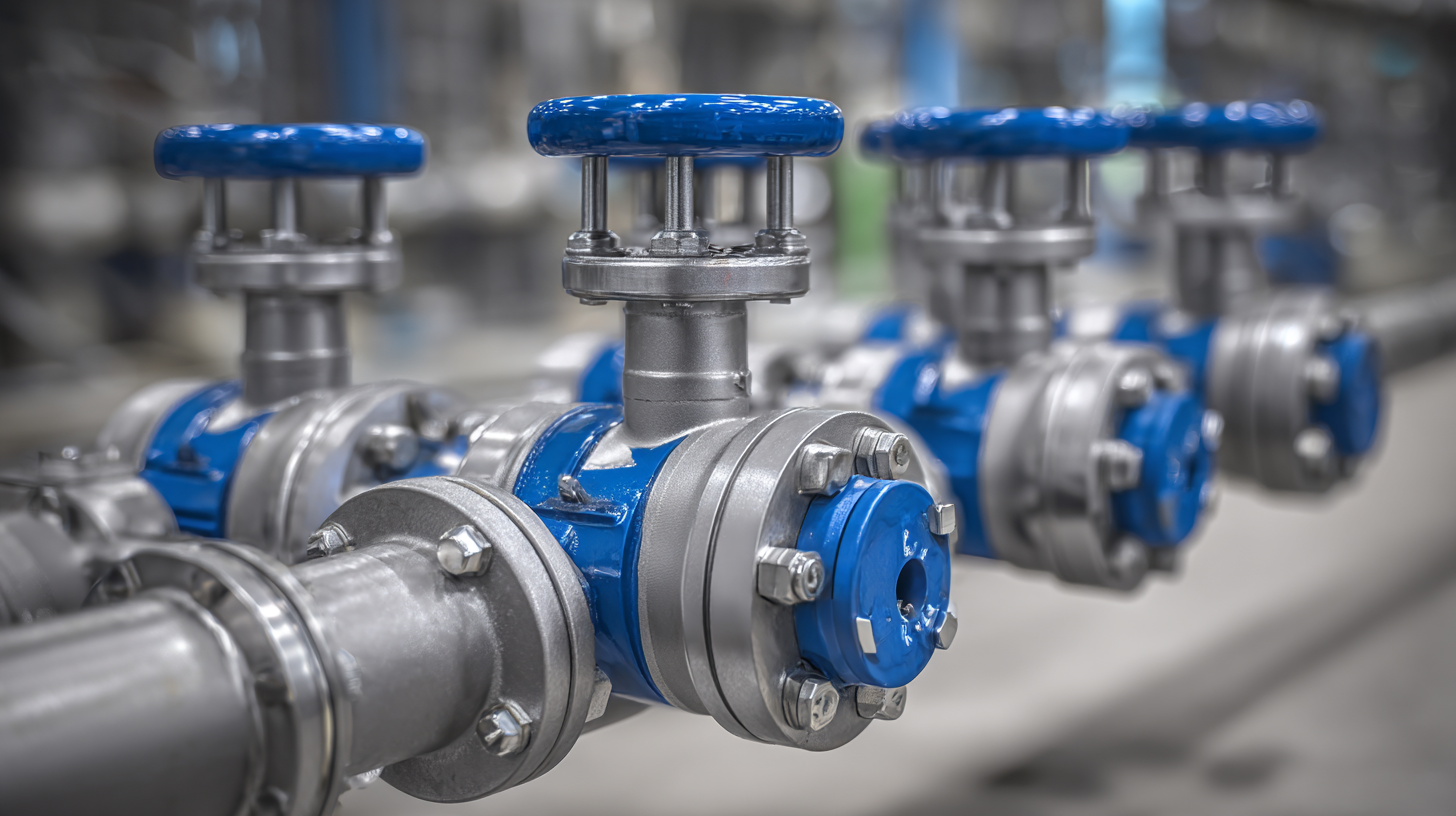 Ball valves are pretty much a staple in fluid control systems these days, thanks to their straightforward design and proven dependability. Lately, there’s been quite a buzz around new tech for ball valves—stuff that makes them more efficient and better suited for different industries. Manufacturers are really stepping up their game by adding smart features like IoT connectivity and working with more advanced materials. These upgrades don’t just look cool—they let operators monitor and control things in real-time, which helps cut down energy use and makes the whole system respond faster.
At Wenzhou Lifei Stainless Steel Co., Ltd., we draw on 15 years of hands-on experience in making fluid equipment. That really keeps us on top of the latest trends. We listen carefully to what our customers need, so our products don’t just meet the standards—they often go way beyond them. Our passion for innovation shows in how we’re continuously improving our ball valves to deliver top-notch reliability and efficiency. Our goal? Helping our clients run smoother operations and feel confident they’re making smart, reliable choices every step of the way.
FAQS
: Ball valves operate using a spherical closure element that can be rotated. When aligned with the flow, the valve is open, and when rotated to obstruct the flow, it provides a tight seal.
Ball valves are primarily used in industries such as oil and gas, water treatment, petroleum refining, and chemical processing due to their ability to operate in high-pressure and high-temperature environments.
Ball valves provide a tight seal with minimal resistance to flow, require only a quarter turn for quick opening and closing, and offer precise control over fluid flow, enhancing operational efficiency compared to globe or gate valves.
Automated ball valves streamline operations by reducing the risk of human error and optimizing resource management, resulting in improved safety and efficiency in fluid control systems.
When selecting ball valves, consider temperature, pressure rating, and the corrosiveness of the media to ensure durability and optimal performance.
Regular maintenance is essential to prevent issues such as valve sticking, which can compromise system integrity and lead to operational failures.
Recent innovations include the integration of smart technologies, such as IoT connectivity and advanced materials, which enhance efficiency, enable real-time monitoring, and reduce energy consumption.
Understanding client needs allows manufacturers to offer high-quality products that align with industry standards, contributing to the success and satisfaction of businesses involved in fluid management.
The global ball valve market is projected to reach approximately USD 10.22 billion by 2026, driven by increasing demand across various sectors.
Wenzhou Lifei Stainless Steel Co., Ltd. leverages over 15 years of experience in fluid equipment manufacturing to innovate and improve ball valve products, ensuring they meet industry standards and customer expectations.
Conclusion
Ball valves are pretty much the backbone of fluid control systems — you know, they’re known for being super reliable and efficient across a bunch of different industrial setups. Basically, they work with a spherical disc that blocks or lets fluid flow through, which makes them perfect when you need a tight seal and the ability to shut things off quickly. Compared to other types of valves, ball valves have some serious perks — like needing less torque to operate and lasting way longer. That’s probably why they’re becoming so popular, especially in the global HVAC scene, where everyone’s expecting the market to really grow by 2025.
Here at Wenzhou Lifei Stainless Steel Co., Ltd., we draw on over 15 years’ worth of experience in making fluid equipment to craft high-quality ball valves that really cater to what our customers need. We’re all about listening to what clients want, and because of that, our products include the latest innovations and tech advancements. They’re designed to boost efficiency, especially in water supply systems and similar applications. Customer satisfaction is our top priority — it’s what keeps us at the top as a leading exporter in the industry.