- Home
- About Us
- Products
- Knowledge
- Service
- Resource
- News
- Contact Us
Leave Your Message
You know, in today’s fast-paced global market, finding the right Angel Seat Valves can be a real headache for international buyers, especially if you’re in the fluid equipment game. I came across this interesting report by MarketsandMarkets that says the valve market is set to jump from $75 billion in 2020 to around $100 billion by 2025, all thanks to rising investments in infrastructure and energy efficiency. But let’s be honest, navigating this competitive space isn’t just about throwing money at it; you’ve gotta grasp the ins and outs of quality, compliance, and having a solid supply chain. That’s where we come in. With over 15 years of experience under our belt at Wenzhou Lifei Stainless Steel Co., Ltd., we really know how to cater to our clients’ various needs. We’re all about excellence and making sure our customers are happy, which is why you can count on us to help tackle the sourcing challenges that come with Angel Seat Valves. We’re not just aiming for efficiency; we’re invested in your long-term success, no matter where you are in the world.

When it comes to global procurement, sourcing Angel seat valves can be a bit of a tricky business. These valves have their own unique design and application requirements that really set them apart. They’re crafted to meet some pretty specific operational standards, which can differ wildly from one industry to another and even from one region to the next. So, if you’re a global buyer trying to get a handle on this, it’s super important to grasp the unique specs of these valves.
Buyers really need to keep an eye on a bunch of factors like material compatibility, pressure ratings, and valve sizes. All of these can seriously impact how well the valves work in different situations. Plus, it’s essential to comply with international standards and certifications—think CE marking—to make sure the products are reliable and safe to use. And with the arrival of new products out there, like cutting-edge medical devices, it’s crucial for buyers to stay in the loop about the latest specs and advancements in valve engineering. By really diving into thorough research and considering all their sourcing options, global buyers can tackle these challenges head-on and make their procurement processes much smoother.
When you're on the hunt for angel seat valves, finding a reliable supplier is super important for keeping things running smoothly and ensuring you're getting a solid product. A trustworthy supplier not only sticks to production schedules but also delivers consistent quality, which is really crucial in industries where safety and performance are the top priorities. It's key for buyers to build strong relationships and have open lines of communication with their suppliers because those connections can really make the procurement process a lot easier.
On top of that, good suppliers can offer some great insights into market trends and new technologies, helping buyers get ahead of any potential bumps in the road. By working with reliable suppliers, you can also reduce the risks tied to supply chain hiccups. So, taking the time to thoroughly vet your suppliers can really pay off in the long run, leading to partnerships that benefit everyone involved. Honestly, putting in the effort to find a dependable source for angel seat valves can save you money and boost your project's chances of success!
Sourcing angel seat valves can be a real headache for global buyers, especially when it comes to dealing with compliance and regulatory hurdles. It’s not just a one-size-fits-all thing; different countries have their own specifics on how these valves should be made, tested, and certified. So, buyers really need to stay on their toes and get a good grasp of these rules to avoid any costly slip-ups and ensure everything is up to snuff in terms of safety and quality. And let’s be real, the world of global trade is always changing, which adds yet another layer of complexity – regulations can shift on a dime, so staying flexible and alert is key.
But it’s not just the strict compliance stuff that buyers have to worry about. There are also issues around supply chain transparency that can make things tricky. Making sure suppliers play by the industry rules isn’t just about checking boxes; it’s all about building solid relationships and being committed to keeping tabs through audits and ongoing monitoring. Buyers need to get cozy with trustworthy suppliers and keep an eye on their compliance efforts. This way, they not only safeguard their own reputation but also ensure they have a steady stream of high-quality angel seat valves. In the end, that’s what helps boost operational efficiency and keeps customers happy in this competitive landscape.
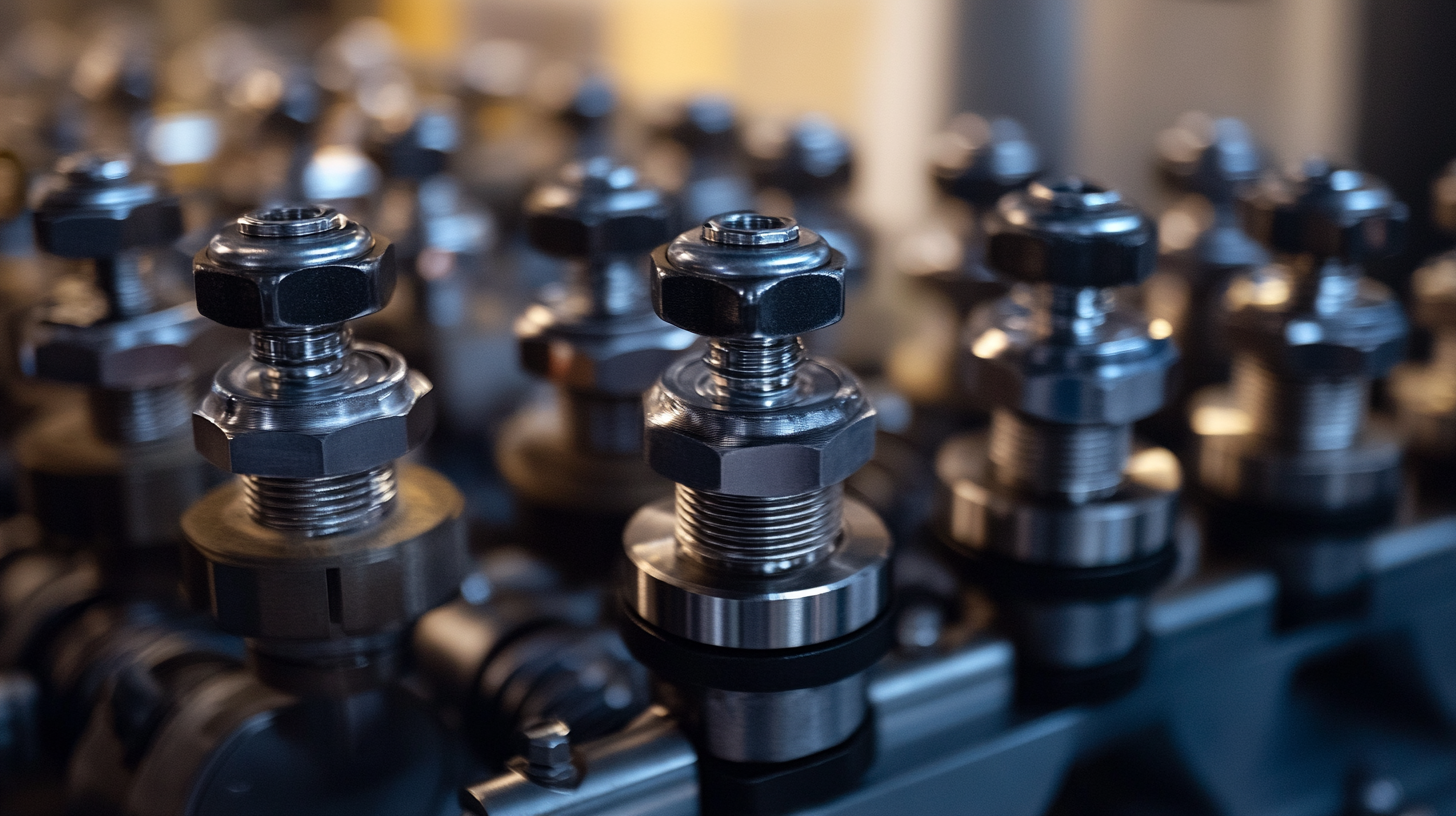
When it comes to global procurement, sourcing angel seat valves can be quite the challenge, especially when it comes to managing costs. It’s really important for procurement strategies to find that sweet spot between quality and price. If you settle for lower-quality valves, you might end up facing higher maintenance costs and a few operational headaches down the line. So, buyers really need to dive deep into market research to find suppliers who are not just reliable but also offer good prices without sacrificing the quality of their products.
Another smart move for keeping costs in check is to implement value analysis. By looking at the overall performance and lifecycle costs of angel seat valves, buyers can make better-informed choices that lead to savings over time. Plus, working closely with suppliers to negotiate bulk purchasing deals, or even looking into alternative materials, can really help cut down on expenses. And let’s not forget the importance of transparency in the supplier relationship—it helps buyers handle any sudden cost changes more smoothly, making the whole procurement process feel a lot easier.
You know, the global supply chain has really been through the wringer over the last few years. It’s been tough for everyone, especially when it comes to sourcing important parts like angel seat valves. Manufacturers and buyers are definitely feeling the pinch with all these production delays, sky-high shipping costs, and the struggle to find the materials they really need. So, it’s clear that companies need to rethink how they source these components. Lately, a lot of them are on the hunt for more dependable suppliers that can keep up with quality, even when everything around them feels so uncertain.
And let’s not forget the whole geopolitical mess that's still shaking things up, plus the way market demands just keep changing. It’s like trying to hit a moving target! So, many businesses are now putting a big focus on being flexible and adaptable. Quite a few are even looking closer to home and teaming up with local or regional suppliers to lower their risks. Using tech and data analytics has become a game changer, giving global buyers a clearer picture of their supply chains. This way, they can make smarter choices and respond to sudden shifts way faster. In this ever-changing landscape, keeping strong relationships with suppliers is super important—it helps companies deal with all these sourcing challenges much more effectively.
You know, building solid relationships with valve manufacturers is really important for buyers around the world who are on the hunt for angel seat valves. Good communication is super key here—it’s what helps keep those relationships thriving. When buyers regularly check in with manufacturers, they get a better feel for what those manufacturers can do, the new stuff they're working on, and what’s buzzing in the industry. This way, they can tweak their sourcing strategies to stay in sync with the latest trends. Plus, having a clear line of communication goes a long way in building trust, which is absolutely essential for sorting out any concerns and hammering out terms smoothly.
But it doesn’t stop there. Taking the time to really get to know the manufacturers’ processes and the hurdles they face can take their partnership to the next level. Buyers should think about popping by the production facilities, chatting about quality control, and showing a genuine interest in how these manufacturers are tackling sustainability and safety standards. This kind of shared understanding not only tightens the bond but also helps buyers make choices that benefit both sides.
And hey, working on projects together or diving into joint ventures can really cement these relationships. When buyers collaborate closely with manufacturers on things like product development or innovation, they can make sure that their needs are getting met while giving a boost to the supplier’s growth too. This vibe of collaboration builds loyalty, making manufacturers more inclined to prioritize their partners’ needs, and that’s what leads to a smoother, more effective sourcing process.

: Global buyers face challenges related to compliance with varying regulatory standards, supply chain transparency, and ensuring product quality while managing costs.
Understanding compliance is essential to avoid costly missteps and to ensure that products meet necessary safety and quality standards in different countries and regions.
Buyers should implement thorough vetting processes, ongoing monitoring, and regular audits of their suppliers to ensure compliance with industry standards.
Supply chain transparency helps buyers foster strong relationships with reputable suppliers and proactively verify compliance efforts, protecting their reputation and ensuring the quality of products.
Effective strategies include conducting thorough market research, implementing value analysis, negotiating bulk purchasing agreements, and exploring alternative materials.
Value analysis allows buyers to assess the overall performance and lifecycle costs of valves, enabling informed purchasing decisions that lead to long-term savings.
Emphasizing transparency in supplier relationships allows buyers to respond to cost fluctuations proactively, ensuring smoother procurement processes.
Maintaining strong relationships with suppliers is key to ensuring compliance, quality, and reliability, ultimately enhancing operational efficiency and customer satisfaction.
Sourcing subpar valves can lead to increased maintenance costs and operational risks, undermining the buyer's overall efficiency and profitability.
Rapid changes in regulations due to global trade dynamics require buyers to remain vigilant and adaptable to maintain compliance and ensure product quality.