- Home
- About Us
- Products
- Knowledge
- Service
- Resource
- News
- Contact Us
Leave Your Message
These days, in the world of modern industrial automation, the importance of actuated ball valves has really gone up. It's all because there's a growing need for precise control in fluid systems. I mean, if you look at the latest market reports from MarketsandMarkets, they’re saying the global valve market is expected to hit around USD 87.2 billion by 2027. And honestly, actuated valves are a big reason for this boom—they’re known for being efficient and reliable.
At Wenzhou Lifei Stainless Steel Co., Ltd., we’ve been in this game for over 15 years making fluid equipment, and we’ve spent 13 of those working on export trade, too. Our main goal? Focus on what our customers need and deliver smart, innovative solutions.
We want to help improve operational efficiency and, at the same time, make sure our clients are happy with what they get—especially in today’s fast-changing industrial landscape. So, in a way, including Actuated Ball Valves isn’t just a technical choice anymore; it’s really a strategic move to get the best performance across different industrial setups.
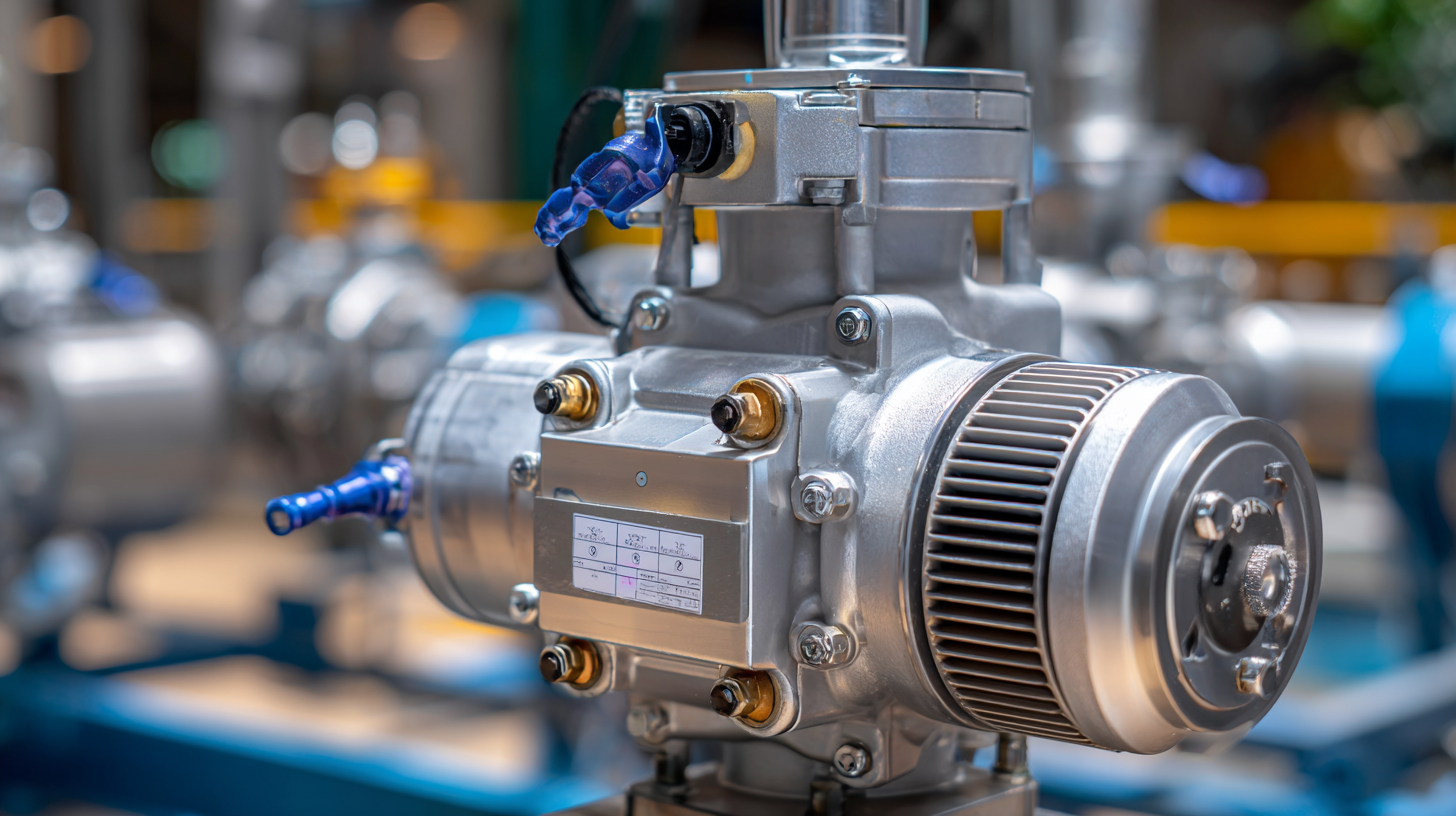
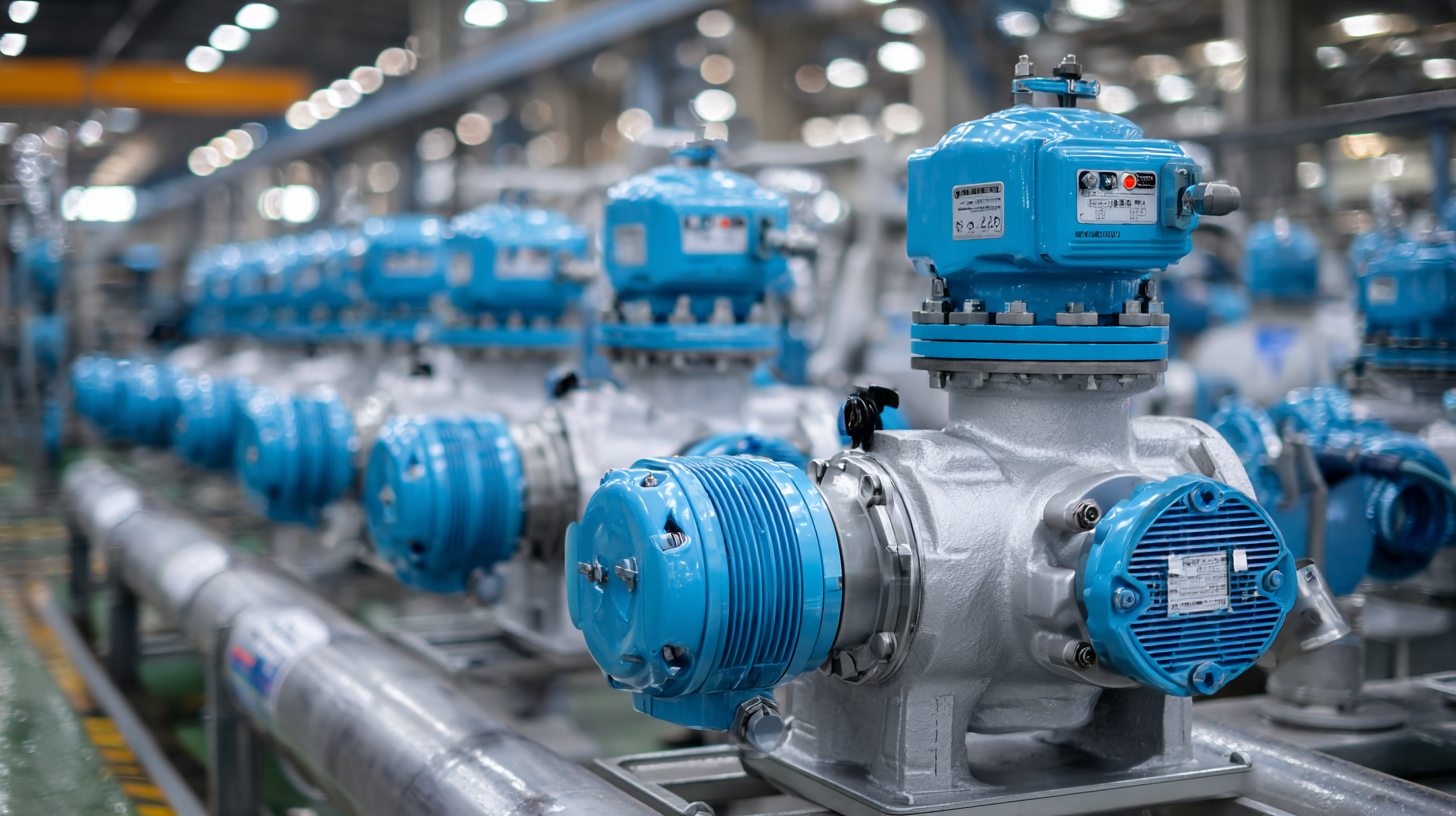
Actuated ball valves are pretty essential in today’s industrial setups. They give you much more precise control over how fluids flow through different systems. Basically, they’re like your trusty traditional ball valves, but with a smart twist—they come with an actuator that automates the opening and closing. This means you can manage them remotely and even connect them to larger automated systems. It’s a real game-changer because it makes operations more efficient and cuts down on human errors, especially in tricky processes like chemical manufacturing, water treatment, or power plants.
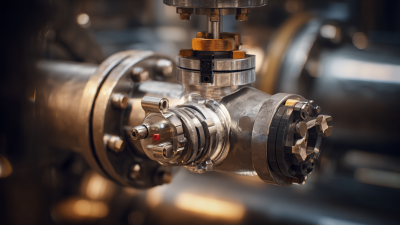
Now, if you peek inside these valves, you’ll see the main pieces: the body, the ball, the seats, and the actuator—which can be pneumatic, electric, or hydraulic. The coolest part? The actuator kicks into gear quickly to open or shut the valve, making sure everything works smoothly and consistently. Plus, modern versions often have sensors and feedback tools that give real-time updates on the valve’s position and flow rates. This makes it a lot easier for operators to keep an eye on things and fine-tune as needed. Overall, automating these valves doesn’t just boost productivity; it also makes processes safer and will save companies some serious bucks in the long run.
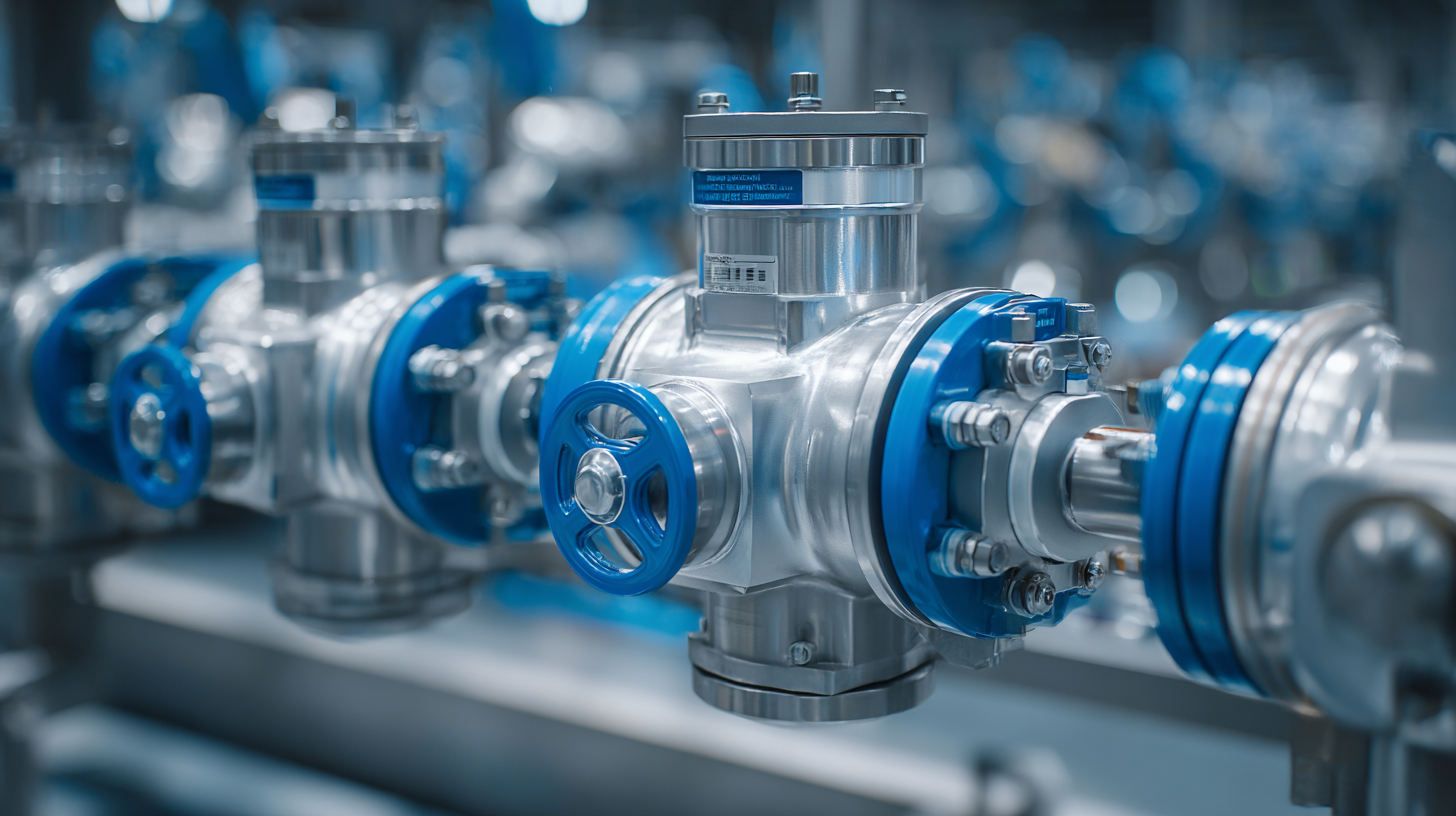
In the quest for maximizing hygiene and performance in various industries, hygienic stainless steel flush bottom valves have emerged as crucial components, particularly in sectors like food, beverage, pharmacy, cosmetics, and chemicals. The design of these valves not only ensures effective material transfer but also minimizes the risk of contamination, adhering to the stringent hygiene standards required in these fields. The smooth surfaces of stainless steel prevent any buildup of residues, making cleaning processes more efficient and ensuring that the product's integrity is maintained.
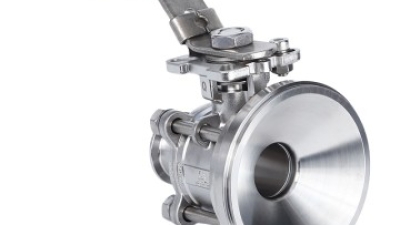
The QF series ball valves exemplify the innovation behind hygienic solutions. These valves, whether operated manually or automatically, facilitate precise control over material flow. Their versatility allows them to function effectively across industries, from managing delicate beverage formulations to handling complex chemical processes. By incorporating spare parts readily available for these valves, maintenance and repairs can be conducted swiftly, thereby reducing downtime and enhancing overall performance. This reliability not only boosts productivity but also fosters confidence in the hygiene practices of a facility, ultimately leading to better consumer trust and compliance with health regulations.
: Actuated ball valves are devices that combine traditional ball valve designs with an actuator mechanism, allowing for automated control of fluid flow. They enable remote management and integration into automated systems, enhancing efficiency while reducing human error in critical processes.
The main components include the valve body, ball, seats, and the actuator, which can be pneumatic, electric, or hydraulic. These components work together to enable swift opening and closing of the valve.
Actuated ball valves improve operational reliability through the integration of sensors and feedback systems, which provide real-time data on valve position and flow rates, facilitating more effective process management.
Key industries that benefit include chemical processing, water treatment, power generation, oil and gas, pharmaceuticals, and water and wastewater management, where precise flow control and safety are critical.
The global market for automated valves is projected to reach USD 8.9 billion by 2025, with a compound annual growth rate (CAGR) of 6.5% from 2020.
IoT technology is enabling remote monitoring and predictive maintenance for actuated ball valves, which enhances operational efficiency and supports smarter, more responsive systems in industrial automation.
The transition to smarter actuated ball valves can contribute to sustainability goals by minimizing energy consumption and reducing waste, thus optimizing production processes.
Smart actuator technologies are expected to capture a significant market share due to their capabilities in providing real-time data analytics and improving decision-making processes.
The rising demand for efficiency and safety in critical operations drives the need for automation in sectors such as oil and gas, pharmaceuticals, and water treatment, where actuated ball valves are essential for precise flow control.
Actuated ball valves offer enhanced efficiency, reduced risk of human error, improved safety, and significant cost savings through automation, making them preferable in modern industrial applications.
Actuated ball valves are pretty much a game-changer in modern industrial automation. They give us better control and make fluid systems way more efficient. By incorporating these valves, industries can actually enjoy some pretty big perks—like safer operations and smoother workflows. Honestly, understanding the different kinds of actuated ball valves and knowing where they fit best really helps companies personalize their solutions. And as these valves keep evolving, they’re set to shape the future of automation industry trends. That’s a good thing for manufacturers like Wenzhou Lifei Stainless Steel Co., Ltd., making sure they stay on top of customer needs.
With over 15 years under their belt in fluid equipment manufacturing, Wenzhou Lifei really gets how important these innovations are for keeping clients happy and helping them succeed. Their focus on listening to customer needs means businesses can take full advantage of actuated ball valves—driving growth and operational excellence in today’s fiercely competitive market.