- Home
- About Us
- Products
- Knowledge
- Service
- Resource
- News
- Contact Us
Leave Your Message
With technology and equipment evolving rapidly, industrial advancement compulsory to maintain a competitive edge. Sanitary Valves integration, among others, is gaining huge prominence in many sectors. As per the latest market research report released by Market Research Future, the global sanitary valves market is expected to grow at a CAGR of 5.4% from 2021 to 2027, as a result of rising demand from the food and beverage, pharmaceutical, and biotechnology industries. These valves help ensure the product's safety and integrity while enabling high levels of efficiency in the production process.
At Wenzhou Lifei Stainless Steel Co., Ltd., we appreciate the weight that Sanitary Valves carry in operational efficiency. With over 15 years of experience in fluid equipment manufacturing and 13 years in export trade, we believe it is paramount to focus on customer requirements. With industries stressing hygiene and efficiency today, we are more committed than ever to providing high-quality answers according to demand from clients that would, in turn, keep their success and satisfaction our topmost priority. Our stainless steel products and expertise give us the ability to assist industries in changing with these transformations to the best possible production standards.

In the food and beverage industry, hygiene and processing must be kept on par. Sanitary valves play a key role in maintaining this. Sanitary valves control the flow of liquids and gases very well without contaminating the product. Preventing contamination is essential for manufacturers to comply with strict safety regulations that are of utmost importance in today's health-driven world. Because of the current pandemic of coronavirus, all industries are really focusing on sanitation and safety practices. In such cases, the role of sanitary valves becomes even more important by companies looking to increase operation efficiency in tandem with having safe products for consumption. Sanitary valves that are properly designed and installed can decrease the downtime and risk of contaminations thereby resulting to best performance and maintain trust of customers. In these hard times, as office companies will successfully innovate for the betterment of the food and beverage industry, the use of advanced sanitary valves will give that extra edge to businesses competing for top positions in the market. Companies not only satisfy regulation needs through "cleanness and efficiency," but also build a good corporate image among health-conscious consumers.
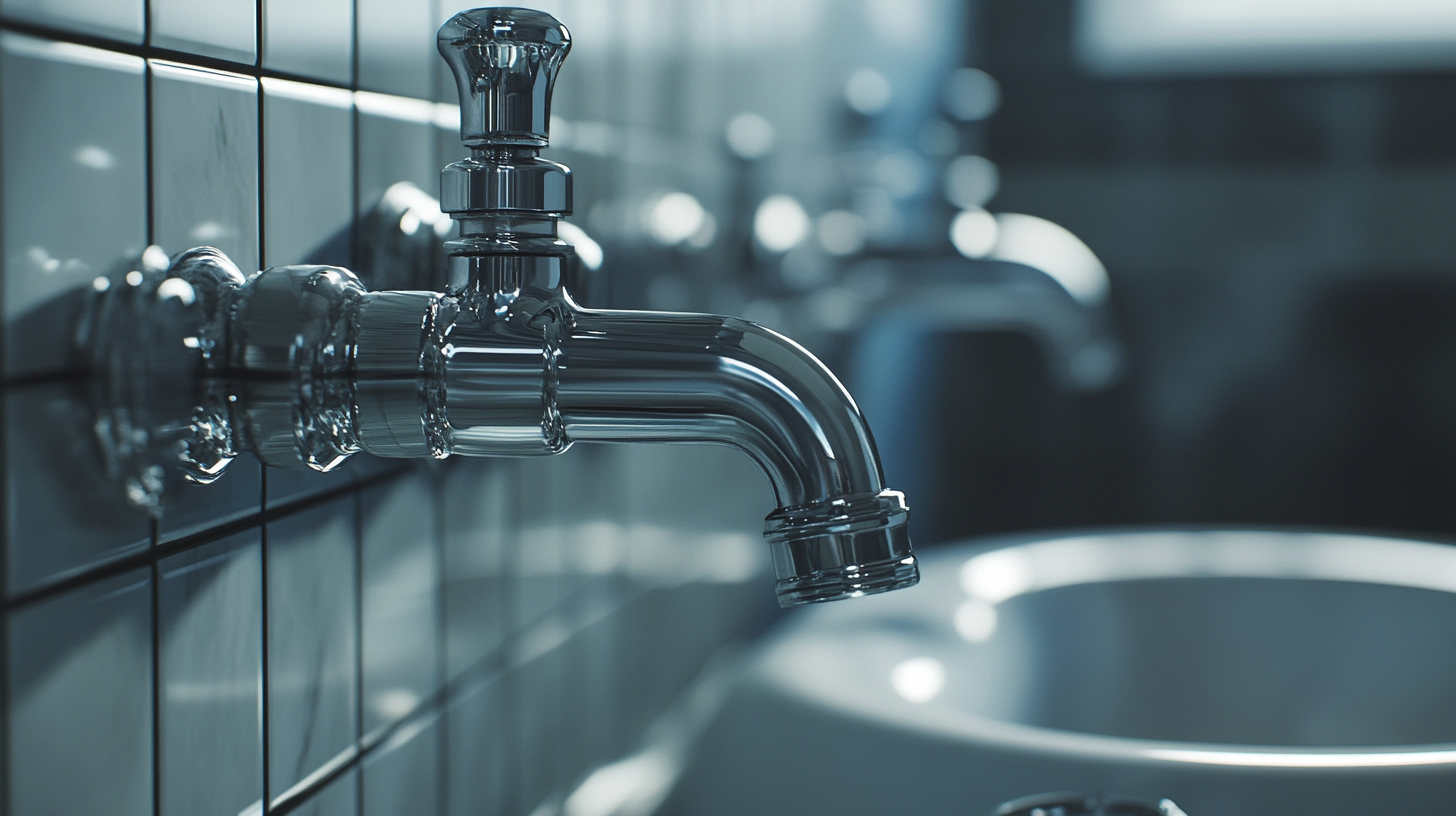
The pharmaceutical manufacturing industry is undergoing relentless metamorphosis with the drive toward efficiency, safety, and compliance as the ultimate difference-maker. Advanced sanitary valves serve such purpose, with the high standards of hygiene and reliability maintaining processes involved in drug production. Their unique designs suit specific demands in pharmaceutical applications, where sterility and precision are requirements and not objectives.
An advanced advantage in using sanitary valves in pharmaceutical manufacture is that it minimizes the contamination risk. Since pharmaceuticals have been produced in sterile environments, such are made impervious to leaks and contaminants from the outside to ensure they do not compromise products. Built from the best of materials, resistant to corrosion and easy cleaning and sterilizing, they tremendously fit the applications in a cleanroom and controlled environment.
The yet most exciting effect of incorporating smart technology into sanitary valves into the industry is their operation in the pharmaceutical sector. Sensors installed with automatic function now allow such valves to provide the ability of real-time monitoring and control, optimizing the manufacturing process. That would help maximize the process not only in terms of operational efficiency but also require superior compliance of such operations to tight regulatory standards. Advanced manufacturing sanitary valves do matchfully fit into the end-to-end productivity of pharmaceutical manufacturing while improving productivity by streamlining flows and minimizing manual interventions.
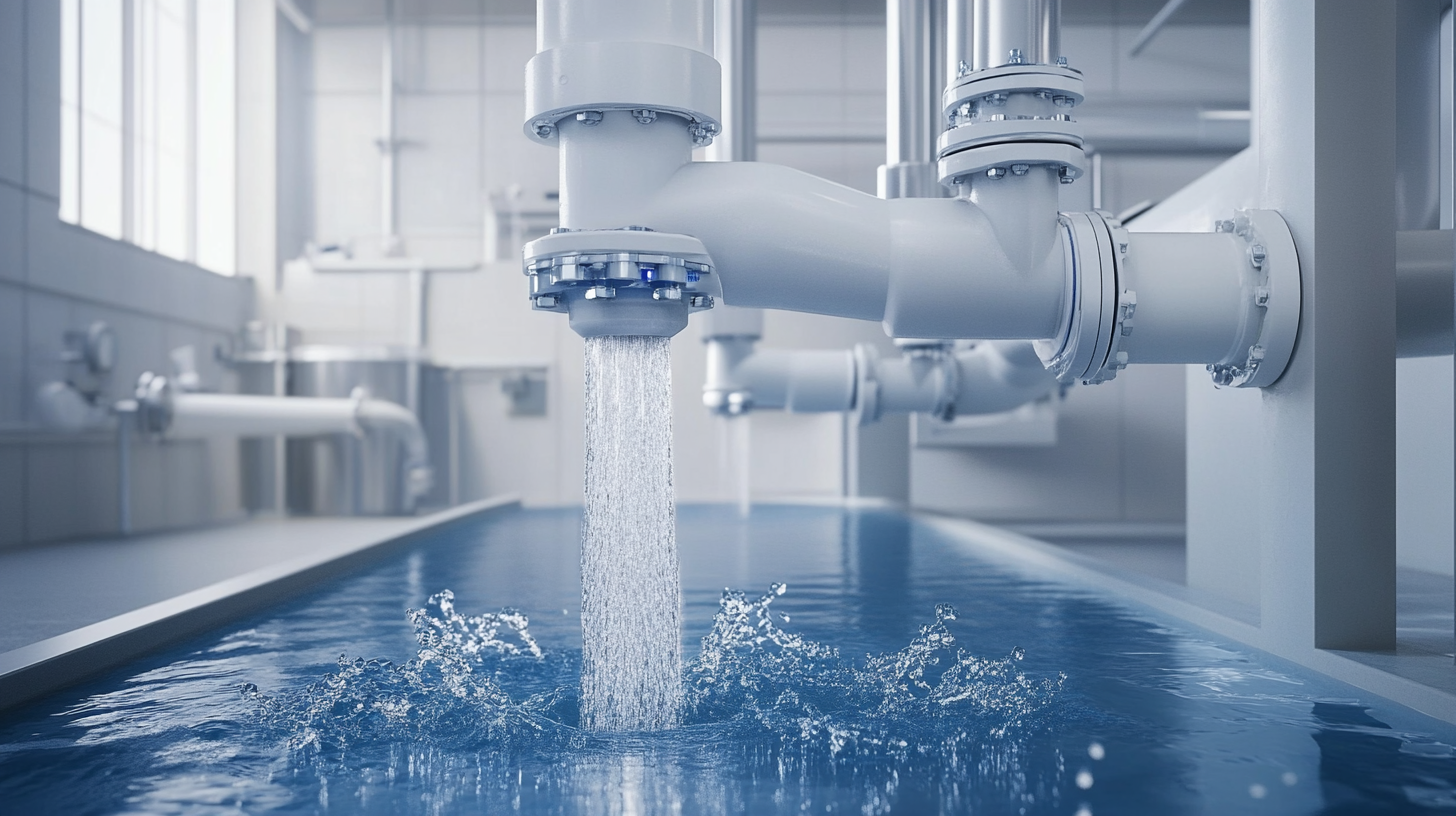
Also among the major factors revolutionizing the biotech industry and streamlining processes and product quality in general is sanitary valve technology. In an environment where everything is precise and safe, these particular valves keep the materials used in biopharmaceutical manufacture from being contaminated. After all, they facilitate flow control and minimize the risk of cross-contamination, as is needed to keep the integrity of sensitive biological products.
What sanitary valves feature prominently is easy cleaning operations. Where there are strict hygiene requirements, fast and effective cleaning of equipment is paramount. These sanitary valves are designed specifically to assist with advanced cleaning, including CIP (Clean-in-Place) processes, so that biotech companies can keep production pipelines flowing with minimal downtime. This improves their overall efficiency and helps companies to comply with stringent regulatory standards.
Sanitary valves further facilitate automation in biotech operations. With the addition of smart technologies, these valves are remotely monitored and controlled to ensure optimal valve performance with reduced human intervention. Such innovations will be the essence of keeping the biotech industry competitive and demand-responsive as it expands and transforms. Biotech investing in sanitary valve technology could transform operational capacity and protect product quality.
The fast-changing industrial setting of today warrants an intelligent sanitary solution that maximizes the operational capacity of water treatment facilities. Recent improvements in valve technology indicate how improvements can be made to streamline procedures, cut downtime, and ensure strict hygiene. For instance, new double-seat valves aimed at hygienic processing speak to the need for keeping processes intact but without compromising efficiency.
A new market survey has indicated that the control valves market will reach $13.4 billion by 2032. There is going to be much automation, and hence demand is rising across sectors-leading to a substantial increase in demand. They control the flow inside these plants, an essential factor for effective chemical dosing and management of the system. Further, the addition of valves that are safety enhanced, with pressure reliefs and leakage detection fronts, emphasize the commitment of the industry to safety and reliability in operations.
To further promote more hygienic designs and adaptation of technologies in pumps and valves, it has also been reported lately that the solenoid valve market is increasingly linked to an emerging need for automated solutions, and that trend is pointing toward smarter, more efficient water treatment. In recognition of the benefits that adopting such advanced sanitary solutions will bring, industries are beginning to notice the combined outcome on measures of efficiency and, consequently, the overall better outcomes for public health and sustainability at the environment level.
The role of sanitary valve technology in the present-day dairy processing environment is enhancing operational efficiency while assuring product safety. With increasing demand for superior quality dairy products, industries are investing in higher-end sanitary valves that make processes efficient and adhere to stringent sanitary standards. These valves greatly facilitate the flow management process while reducing the risk of contamination, which is vital for the preservation of the product.
The consequent effect of sanitary valve implementation is to transform the dairy processing plant operations. Automated processes enable fast processing time and reduced manpower costs, increased productivity via sanitary valve assistance, while at the same time providing assistance in meeting strict health regulations places the dairy product in a high safety consumer expectation envelope.
In light of the challenges arising from global health concerns, most recently pertaining to public health-related measures against infectious diseases, investment into reliable sanitary solutions will be more critical than ever. The dairy industry must pursue innovations like sanitary valve technology if it is to remain strong and adaptive to the changing environment of food safety and production efficiency. Henceforth, the knowledge and application of these advances should become obligatory for anyone concerned with the future of dairy production.
Technicalities regarding usage of sanitary valves in the oil and gas industry have relieved companies by considerably enhancing safety and operational efficiency. They are designed to withstand intricate requirements from industry perspectives so that fluids can be transferred safely and hygienically. Corrosion - and contamination-resistant materials utilized in making sanitary valves, help to maintain the sanitary standards of the utmost importance, which is justified in an industry where the consequences of spillage or leakage can level environmental catastrophes with financial losses.
The application of sanitary valves in oil and gas processes inherently affords efficiency to simplified operations, thus reducing downtime while enhancing productivity. The less maintenance required by these valves, which operate to improve flow control, otherwise needed for their predecessor designs, translates into lower operational costs and fewer interruptions in production. By virtue of features like automated actuation and precise control mechanisms, they enhance operational reliability and provide a safe working environment. The efficient production process is thus complementary to the stringent regulations enforced by safety authorities.
The need for sanitary valves also supports the industry's feel for sustainable operation. These valves assist gas and oil companies in reducing their environmental impacts by minimizing leaks and ensuring fluid transfer system integrity. This sense of sustainability is not only that mandated by legislation but also one that consumers and stakeholders are increasingly demanding. Hence, investing in sanitary valves is an absolute necessity for companies that want to future-proof their operations while adhering to established practices of safety and efficiency.
Serious sanitation issues are provided by the cosmetics manufacturing. In this respect, it becomes very necessary to have sanitary valves to make sure that the overall product is as safe and the highest possible quality for consumers. A lot of cosmetics contain sensitive ingredients, and even a minute contamination can bring enormous failures and possible health risks to the products. This is the place where advanced sanitary valves come into picture.
By using sanitary valves, the effectiveness of the flow control effects of materials can be achieved without introducing any contamination due to bacteria. These specialty valves have very smooth surfaces, causing no residual buildup and making cleaning very easy. Furthermore, there are those constructions that involve formulation preservation during production to maintain the delicate balance of ingredients during the manufacturing process, improve the general efficiency of the manufacturing process, and thus create a better quality of results in terms of production overall.
Adoption of sanitary valve technology is no longer just an issue of compliance, it is investment in reputation as a brand, and consumer safety. The industry in which the cosmetics marketing is developing will have its manufacturers put sanitation at the top of their list; meeting regulatory standards is also what consumers will want. Brand differentiation could very well be accomplished using sanitary valves in a marketplace that all but guarantees product integrity.
Within sustainability, sanitary valves play a significant role across select important industries by influencing operational efficiency and environmental responsibility. In industries such as food and beverage, pharmaceuticals, and biotechnology, the valves enable the secure transportation and processing of products while minimizing waste and energy. As noted in a 2022 Markets and Markets report, the global sanitary valves market is expected to grow from USD 4.8 billion in 2021 to USD 6.9 billion by 2026, representing an enormous transition toward efficient systems that favor hygiene and sustainability.
The food and beverage industries are characterized by stringent hygiene standards, and the very best sanitary valves must be used to prevent contamination. Research shows that approximately 40% of food is wasted during processing; this number can be drastically reduced through the application of state-of-the-art sanitary systems. Working with automated sanitary valves, the food companies can optimize their operations, which, in turn, minimize their water and energy consumption. The World Resources Institute found that smart water use in the food sector could save water consumption by 35% if paired with suitable machinery, including sanitary valves.
Then again, adherence to regulations is a must in the pharmaceutical industry. The combination of sanitary valves not only is in compliance with those regulations but also enables sustainability initiatives by reducing product loss and enhancing cleaning processes. Research by the Pharmaceutical Research and Manufacturers of America shows that by improving valve systems and processes, energy consumption in pharmaceutical manufacturing can be reduced by 30%. By installing sanitary valve technology, companies are sustaining operational practices and building a more environmentally friendly future.
Advanced sanitary valves are used in pharmaceutical manufacturing to ensure high standards of hygiene and reliability, minimizing contamination risks and ensuring sterile environments during drug production.
These valves are designed to prevent leaks and are constructed from high-quality materials that resist corrosion and are easy to clean and sterilize, reducing the chances of external contaminants compromising pharmaceutical products.
Sanitary valves now often include smart technology features such as sensors and automation capabilities for real-time monitoring and control, enhancing operational efficiency and compliance with regulatory standards.
CIP processes allow for the effective cleaning of sanitary valves without disassembly, supporting consistent production and operational efficiency while adhering to stringent hygiene regulations.
Sanitary valves ensure that materials used in biopharmaceutical manufacturing remain uncontaminated, thus maintaining the integrity and quality of sensitive biological products.
Cosmetics manufacturers face challenges in maintaining sanitary standards due to the sensitive nature of ingredients, where even minor contamination can lead to product failures and health risks.
Sanitary valves control the flow of materials while preventing bacterial contamination, featuring smooth surfaces that facilitate easy cleaning and maintain the integrity of formulations during production.
Investing in sanitary valve technology is crucial for compliance with regulations, enhancing product quality, and building brand reputation, which is essential in a competitive market focused on consumer safety.
Sanitary valves enhance automation potential and operational capabilities, allowing biotech firms to respond more effectively to market demands while ensuring product quality and safety.
By streamlining workflows and reducing manual interventions, advanced sanitary valves boost overall productivity in pharmaceutical manufacturing, enabling companies to meet growing demands more efficiently.