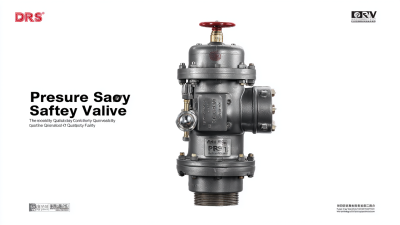
As we take a closer look at how pressure safety valves are changing in 2025, it’s really important to highlight how tech trends are shaking things up in the industry. Can you believe the pressure safety valve market is expected to grow by about 5.4% each year from 2020 to 2025? That’s mainly because of stricter safety regulations and the rising need for reliable pressure management across different sectors.
Wenzhou Lifei Stainless Steel Co., Ltd. is really leading the charge here, drawing on more than 15 years of experience in fluid equipment manufacturing and a solid 13 years in export trade. We’re all about meeting the ever-evolving needs of our clients. By putting customer satisfaction at the heart of what we do, we’re dedicated to weaving in those advanced tech trends into our products. This way, our pressure safety valves not only meet the industry standards but also boost operational efficiency and safety for our clients in this fast-paced market.
Identifying Key Technology Trends Shaping Pressure Safety Valve Design in 2025
You know, the whole landscape of pressure safety valve design is really changing fast, and it’s all thanks to some pretty exciting tech trends that are shaping the industry—especially looking ahead to 2025. A recent report from MarketsandMarkets predicted that the global safety valve market is gonna hit a whopping $2.5 billion by 2025! That just goes to show how much people are craving innovative designs that boost safety and efficiency. One standout trend is advances in materials science. We’re talking about valves that are more durable and reliable than ever, built to handle extreme conditions and nasty corrosive environments. Plus, there's a big push to add smart technology into pressure safety valves. With IoT-enabled devices, you can get real-time monitoring and predictive maintenance, which means less downtime and lower costs—who doesn’t want that?
Quick tip: If you’re diving into new pressure safety valve designs, definitely look for suppliers that are using advanced computational fluid dynamics (CFD) simulations. This can really step up performance and is essential for keeping up with the tightening industry regulations.
On top of that, there’s a strong focus on sustainability in the way these valves are being designed and made. Moving toward eco-friendly materials and processes isn't just about meeting regulations; it shows a commitment to cutting down the carbon footprint of industrial operations. Analysts are even saying that embracing sustainable practices could chop manufacturing costs by up to 20%! That's huge and it aligns perfectly with what today’s environmentally conscious customers want.
Another tip: When you're assessing what materials to use for valves, take a hard look at the lifecycle impact during your procurement process. This is gonna help you stay ahead of future regulations while also appealing to that growing crowd of eco-aware buyers.
Integrating Smart Sensors for Enhanced Monitoring and Safety Performance
You know, as more and more industries focus on better safety standards, the use of smart sensors in pressure safety valves is really shaking things up. A report from MarketsandMarkets even says that the global market for smart sensors could hit a whopping $36 billion by 2025! That's largely thanks to the rising demand for advanced monitoring tech in different industrial applications. These smart sensors are pretty cool—they can give you real-time updates on pressure levels, temperature, and other important parameters. This means you can catch any weird changes right away, which is crucial for preventing dangerous situations.

On top of that, there's this study from the National Institute of Standards and Technology (NIST) that showed incorporating smart sensor tech could cut down response times to pressure issues by almost 50%! How amazing is that? Quicker responses can really help prevent accidents and keep both workers and equipment safe. Plus, when organizations use predictive analytics powered by these smart sensors, they're not just ticking off boxes for safety regulations—they're also boosting overall operational efficiency. It’s clear that moving towards these tech solutions is essential for industries that want to stay safe and reliable in today’s world.
Advancements in Materials: Impact on Durability and Efficiency of Pressure Safety Valves
You know, materials science is really making waves when it comes to how we enhance the durability and efficiency of pressure safety valves. With safety and reliability becoming top priorities for industries, the new wave of materials—like composites and advanced alloys—are just game-changers compared to the old-school stuff. This tech isn’t just about keeping things running for longer; it also boosts the valves' ability to handle extreme temperatures and pressures, which is super important for safely running industrial operations.
Looking ahead, the global market for pressure safety valves is anticipated to jump from about $4.94 billion in 2025 to a whopping $6.94 billion by 2035, which means a solid compound annual growth rate of 8.6%. That’s a big deal! Because of this growth, manufacturers are really ramping up their investments in R&D. By adopting these innovative materials, they can meet the rising safety demands in industries like oil and gas, chemicals, and power generation. If companies get a handle on these material advancements, they’ll be able to roll out cutting-edge pressure safety valves that not only meet all the safety standards but go beyond what everyone expects, putting them right at the forefront of the industry.
Advancements in Materials: Impact on Durability and Efficiency of Pressure Safety Valves
Implementing AI and Machine Learning for Predictive Maintenance and Optimization
Looking ahead to the tech scene in 2025, it’s pretty clear that artificial intelligence (AI) and machine learning are gonna play a huge role when it comes to pressure safety valves. These cool technologies are really stepping things up with predictive maintenance. What’s that? Well, it means operators can actually spot potential failures before they happen! By digging into historical data and keeping an eye on real-time performance, AI algorithms can catch patterns that might fly under the radar for humans. This smarter approach not only fine-tunes maintenance schedules and cuts down on downtime but also helps equipment last longer—who doesn’t want that?
Now, rolling out AI and machine learning isn’t just a flip of a switch; it’s all about weaving these technologies into our current systems. It kicks off with gathering a bunch of operational data, which then gets plugged into machine learning models for some serious analysis. The insights we glean from this can really steer engineers toward making savvy decisions—like when it’s time to service those valves, how to balance loads, and even spotting weirdness in pressure readings. By jumping on board with these innovative strategies, manufacturers can boost reliability and safety, plus save a pretty penny in the process through smarter maintenance tactics.
Exploring the 2025 Technology Trends for Best Pressure Safety Valves and How to Implement Them
| Trend |
Description |
Implementation Strategy |
Expected Benefits |
| AI Integration |
Utilizing AI for real-time monitoring of pressure safety valves. |
Develop AI algorithms that analyze operational data. |
Reduced downtime and enhanced safety protocols. |
| Machine Learning |
Machine Learning models for predicting valve failure. |
Train models with historical failure data and operational parameters. |
Improved maintenance scheduling and reduced costs. |
| IoT Connectivity |
Integration of IoT devices for valve condition monitoring. |
Implement IoT sensors to collect real-time data. |
Increased visibility and proactive maintenance actions. |
| Data Analytics |
Analyzing data trends to optimize operational efficiency. |
Utilize data analytics platforms for insights and reporting. |
Enhanced decision-making and improved valve performance. |
| Remote Monitoring |
Remote access to valve performance data from anywhere. |
Implement cloud-based monitoring solutions. |
Increased operational flexibility and faster response times. |
Exploring Regulatory Changes and Their Influence on Technology Adoption in the Industry
You know, the pressure safety valve industry is really going through some changes these days. One big thing that’s shaping how tech gets adopted is the whole regulatory landscape. I came across this report from the American Society of Mechanical Engineers (ASME), and it points out that tougher rules—especially from groups like OSHA and the EPA—are really pushing manufacturers to step up their safety game. By 2025, it's expected that about 70% of companies in this field will have switched to advanced pressure safety valves that come with digital monitoring features. Yeah, a lot of that shift is coming from new compliance needs that focus on real-time data and risk management.
Also, the International Society for Automation (ISA) predicts that these regulatory shifts are going to spark a 15% bump in investments towards safety technologies over the next three years. This isn't just about playing it safe; it’s also driving innovation in how valves are designed and how their performance is monitored. Industries will really have to be quick on their feet, adapting to changing standards and incorporating cool tech like IoT and AI to ramp up predictive maintenance and boost valve efficiency. If companies can keep ahead of these regulatory trends, they'll not only stay compliant but also gain a meaningful edge in what’s turning into a super competitive market.
Best Practices for Transitioning to Next-Gen Pressure Safety Valve Technologies
You know, as industries keep changing and evolving, it's super important to jump on those next-gen pressure safety valve technologies. A recent report from MarketsandMarkets shows that the global pressure relief valve market is projected to grow from $4.1 billion in 2024 to $5.2 billion by 2029, which is roughly a 5.1% annual growth rate. Pretty impressive, right? This kind of growth really highlights how crucial it is for companies to start adopting advanced technologies that can boost safety, efficiency, and reliability in their operations.

Now, if companies want to roll out these innovative systems successfully, they really need to focus on training and developing their staff. The American Society of Mechanical Engineers (ASME) points out that creating a strong safety culture can seriously cut down on failure rates and help everyone keep up with industry standards. Besides that, using data analytics from operational data can really help with proactive maintenance, stretching the lifespan of these technologies while also keeping downtime to a minimum. Oh, and investing in simulation software can prep engineers to tackle system designs and upgrades more smoothly, making that transition a lot easier. By embracing these strategies, not only can facilities get a modern makeover, but they’ll also be ready to handle the future demands of pressure safety valve technologies!
Exploring the Benefits of Stainless Steel EPDM PTFE Lined Manual Sanitary Tri Clamp Diaphragm Valves in Modern Industries
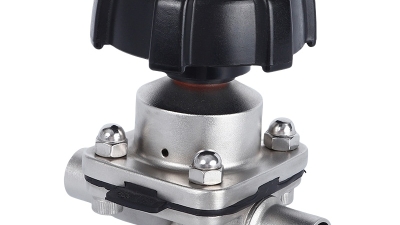
The implementation of stainless steel EPDM PTFE lined manual sanitary tri clamp diaphragm valves, such as the WJ series, has become increasingly critical in modern industries like food and beverage, dairy, brewing, and pharmaceuticals. According to a recent report by Grand View Research, the global sanitary valves market is projected to reach USD 6.6 billion by 2025, driven by the growing demand for sanitary equipment across these sectors. The WJ series diaphragm valves stand out with their cast body, designed specifically for applications requiring stringent hygiene standards and flow control precision.
In food and beverage processing, for instance, the necessity for reliable sanitation and process efficiency is paramount. The WJ series is engineered to facilitate not only efficient open/close operations but also maintain steady flow rates, crucial for batch production processes. A study by MarketsandMarkets indicates that the use of automated and sanitary valves is expected to grow significantly, emphasizing how products like the WJ series can help industries comply with increasingly stringent regulations regarding product safety and quality.
Moreover, the durability and chemical resistance of the EPDM PTFE lining provide further advantages, ensuring the valves can withstand the challenges posed by various media used in these industries. This robust design translates to less downtime and maintenance, enhancing operational efficiency. As industries continue to innovate and place greater emphasis on cleanliness and efficiency, the adoption of advanced diaphragm valves, such as those from the WJ series, will undoubtedly play a pivotal role in shaping the future of processing technologies.
FAQS
: Integrating smart sensors enhances monitoring by providing real-time data on pressure levels and temperature, allowing for immediate detection of anomalies and quicker intervention to prevent hazardous situations.
The global market for smart sensors is projected to reach $36 billion by 2025.
Incorporating smart sensor technology can decrease response times to pressure excursions by nearly 50%, facilitating quicker intervention and enhancing safety.
Next-generation materials, such as composites and advanced alloys, are improving the durability and efficiency of pressure safety valves and enhancing their resistance to extreme conditions.
The global pressure safety valve market is projected to expand from USD 4.94 billion in 2025 to USD 6.94 billion by 2035, at a compound annual growth rate (CAGR) of 8.6%.
Best practices include thorough training for personnel, fostering a safety culture, leveraging data analytics for proactive maintenance, and investing in simulation software for system design.
Adopting innovative technologies enhances safety, efficiency, and reliability, meeting growing demands and regulatory standards in various industrial sectors.
Data analytics can facilitate proactive maintenance, extending the life of technologies while minimizing downtime and improving compliance with industry standards.
Comprehensive training programs are crucial to reducing failure rates and ensuring that personnel are equipped to effectively implement and manage new technologies.
The CAGR of 5.1% indicates consistent growth in the pressure relief valve market, highlighting the need for companies to adopt advanced technologies for improved operational performance.